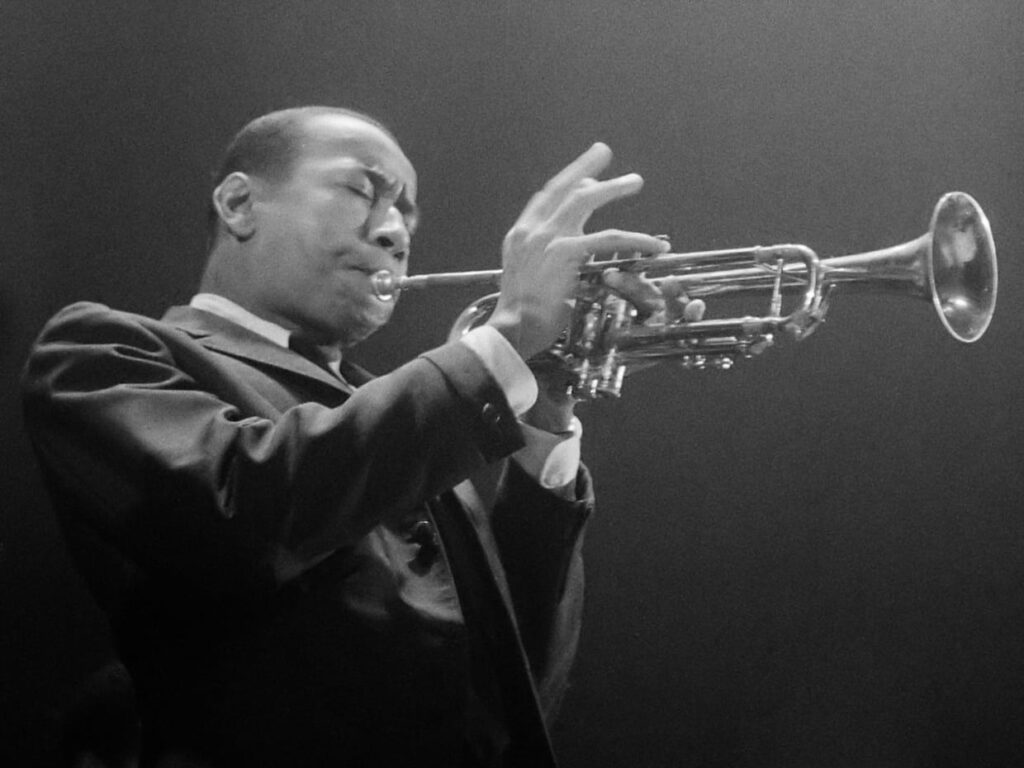
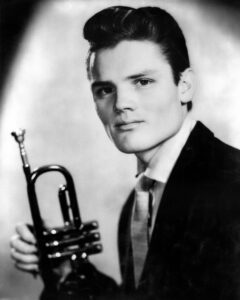

Lee MorganLee Morgan was one of jazz’s most gifted and dazzling trumpet prodigies, and a defining figure in the hard-bop movement. Known for his fiery playing, dazzling technique, and assertive tone, he fused jazz with soul and funk in the 1960s and achieved remarkable commercial success. His life ended at 33 in a tragic act of violence, one of the most heartbreaking episodes in jazz.
Born in Philadelphia,MorganMorgan showed extraordinary musical instincts as a boy. He was already playing professionally at 15, and at 18 joinedDizzy Gillespie’s big band, where his astonishing solo on “A Night in Tunisia” caused a sensation. That same year he began a prolific recording career withBlue Note. He was quickly regarded as the most formidable trumpet successor toClifford Brown.
In 1958, Morgan joinedArt Blakey’sJazz Messengers(the Jazz Messengers) and played on the hard-bop landmark album《Moanin’》. His playing grew more assured and mature during this period. After briefly leaving New York amid struggles with addiction, he made a strong return in 1963 and recorded his best-known single,《The Sidewinder》. Its blend of jazz and R&B unexpectedly broke into the pop charts and helped rescueBlue Notefrom financial trouble.
In the late 1960s,Morgan’s music moved toward more exploratory post-bop and modal jazz, while he also became more politically engaged. He helped launch the Jazz People’s Workshop to protest the mainstream media’s neglect of Black musicians. His fiery playing took on a more experimental edge.
On a snowy night in February 1972,Morganwas performing between sets at New York’sSlug’s Saloonjazz club when an argument with his common-law wife,Helen Moore, escalated over their relationship.Helenfired a gun at him inside the club. Heavy snowfall delayed the ambulance, andMorgandied from blood loss at age 33. The tragedy later became the subject of the acclaimed documentary I Called Him Morgan.
3. Musical Style: A Spark in Motion
An Aggressive Touch:Morgan’s tone was bright, crisp, and powerful. He made striking use of half-valving and fast vibrato, creating a distinctive sound that could seem to laugh or sneer.
A Balance of Fire and Feeling: He could play at breathtaking speed on up-tempo pieces, yet bring a vulnerable, deeply affecting sensitivity to ballads.
A Signature Blues Foundation: No matter how complex his lines became, Morgan’s playing retained a strong blues feeling. He had a gift for finding what would excite listeners, and every note seemed charged with life.
In Summary: Lee Morganwas jazz’s“son of fire”. He burned through his talent in a short life, leaving behind vivid, high-energy recordings that define one of hard bop’s most brilliant colors.
An Aesthetic Connection: For designers drawn to dynamic form and visual impact,Lee Morgan’s music is a study inhigh saturation and high contrast. Each phrase feels like a burst of bright color from a spray-paint canvas, full of improvisational tension and unrestrained energy.
Explore other jazz artists who share genre tags with Lee Morgan.