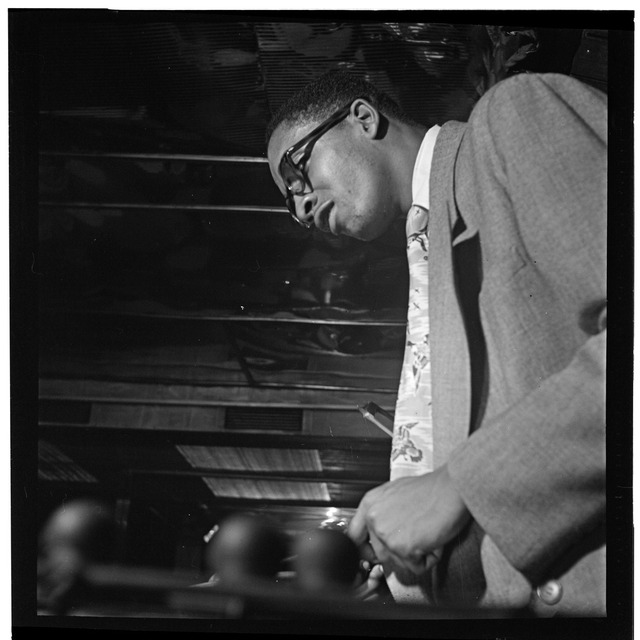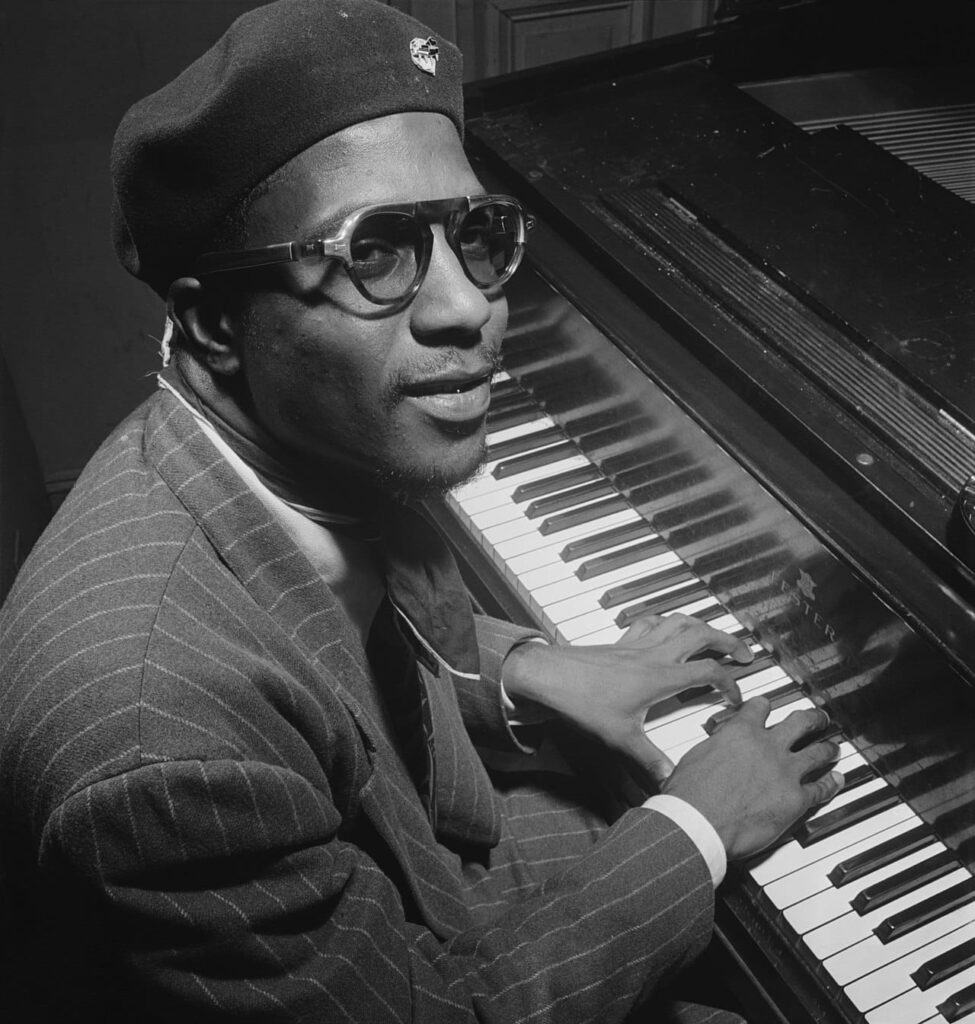


Thelonious Monkwas one of jazz history’s most original and uncompromising pianists and composers. A founder of the bebop movement, he developed a fractured, off-kilter style and an unconventional sense of harmony that made him impossible to categorize. His compositions are among the most frequently recorded in jazz, second only to those ofDuke Ellington. Considering thatMonkwrote only about 70 pieces in his life, compared withEllington’s more than a thousand, this is remarkable.
Born in North Carolina, Monk moved with his family to Harlem as a child.MonkAs the house pianist at Minton’s Playhouse, he helped invent a new musical language—bebop—withDizzy Gillespie、Charlie Parkerand others. While his contemporaries pursued dazzling runs of fast notes,Monkwent in the opposite direction, focusing on unusual rhythmic intervals and sharp dissonances. In 1944, he wrote the enduring classic “’Round Midnight” forCootie Williams, which became his best-known composition.
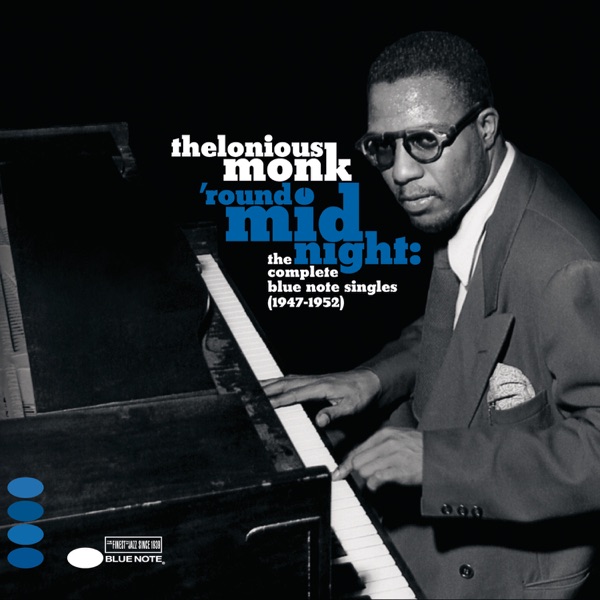
From the late 1940s into the early 1950s,Monkrecorded a series of far-sighted works forBlue Note, including “Epistrophy” and “Straight, No Chaser.” His musical ideas were ahead of their time, and a drug case after he tried to protect a friendBud Powellled to the loss of his cabaret card, preventing him from performing in New York clubs. For years, he faced financial hardship and remained on the margins of the mainstream.
After his cabaret card was restored in 1957,Monkbegan a legendary engagement at the Five Spot Cafe withJohn Coltrane. It became one of the great moments in jazz history. He later released acclaimed albums forRiverside, including《Brilliant Corners》. By 1964,Monk’s work had finally gained broad recognition, and he became one of the few jazz musicians to appear on the cover of Time.
From the 1970s onward,Monk’s health and mental state gradually declined. He grew quiet and eventually withdrew from public life. During the final decade of his life, he rarely played piano and lived in the home of his close friend,Pannonica de Koenigswarter. In 1982, the jazz world’s “high priest” died of a stroke, aged 64.
3. Musical Style: An Architecture of Silence and Displacement
A Percussive Touch at the Piano:MonkHe played with fingers that barely bent, striking the keys vertically as if they were percussion instruments. The result was a crisp, stark, and forceful sound.
The Art of Space: He excelled at sudden pauses, using silence to intensify the notes around it. He once said, “There are no wrong notes on the piano, only wrong moments.”
Unusual Harmony and Rhythm: He favored dissonant intervals such as major seconds. His improvisations were jagged and full of unexpected rhythmic shifts. Listening to him can feel like missing a step—only to be caught by the surprising logic of the music.
Performance as Gesture: During live performances, while other musicians took solos,Monkwould often get up and dance in strange circles around the piano. It was his distinctive way of feeling the rhythm.
In Summary: Thelonious Monkwas jazz’s“deconstructivist architect”. He took apart traditional melody and rhythm and used the fragments to build a tightly structured, wonderfully strange spiritual space.
An Aesthetic Connection: For a 3D designer,Monk’s music is a model ofnonlinear modeling. He rejected smooth curves in favor of distinctive, forceful hard surfaces and geometric breaks. Every displacement carries an intense logic of its own.
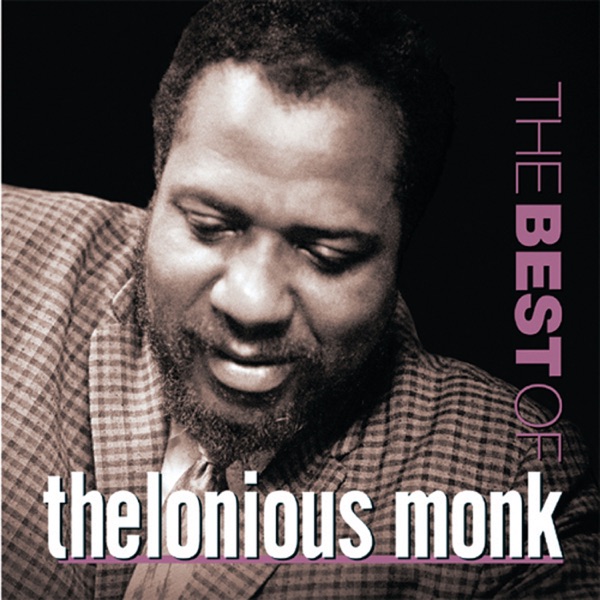
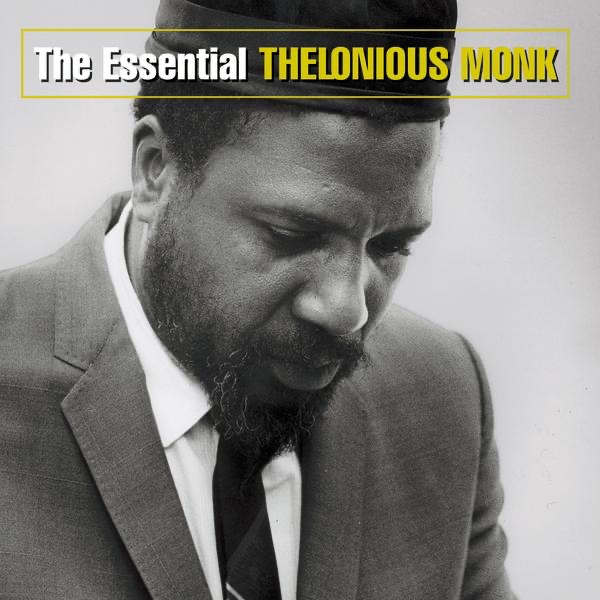
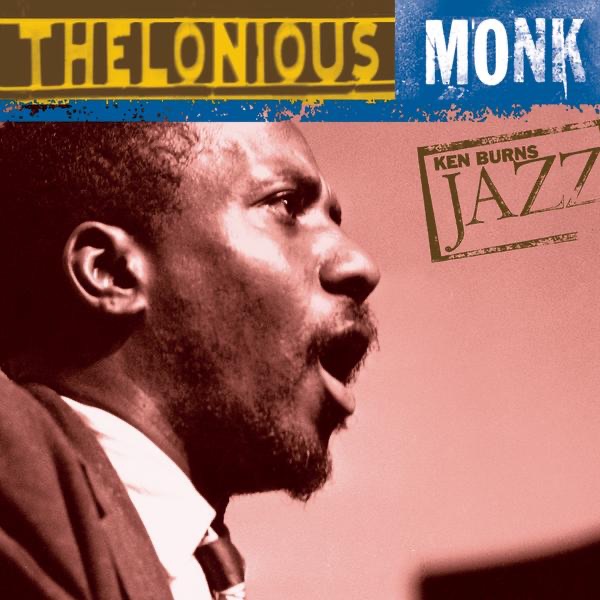
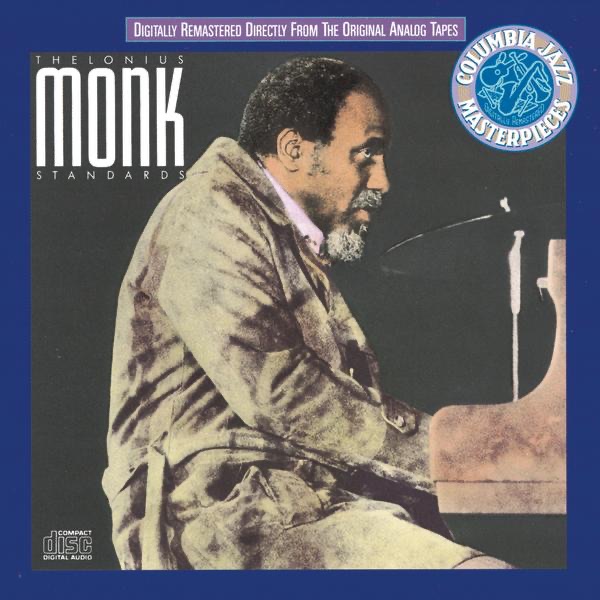
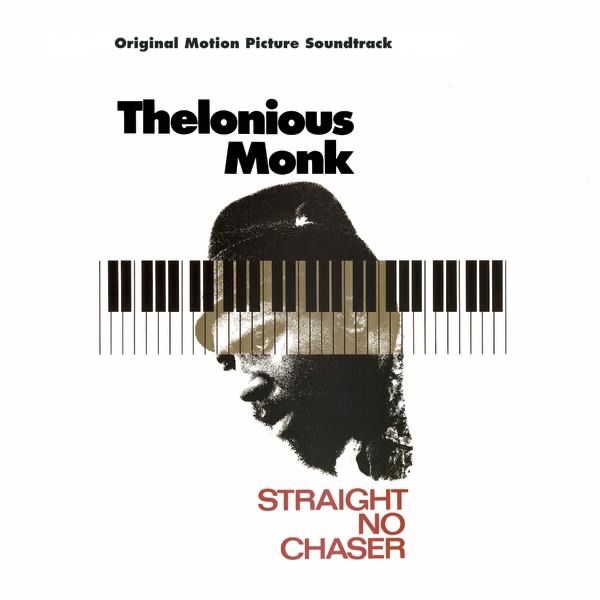
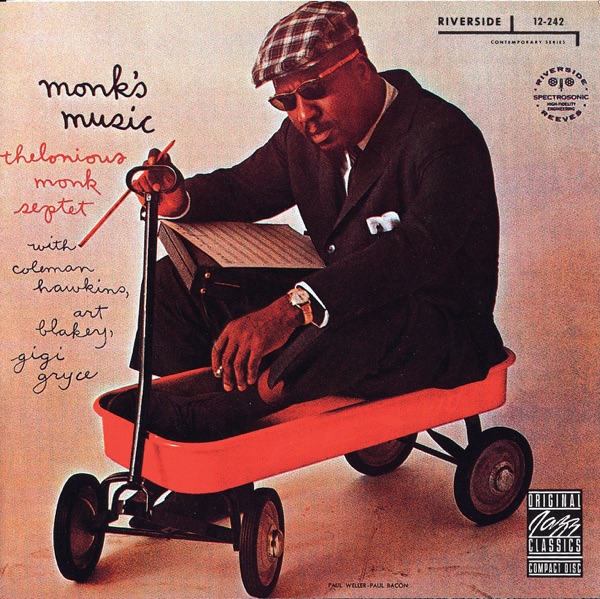
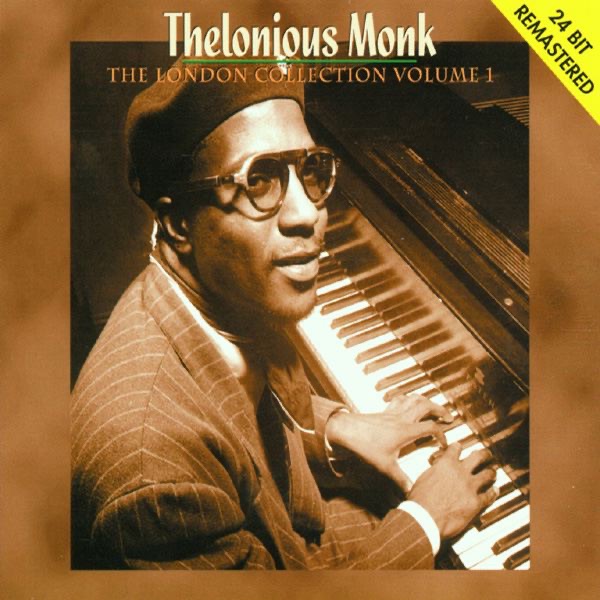
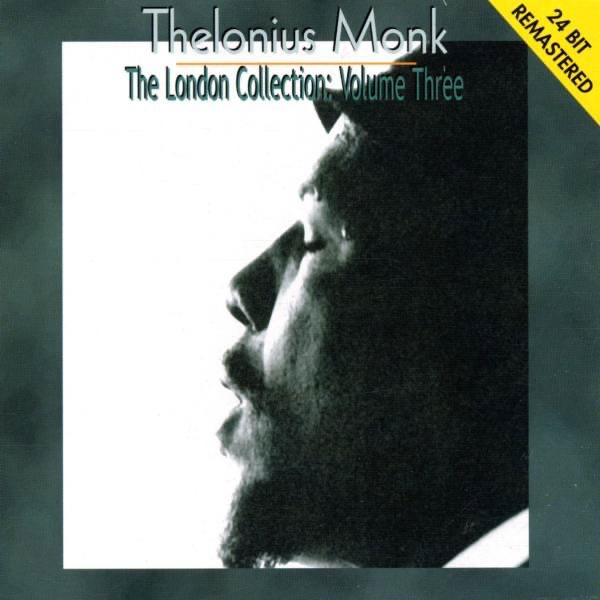
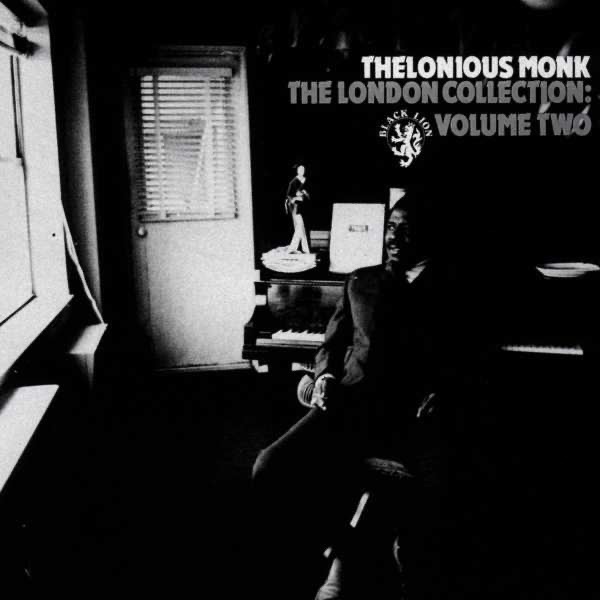
Explore 50 albums and recordings, arranged by release date.





Explore other jazz artists who share genre tags with Thelonious Monk.