

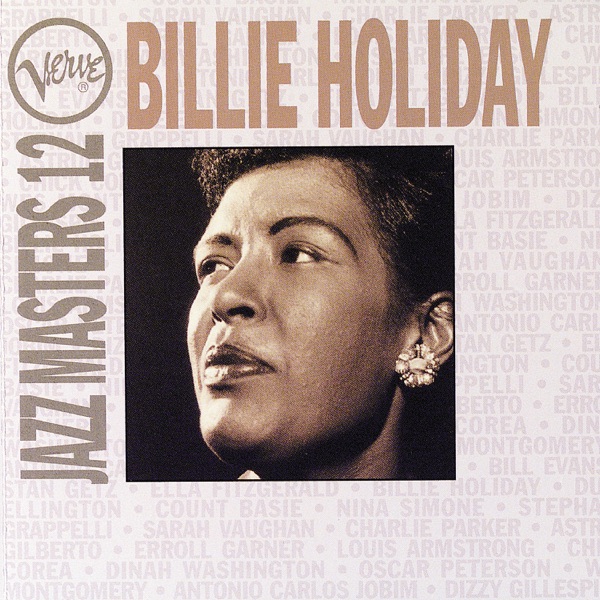

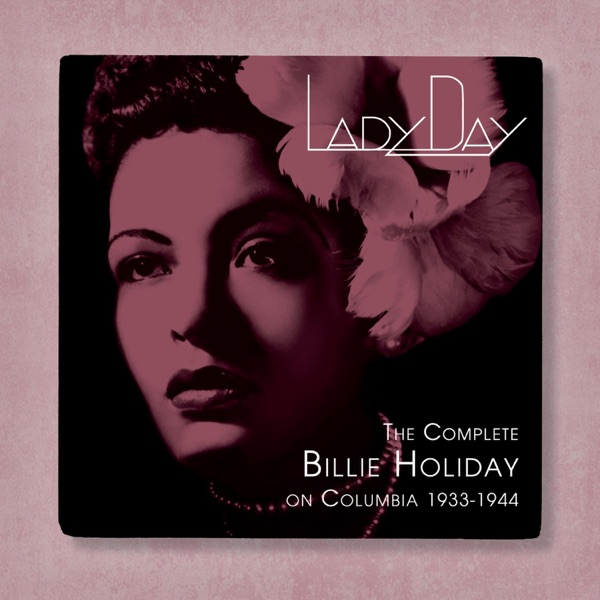
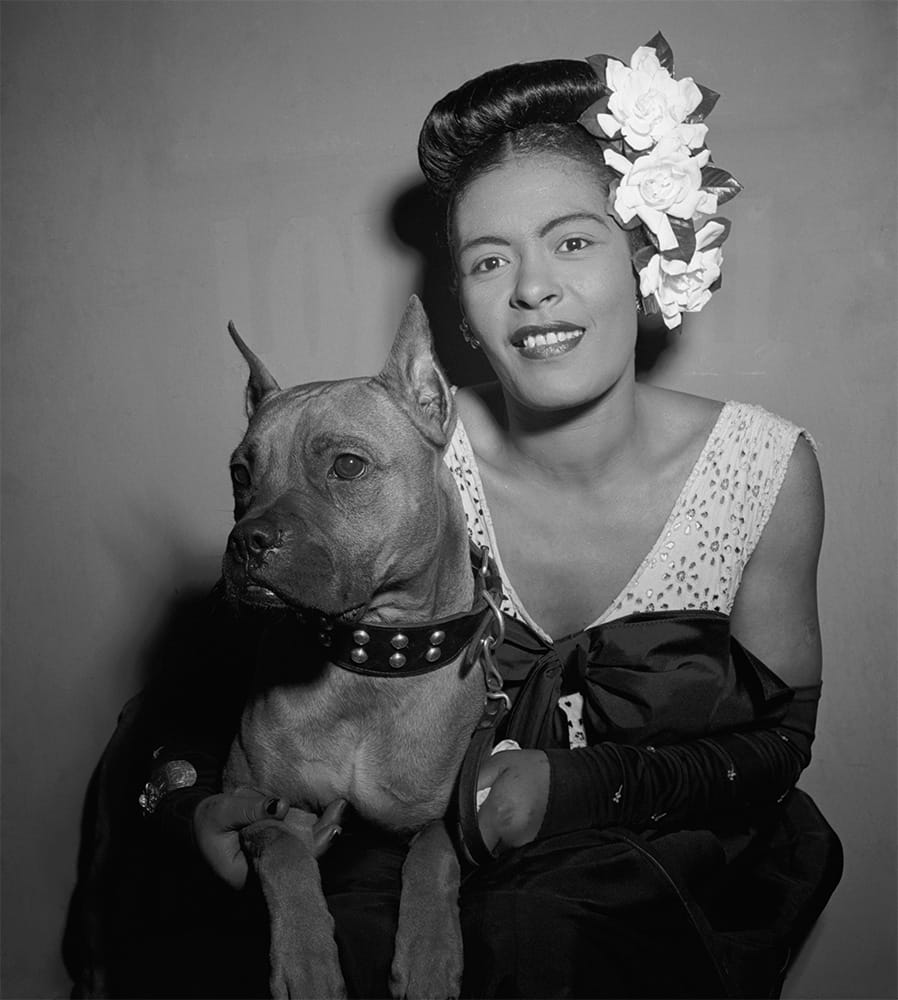
Billie Holiday
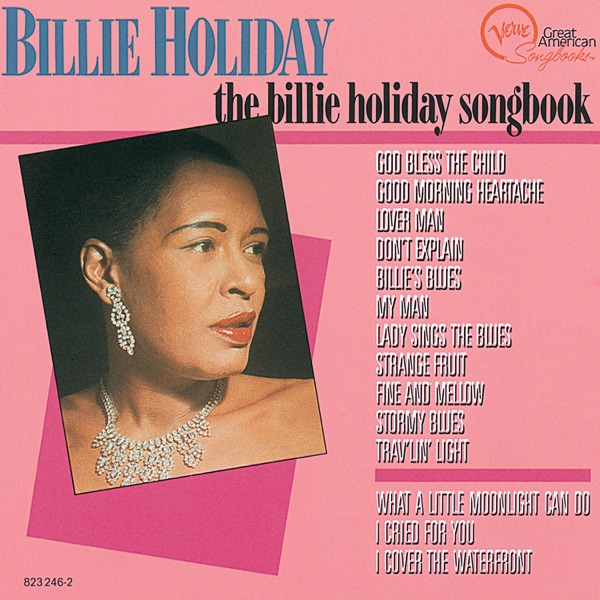
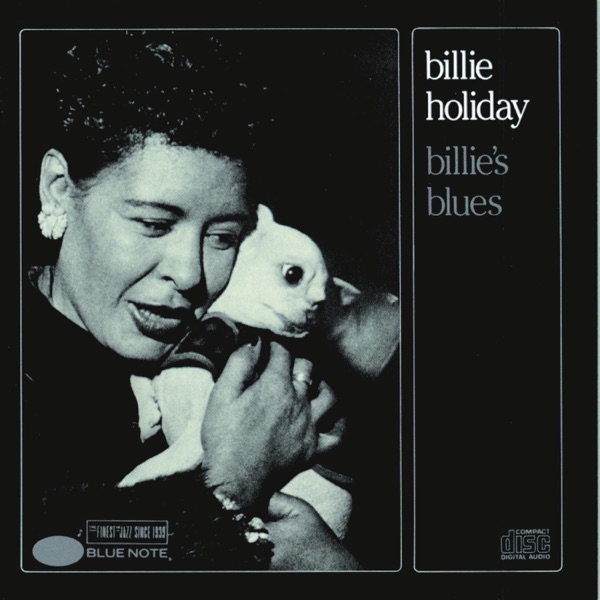
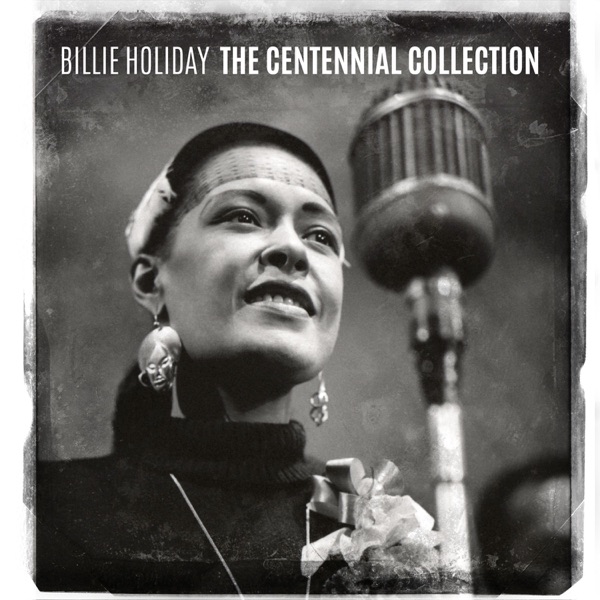
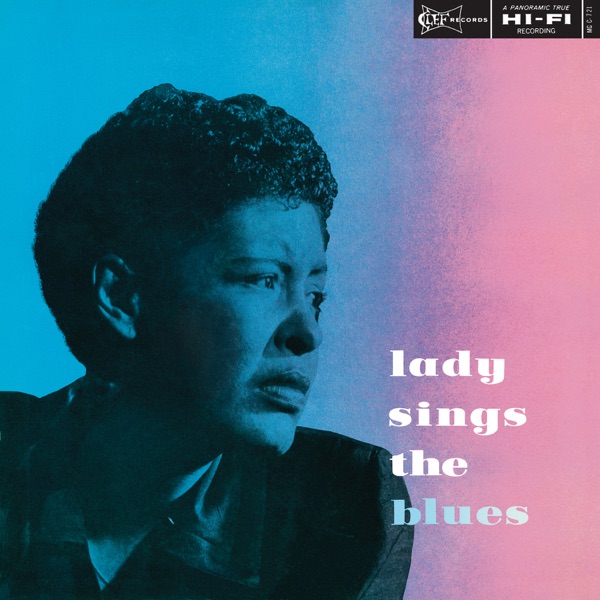
Billie Holiday,被乐迷亲切地称为 “Lady Day”,是爵士乐史上最具灵魂深度与悲剧色彩的顶级歌伶。她不只是在唱歌,她是在用人声进行乐器化的即兴创作,彻底重塑了爵士乐与流行乐的审美框架。
苦难磨砺出的天才 (1915–1933)
出生于费城的 Holiday 原名 Eleanora Fagan,她的童年是一部现实主义的苦难史。在贫困、被生父抛弃以及早年的身体创伤中挣扎成长,这些极端的生存体验后来都化作了她歌声中那股挥之不去的忧郁底色。1930年代初,她开始在哈莱姆区的夜总会谋生,凭借极具辨识度的音色被传奇制作人 John Hammond 发掘,随后与 Benny Goodman 合作录制了首批唱片,正式踏入乐坛。
黄金时代与灵魂伴侣 (1935–1942)
这一时期是 Holiday 艺术创作的巅峰。她与钢琴家 Teddy Wilson 以及次中音萨克斯大师 Lester Young 结成了爵士史上最动人的艺术联盟。她与 Lester Young 之间存在着一种近乎心灵感应的默契:Lester 为她取了著名的绰号 “Lady Day”,而她则回敬这位知音为 “Prez”(总统)。他们在录音室里那种如影随形的呼应,定义了爵士乐中人声与管乐对话的最高境界。
《Strange Fruit》与民权抗争 (1939)
1939年,Holiday 在纽约的 Café Society 俱乐部首次演唱了 《Strange Fruit》。这首歌极其尖锐地控诉了美国南部对黑人的私刑丑闻,歌词中“南方树上结出的奇异果实”暗指被吊死的黑人尸体。这首曲子由于其强大的政治冲击力,遭到了主流电台的封杀,也让 Holiday 成为了联邦调查局(FBI)长达二十年的监控目标。这首歌不仅是她的代表作,更是早期民权运动的一座文化丰碑。
沉沦、官司与最后的绝唱 (1943–1959)
从40年代后期开始,Holiday 的人生陷入了毒瘾、酗酒以及虐待性关系的泥潭。1947年她因毒品指控入狱,出狱后由于失去了在纽约夜总会演出的执照(Cabaret Card),事业遭受重创。然而,苦难反而加深了她的艺术感染力。1958年,她在 Verve 唱片公司录制了著名的专辑 《Lady in Satin》,此时她的嗓音虽已沙哑、疲惫,甚至带有破碎感,但其中蕴含的生命重量和情感深度却达到了令人心碎的极致。1959年,她因肝硬化并发症在纽约去世,死时甚至还处于被捕状态,享年44岁。
3. 音乐风格:即兴的叙事艺术
-
革命性的节奏处理(Back-phrasing):Holiday 最伟大的贡献在于她对节奏的掌控。她总是习惯略微滞后于节拍,这种慵懒、松弛却精准的“拖拍”处理,赋予了歌词一种如私密低语般的叙事感,直接影响了后来的 Chet Baker 和 Frank Sinatra。
-
乐器化的人声表现:她不追求宽广的音域或歌剧式的宏大音量,而是像演奏小号或萨克斯一样,通过细腻的滑音(Glissando)、音色的微调以及对歌词重音的巧妙偏移,将每一首通俗的标准曲都改造成了深刻的个人自传。
-
极致的真实性:Holiday 曾说:“我从未两次以同样的方式唱同一首歌。”她的每一次演唱都是此时此地的情感投射,这种拒绝修饰、直面灵魂痛苦的表达方式,使她成为了爵士乐永恒的感性支柱。
核心总结: Billie Holiday 是爵士乐界的“受难女神”。她用伤痕累累的嗓音证明了:伟大的艺术不需要完美的音准,只需要一颗真实跳动的心。
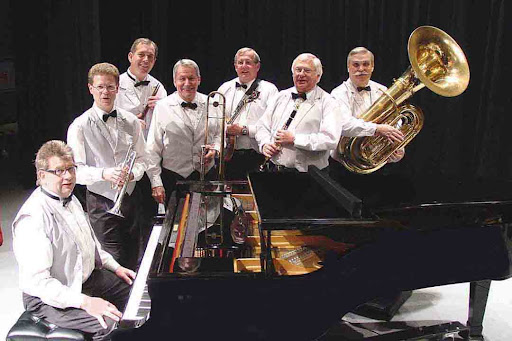
The Red Onion Jazz Babies
The Red Onion Jazz Babies 并不是一个长久存在的巡演乐队,而是由 Gennett 唱片公司 在 1924 年至 1925 年间专门为录音而组建的一个“全明星”临时小组。
-
活跃年份:1924年11月 – 1925年1月(主要录音期)
-
录音地点:纽约
-
风格:早期新奥尔良爵士 / 芝加哥时期小型合奏
核心成员:众星捧月
这支乐队的核心灵魂是 莉尔·哈丁·阿姆斯特朗 (Lil Hardin Armstrong),她不仅是钢琴手,也是当时路易斯·阿姆斯特朗的妻子。
-
路易斯·阿姆斯特朗 (Louis Armstrong):短号(Cornet)。当时他刚离开芝加哥的奥利弗国王乐队,正处于从集体即兴向个人英雄主义转型的关键期。
-
西德尼·贝谢 (Sidney Bechet):单簧管 / 高音萨克斯。爵士乐史上第一位伟大的木管乐器演奏家。
-
莉尔·哈丁 (Lil Hardin):钢琴。她是乐队的组织者和作曲者之一。
-
其他成员:包括长号手 Charlie Irvis,以及经常配合的班卓琴手 Buddy Christian。
艺术价值:火星撞地球
这支乐队最被乐评人津津乐道的,是 路易斯与贝谢的“双雄会”。
在 1920 年代的爵士乐中,合奏通常遵循严格的声部分配,但路易斯和贝谢都是极具侵略性的天才。在《Cake Walking Babies from Home》等曲目中,你可以听到两人之间那种充满火药味的对位即兴。路易斯的小号高亢嘹亮,贝谢的高音萨克斯则以狂野的颤音和宽广的音域回应,这种竞争感极大地推动了爵士乐从“合奏”向“独奏”进化的进程。
经典曲目推荐
如果你要为网站整理试听清单,以下五首是他们的核心作品(均录制于 1924-1925 年):
-
《Cake Walking Babies from Home》:最著名的曲目,路易斯与贝谢火拼的经典。
-
《Terrible Blues》:展现了早期蓝调在爵士乐中的深沉根源。
-
《Santa Claus Blues》:极具时代色彩的轻松曲调。
-
《Everybody Loves My Baby》:莉尔·哈丁的钢琴与路易斯的短号配合默契。
-
《Texas Moaner Blues》。
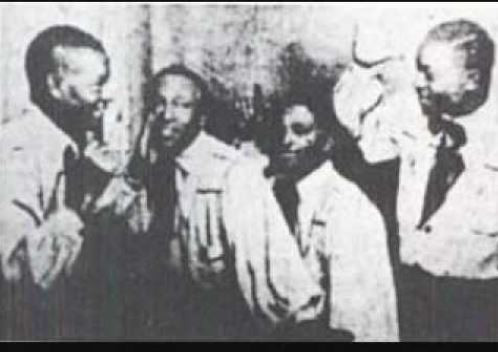
Norfolk Jazz Quartette
Biography
The vocal harmony group the Norfolk Quartette released dozens of records between 1921 and 1940, primarily labeled as the Norfolk Jubilee Quartette.
The Jazz Quartette name was used when the group recorded non-religious material. Founded by bass singer Len Williams and baritone Delroy Hollins, the Norfolks were performing in public as early as 1919 with Otto Tuston and James "Buddy" Butts singing tenor. Hollins acted as manager for the quartet and rehearsed them at home in his living room. During the early '20s they were mainly a vaudeville unit specializing in blues and jazz but also capable of singing gospel. From the get-go their signature sound was shaped by Len Williams, who anchored each song with scat-like rhythmic patterns in the bass clef which were strongly influenced by the jazz music of the day. The Norfolks cut their first records for Okeh in 1921 and appeared in a variety show starring vocalist Mamie Smith in Baltimore during the spring of the following year. They spent much of that summer with the Miller & Lyles musical revue The Flat Below, but were forced to withdraw after Butts was fatally attacked on August 19, 1922 by an enraged knife-wielding girlfriend.
Also known as: Norfolk Jazz, Norfolk Jazz Quartet, The Norfolk Jazz Quartet, The Norfolk Jazz Quartette
Links:
- http://www.redhotjazz.com/norfolk.html
- http://www.allmusic.com/artist/norfolk-jazz-jubilee-quartet-mn0000455381
- https://itunes.apple.com/us/album/norfolk-jazz-and-jubilee-quartet-vol-1-1921-1923/id76927871
- https://de.wikipedia.org/wiki/Norfolk_Jazz_%26_Jubilee_Quartet
请补充中文详细介绍和中文乐评
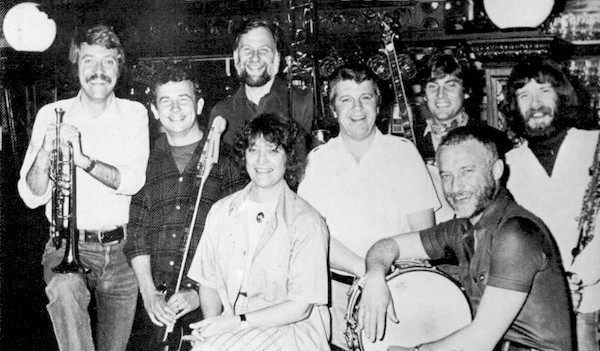
Jazz Doctors
Biography
Swedish Dixieland jazz band founded 1960.
Members: Gösta Linderholm, Marie Johnson, Bo Juhlin, Gunnar Larsson, Göran Pettersson, Hans Pettersson, Staffan Kjellmor, Holger Gross, Eddie Andersson, Gunnar Reichman, Benny Rigman, Lars Johnson, Bernt Helsing, Tommy Jacobsson, Sten Westling (2), Pelle Höbinger, Lars Jelder, Uno Karlén
Links:
请补充中文详细介绍和中文乐评
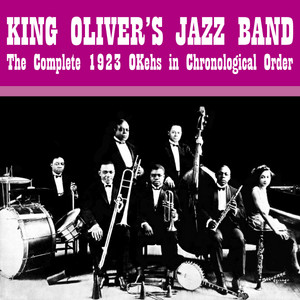
King Oliver's Jazz Band
1. 出生与逝世日期 1881年5月11日 – 1938年4月10日
2. 中文介绍
King Oliver(原名 Joseph Nathan Oliver)是爵士乐初创时期的关键导师,也是新奥尔良爵士乐(New Orleans Jazz)最伟大的旗手。作为 Louis Armstrong 的精神导师与恩师,他不仅确立了短号(Cornet)在早期爵士乐中的核心地位,更通过他对弱音器的创新使用,赋予了铜管乐器如人类般“说话”的能力。
新奥尔良的小号之王 (1900s–1917)
在爵士乐的摇篮新奥尔良,King Oliver 凭借其威猛的音色和绝对的领导力,继承了从 Buddy Bolden 传下来的“国王”(King)称号。他活跃在传奇的 Storyville 区,指挥着当时最顶尖的行进乐队和舞演乐团。他的演奏不仅是力量的象征,更是节奏与蓝调色彩的完美结合。
芝加哥盛世与“克里奥尔爵士乐团” (1918–1924)
1918年,随着大迁徙的浪潮,Oliver 前往芝加哥,并组建了著名的 King Oliver’s Creole Jazz Band。1922年,他写信给远在新奥尔良的徒弟 Louis Armstrong,邀请他加入乐团。两人在芝加哥形成的“双短号”对位(Cornet Duets)成了爵士乐史上的神话。他们录制的《Dippermouth Blues》等曲目,成为了新奥尔良集体即兴风格的巅峰录音,定义了早期爵士乐的审美标准。
晚年的悲剧与落幕 (1925–1938)
随着摇摆大乐团(Swing Era)的兴起,Oliver 那种强调集体即兴的风格逐渐显得“过时”。由于他性格固执,错过了多次商业良机(包括拒绝了后来让 Duke Ellington 成名的 Cotton Club 驻演邀请)。更不幸的是,严重的牙周病让他失去了演奏小号所必须的口型控制。他晚年在乔治亚州经营一家水果摊,甚至沦为台球厅的清洁工。1938年,这位曾经的爵士乐之王在贫困与寂寞中去世。
3. 乐评人专栏:被遗忘的“造物主”
作为乐评人,看 King Oliver 不能只看他的录音,更要看他为整个流派设定的基因代码。
-
弱音器的魔术师:他是第一个把杯状弱音器、玻璃杯甚至浴缸塞子塞进号口的人。通过改变气流,他让短号发出了“哇哇”(Wa-wa)的哭笑声。这种“拟人化”的演奏方式,让爵士乐彻底脱离了欧洲古典铜管乐的刻板,注入了黑人灵歌的灵魂。
-
甘为人梯的胸怀:如果没有 Oliver 的提携,Louis Armstrong 可能只是新奥尔良码头的一个普通乐手。他在芝加哥给予了徒弟最大的展示空间,甚至在双小号对位中甘愿担任支撑性的二号位。这种艺术上的慷慨,促成了爵士乐从“集体即兴”向“个人英雄主义”的跨越。
-
悲剧性的纯粹:Oliver 的晚年是爵士乐史上最令人心碎的篇章。他是一个拒绝向商业潮流妥协的古板匠人。当你听他那些略显陈旧的录音时,请记住,那是爵士乐最原始、最纯净的泥土气息,没有后来的修饰,只有最诚实的摇摆。
核心总结: King Oliver 是爵士乐的圣施洗约翰。他开辟了道路,并在约旦河中为后来的天才们“洗礼”。他是那个亲手将火焰传递下去,自己却在黑暗中慢慢熄灭的人。
乐评人私语: 听《Dippermouth Blues》时,留意那个标志性的“Oh, play it!”呐喊。那是爵士乐初创时的生命力。King Oliver 虽没赶上最好的时代,但没有他,我们就没有后来的整个爵士盛世。
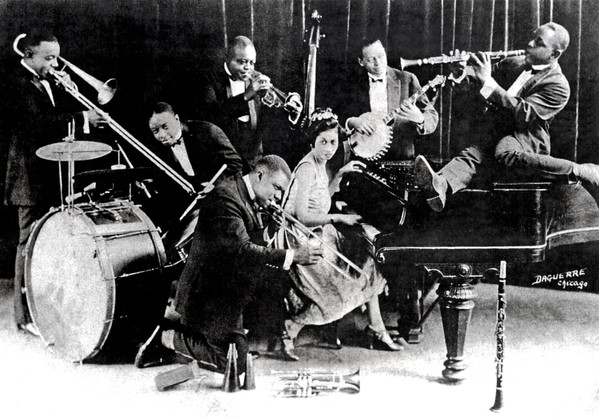
King Oliver's Creole Jazz Band
1. 出生与逝世日期 1881年5月11日 – 1938年4月10日
2. 中文介绍
King Oliver(原名 Joseph Nathan Oliver)是爵士乐初创时期的关键导师,也是新奥尔良爵士乐(New Orleans Jazz)最伟大的旗手。作为 Louis Armstrong 的精神导师与恩师,他不仅确立了短号(Cornet)在早期爵士乐中的核心地位,更通过他对弱音器的创新使用,赋予了铜管乐器如人类般“说话”的能力。
新奥尔良的小号之王 (1900s–1917)
在爵士乐的摇篮新奥尔良,King Oliver 凭借其威猛的音色和绝对的领导力,继承了从 Buddy Bolden 传下来的“国王”(King)称号。他活跃在传奇的 Storyville 区,指挥着当时最顶尖的行进乐队和舞演乐团。他的演奏不仅是力量的象征,更是节奏与蓝调色彩的完美结合。
芝加哥盛世与“克里奥尔爵士乐团” (1918–1924)
1918年,随着大迁徙的浪潮,Oliver 前往芝加哥,并组建了著名的 King Oliver’s Creole Jazz Band。1922年,他写信给远在新奥尔良的徒弟 Louis Armstrong,邀请他加入乐团。两人在芝加哥形成的“双短号”对位(Cornet Duets)成了爵士乐史上的神话。他们录制的《Dippermouth Blues》等曲目,成为了新奥尔良集体即兴风格的巅峰录音,定义了早期爵士乐的审美标准。
晚年的悲剧与落幕 (1925–1938)
随着摇摆大乐团(Swing Era)的兴起,Oliver 那种强调集体即兴的风格逐渐显得“过时”。由于他性格固执,错过了多次商业良机(包括拒绝了后来让 Duke Ellington 成名的 Cotton Club 驻演邀请)。更不幸的是,严重的牙周病让他失去了演奏小号所必须的口型控制。他晚年在乔治亚州经营一家水果摊,甚至沦为台球厅的清洁工。1938年,这位曾经的爵士乐之王在贫困与寂寞中去世。
3. 乐评人专栏:被遗忘的“造物主”
作为乐评人,看 King Oliver 不能只看他的录音,更要看他为整个流派设定的基因代码。
-
弱音器的魔术师:他是第一个把杯状弱音器、玻璃杯甚至浴缸塞子塞进号口的人。通过改变气流,他让短号发出了“哇哇”(Wa-wa)的哭笑声。这种“拟人化”的演奏方式,让爵士乐彻底脱离了欧洲古典铜管乐的刻板,注入了黑人灵歌的灵魂。
-
甘为人梯的胸怀:如果没有 Oliver 的提携,Louis Armstrong 可能只是新奥尔良码头的一个普通乐手。他在芝加哥给予了徒弟最大的展示空间,甚至在双小号对位中甘愿担任支撑性的二号位。这种艺术上的慷慨,促成了爵士乐从“集体即兴”向“个人英雄主义”的跨越。
-
悲剧性的纯粹:Oliver 的晚年是爵士乐史上最令人心碎的篇章。他是一个拒绝向商业潮流妥协的古板匠人。当你听他那些略显陈旧的录音时,请记住,那是爵士乐最原始、最纯净的泥土气息,没有后来的修饰,只有最诚实的摇摆。
核心总结: King Oliver 是爵士乐的圣施洗约翰。他开辟了道路,并在约旦河中为后来的天才们“洗礼”。他是那个亲手将火焰传递下去,自己却在黑暗中慢慢熄灭的人。
乐评人私语: 听《Dippermouth Blues》时,留意那个标志性的“Oh, play it!”呐喊。那是爵士乐初创时的生命力。King Oliver 虽没赶上最好的时代,但没有他,我们就没有后来的整个爵士盛世。
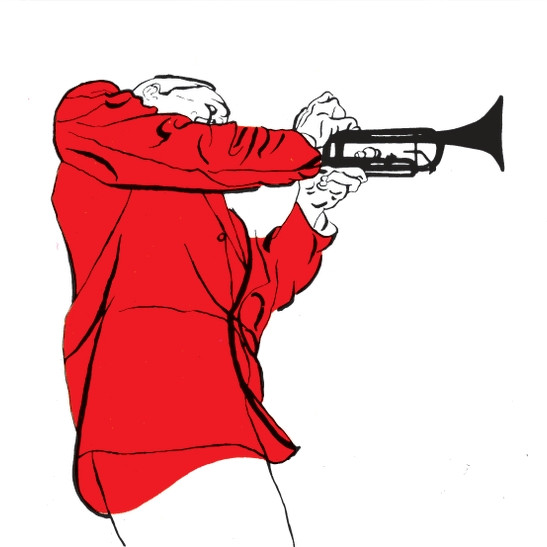
Jazz At The Philharmonic
Biography
Jazz At The Philharmonic is a trademark used by jazz entrepreneur and label owner [a=Norman Granz].
Please note: When used as a banner for the ever-changing jam session groups in his touring events or on records, Jazz At The Philharmonic can be used as main artist. But only when Jazz At The Philharmonic is billed on the release in the main artist's place - and when no other obvious main artist is billed on the release or promoted on cover and labels.
Norman Granz's Jazz at the Philharmonic releases do not follow a usual industry pattern for naming and crediting:
All JATP releases with the name and/or logo on them should be listed under the [l=Norman Granz Presents Jazz At The Philharmonic] series, even when Jazz At The Philharmonic is used as main artist. The shorter Jazz At The Philharmonic or any other variation of JatP ahould never be listed as a label, but instead as a series, with the relevant label in brackets afterward if necessary - such as [l=Norman Granz Presents Jazz At The Philharmonic (Verve)].
Company: In the 50's with the Inc. extension, the entity was also a company; [l=Jazz At The Philharmonic, Inc.]
Office: 451 N Canon Dr, Beverly Hills, CA
Also known as: J.A.T.P., J.A.T.P. All Stars, J.A.T.P. All-Stars, JATP, JATP All Stars, JATP All-Stars, Jazz All Stars, Jazz At The Philharmonic All Stars, Jazz At The Philharmonic All-Stars, Jazz At The Philharmonic Concert, Jazz At The Philharmonic Vol. 5, Jazz at the Philharmonic All-Stars, Norman Grantz' Jazz At The Philharmonic, Norman Granz "Jazz At The Philharmonic", Norman Granz Jazz, Norman Granz Jazz At The Philharmonic, Norman Granz' J.A.T.P., Norman Granz' Jazz At The Philharmonic, Norman Granz' Jazz At The Philharmonic Vol. #1, The All Stars, The JATP ALL-STARS, The JATP All Stars, The JATP's, The JATPs, The Jazz All Stars, The Jazz At The Philharmonic All-Stars
请补充中文详细介绍和中文乐评
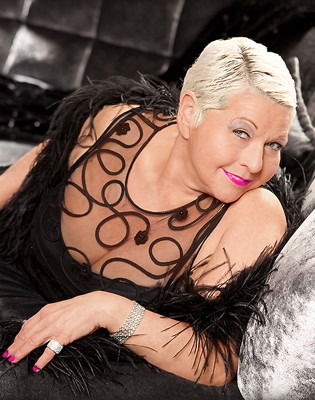
Jazz Gitti
Biography
*13 May 1946 in Vienna, Austria
Jazz Gitti is an Austrian Schlager singer whose recording career spans several decades, beginning in the 1980s and peaking in popularity during the early '90s, when she fronted the band [a1576148]. Born Martha Bohdal on May 13, 1946, in Vienna, Austria, she made her recording debut in 1984 with the 7" single "[r=3020536]" on the label Sing Sang. However, her career didn't take flight until 1990 with the release of her chart-topping full-length album debut, [m=329472]. Billed to [a1576148], the album spawned the number three smash hit single "[r=3037584]".
Subsequent albums [m=357229] (1991), [m=3295714] (1993), [m=2113675] (1995), and [m=2113672] (1996) were fairly popular, reaching the Top 20 or so, but none could rival the success of [m=329472], and none spawned a smash hit single as big as "[r=3037584]". While Jazz Gitti was steadily active in the years that followed, releasing the albums [r=5247310] (1998), [r=24200336] (2001), Es Geht Immer Bergauf (2003), and [r=2837375] (2004), her popularity declined considerably. Not until she moved to the Rebeat label for the release of [r=2838791] in 2006 did she score a major hit. A pair of similarly successful Top Ten albums, [r=2837457] (2007), [r=2837441] (2009) and [r=2837411] (2011) followed.
Also known as: Jazz-Gitti
Links:
请补充中文详细介绍和中文乐评
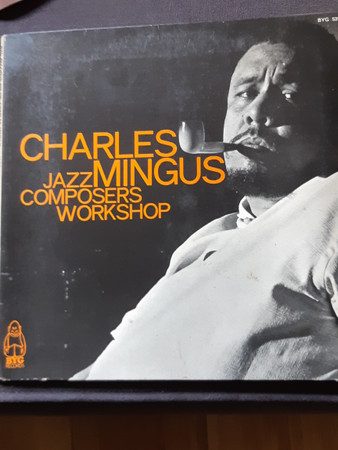
Charles Mingus Jazz Workshop
Also known as: Charles Mingus & The Jazz Workshop All Stars, Charles Mingus And His Jazz Composers Workshop, Charles Mingus' Jazz Workshop, Charlie Mingus Et Son Jazz Workshop, Charlie Mingus Jazz Workshop, J.W.I. : Jazz Workshop Inc., Jazz Workshop, The Charles Mingus Jazz Worksho, The Charles Mingus Jazz Workshop, The Charlie Mingus Jazz Workshop, The Charlie Mingus Jazz Worshop, チャーリー・ミンガス
Members: Richard Williams, Jackie McLean, Eric Dolphy, Yusef Lateef, Charles Mingus, Roland Kirk, Kenny Clarke, Teo Macero, J.J. Johnson, Don Butterfield, Dannie Richmond, Jaki Byard, Booker Ervin, Willie Dennis, Horace Parlan, Jimmy Knepper, Paul Bley, Doug Watkins, Johnny Coles, Ted Curson, Henry Grimes, Mal Waldron, Art Taylor, Pepper Adams, Bennie Green, Clifford Jordan, Kai Winding, John Lewis (2), Thad Jones, Britt Woodman, J.R. Monterose, Willie Jones, George Barrow, Bill Hardman, Charles McPherson, Herman Wright, Curtis Porter, John Laporta, Toshiko Akiyoshi, Clarence Shaw, Bob Hammer, Ed Armour, Jackson Wiley, Clem De Rosa, Nico Bunink, Wally Cirillo, Rudy Nichols
请补充中文详细介绍和中文乐评
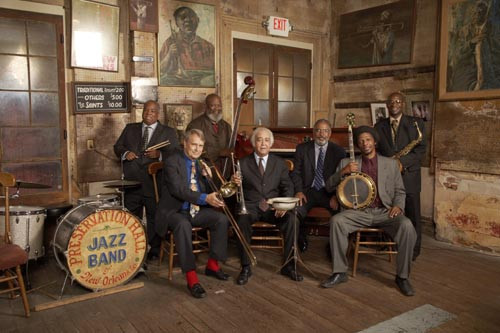
Preservation Hall Jazz Band
Biography
The Preservation Hall Jazz Band derives its name from [l=Preservation Hall], the venerable music venue located in the heart of New Orleans’ French Quarter, founded in 1961 by Allan and Sandra Jaffe. The band has traveled worldwide spreading their mission to nurture and perpetuate the art form of New Orleans Jazz.
The Preservation Hall Jazz Band is:
• Mark Braud - trumpet, vocals
• Charlie Gabriel - clarinet, vocals
• Freddie Lonzo - trombone
• Rickie Monie - piano
• Clint Maedgen - tenor saxophone, vocals
• Ben Jaffe - Creative Director, tuba
• Ronell Johnson - tuba
• Joe Lastie, Jr. - drums
Other members sometimes include:
• Frank Demond - trombone
• Shannon Powell - percussion
• Leroy Jones - trumpet
• Carl LeBlanc - banjo
• Darryl Adams - saxophone
• Elliot "Stackman" Callier - saxophone
• David Silverman - tuba
Also known as: Full Band, New Orleans' Sweet Emma And Her Preservation Hall Jazz Band, Preservation Hall, Preservation Hall Band, Preservation Hall Horns, The Preservation Hall Band, The Preservation Hall Horns, The Preservation Hall Jazz Band
Members: Leroy Jones, Rickie Monie, Emma Barrett, George Lewis (2), Freddie Lonzo, Dr. Michael White, Willie Humphrey, Walter Payton, Lester Caliste, Carl LeBlanc, Jim Robinson (2), Alcide (Slow Drag) Pavageau, Craig Klein, Shannon Powell, Ralph Johnson (2), Thaddeus Richard, Lucien Barbarin, Ronell Johnson, Darryl Adams (3), Chester Zardis, Don Vappie, Clint Maedgen, Emanuel Sayles, Josiah "Cie" Frazier, Percy Humphrey, Narvin Kimball, Sing Miller, Mark Braud, Joe Lastie, Jr., Charlie Gabriel, Allan Jaffe (2), Wendell Brunious, Jacques Gauthé, Ernie Elly, Maynard Chatters, Ben Jaffe (3), Frank Parker (4), John Brunious (2), David Grillier, Kyle Roussel, Kerry "Fatman" Hunter, Walter Harris (6), Klint Maedgen
Links:
- https://www.preservationhall.com/
- https://www.facebook.com/PreservationHall/
- https://www.youtube.com/user/preservationhall
- https://twitter.com/PresHall
- https://www.allmusic.com/artist/preservation-hall-jazz-band-mn0000358532
- https://en.wikipedia.org/wiki/Preservation_Hall_Jazz_Band
请补充中文详细介绍和中文乐评
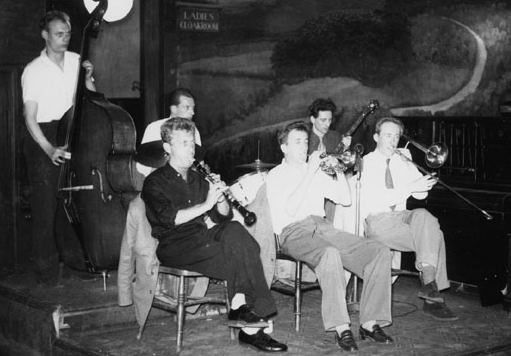
Chris Barber's Jazz Band
Biography
In 1954 the members of [a941219] split from Ken Colyer and became Chris Barber's Jazz Band. They have been one of Europe's most successful traditional jazz bands ever since.
Over the years, Chris Barber's Jazz Band evolved into [a271498], an eight-piece group, mixing the styles of blues and jazz. The demarcation of this transition is March 1973.
At the end of 2001 Chris extended his band with three more musicians into The Big Chris Barber Band.
[B]Note:[/B] Due to the complex nature of this bands history, please add all recordings prior to March 1973 to this page, variants of the Band name may include Chris Barber & His Band / Chris Barber's Travelling Band / Chris Barber's Jazz Band with Ottilie Patterson.
Also known as: Barber, Barber Jazz Band, Barber Jazz band, Barber's New Orleans Jazzband, Ch. Barber's Jazz Band, Chreis Barber's Jazz Band, Chris Babers Jazz Band, Chris Barber, Chris Barber And His Jazz Band, Chris Barber & Band, Chris Barber & His Band, Chris Barber & His Jazz Ban, Chris Barber & His Jazz Band, Chris Barber & His Jazzband, Chris Barber + Band, Chris Barber And His Band, Chris Barber And His Jazz Band, Chris Barber And His Jazzband, Chris Barber And His New Orleans Jazz Band, Chris Barber Band, Chris Barber Jazz Band, Chris Barber Jazzband, Chris Barber Mit Ensemble, Chris Barber Se Svým Orchestrem, Chris Barber Und Seine Jazzband, Chris Barber Y Su Conjunto, Chris Barber and his Jazz Band, Chris Barber mit Ensemble, Chris Barber y Su Banda de Jazz, Chris Barber's & His Jazz Band, Chris Barber's American Jazz Band, Chris Barber's Band, Chris Barber's Jazz & Blues Band, Chris Barber's Jazz Band And Singers, Chris Barber's Jazz and Blues Band, Chris Barber's Jazzband, Chris Barber's Jazzband Of 1954, Chris Barber's Jazzmen, Chris Barber's New Orleans Jazz Band, Chris Barbers Jazz Band, Chris Barbers Jazzband, Chris Barber´s Jazz Band, Ensemble, His Jazz Band, The Big Chris Barber Band, The Chris Barber And His Jazz Band, The Chris Barber Band, The Chris Barber Jazz Band, The Chris Barber Jazz-Band, The Chris Barber's Jazzband, Крис Барбер И Его Диксиленд
Members: Pat Halcox, Ron Bowden, John Crocker, Ian Wheeler, Chris Barber, John Slaughter, Lonnie Donegan, Monty Sunshine, Jim Bray, Eddie Smith (2), Graham Burbidge, Dick Smith (2), Steve Hammond (2), Stu Morrison, Jackie Flavelle, Ottilie Patterson, Dick Bishop, Micky Ashman, Alex Revell
Links:
请补充中文详细介绍和中文乐评
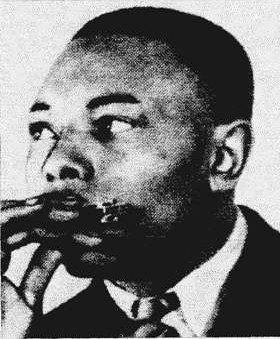
Jazz Gillum
Biography
Blues singer and harmonica player, active from 1923 until 1961.
Born: September 11, 1904 in Indianola, Mississippi
Died: March 29, 1966 in Chicago, Illinois
Gillum ran away from home at age seven and for the next few years worked and played for tips on street corners. In 1923, he moved to Chicago, where he met the guitarist [a=Big Bill Broonzy]. The duo started working at nightclubs around the city. By 1934 Gillum was recording for ARC Records and [l=Bluebird Records].
His recordings, under his own name and as a sideman, were included on many of the highly popular "Bluebird beat" recordings produced by [a=Lester Melrose] in the 1930s and 1940s. In 1940, he was the first to record the blues classic "Key to the Highway" (featuring Broonzy on guitar), utilizing the now-standard melody and eight-bar blues arrangement. He joined the United States Army in 1942 and served until 1945. His last recordings were on a couple of 1961 albums with [a=Memphis Slim] and the singer and guitarist [a=Arbee Stidham], for [l=Folkways Records].
On March 29, 1966, Gillum was shot in the head during a street argument and was pronounced dead on arrival at Garfield Park Hospital, in Chicago.
Also known as: "Jazz" Gillum, Bill "Jazz" Gillum, Bill 'Jazz' Gillum, Bill Gillum, Bill Jazz Gillum, Gillum, Gillum/McKinley, J. Gilham, J. Gillum, Jazz Gilham, Jazz Gillam, W. Gillum, W. M. Gillum, William "Jazz" Gillum, William Gillum, Wm. Gillum
Links:
- https://en.wikipedia.org/wiki/Jazz_Gillum
- https://www.allaboutbluesmusic.com/jazz-gillum/
- https://adp.library.ucsb.edu/names/110404
请补充中文详细介绍和中文乐评