
Soul Jazz: Style Guide and Listening Recommendations
A rich sound and strong groove shaped by blues, gospel, and rhythm and blues.
Origins and Development
Soul jazz developed during the 1950s and 1960s, closely connected to hard bop, blues, gospel, and rhythm and blues. It often draws listeners in with memorable melodies and a steady groove while retaining the exchanges between jazz soloists and the ensemble.
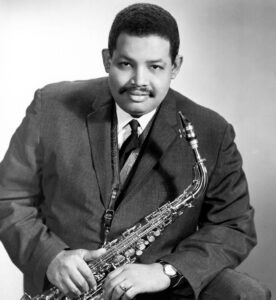
Musical Characteristics
The Hammond organ trio is a common format: organ, drums, and guitar or saxophone create a full sound. The organist may handle bass lines, chords, and solos; other groups use piano, brass, bass, and drums instead.
How It Relates to Nearby Styles
Soul jazz and hard bop often overlap, and a recording may share features of both. Rather than focusing only on complex chords, listen for blues melodies, repeated rhythms, gospel-like responses, and the groove created by the ensemble.
Where to Start Listening
Start with Jimmy Smith’s “Back at the Chicken Shack,” Cannonball Adderley’s “Mercy, Mercy, Mercy!,” and selected recordings by Horace Silver. Hear how the organ’s bass line works with the drums, then follow how soloists build around the groove.
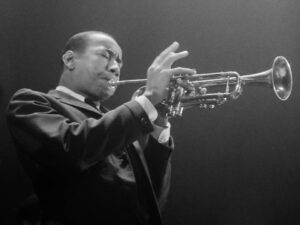
A Closer Look and What to Listen For
Soul jazz is closely linked to hard bop and draws on gospel, blues, and rhythm and blues. Common in small groups and club performances, it connects with listeners through memorable themes, repeated grooves, and lyrical improvisation.
Organ, saxophone, and guitar are common but not essential. Listen first to how the organ provides both bass and harmony, then hear how the drummer and soloists vary a shared rhythmic pattern. Even with few chord changes, timbre, accents, and exchanges can create rich layers.
Essential Recordings and Listening Recommendations
Jimmy Smith — Back at the Chicken Shack
Listen to the conversation between Hammond organ bass lines, chords, and saxophone.
Cannonball Adderley — Mercy, Mercy, Mercy!
Hear the gospel-tinged melodies and the atmosphere of a live audience.
Lou Donaldson — Alligator Bogaloo
Notice how saxophone melodies, organ, and the steady groove work together.
Frequently Asked Questions
Is soul jazz the same as soul music?
Both are connected to African American musical traditions and have influenced one another. Soul jazz usually retains a central role for jazz small-group playing and improvisation.
Does soul jazz always use organ?
No. Hammond organ is a common sound, but groups with piano, saxophone, guitar, and other instruments are also part of soul jazz.
Explore Further
Further reading: Culture.ac.cn: An Overview of Jazz Styles. Style boundaries and representative figures vary by source and perspective.