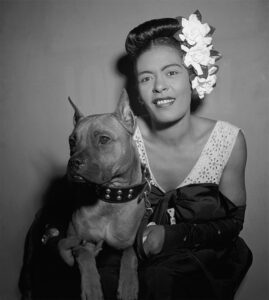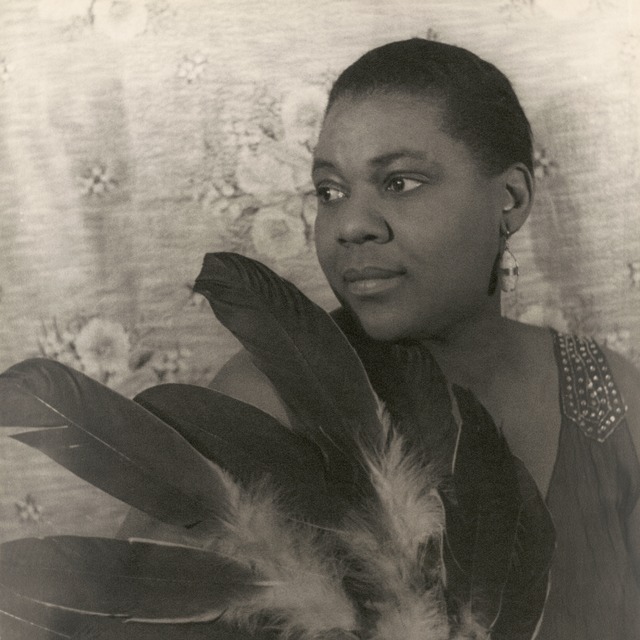

Bessie Smith was born in Chattanooga, Tennessee, on April 15, 1894, and died in a car crash near Clarksdale, Mississippi, on September 26, 1937. She was the third of seven children. Her father was a Baptist minister; her mother supported the family by taking in laundry and odd jobs. Both parents died when Smith was young, and her older sister raised her. From the age of eight or nine, she and her brother Andrew sang on the streets of Chattanooga for spare change. She had no formal vocal training; the richness of her voice and clarity of her diction were honed in church, on the street, and with touring shows.
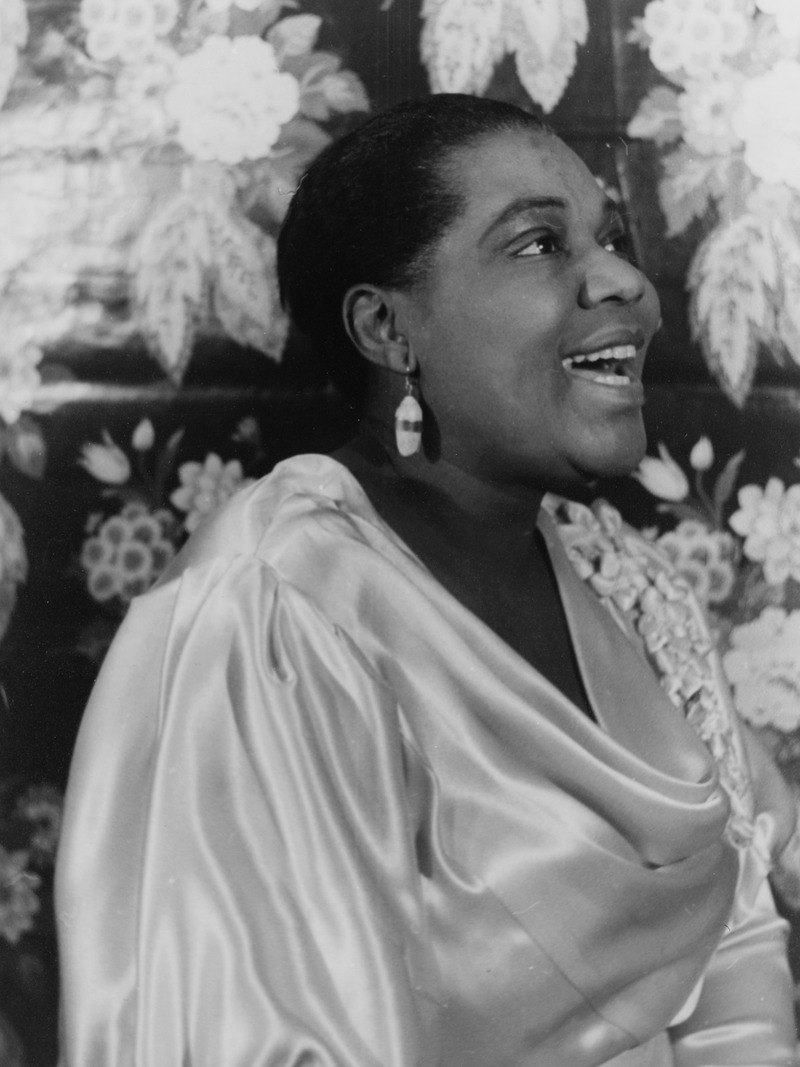
In 1912, Andrew, who had joined a vaudeville troupe as a guitarist, introduced her to Moses Stokes’s traveling show, whose star was Ma Rainey, later known as the “Mother of the Blues.” Smith sang in the chorus and danced, then spent several years building a reputation on the Black theater circuit known as TOBA, traveling through the American Southeast and performing in cities such as Atlanta, Memphis, and Philadelphia. Her stage presence was not delicate: nearly six feet tall and powerfully built, she wore her emotions openly and had a way of quieting an audience before she began to sing.
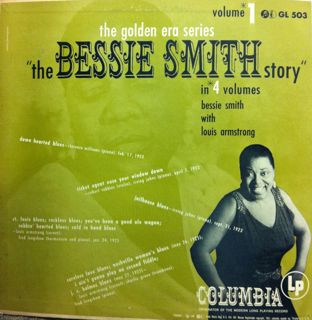
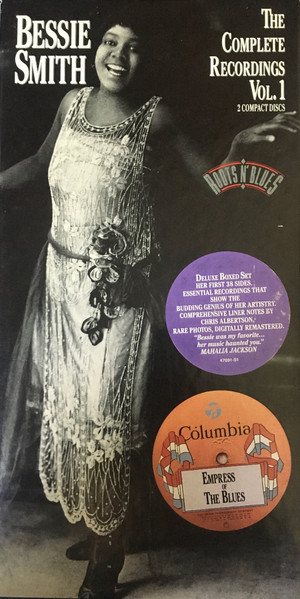
In February 1923, Smith recorded “Down Hearted Blues” and “Gulf Coast Blues” for Columbia in New York. The record sold about 780,000 copies in six months, rescuing Columbia’s struggling race-record series and making her the best-selling Black woman singer of the time. Pianist Fletcher Henderson accompanied and arranged many of her sessions; James P. Johnson, Charlie Green, and Joe Smith were frequent collaborators. Her 1925 recordings with Louis Armstrong—“St. Louis Blues,” “Reckless Blues,” and “Cold in Hand Blues”—are among jazz’s most important exchanges between voice and horn. Armstrong’s cornet answers the spaces between her phrases, turning the blues call into a two-way improvisation.
The late 1920s were Smith’s commercial peak. “Yellow Dog Blues,” “Empty Bed Blues,” and “Nobody Knows You When You’re Down and Out” became best-sellers. She was among the highest-paid Black performers of her era and traveled with an entire Pullman sleeper car. After the 1929 crash, audiences shifted toward swing and film, and Columbia dropped her in 1931. In 1933, young producer John Hammond secured her final sessions, with musicians including Buck Clayton, Benny Goodman, Chu Berry, and Jack Teagarden. “Gimme a Pigfoot” and “Take Me for a Buggy Ride” show that her voice was still in fine shape, though the records drew little attention at the time.
In the early hours of September 26, 1937, her car rear-ended a parked truck on Highway 61. Her right arm was nearly severed, and she died that day in a Clarksdale hospital at age 43. The often-repeated story that a white hospital refused to treat her is considered unreliable by later historians, but the story itself shows how her death became a metaphor for segregation. Her grave in Mount Lawn Cemetery, Pennsylvania, went unmarked for 33 years until Janis Joplin and a Philadelphia nurse paid for a headstone in 1970. Smith was inducted into the Rock and Roll Hall of Fame in the Early Influence category in 1989, and several recordings have entered the Grammy Hall of Fame. The title “Empress of the Blues” has never truly passed to anyone else.
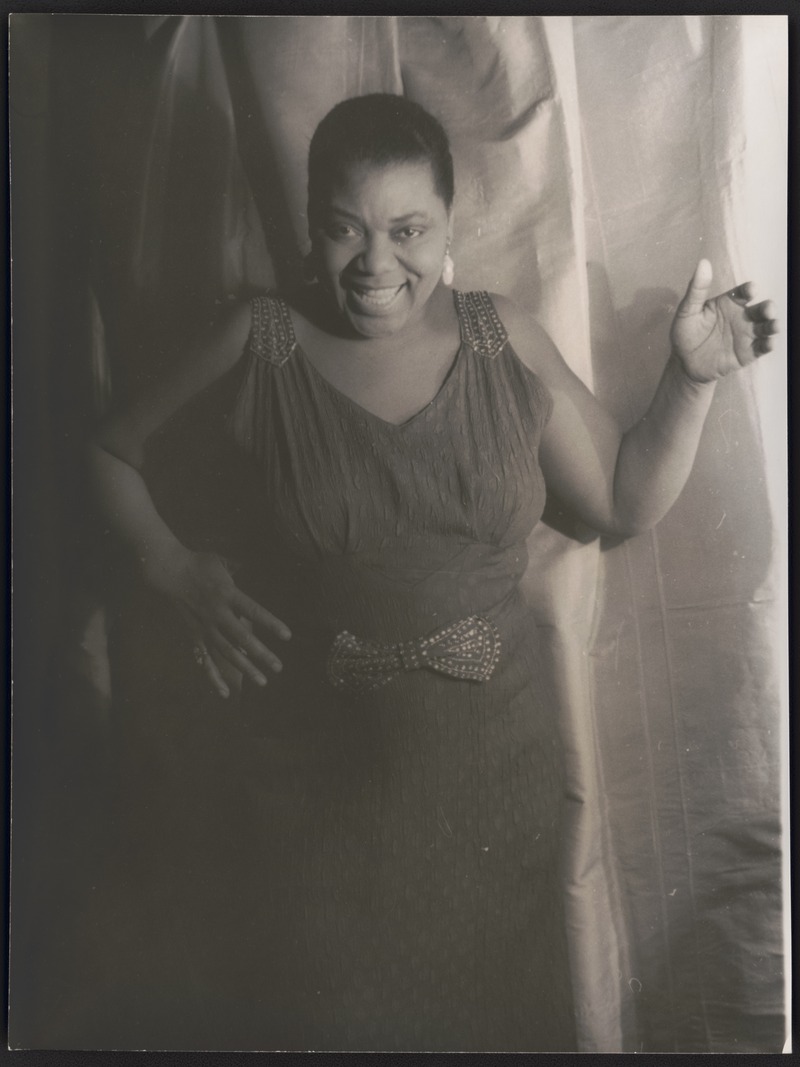
Explore 2 albums and recordings, arranged by release date.
Explore other jazz artists who share genre tags with Bessie Smith.