



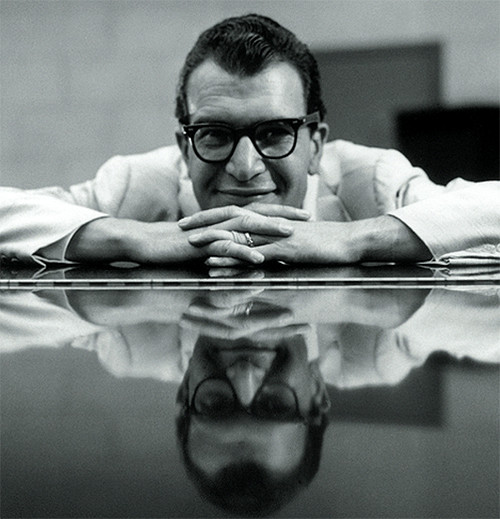
Dave Brubeck
Biography
American jazz pianist and composer. Born 6 December 1920 in Concord, California, USA, died 5 December 2012 in Norwalk, Connecticut, USA.
Younger brother of composer [a488682].
Husband of [a1006047].
Father of [a265658], [a416302], [a265660], and [a1981452].
Also known as: Brewback, Brn Beck, Brubeck, Brubeckl, Brubek, Bruberk, Brubexk, D Brubeck, D Brubeck, D-Brubeck, D. Brubeck, D.B., D.Brubeck, D: Brubeck, Dave, Dave Blubeck, Dave Brubeck Son Piano Et Ses Rythmes, Dave Brubek, Dave Burbeck, David Brubeck, David W. Brubeck, Prubeck, Брубек, Д. Брубек, Дэйв Брубек, דייב ברובק, デイブ・ブルーベック, デイヴ・ブルーベック, 戴夫布魯貝克
Links:
- https://www.davebrubeck.com/
- https://www.facebook.com/DaveBrubeckMusic/
- https://concord.com/artist/Dave-Brubeck/
- https://www.legacyrecordings.com/artists/dave-brubeck/
- https://en.wikipedia.org/wiki/Dave_Brubeck
- https://www.imdb.com/name/nm0115399/
- https://www.whosampled.com/Dave-Brubeck/
- https://adp.library.ucsb.edu/index.php/mastertalent/detail/201213/Brubeck_Dave
- https://www.allmusic.com/artist/dave-brubeck-mn0000958533

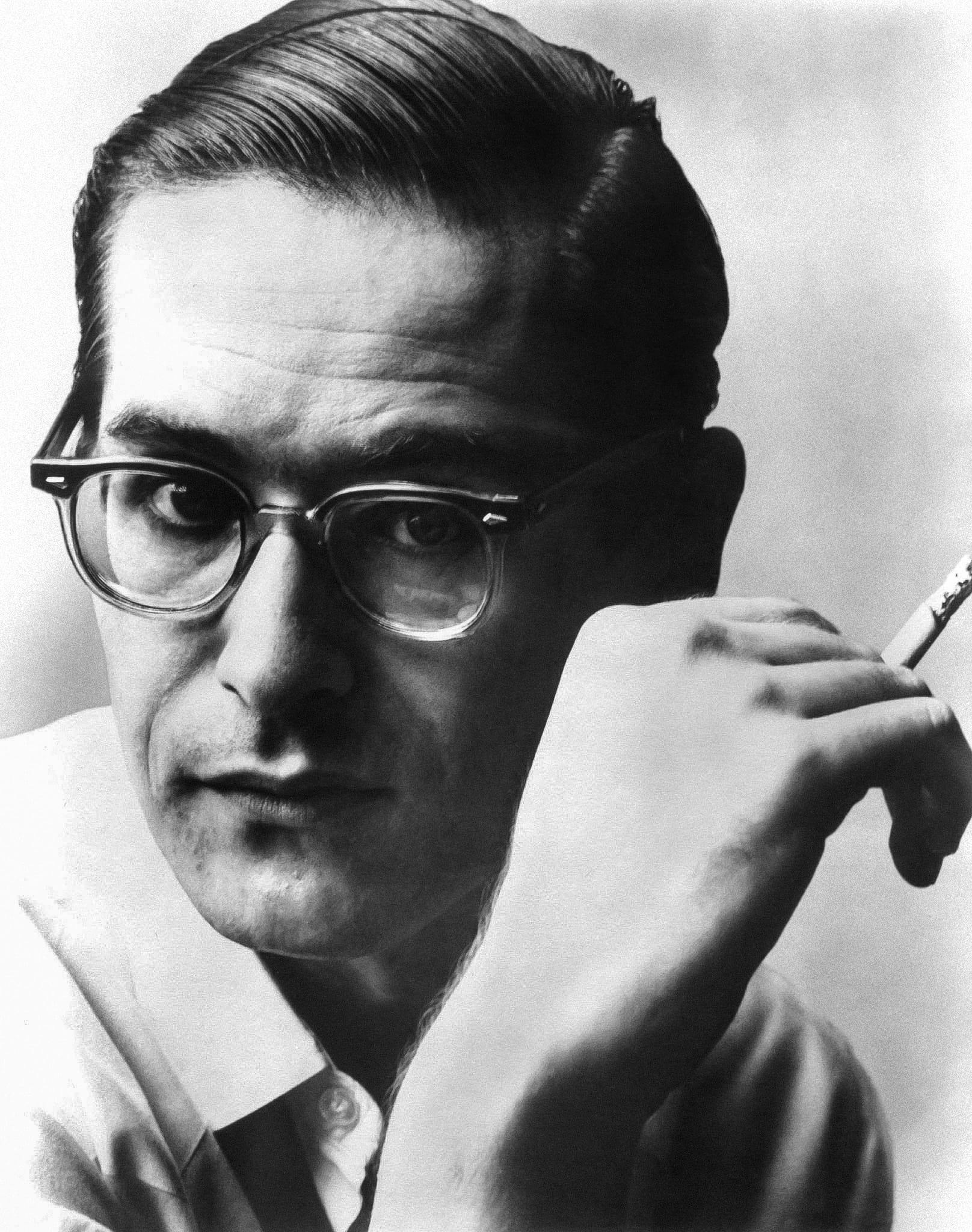
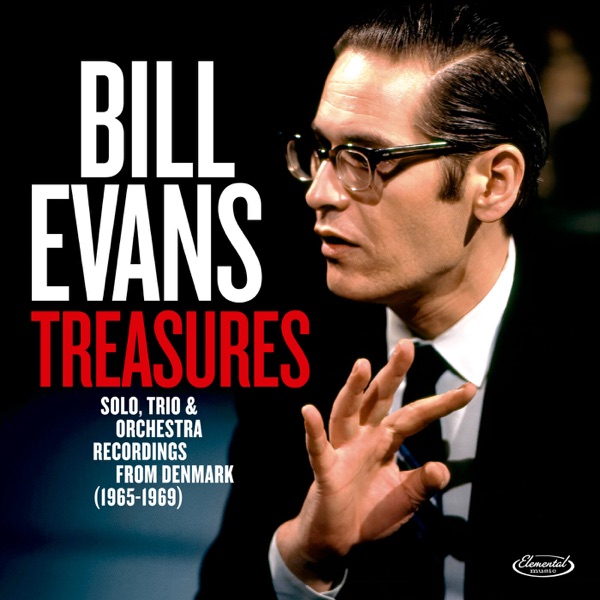
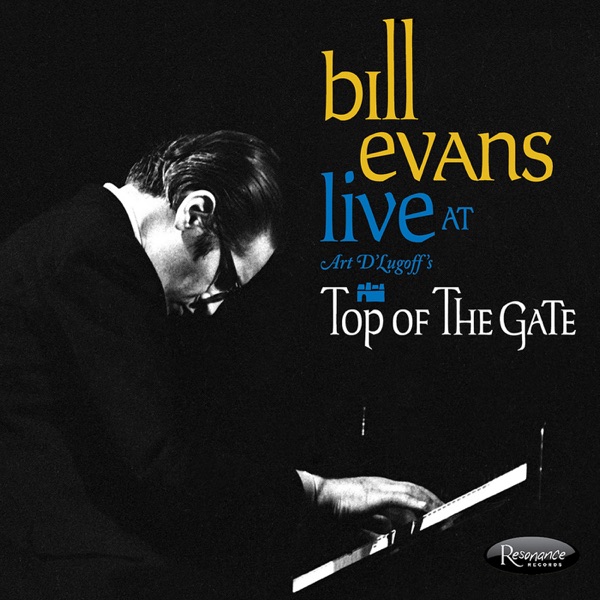
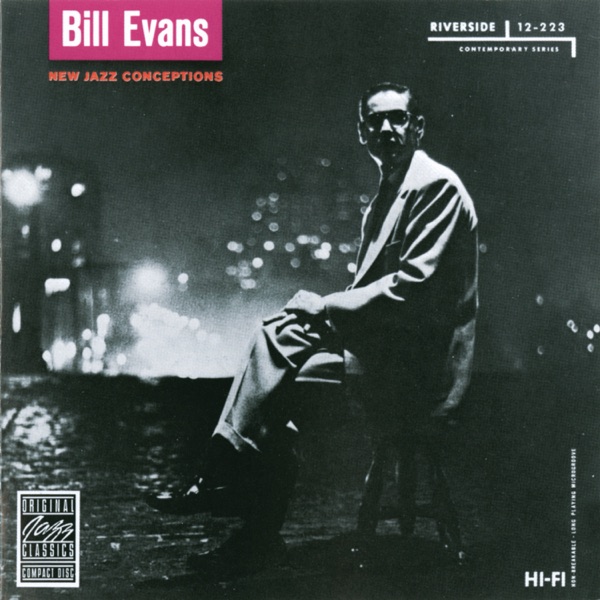
Bill Evans
🎹 The “piano poet” of jazz
Bill Evans was one of the most influential pianists in jazz history. He changed the way jazz piano was played, blending the colors of European classical music—especially the Impressionism of Debussy and Ravel—with jazz improvisation.
1. Signature Musical Qualities
-
Restraint and Poetry:Unlike the exuberance of early jazz, Evans’s playing was inward and reflective, with a light touch and richly layered sound.
-
Harmonic Innovation:His use of rootless voicings made the piano sound more open, modern, and fluid.
-
A Revolution in the Piano Trio:In his best-known “first great trio,” he overturned the old hierarchy of piano lead with bass and drums in support. The three musicians improvised as equals, in a dialogue that felt like conversation.
💿 Essential Albums
If you are just getting to know Evans, these are several widely recognized masterpieces:
| Album | Year | Notes |
| 《Kind of Blue》 | 1959 | Although this is a Miles Davis album, Evans is one of its central voices, contributing a spare, contemplative modal-jazz sensibility. |
| 《Waltz for Debby》 | 1961 | One of the best-known live recordings in jazz, made at the Village Vanguard in New York and a perfect showcase for the trio’s rapport. |
| 《Sunday at the Village Vanguard》 | 1961 | Recorded on the same evening as Waltz for Debby, it puts the talent of bass prodigy Scott LaFaro in the foreground. |
| 《Portrait in Jazz》 | 1959 | A peak of the early trio, including a distinctive reinterpretation of standards such as “Autumn Leaves.” |
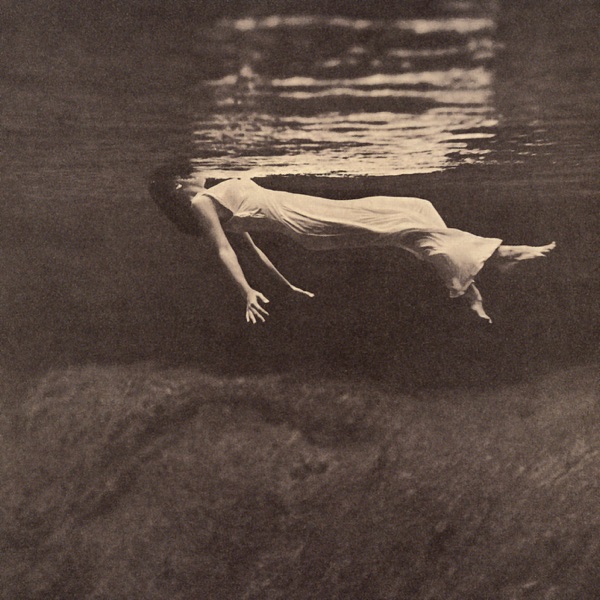
| 《Undercurrent》 | 1962 | A duet with guitarist Jim Hall: cool and clear in tone, like an intimate conversation late at night. |
🌉 A Connection with Ben Webster
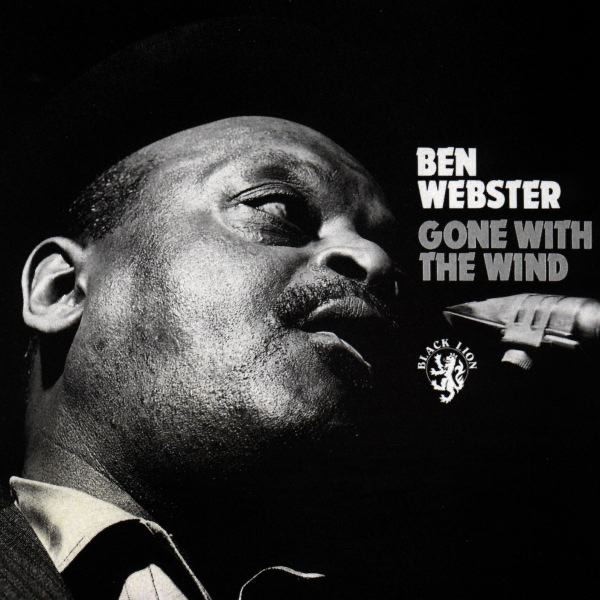
Although Evans was a pioneer of the more modern cool-jazz and modal-jazz traditions, while Ben Webster was a master of swing, both had an exceptional command ofballads.
A Small Anecdote:In 1958, Bill Evans and Ben Webster both appeared on Benny Carter’s album The Jazz Giant. On the record, Webster’s full, breathy saxophone weaves together with Evans’s precise, luminous piano—a memorable moment in jazz history.
Later Years and Legacy
Like many of his contemporaries, Evans struggled with drug addiction and the loss of loved ones. These hardships made his later music even more desolate and profound. He died in 1980; one critic described his life as “the longest suicide in history.”
Today, nearly every modern jazz pianist has been influenced by Bill Evans in some way. His music is not only jazz, but a profound meditation on solitude, love, and beauty.
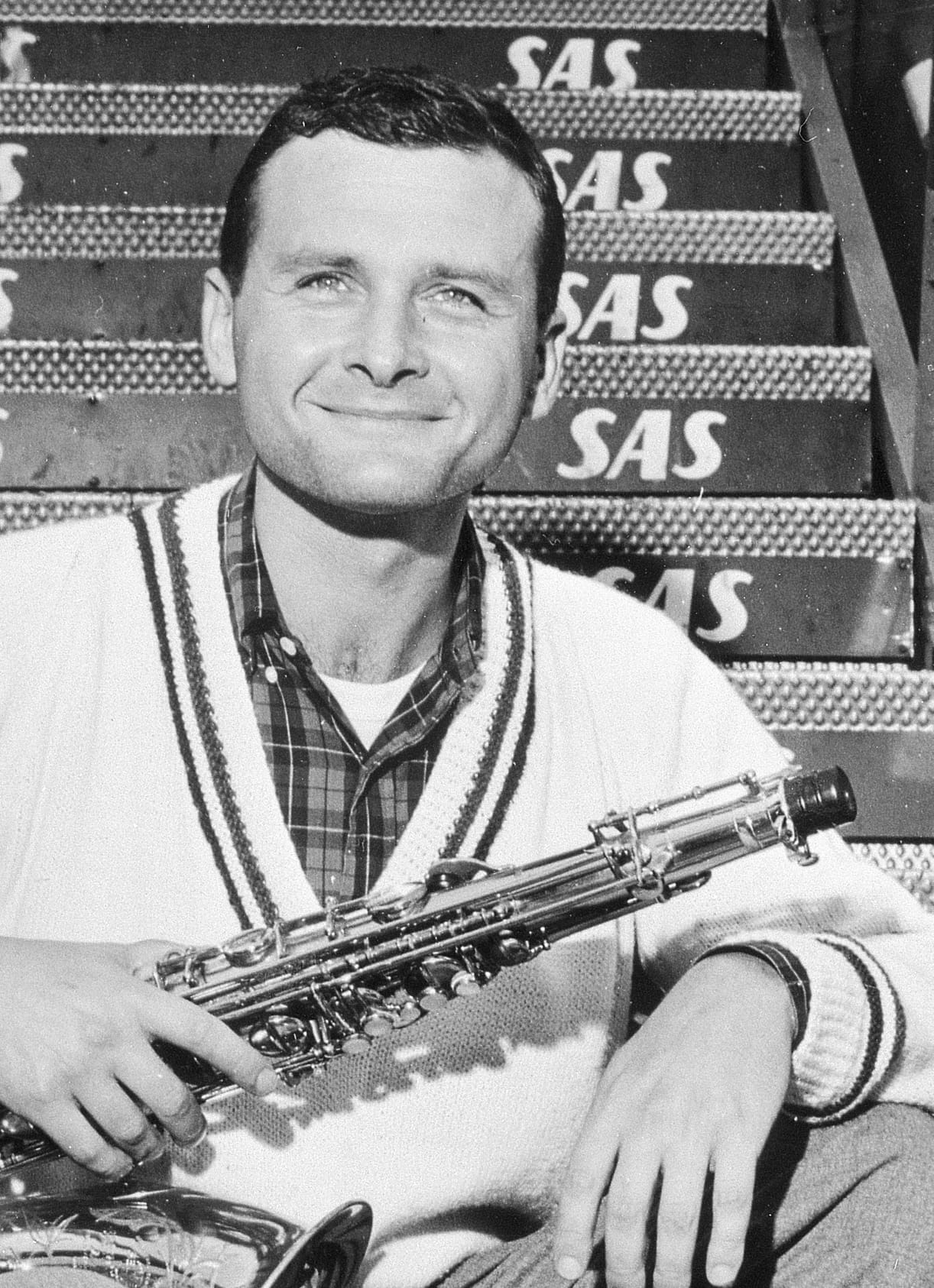
Stan Getz
Stan Getzwas one of jazz history’s most admired tenor saxophonists, with a remarkably pure tone. Known as“The Sound”(“the Sound”), he helped makeBossa Nova(bossa nova) a global phenomenon in the 1960s, bringing the warmth of Brazilian music together with the sophistication of jazz.
The Rise of “The Sound” (1940s–1950s)
Born in Philadelphia to Ukrainian Jewish immigrant parents,Getzwas a musical prodigy who mastered several instruments in his teens. In the late 1940s, he joinedWoody Herman’s big band as one of the famous Four Brothers saxophone section. His performance on “Early Autumn” made him a star. He was deeply influenced byLester Young, favoring light, flowing melodic lines over the powerful, weighty style ofColeman Hawkins.
West Coast Cool and the Struggle with Addiction (1950s)
In the 1950s,Getzbecame a leading voice of West Coast jazz. Like many gifted musicians of his generation, he struggled for years with heroin addiction. In 1954, he was arrested for trying to rob a pharmacy to obtain morphine, a crisis that nearly ended his career. He later moved to Europe—living in Sweden and Denmark for several years—to escape the drug scene in the United States. His artistry did not decline there; encouraged by European audiences, he became even more accomplished.
The Bossa Nova Wave and Grammy Peak (1962–1964)
After returning to the United States in 1961,Getzrecorded the albumCharlie Byrdwith guitarist《Jazz Samba》, bringing Brazil’s new rhythms into jazz. In 1964, he joined Brazilian musiciansJoão GilbertoandAntônio Carlos Jobimto record the landmark album《Getz/Gilberto》. The song “The Girl from Ipanema,” sung byAstrud Gilberto, won theGrammy Award for Record of the Year. The album became one of the best-selling in jazz and defined a cool, international aesthetic.
Fusion and Final Years (1970s–1991)
did not rest on his earlier achievements. He played with younger musicians such asGetzin a jazz-fusion group and recorded the classic albumChick Corea、Stanley Clarke. In his later years, he focused on teaching and acoustic performance. The “golden voice” of jazz died of liver cancer in Malibu in 1991, aged 64.《Captain Marvel》In his later years, he focused on music education and acoustic performance. In 1991, the jazz world’s “Golden Voice” died of liver cancer in Malibu, aged 64.
3. Musical Style: Effortless Elegance
-
A Pure Tone:Getz’s saxophone sound is clear and pure, like a beam of light cutting through the morning mist.
-
Natural Phrasing: His improvisations feel effortless, with notes flowing into one another as if no breath were needed. Even at high speed, he retained a cool, lyrical quality.
-
A Cross-Cultural Interpreter: He could translate Brazilian rhythms, with their distinctive character, into a jazz language understood by listeners around the world. That lightness became his lifelong artistic signature.
In Summary: Stan Getzwas jazz’s“poet”. With his saxophone, he stripped away aggression and clutter, leaving pure melodic beauty.
An Aesthetic Connection: For a 3D designer pursuing refined surface quality and flowing form,Stan Getz’s music is a perfect example ofG2/G3 curvature continuity. His melodies avoid abrupt turns; every transition is as smooth and natural as flowing water.
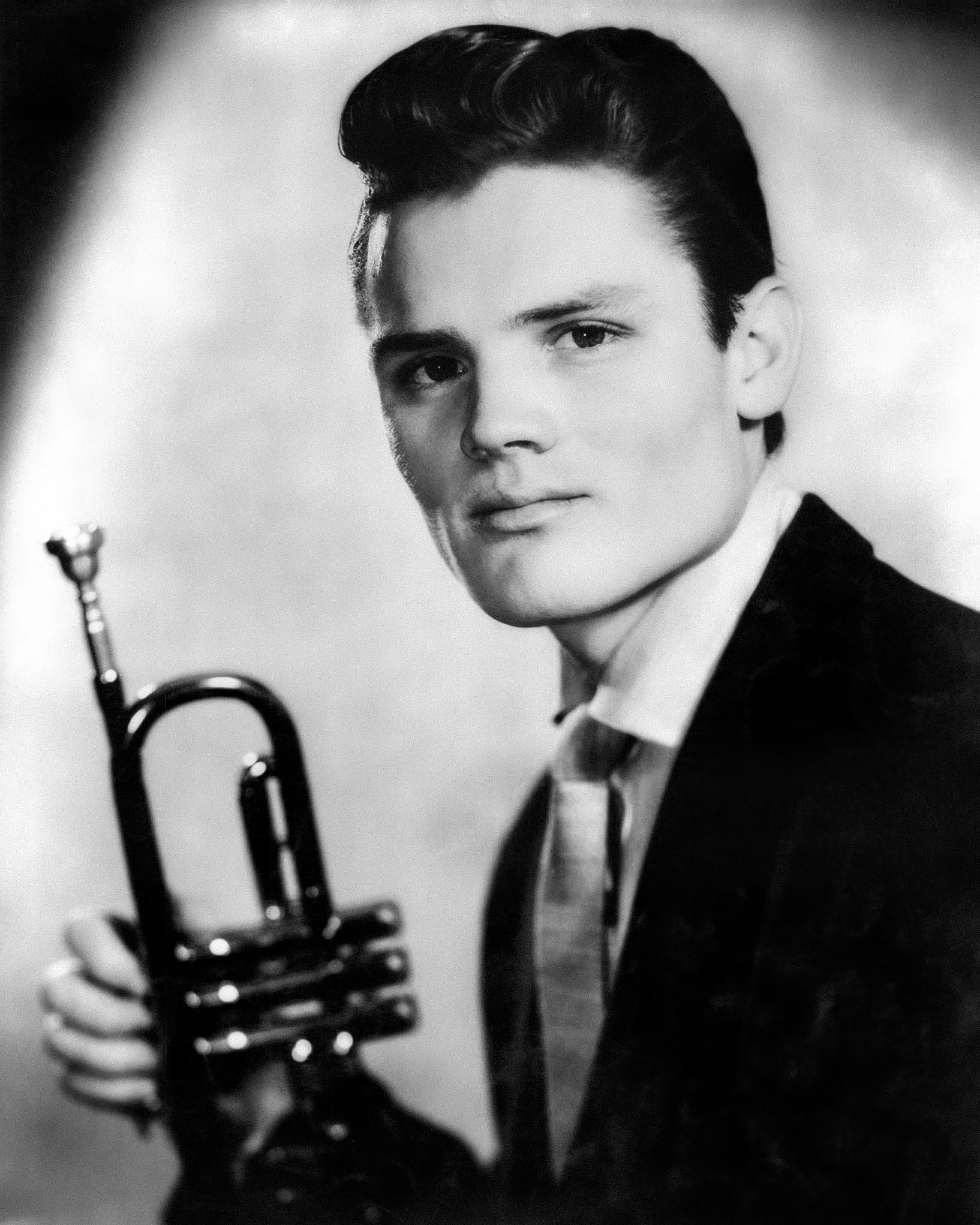
Chet Baker
After Cannonball Adderley, here is a concise biography ofChet Baker (1929–1988). Known as the “Prince of Cool,” he was admired for his tender trumpet playing and whisper-soft singing, and became a leading figure incool jazz.
1. Golden Years and a James Dean–Like Idol (1950s)
-
Breakthrough: In 1952, he joined Gerry Mulligan’s piano-less quartet and became famous overnight with “My Funny Valentine,” which remained his signature song.
-
A Double Talent: Alongside his trumpet playing, Baker sang with a tender, fragile voice. The 1954 album Chet Baker Sings made him widely known.
-
Matinee-Idol Looks: In his youth, Baker had movie-star looks and was often called jazz’s James Dean. He also made a brief attempt at acting in Hollywood.
2. Addiction and Decline (1960s)
-
Struggles with Addiction: From the late 1950s onward, he struggled with heroin addiction. Drug-related arrests and deportations took him in and out of the United States and several European countries, including Italy, Germany, and the United Kingdom.
-
A Devastating Blow: In 1966, a dispute connected to drug dealing led to a severe beating in California. His front teeth were knocked out—a devastating injury for a trumpet player. For several years he could barely play and at one point worked at a gas station.
3. A Long Return and European Years (1970s–1980s)
-
Back to the Trumpet: In the early 1970s, he began practicing arduously with dentures in an effort to recover his playing. He officially returned to the New York jazz scene in 1973.
-
Years in Europe: During the final decade of his life, he spent much of his time touring and recording in Europe. Years of drug use had taken a visible toll, yet his playing and singing gained a weathered, broken depth that resonated strongly with European audiences.
4. A Strange Death (1988)
-
: On May 13, 1988, Baker was found dead on the street outside a hotel in Amsterdam, the Netherlands, with severe head injuries. Police concluded that he had fallen from a second-floor window. Drugs were found in his system, and his death was ruled accidental, though it has continued to inspire speculation.
Artistic Style and Legacy
-
The Beauty of Restraint: His music relied less on technical display than on beautiful melodies, open space, and emotional subtlety.
-
Influence Beyond Music: His image and tragic life inspired many works, including the documentary Let’s Get Lost (Let’s Get Lost) and the biographical film Born to Be Blue, starring Ethan Hawke (Born to Be Blue)。
In Summary:If Cannonball Adderley was “sunshine,” Chet Baker was “moonlight.” His music is full ofloneliness, fragility, and a tenderness that can break your heart. He remains one of jazz history’s most romantic and heartbreaking talents.