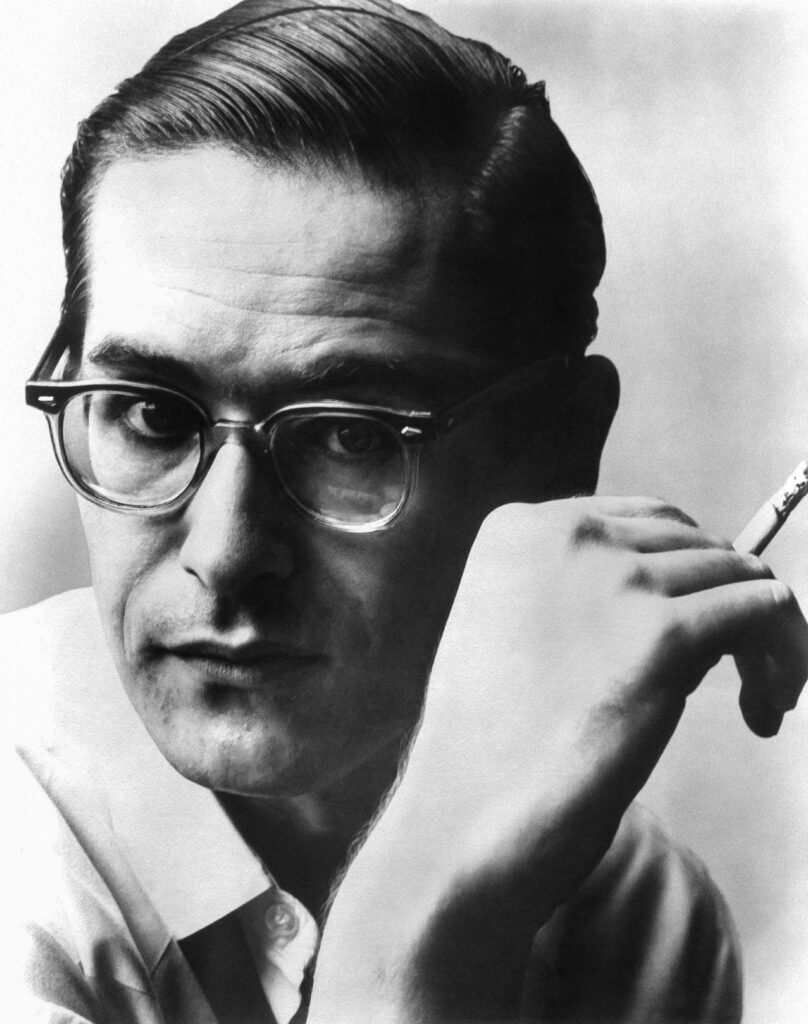


Bill Evans was one of the most influential pianists in jazz history. He changed the way jazz piano was played, blending the colors of European classical music—especially the Impressionism of Debussy and Ravel—with jazz improvisation.
Restraint and Poetry:Unlike the exuberance of early jazz, Evans’s playing was inward and reflective, with a light touch and richly layered sound.
Harmonic Innovation:His use of rootless voicings made the piano sound more open, modern, and fluid.
A Revolution in the Piano Trio:In his best-known “first great trio,” he overturned the old hierarchy of piano lead with bass and drums in support. The three musicians improvised as equals, in a dialogue that felt like conversation.
If you are just getting to know Evans, these are several widely recognized masterpieces:
| Album | Year | Notes |
| 《Kind of Blue》 | 1959 | Although this is a Miles Davis album, Evans is one of its central voices, contributing a spare, contemplative modal-jazz sensibility. |
| 《Waltz for Debby》 | 1961 | One of the best-known live recordings in jazz, made at the Village Vanguard in New York and a perfect showcase for the trio’s rapport. |
| 《Sunday at the Village Vanguard》 | 1961 | Recorded on the same evening as Waltz for Debby, it puts the talent of bass prodigy Scott LaFaro in the foreground. |
| 《Portrait in Jazz》 | 1959 | A peak of the early trio, including a distinctive reinterpretation of standards such as “Autumn Leaves.” |
| 《Undercurrent》 | 1962 | A duet with guitarist Jim Hall: cool and clear in tone, like an intimate conversation late at night. |
Although Evans was a pioneer of the more modern cool-jazz and modal-jazz traditions, while Ben Webster was a master of swing, both had an exceptional command ofballads.
A Small Anecdote:In 1958, Bill Evans and Ben Webster both appeared on Benny Carter’s album The Jazz Giant. On the record, Webster’s full, breathy saxophone weaves together with Evans’s precise, luminous piano—a memorable moment in jazz history.
Like many of his contemporaries, Evans struggled with drug addiction and the loss of loved ones. These hardships made his later music even more desolate and profound. He died in 1980; one critic described his life as “the longest suicide in history.”
Today, nearly every modern jazz pianist has been influenced by Bill Evans in some way. His music is not only jazz, but a profound meditation on solitude, love, and beauty.
Explore other jazz artists who share genre tags with Bill Evans.