



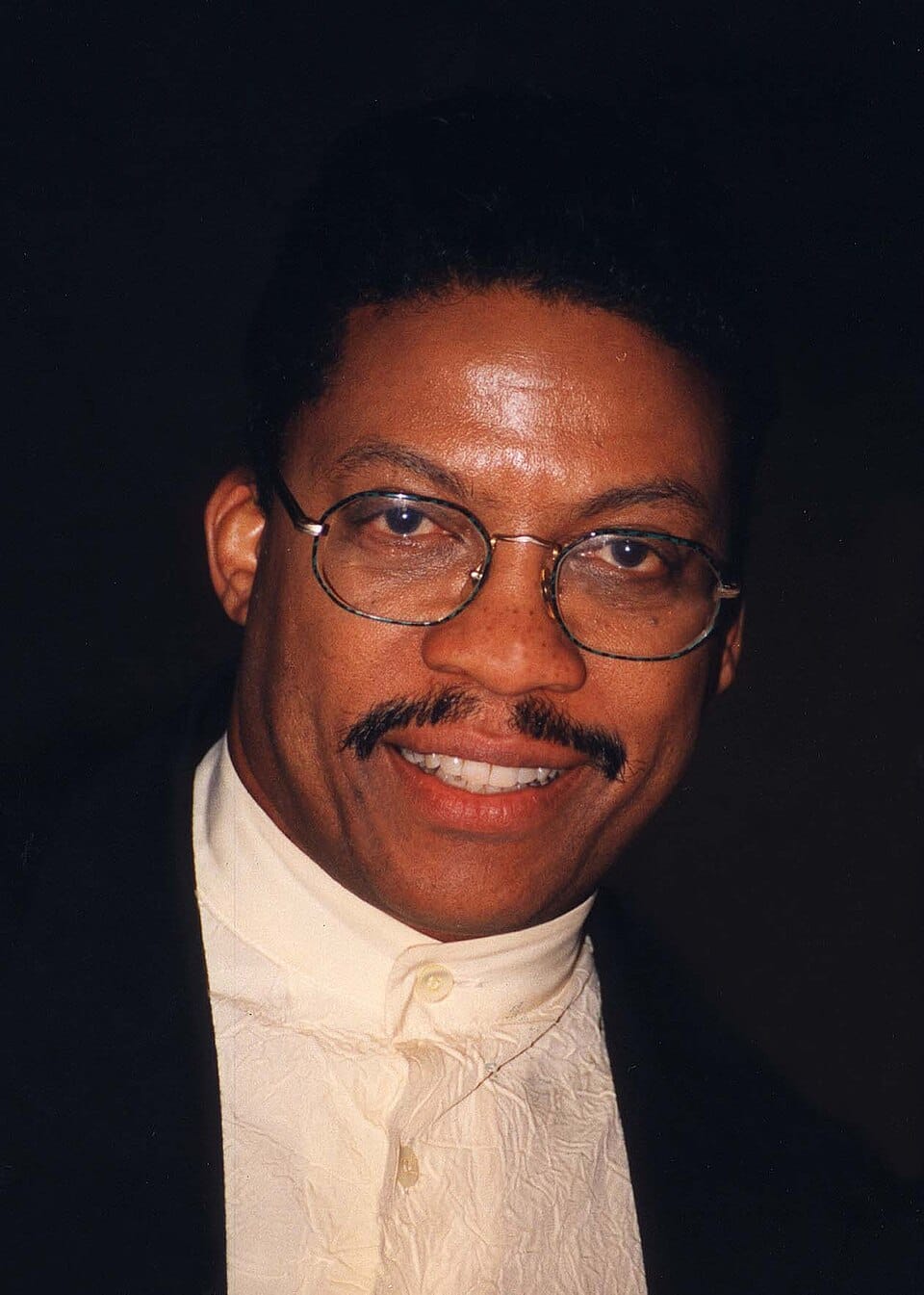
Herbie Hancock
After Freddie Hubbard, we come to one of jazz history’s greatest innovators and musical “geeks”—Herbie Hancock (born 1940)。
If Duke Ellington was jazz’s classical master, Herbie is itsLeonardo da Vinci. He has moved across hard bop, post-bop, fusion, funk, and even hip-hop, winning the respect of devoted jazz listeners and success on the pop charts alike.
1. A Piano Prodigy and the Jazz Messengers (1940s–1962)
-
Classical Roots: Born in Chicago, Hancock performed Mozart with the Chicago Symphony Orchestra at age 11 as a piano prodigy. A strong sense of classical structure remained with him throughout his career.
-
A Landmark Debut: He signed with Blue Note in 1962. His first album,《Takin’ Off》, quickly produced the hit “Watermelon Man.”
2. Miles Davis’s Second Great Quintet (1963–1968)
-
A Golden Quintet: Invited by Miles Davis, Hancock joined Wayne Shorter, Ron Carter, and Tony Williams to form one of the most celebrated quintets in jazz history.
-
A Harmonic Revolution: During this period, Hancock redefined the piano’s role in jazz. His flowing, spacious harmonies gave Davis’s modal jazz the perfect foundation.
3. The Meeting of Technology and Funk (1970s–1980s)
-
《Head Hunters》: In 1973, Hancock made a decisive turn toward synthesizers and funk rhythms. The resulting album became the first jazz record to go gold, and “Chameleon” remains essential study for musicians.
-
“Rockit” and Hip-Hop: In 1983, he created “Rockit.” The track won a Grammy, and its music video helped bring turntablism—especially scratching—to audiences around the world.
4. Later Years: Grammy Favorite and Cultural Icon
-
《River: The Joni Letters》: In 2007, his album honoring Joni Mitchell won theGrammy Award for Album of the Year, the first jazz album to win the top award since 1965.
-
A UNESCO Goodwill Ambassador: He founded International Jazz Day and has promoted peace and dialogue around the world through music.
Artistic Style: Intelligence in Motion
-
Modal Harmony and Space: Hancock has a remarkably expressive touch and makes deft use of space and dissonance to create a profound sense of the future.
-
A Technology Enthusiast: He was among the first jazz musicians to embrace computers, samplers, and synthesizers. As he puts it, “I’m a tech geek who loves music.”
-
A Chameleon’s Adaptability: In a single concert, he can move naturally between a Steinway grand piano and a complex array of electronic keyboards.
In Summary
Herbie Hancock is jazz’s“Steve Jobs”. Never content with the status quo, he keeps searching for the next meeting point between music and technology, and between art and popular culture.
Connections: Among the musicians mentioned earlier, Hancock shared a long friendship and many piano duets withChick Corea, and had countless memorable musical encounters withFreddie Hubbard、and Dexter Gordon.All three musicians shared countless memorable musical moments with Hancock.
If you work in 3D modeling and printing, you may especially enjoy Hancock: his music itself feels likehigh-precision modeling, driven by experimentation and a fascination with new tools.

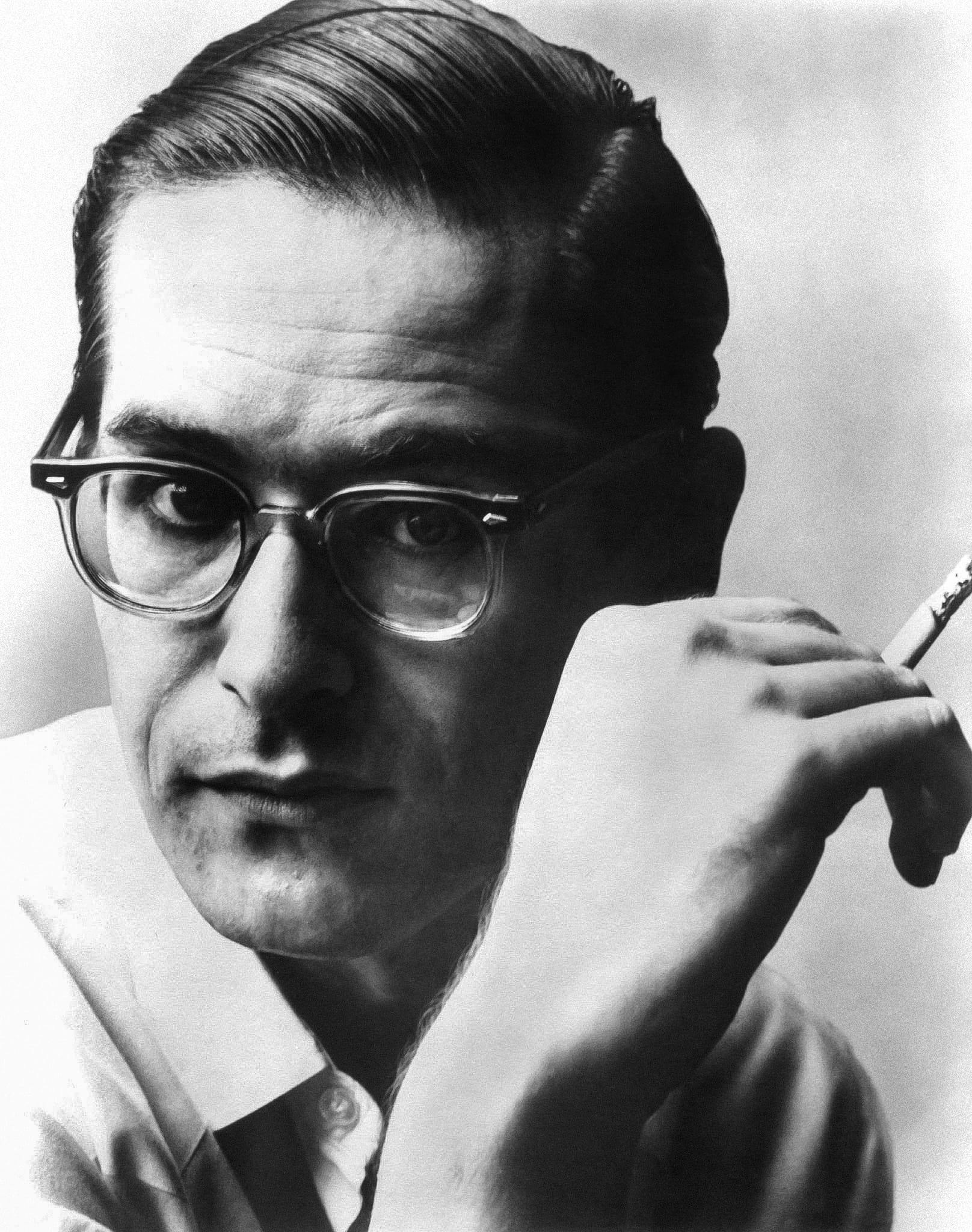
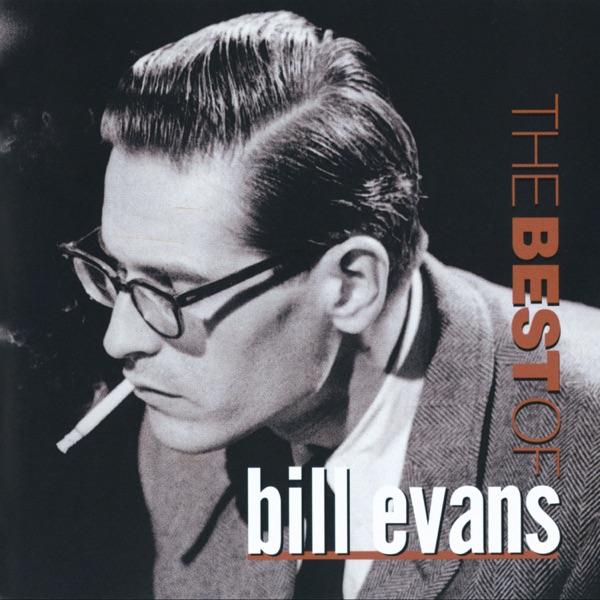
Bill Evans
🎹 The “piano poet” of jazz
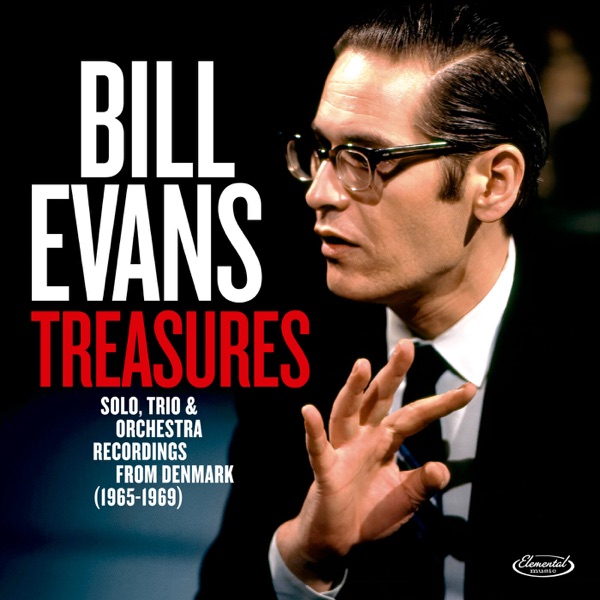
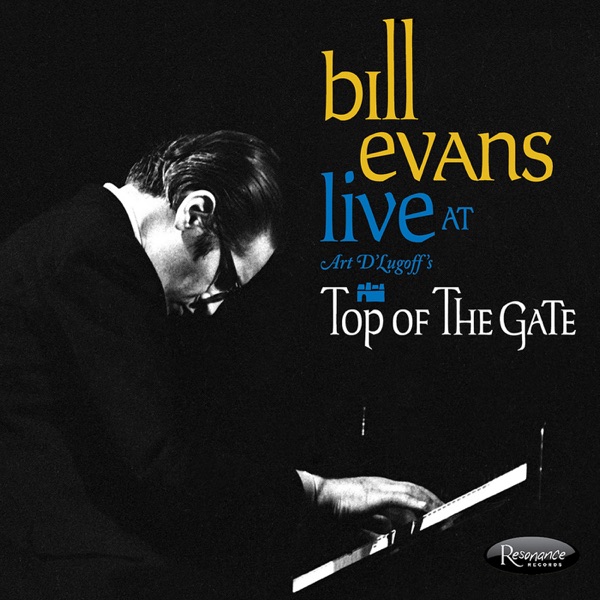
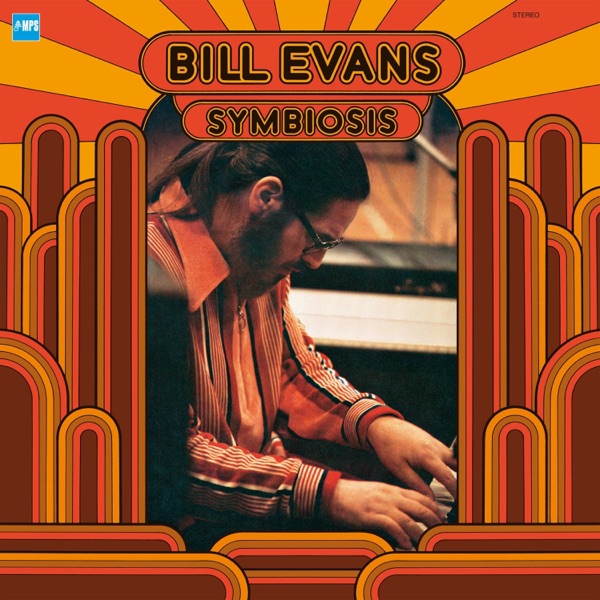
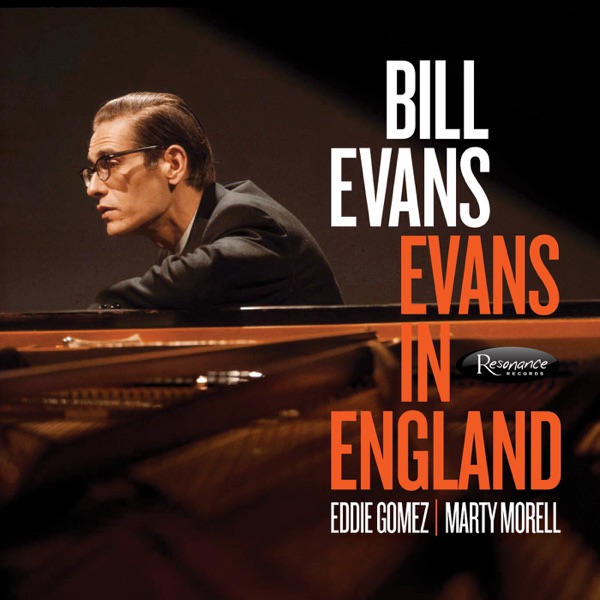
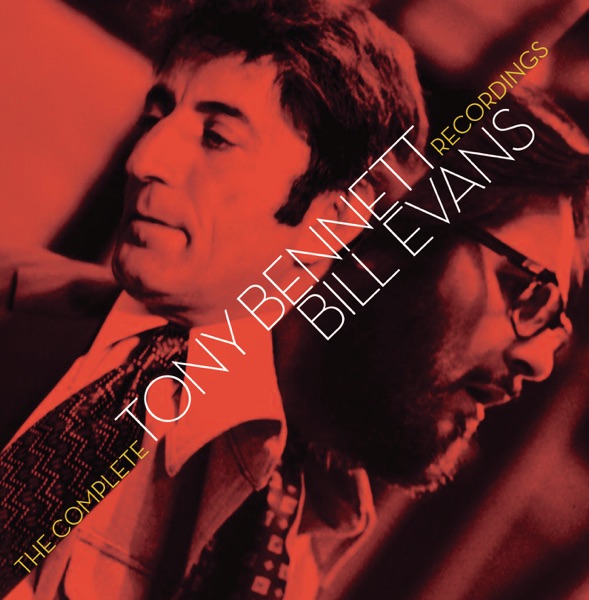
Bill Evans was one of the most influential pianists in jazz history. He changed the way jazz piano was played, blending the colors of European classical music—especially the Impressionism of Debussy and Ravel—with jazz improvisation.
1. Signature Musical Qualities
-
Restraint and Poetry:Unlike the exuberance of early jazz, Evans’s playing was inward and reflective, with a light touch and richly layered sound.
-
Harmonic Innovation:His use of rootless voicings made the piano sound more open, modern, and fluid.
-
A Revolution in the Piano Trio:In his best-known “first great trio,” he overturned the old hierarchy of piano lead with bass and drums in support. The three musicians improvised as equals, in a dialogue that felt like conversation.
💿 Essential Albums
If you are just getting to know Evans, these are several widely recognized masterpieces:
| Album | Year | Notes |
| 《Kind of Blue》 | 1959 | Although this is a Miles Davis album, Evans is one of its central voices, contributing a spare, contemplative modal-jazz sensibility. |
| 《Waltz for Debby》 | 1961 | One of the best-known live recordings in jazz, made at the Village Vanguard in New York and a perfect showcase for the trio’s rapport. |
| 《Sunday at the Village Vanguard》 | 1961 | Recorded on the same evening as Waltz for Debby, it puts the talent of bass prodigy Scott LaFaro in the foreground. |
| 《Portrait in Jazz》 | 1959 | A peak of the early trio, including a distinctive reinterpretation of standards such as “Autumn Leaves.” |
| 《Undercurrent》 | 1962 | A duet with guitarist Jim Hall: cool and clear in tone, like an intimate conversation late at night. |
🌉 A Connection with Ben Webster
Although Evans was a pioneer of the more modern cool-jazz and modal-jazz traditions, while Ben Webster was a master of swing, both had an exceptional command ofballads.
A Small Anecdote:In 1958, Bill Evans and Ben Webster both appeared on Benny Carter’s album The Jazz Giant. On the record, Webster’s full, breathy saxophone weaves together with Evans’s precise, luminous piano—a memorable moment in jazz history.
Later Years and Legacy
Like many of his contemporaries, Evans struggled with drug addiction and the loss of loved ones. These hardships made his later music even more desolate and profound. He died in 1980; one critic described his life as “the longest suicide in history.”
Today, nearly every modern jazz pianist has been influenced by Bill Evans in some way. His music is not only jazz, but a profound meditation on solitude, love, and beauty.
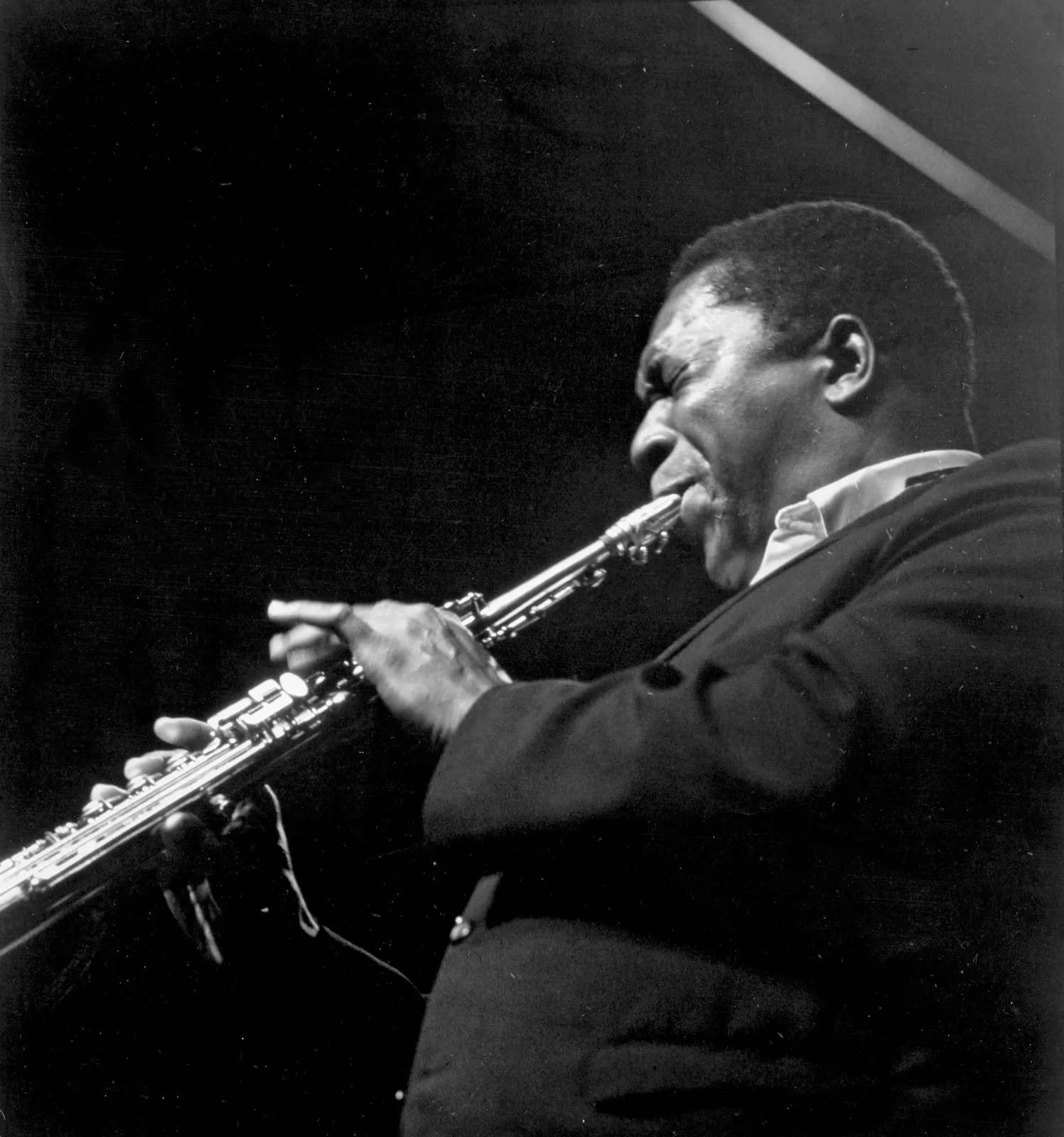
John Coltrane
A concise biography ofJohn Coltrane (1926–1967):
One of the greatest tenor saxophonists in jazz history, Coltrane was nicknamed “Trane.” He raised jazz from entertainment to a form ofspiritual practiceand became one of the music’s most influential innovators.
1. Apprenticeship and the Miles Davis Quintet (1940s–1957)
-
A Late-Blooming Star: Born in North Carolina, Coltrane developed his craft in Navy bands and various R&B groups. He did not become widely known until he joined Miles Davis’s quintet in 1955.
-
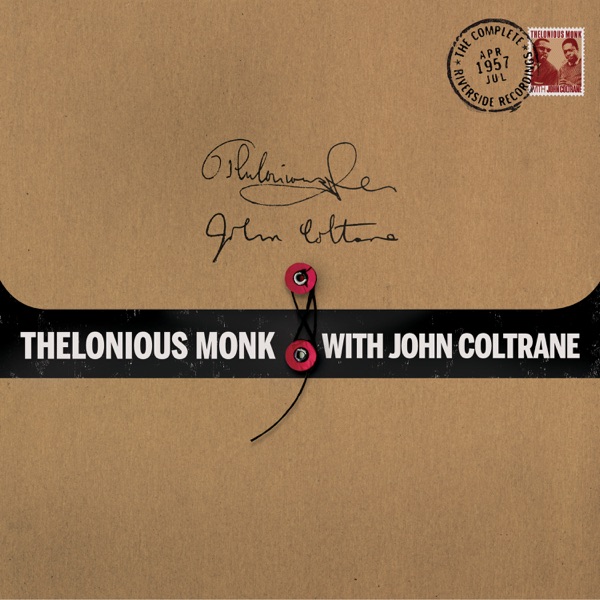
Recovery and Renewal: In 1957, Davis fired him because of his drug addiction. After a profound religious awakening, Coltrane overcame his drug and alcohol problems, returned to the scene, and began an inspiring collaboration with Thelonious Monk.
2. “Sheets of Sound” and Modal Jazz (1958–1960)
-
Sheets of Sound: After rejoining Davis’s band, Coltrane played on the landmark album《Kind of Blue》. On his own album《Giant Steps》, he showcased his fast, intricate, tightly reasoned “sheets of sound,” pushing beyond the limits of improvising over conventional chord changes.
-
The Soprano Saxophone: He revived interest in the neglected soprano saxophone and recorded one of the instrument’s most successful jazz adaptations, “My Favorite Things.”
3. The Classic Quartet and A Love Supreme (1961–1965)
-
A Spiritual Peak: With pianist McCoy Tyner, bassist Jimmy Garrison, and drummer Elvin Jones, Coltrane formed one of the most powerful quartets in jazz history.
-
A Landmark Album: In 1965, he released the spiritual suiteA Love Supreme. More than a record, it was an offering of gratitude to God and marked a turn from modal jazz toward spiritual exploration.
4. Free Jazz and the Final Years (1966–1967)
-
Free Jazz: In his later years, Coltrane broke down the restraints of rhythm and melody, recording controversial free-jazz works such as《Ascension》in pursuit of pure emotional force and spiritual transcendence.
-
Death: Coltrane died of liver cancer in 1967, aged 40.
Musical Style: A Relentless Explorer
-
Relentless Curiosity: Coltrane was a jazz ascetic, practicing saxophone for more than ten hours a day. He once said, “I never feel that my playing is complete. I always feel there is something better to come.”
-
Spirituality and Tension: His playing carried enormous tension and intensity; his later works often had the solemnity of a ritual.
-
A Global Outlook: He was among the first jazz musicians to bring Indian music, African elements, and Eastern scales into the music.
In Summary:John Coltrane was jazz’s“saint”. His music is more than a sequence of notes; it is an ongoingquestion addressed to the universe and the divine。
Connections: Among the musicians mentioned earlier,Joe HendersonandDexter Gordonwere deeply influenced by Coltrane. After 1967, it can seem that tenor saxophonists everywhere were trying to find a way out of his enormous shadow.
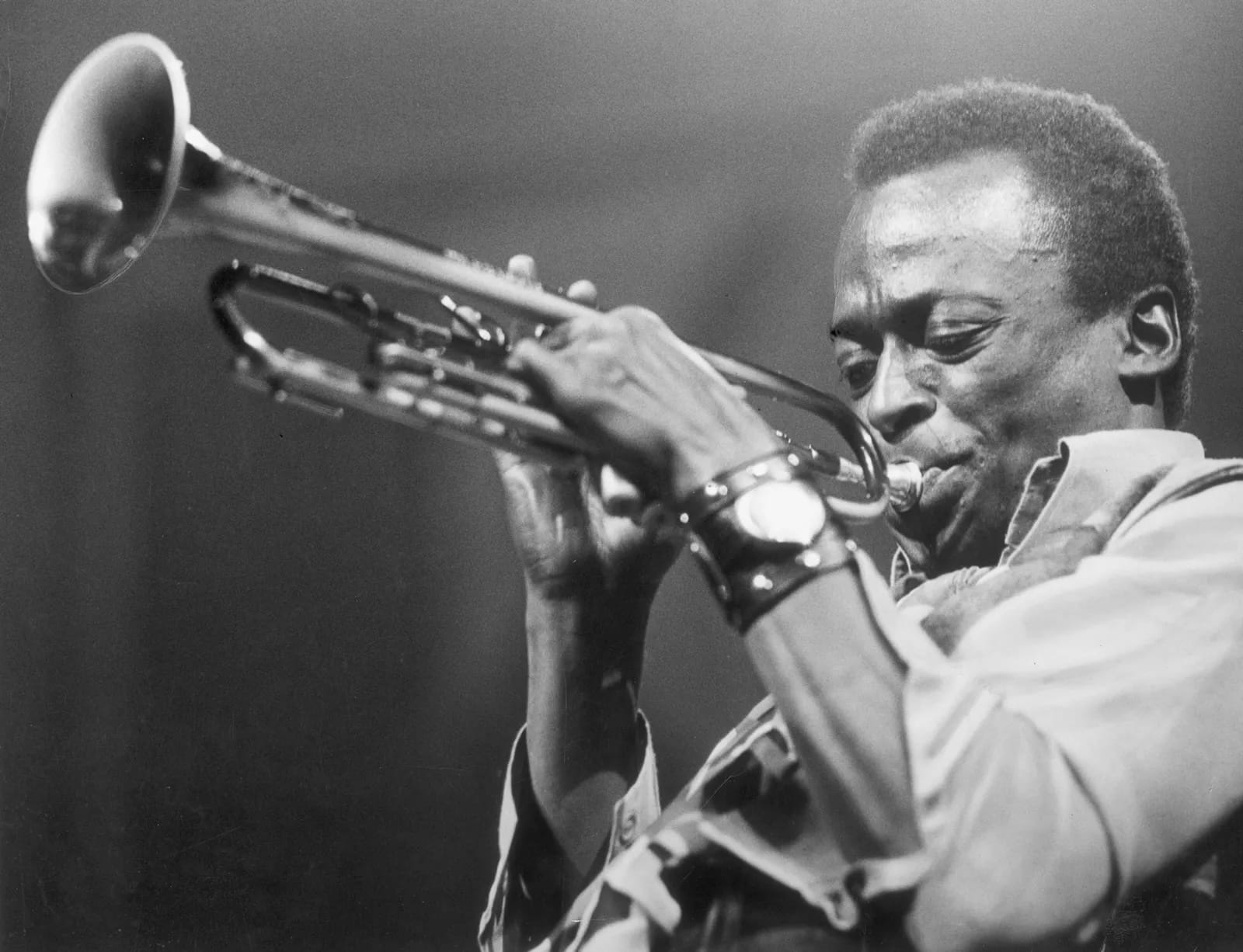
Miles Davis
Trumpeter, bandleader, and composer
Born May 26, 1926 in Alton, Illinois, USA, died September 28, 1991 in Santa Monica, California, USA (aged 65)
One of the most important figures in jazz history, Davis adopted multiple musical directions in a five-decade career that kept him at the forefront of many major stylistic developments in jazz. His album "[m=5460]" (1959) is the highest selling jazz album ever with over five million copies sold.
Miles settled in New York City to study at Juilliard School. He made his professional debut as a member of [a272028] from 1944 to 1948. In 1948, Davis began to found his own ensembles. At that time, he met [a255137], who contributed to [a497768]'s scores and arrangements. The dozen sides they recorded in 1949-50 were eventually assembled as the LP "[m=62308]" (1957), with Davis and Evans working together again from 1957 on further projects.
Miles Davis was prominent in the creation of the 'Hard Bop' style in the mid-1950s (his first regular quintet featured [a97545]), and the "time, no changes" approach in his second quintet a decade later. In the late 1960s, he introduced electronic instruments and rock and funk rhythms in his music. Around 1975, he went on a hiatus over health and personal problems, re-emerging in 1980.
He married dancer/actress [a7671712] on December 12, 1959; the couple divorced in 1968. He then married singer [a1076460] in September 1968; they divorced in 1970. He then married actress [a6279083] on November 26, 1981; they divorced in 1989. Father of [a680784] and [a1493787]. Uncle of [a279708] (Jr).
Inducted into Rock And Roll Hall of Fame in 2006 (Performer).
Winner of eight Grammy Awards:
- Best Jazz Composition Of More Than Five Minutes Duration for Sketches Of Spain on [m=48172]
- Best Jazz Performance - Large Group Or Soloist With Large Group for [m=8260]
- Best Jazz Instrumental Performance, Soloist for [m=65130]
- Best Jazz Instrumental Performance, Soloist for [m=63355]
- Best Jazz Instrumental Performance, Big Band for [m=62288]
- Best Jazz Instrumental Performance, Soloist (On A Jazz Recording) for [m=62288]
- Best R&B Instrumental Performance for [m=62359]
- Best Large Jazz Ensemble Performance for [m=188032]