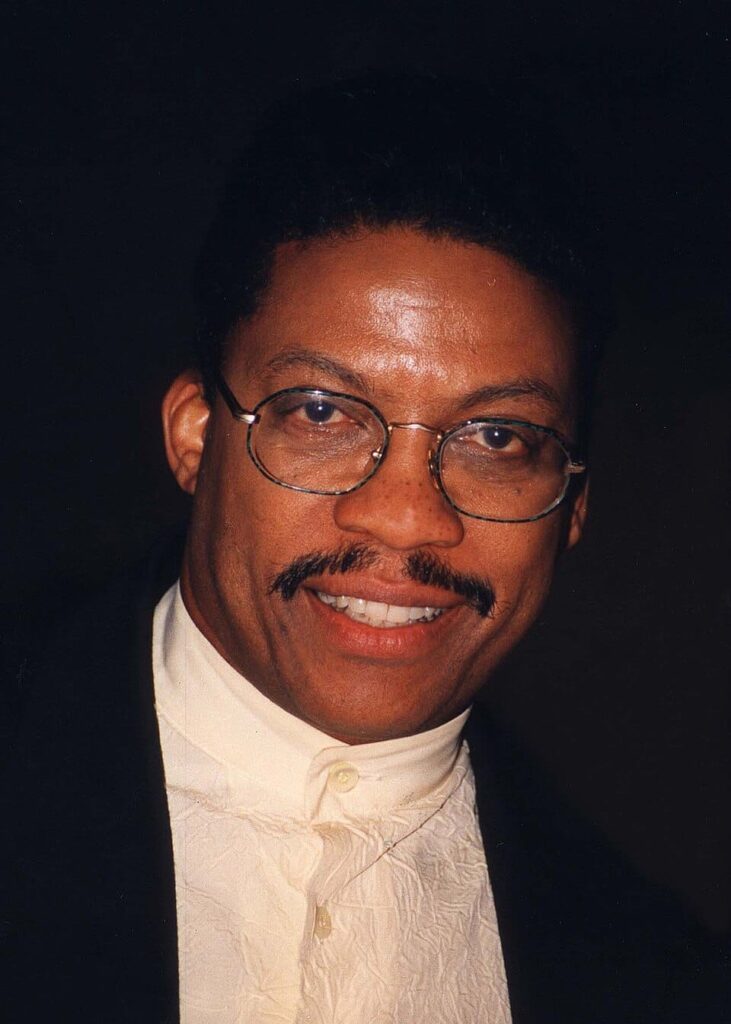


After Freddie Hubbard, we come to one of jazz history’s greatest innovators and musical “geeks”—Herbie Hancock (born 1940)。
If Duke Ellington was jazz’s classical master, Herbie is itsLeonardo da Vinci. He has moved across hard bop, post-bop, fusion, funk, and even hip-hop, winning the respect of devoted jazz listeners and success on the pop charts alike.
Classical Roots: Born in Chicago, Hancock performed Mozart with the Chicago Symphony Orchestra at age 11 as a piano prodigy. A strong sense of classical structure remained with him throughout his career.
A Landmark Debut: He signed with Blue Note in 1962. His first album,《Takin’ Off》, quickly produced the hit “Watermelon Man.”
A Golden Quintet: Invited by Miles Davis, Hancock joined Wayne Shorter, Ron Carter, and Tony Williams to form one of the most celebrated quintets in jazz history.
A Harmonic Revolution: During this period, Hancock redefined the piano’s role in jazz. His flowing, spacious harmonies gave Davis’s modal jazz the perfect foundation.
《Head Hunters》: In 1973, Hancock made a decisive turn toward synthesizers and funk rhythms. The resulting album became the first jazz record to go gold, and “Chameleon” remains essential study for musicians.
“Rockit” and Hip-Hop: In 1983, he created “Rockit.” The track won a Grammy, and its music video helped bring turntablism—especially scratching—to audiences around the world.
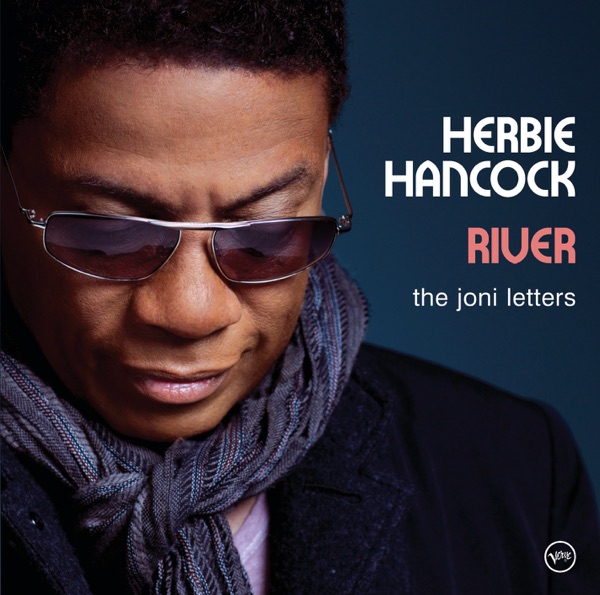
《River: The Joni Letters》: In 2007, his album honoring Joni Mitchell won theGrammy Award for Album of the Year, the first jazz album to win the top award since 1965.
A UNESCO Goodwill Ambassador: He founded International Jazz Day and has promoted peace and dialogue around the world through music.
Modal Harmony and Space: Hancock has a remarkably expressive touch and makes deft use of space and dissonance to create a profound sense of the future.
A Technology Enthusiast: He was among the first jazz musicians to embrace computers, samplers, and synthesizers. As he puts it, “I’m a tech geek who loves music.”
A Chameleon’s Adaptability: In a single concert, he can move naturally between a Steinway grand piano and a complex array of electronic keyboards.
Herbie Hancock is jazz’s“Steve Jobs”. Never content with the status quo, he keeps searching for the next meeting point between music and technology, and between art and popular culture.
Connections: Among the musicians mentioned earlier, Hancock shared a long friendship and many piano duets withChick Corea, and had countless memorable musical encounters withFreddie Hubbard、and Dexter Gordon.All three musicians shared countless memorable musical moments with Hancock.
If you work in 3D modeling and printing, you may especially enjoy Hancock: his music itself feels likehigh-precision modeling, driven by experimentation and a fascination with new tools.
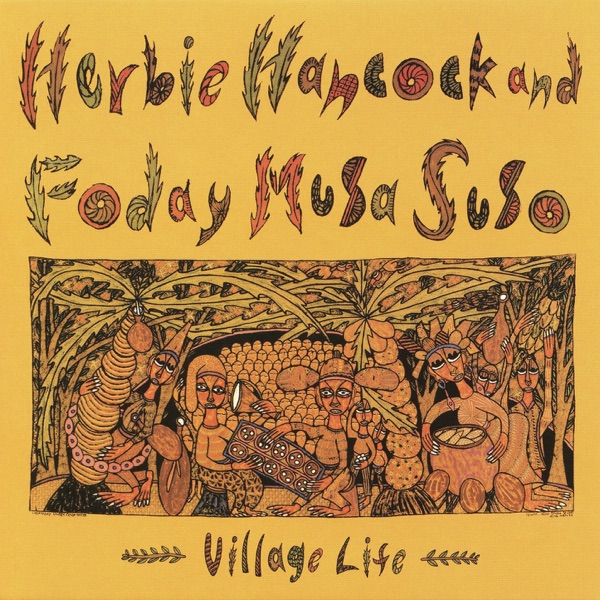
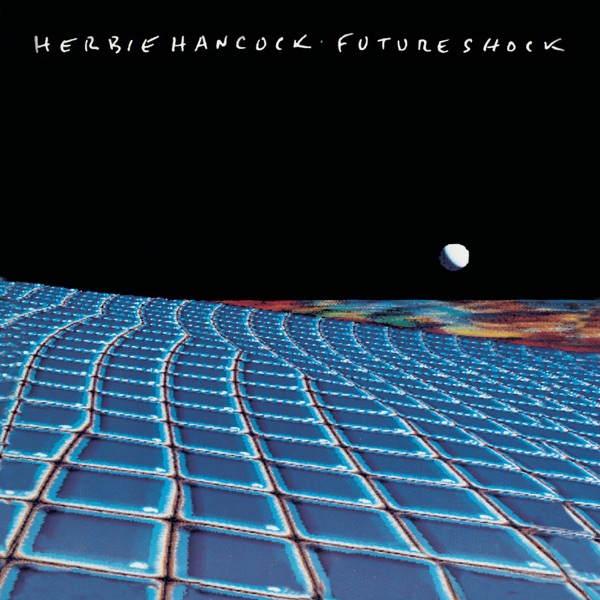
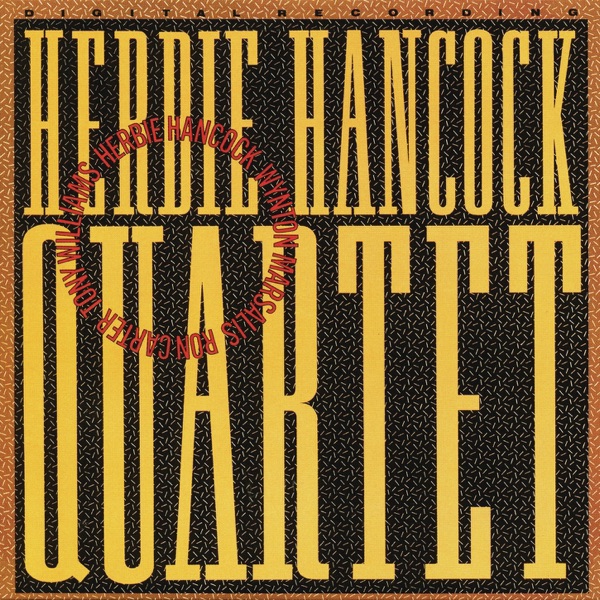
Explore 47 albums and recordings, arranged by release date.






Explore other jazz artists who share genre tags with Herbie Hancock.