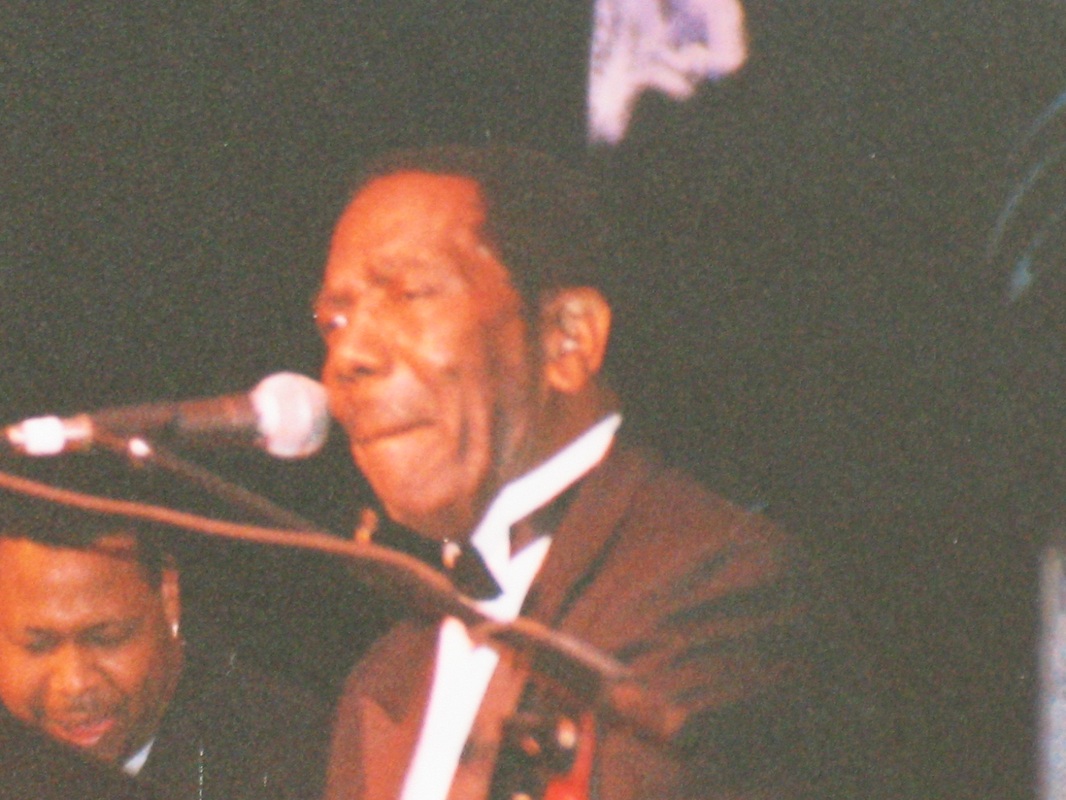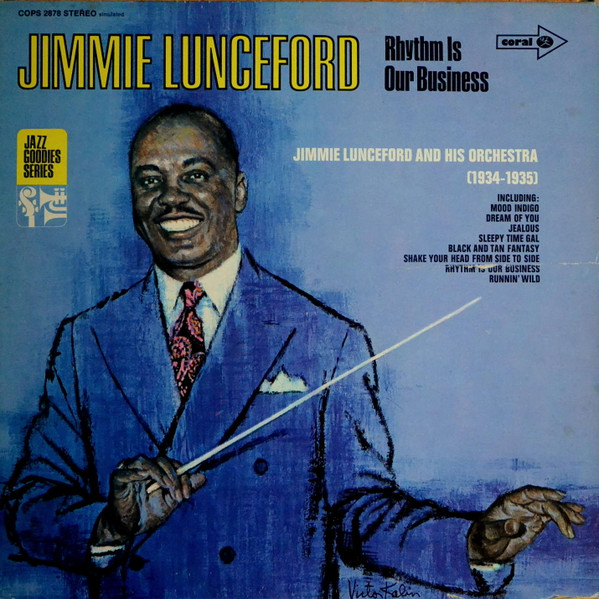
Rhythm Is Our Business
Country / Region: Germany
Tracklist
- Mood Indigo (2:58)
- Rose Room (3:06)
- Black And Tan Fantasy (2:51)
- Dream Of You (3:09)
- Stomp It Off (3:13)
- Rain (3:20)
- Since My Best Gal Turned (3:30)
- Jealous (3:07)
- Rhythm Is Our Business (3:07)
- Shake Your Head From Side To Side (2:52)
- Sleepy Time Gal (3:08)
- Bird Of Paradise (3:20)
- Rhapsody Jr. (3:23)
- Runnin' Wild (3:11)

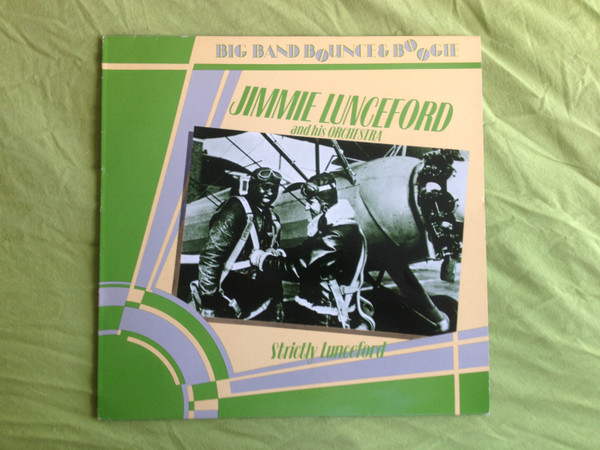
Strictly Lunceford
Release Date: 1983
Country / Region: UK
Tracklist
- Strictly Instrumental
- My Blue Heaven
- Organ Grinder’s Swing
- Rhythm Is Our Business
- Sophisticated Lady
- Four Or Five Times
- I'm Gonna Move To The Outskirts Of Town (Parts I & II)
- For Dancers Only
- Twenty-Four Robbers
- Swanee River
- Blue Prelude
- Blues In The Night
- Annie Laurie
- Down By The Old Mill Stream
- Back Door Stuff (Parts I & II)
- Margie
- Siesta At The Fiesta
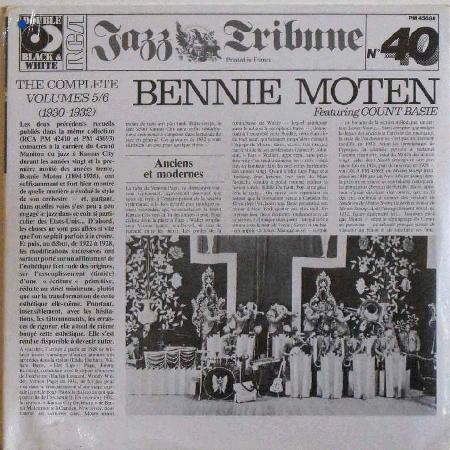
The Complete Bennie Moten Vol. 5/6 (1930-1932)
Release Date: 1983
Country / Region: France
Tracklist
- I Wish I Could Be Blue (3:08)
- Oh! Eddie (2:54)
- That Too, Do (3:09)
- That Too, Do (3:18)
- Mack's Rhythm (3:00)
- You Made Me Happy (3:20)
- Here Comes Marjorie (2:53)
- The Count (3:10)
- Liza Lee (3:01)
- Liza Lee (3:01)
- Get Gon' (Get Ready To Love) (3:00)
- Professor Hot Stuff (3:21)
- When I'm Alone (3:15)
- New Moten Stomp (2:52)
- As Long As I Love You (3:07)
- Somebody Stole My Gal (3:02)
- Now That I Need You (3:00)
- Bouncin' 'Round (3:08)
- Ya Got Love (3:14)
- I Wanna Be Around My Baby All The Time (2:55)
- Toby (3:24)
- Moten Swing (3:18)
- The Blue Room (3:18)
- Imagination (3:25)
- New Orleans (2:59)
- The Only Girl I Ever Loved (3:10)
- Milenberg Joys (2:45)
- Lafayette (2:45)
- Prince Of Wails (2:49)
- Two Times (3:07)
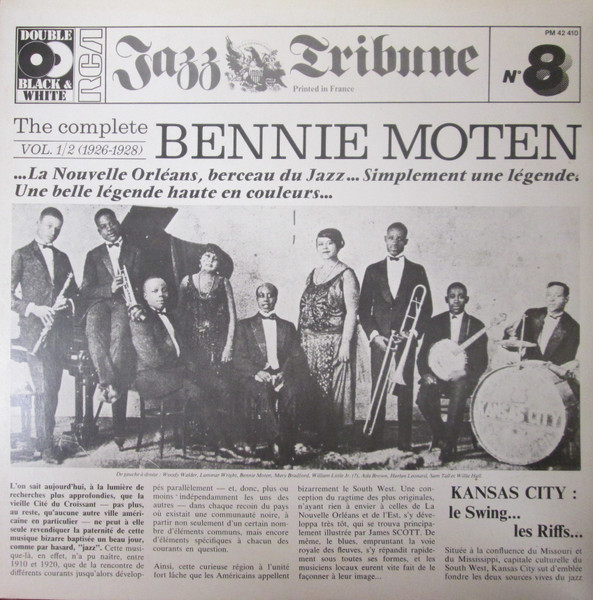
The Complete Bennie Moten Vol. 1/2 (1926-1928)
Release Date: 1981
Country / Region: France
Tracklist
- Thick Lip Stomp (2:48)
- Thick Lip Stomp (2:44)
- Harmony Blues (3:30)
- Harmony Blues (3:06)
- Kansas City Shuffle (2:47)
- Yazoo Blues (2:43)
- White Lightnin' Blues (3:30)
- Muscle Shoals Blues (3:23)
- Midnight Blues (2:57)
- Missouri Wobble (3:07)
- Sugar (2:47)
- Dear Heart (3:11)
- The New Tulsa Blues (3:03)
- Baby Dear (3:01)
- Twelfth Street Rag (3:19)
- Pass Out Lightly (3:05)
- Ding Dong Blues (3:10)
- Ding Dong Blues (3:05)
- Moten Stomp (2:56)
- Justrite (2:40)
- Slow Motion (2:36)
- Tough Breaks (2:51)
- It's Hard To Laugh Or Smile (2:41)
- Sad Man Blues (3:17)
- Kansas City Breakdawn (2:53)
- Trouble In Mind (3:06)
- Hot Water Blues (2:30)
- Get Low Down Blues (2:56)
The Fabulous Fats Navarro Volume 2
Release Date: 1957-07-00
Country / Region: US
Tracklist
- Lady Bird (Alternate Master)
- Lady Bird
- Jahbero (Alternate Master)
- Jahbero
- Symphonette (Alternate Master)
- Symphonette
- Double Talk (Alternate Master)
- Bouncing With Bud (Alternate Master)
- Dance Of The Infidels (Alternate Master)
- The Skunk (Alternate Master)
- Boperation
The Fabulous Fats Navarro Volume 1
Release Date: 1957-01-00
Country / Region: US
Tracklist
- Our Delight (Alternate Master)
- Our Delight
- The Squirrel (Alternate Master)
- The Squirrel
- The Chase (Alternate Master)
- The Chase
- Wail (Alternate Master)
- Bouncing With Bud (Alternate Master)
- Double Talk
- Dameronia (Alternate Master)
- Dameronia
The New Tristano
Release Date: 1962-02-00
Country / Region: US
Tracklist
- Becoming (4:31)
- C Minor Complex (5:47)
- You Don't Know What Love Is (3:26)
- Deliberation (4:48)
- Scene And Variations (11:40)
- Love Lines (2:18)
- G Minor Complex (3:49)
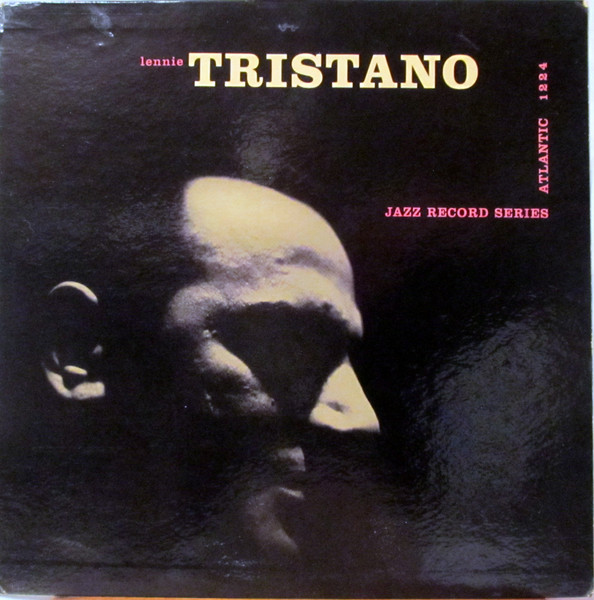
Lennie Tristano
Release Date: 1956-03-00
Country / Region: US
Tracklist
- Line Up (3:33)
- Requiem (4:51)
- Turkish Mambo (3:37)
- East Thirty-Second (4:32)
- These Foolish Things (5:43)
- You Go To My Head (5:19)
- If I Had You (6:24)
- Ghost Of A Chance (6:00)
- All The ThingsYou Are (6:04)
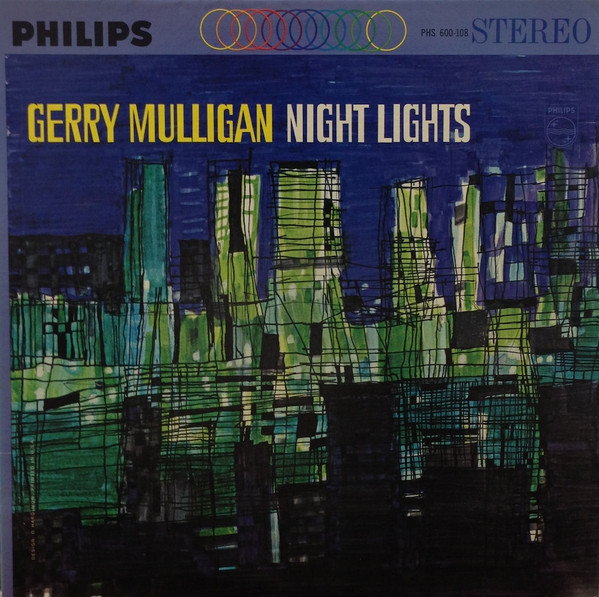
Night Lights
Release Date: 1963
Country / Region: US
Tracklist
- Night Lights (4:50)
- Morning Of The Carnival From " Black Orpheus " (5:24)
- Wee Small Hours (5:34)
- Prelude In E Minor (4:12)
- Festive Minor (6:44)
- Tell Me When (4:04)
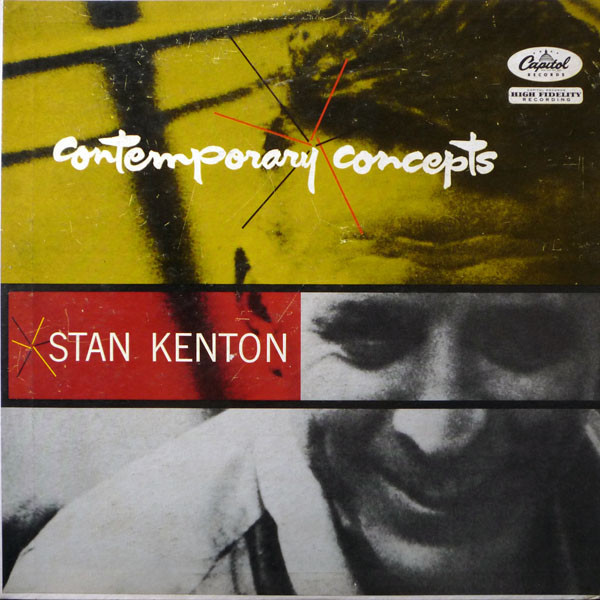
Contemporary Concepts
Release Date: 1955
Country / Region: US
Tracklist
- What's New (5:43)
- Stella By Starlight (5:11)
- I've Got You Under My Skin (5:30)
- Cherokee (3:06)
- Stompin' At The Savoy (4:36)
- Yesterdays (5:37)
- Limelight (3:08)
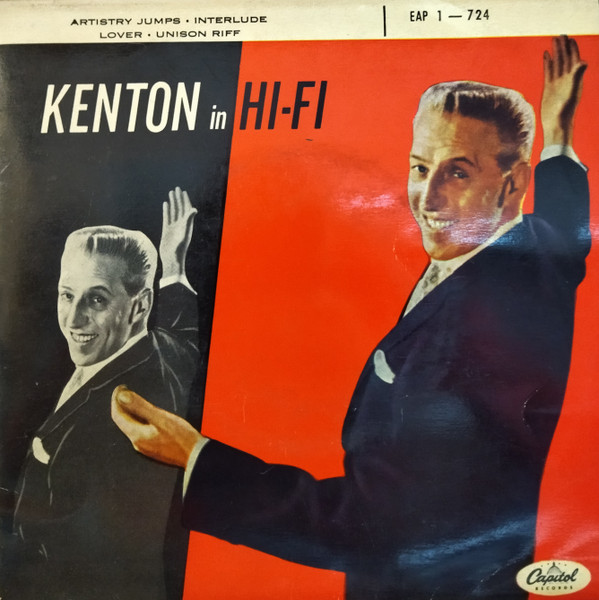
Kenton In Hi-Fi
Release Date: 1956
Country / Region: France
Tracklist
- Artistry Jumps
- Interlude
- Lover
- Unison Riff
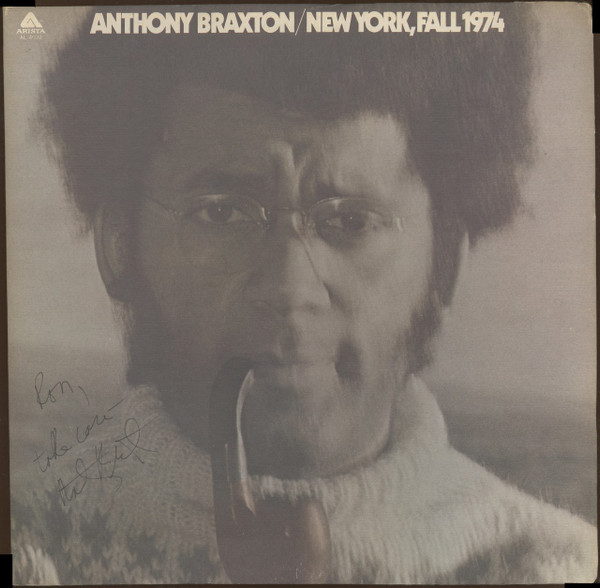
New York, Fall 1974
Release Date: 1975
Country / Region: US
Tracklist
- Cut One (8:50)
- Cut Two (3:07)
- Cut Three (7:03)
- Cut One (6:33)
- Cut Two (8:18)
- Cut Three (5:29)
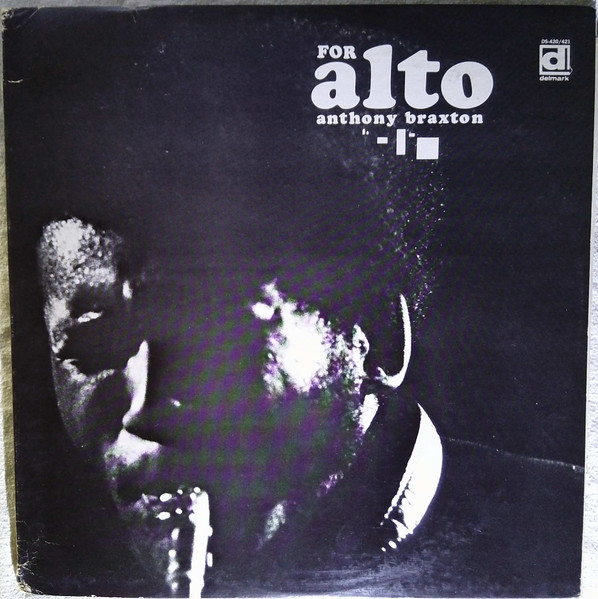
For Alto
Release Date: 1971
Country / Region: US
Tracklist
- Dedicated To Multi-Instrumentalist Jack Gell
- To Composer John Cage
- To Artist Murray De Pillars
- To Pianist Cecil Taylor
- Dedicated To Ann And Peter Allen
- Dedicated To Susan Axelrod
- To My Friend Kenny McKenny
- Dedicated To Multi-Instrumentalist Leroy Jenkins
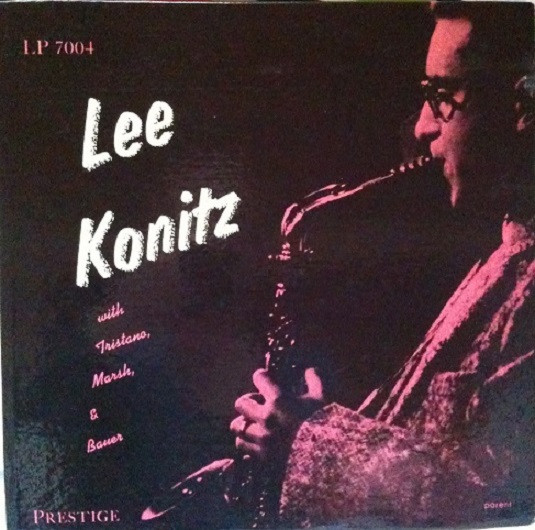
Subconscious-Lee
Release Date: 1957
Country / Region: US
Tracklist
- Subconscious-Lee
- Judy
- Progression
- Retrospection
- Ice Cream Konitz
- You Go To My Head
- Marshmallow
- Fishin' Around
- Tautology
- Sound-Lee
- Palo Alto
- Rebecca
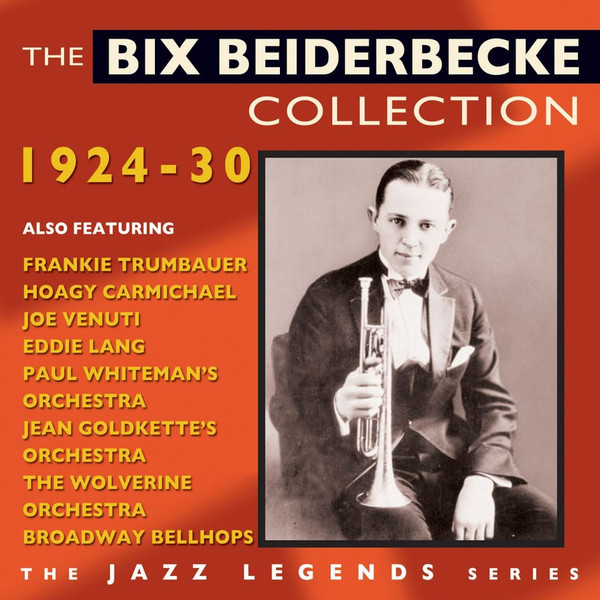
The Bix Beiderbecke Collection 1924-1930
Release Date: 2014-04-15
Country / Region: UK
Tracklist
- Fidgety Feet
- Oh Baby!
- Copenhagen
- Susie
- I Need Some Pettin'
- Tiger Rag
- Sensation
- Lazy Daddy
- Tia Juana
- Big Boy
- I Didn't Know
- Toddlin' Blues
- Davenport Blues
- Idolizing
- Sunday
- Proud Of A Baby Like You
- I'm Gonna Meet My Sweetie Now
- My Pretty Girl
- Look At The World And Smile
- Trumbology
- Slow River
- For No Reason At All In C
- In My Merry Oldsmobile
- There's A Cradle In Caroline
- In A Mist
- Clementine
- Wringin' And Twistin'
- Krazy Kat
- Humpty Dumpty
- There Ain't No Land Like Dixieland To Me
- Just An Hour Of Love
- I'm Wonderin' Who
- (What Are You Waiting For) Mary
- Lonely Melody
- There Ain't No Sweet Man That's Worth The Salt Of My Tears
- Dardanella
- Mississippi Mud
- Sugar
- Lovable
- Thou Swell
- My Pet
- Taint So, Honey, 'Taint So
- Sentimental Baby
- Futuristic Rhythm
- I'm In Seventh Heaven
- Reaching For Someone (And Not Finding Anyone There)
- Oh Miss Hannah
- Waiting At The End Of The Road
- I'll Be A Friend With Pleasure
- Georgia On My Mind
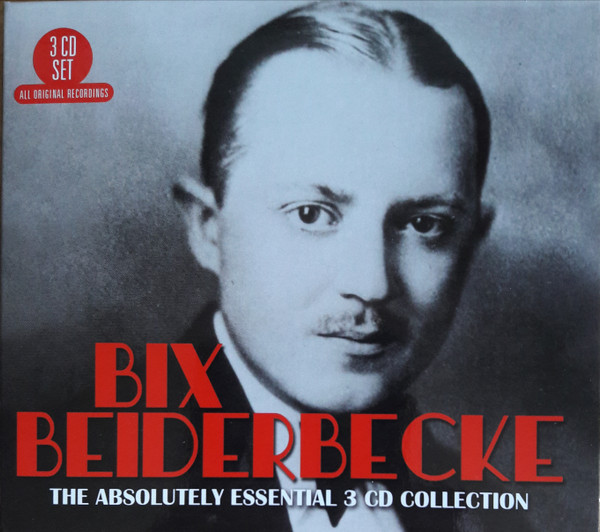
The Absolutely Essential Collection
Release Date: 2015
Country / Region: Europe
Tracklist
- Fidgety Feet (2:27)
- Oh Baby (2:18)
- Copenhagen (2:30)
- Susie (Of The Islands) (2:38)
- I Need Some Pettin' (2:54)
- Royal Garden Blues (2:57)
- Tiger Rag (2:36)
- Big Boy (2:51)
- I'm Glad (3:13)
- Toddlin' Blues (2:47)
- Davenport Blues (2:52)
- I'm Looking Over A Four Leave Clover (3:16)
- I'm Gonna Meet My Sweetie Now (2:51)
- Trumbology (3:01)
- Clarinet Marmalade (3:14)
- Singin' The Blues (3:02)
- Slow River (3:01)
- Riverboat Shuffle (3:15)
- I'm Coming, Virginia (3:15)
- Way Down Yonder In New Orleans (2:54)
- For No Reason At All In 'C' (3:06)
- Three Blind Mice (3:08)
- Blue River (3:26)
- There's A Cradle In Caroline (3:09)
- In A Mist (2:46)
- Clementine (From New Orleans) (3:03)
- Wringin' And Twistin' (3:00)
- Humpty Dumpty (3:07)
- Krazy Kat (3:05)
- The Baltimore (3:05)
- At The Jazz Band Ball (2:59)
- Jazz Me Blues (3:11)
- Goose Pimples (3:23)
- Sorry (2:59)
- Cryin' All Day (3:09)
- A Good Man Is Hard To Find (3:06)
- Since My Best Gal Turned Me Down (3:11)
- Changes (2:52)
- Lonely Melody (2:59)
- There'll Come A Time (2:59)
- Jubilee (3:22)
- San (3:24)
- Mississippi Mud (3:14)
- There Ain't No Sweet Man That's Worth The Salt Of My Tears (3:36)
- Dardanella (3:06)
- Love Nest (3:12)
- Sugar (3:17)
- Borneo (3:15)
- My Pet (3:12)
- Somebody Stole My Gal (3:00)
- Thou Swell (2:49)
- Louisiana (3:03)
- You Took Advantage Of Me (2:57)
- Ol' Man River (3:08)
- Wa-Da-Da (Everybody's Doing It Now) (3:05)
- Rhythm King (3:26)
- Margie (3:01)
- Raisin' Tha' Roof (3:01)
- Louise (2:57)
- China Boy (2:43)
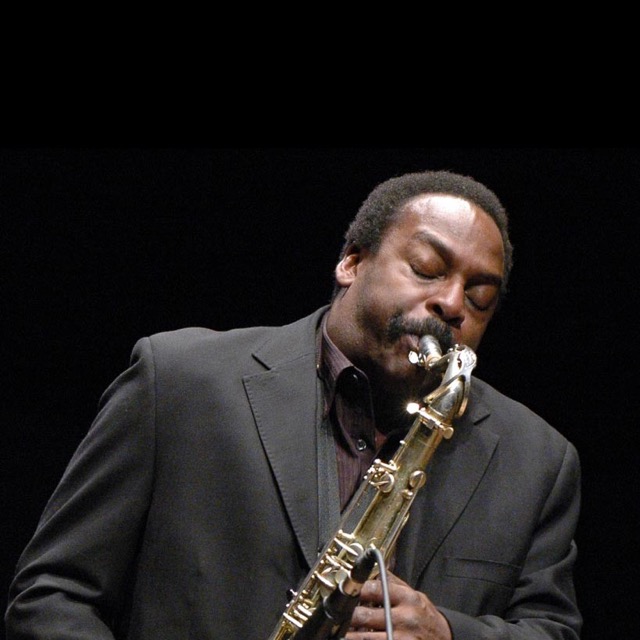
David Murray
After moving to New York in 1975, Murray established himself in the city’s loft-jazz scene and became a major voice in free and avant-garde jazz. His improvising is adventurous yet grounded in swing, blues, gospel and R&B, giving his playing a distinctive, recognizable sound.
Murray is a founding member of the World Saxophone Quartet, an ensemble that toured and recorded for four decades. He has also led groups including the David Murray Octet and written for a range of settings. His collaborators include Max Roach, Randy Weston, Pharoah Sanders, McCoy Tyner and Taj Mahal.
A Pomona College alumnus, Murray has remained active on stages and in studios around the world. His honors include the Bird Award, a Guggenheim Fellowship and the Danish Jazzpar Prize. His official biography credits him with more than 200 albums under his own name, across free jazz, big-band projects, opera and cross-genre collaborations.
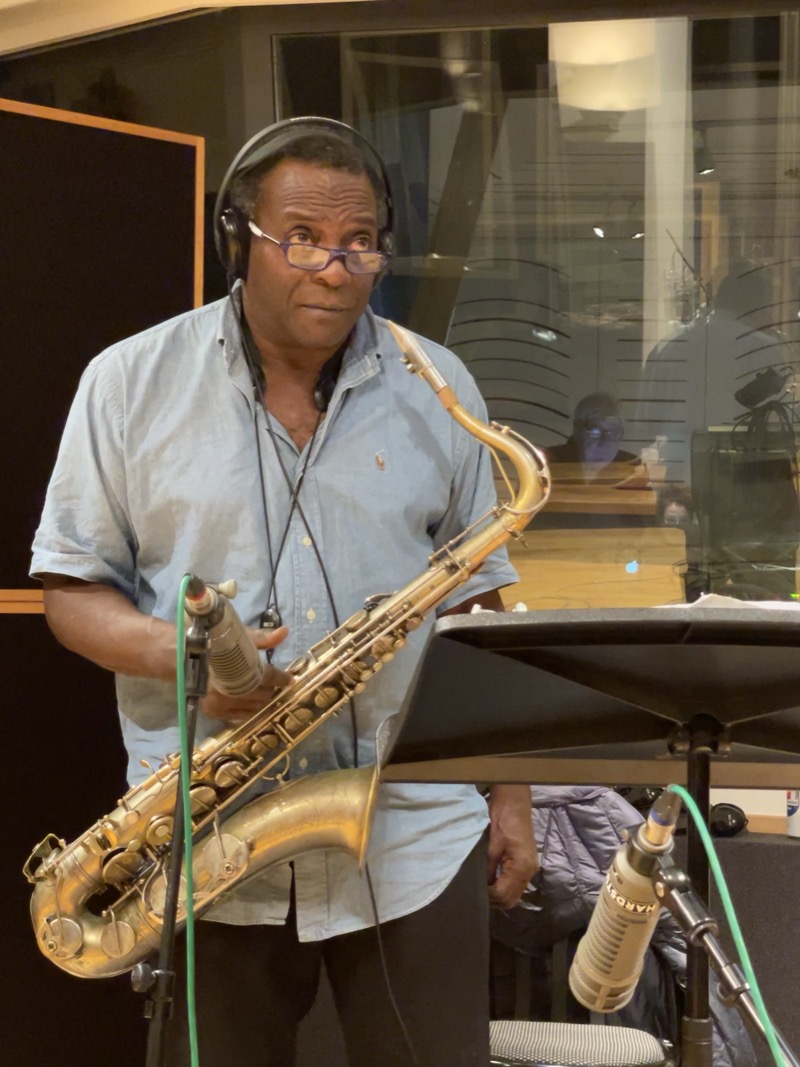
Sources: David Murray official biography; Pomona College profile; AllMusic. Photos: Dietmar Liste, CC BY 3.0; Francesca Cinelli Murray, CC BY-SA 4.0. Artist profiles:Discogs;Spotify;Apple Music。

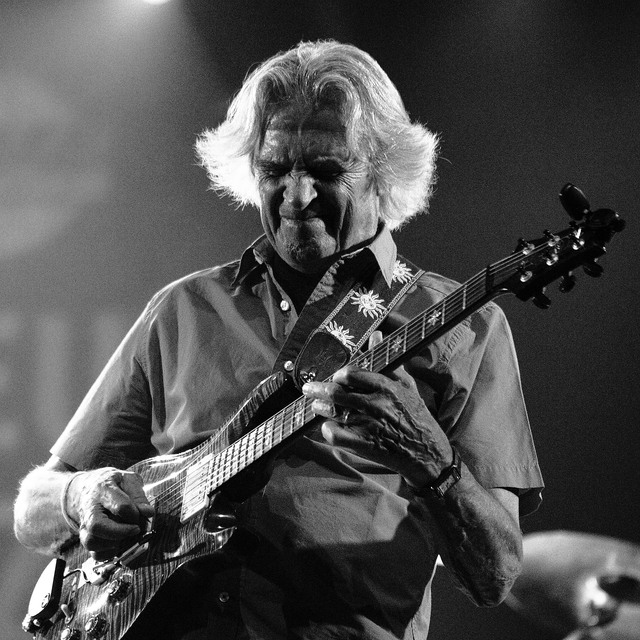
John McLaughlin
McLaughlin began playing guitar at eleven and has described early influences from blues and swing. During the 1960s he worked in the British scene with musicians including Alexis Korner and Graham Bond. He later moved to New York, joined Tony Williams's Lifetime, and played on recordings by Miles Davis.
In 1971 he formed the Mahavishnu Orchestra, exploring the meeting of jazz and rock through electric guitar, ensemble playing, and improvisation. His individually credited albums Extrapolation, Devotion, and My Goal's Beyond trace early post-bop, electric fusion, and acoustic directions; Discogs lists these releases under his personal artist entry.
McLaughlin subsequently formed Shakti with Indian musicians, developing acoustic music that brought Indian classical traditions into dialogue with improvisation. He also continued to record as a solo artist and in collaborations, including a guitar trio with Al Di Meola and Paco de Lucía. This profile keeps his individual artist identity separate from group entries such as Mahavishnu Orchestra and Shakti.
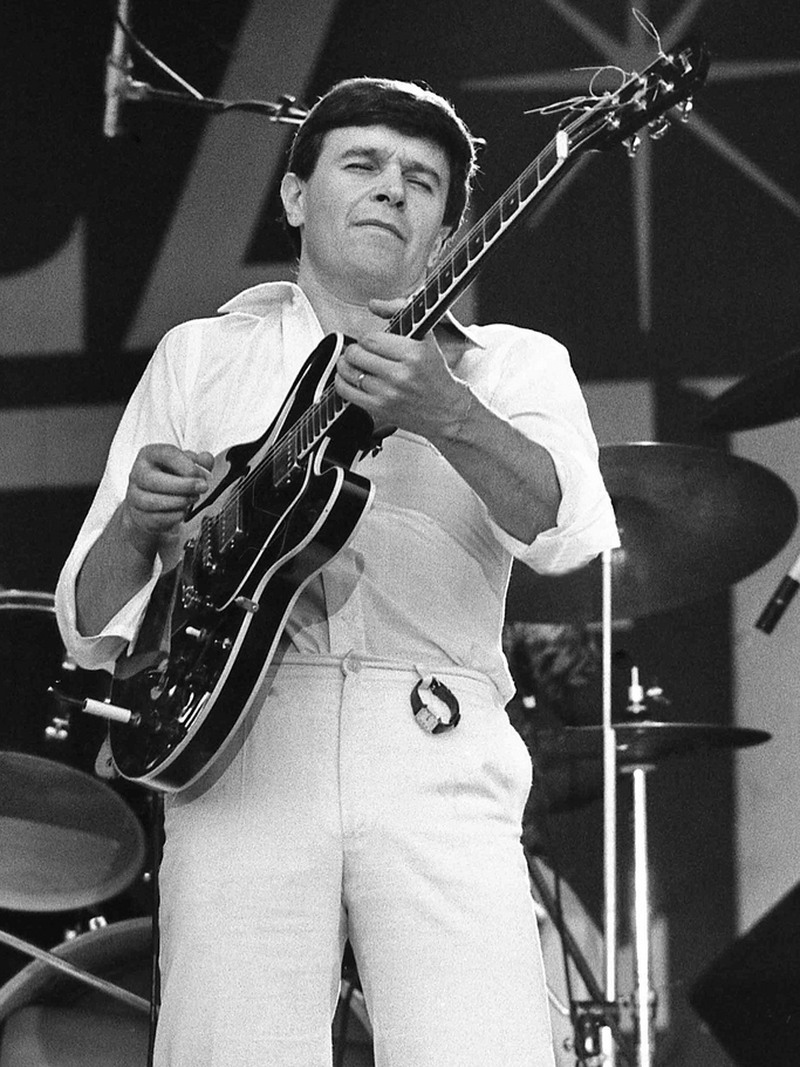
Biographical and recording references: Library of Congress authority record; MusicBrainz person entry; Discogs artist entry; Apple Music jazz artist page. Photographs: Jean Thévenoux (CC BY-SA 2.0); Chris Hakkens (CC BY-SA 2.0).


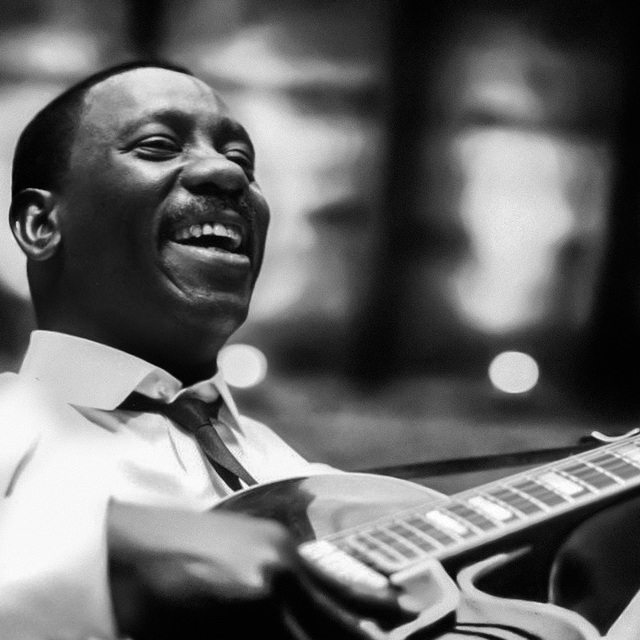
Wes Montgomery
He played without a pick, using his thumb, and often built melodies from octaves and chords. Concord notes that he handled octave and chordal passages with the fluency of single lines, shaping detailed solos that broadened the possibilities of the jazz guitar.
Montgomery briefly worked under his given name with Lionel Hampton from 1948 to 1950. He then returned to Indianapolis, where he supported his family, worked as a welder, and played local club engagements while developing his distinctive approach. His brothers were bassist Monk Montgomery and vibraphonist-pianist Buddy Montgomery.
After Cannonball Adderley and Gunther Schuller heard him in Indianapolis, word of mouth helped lead to a Riverside recording contract in 1959. Montgomery later recorded with Milt Jackson, Jimmy Smith, and Wynton Kelly, among others. Albums such as The Incredible Jazz Guitar of Wes Montgomery, Full House, and A Day in the Life became central entries in his catalogue.
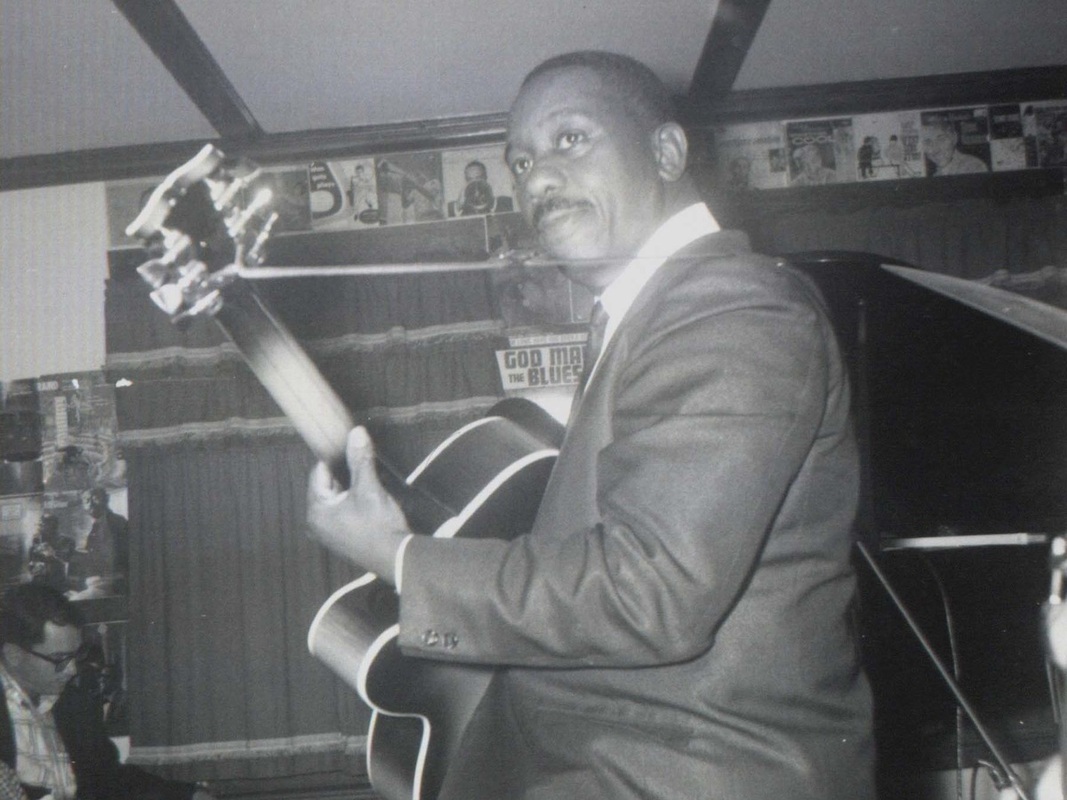
Sources: Concord Records artist biography; MusicBrainz person record; Discogs artist entry. Image records: Salem State University Archives 1965 performance photograph; original 1967 Gibson advertisement.

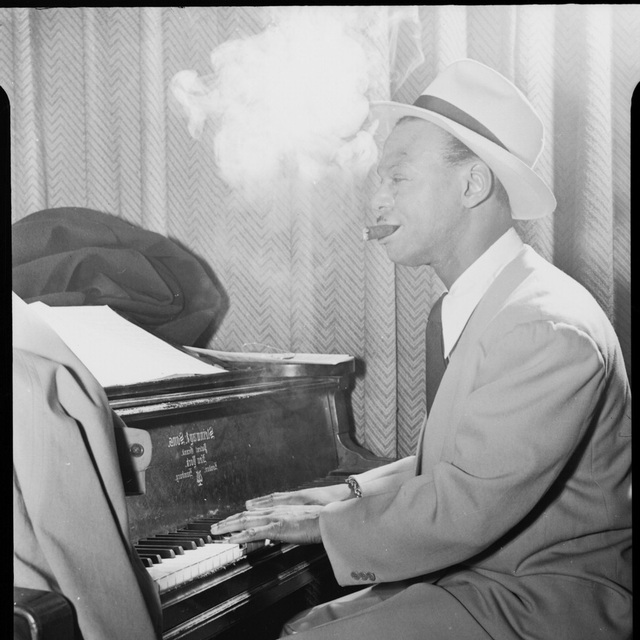
Earl Hines
Hines’s piano approach became known as “trumpet style”: the right hand shaped melodies in octaves while the left supplied chords, giving the piano line the projection of a horn solo. He worked with Louis Armstrong in the late 1920s and later joined Armstrong’s All Stars from 1948 to 1951.
Hines led successive big bands in Chicago, and his catalog also includes trio performances and recordings credited to him as an individual artist. This profile follows Discogs artist entity 257353 and keeps it distinct from separately credited groups such as Earl Hines and His Orchestra.
A 1964 booking at Manhattan’s Little Theatre renewed public attention, followed by further recording and touring. After checking each Discogs master’s main release credit, this page features three releases credited to Hines’s individual artist entity: Once Upon A Time (1966), Blues In Thirds (1967), and Tour De Force (1973).
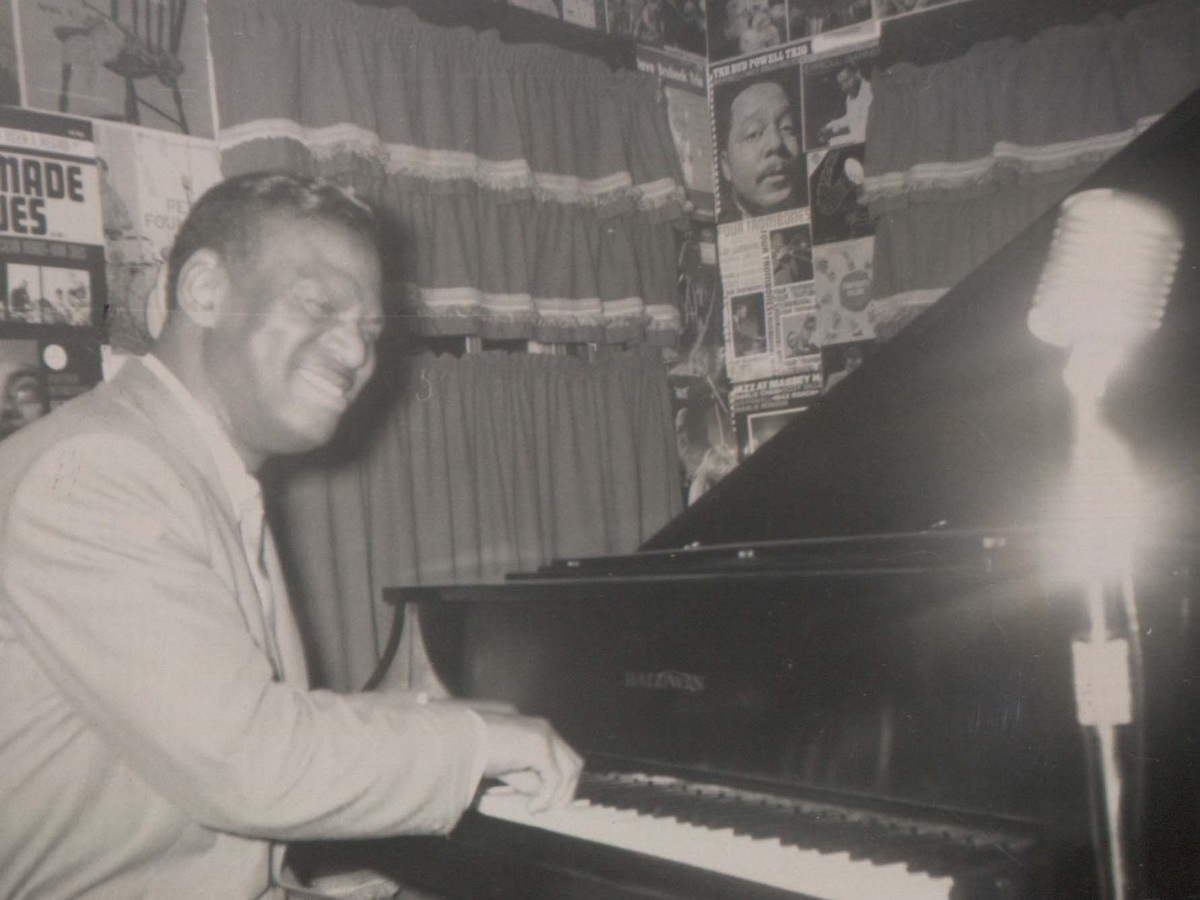
Artist and recording references: Discogs individual artist entry; MusicBrainz person record; Blue Note Records artist page. Image records: Library of Congress William P. Gottlieb photograph, circa 1947; Salem State University Archives 1966 photograph.


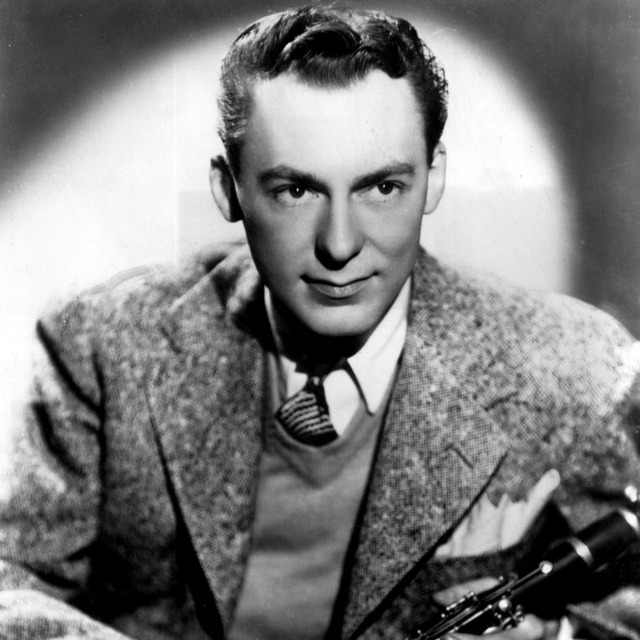
Woody Herman
Herman led successive jazz big bands whose personnel and arrangements changed across different periods. Recording references often use the name “The Herd” for these ensembles. This page represents the individual Discogs artist entity 239399 and keeps it distinct from separately credited group entries such as Woody Herman and His Orchestra.
His recordings under his individual artist credit span several decades, from big-band material to later sessions drawing on a wider range of popular styles. Discogs lists Light My Fire (1969) and Giant Steps (1973) under Herman's personal artist entry; Apple Music also maintains a separate jazz artist listing for Woody Herman.
This profile follows verifiable individual-artist credits and archival image records rather than treating ensemble releases as solo recordings. Consult the MusicBrainz person record, Discogs artist entry, and Salem State University Archives' record for the 1964 performance photograph.
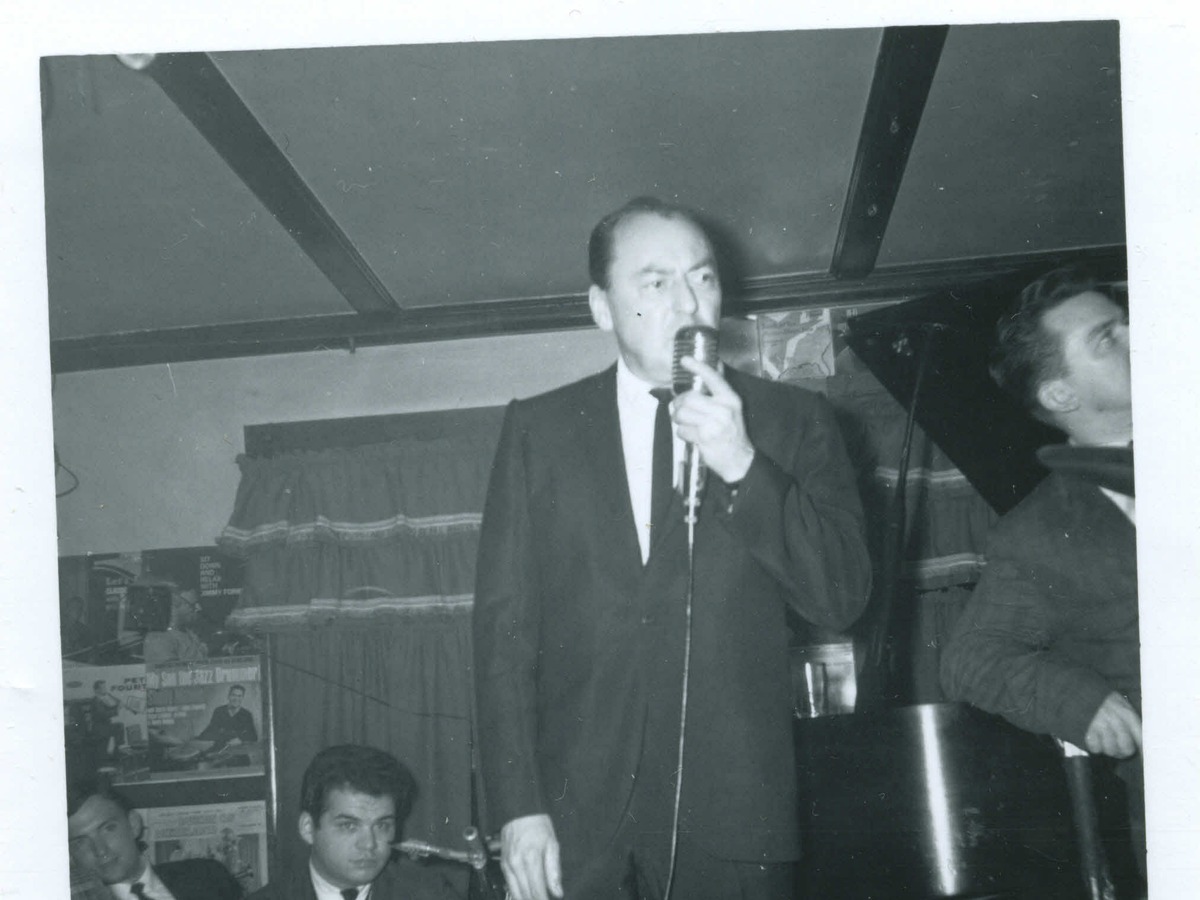
Records and archival sources: MusicBrainz person record; Discogs artist entry; circa-1943 portrait file record; Salem State University Archives 1964 performance-photo record.


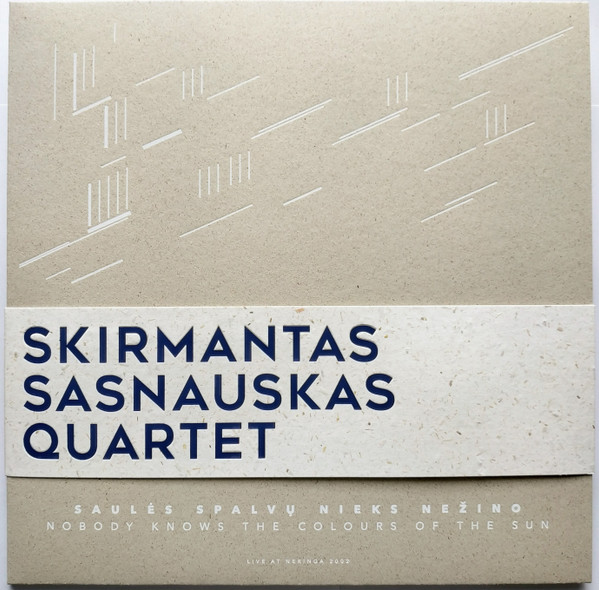
Saulės Spalvų Nieks Nežino (Live At Neringa 2002)
Scheduled release: 3 December 2026. Vinyl LP on Maqom Soul Records.
This album captures Skirmantas Sasnauskas Quartet live at Neringa in Vilnius in 2002. The lineup was assembled for a Lithuanian music programme at the Frankfurt Book Fair: Skirmantas Sasnauskas (trombone, bagpipes, voice), Juozas Milašius (guitar), Šarūnas Kačionas (bassoon) and Zigmantas Augaitis (French horn). The recording retains the atmosphere of the room and moves among jazz improvisation, Lithuanian folk material and chamber-like textures.
Saulės spalvų nieks nežino translates as Nobody Knows the Colours of the Sun. The seven tracks run approximately 42:14:
- Lopšinė (Lullaby) — 5:16
- Improvizacija lopšinei (Improvisation for a Lullaby) — 7:30
- Ratas (Circle) — 7:16
- Poezija ir upė (Poetry and the River) — 6:43
- Poezija, nerimas ir romantiška medžioklė (Poetry, Anxiety and a Romantic Hunt) — 7:05
- Tango — 5:34
- Himnas (Anthem) — 2:50
Sources: Maqom Soul Records, Discogs, and the label’s Bandcamp pre-order page. No audio file has been uploaded here.
Lietuviškos Nuotaikos
This page documents the Discogs edition of Lietuviškos Nuotaikos (release ID 3270591). Release year: 1998. Country: Lithuania. Label: Not On Label (Skirmantas Sasnauskas Self-released).
Tracklist
- Sausio 13-osios Aukoms Atminti = In Memory Of The Victims Of January 13 (6:33)
- Bažnytinis = In The Church Style (4:04)
- Apmąstymas Apie Tave = Thinking About You (3:28)
- Sūpuoklės = Swings (6:57)
- Daina = A Song (5:59)
- Sutartinė (5:47)
- Rago Svaja = Horn's Dream (2:53)
- Kreivas = Crooked (2:28)
- Sidabrinės Stygos = Silver Chords (3:10)
- Šokis = A Dance (4:16)
- Pirma Nuotaika = The First Mood (1:30)
- Šposas = A Trick (8:28)
- Trijų Sesučių Vienas Brolelis = Three Sister's One Brother (5:41)
- Piatnyčios Rytų = Friday In The Morning (6:02)
- Vilniaus Paveikslėliai = Pictures Of Vilnius (29:05)
- Antra Nuotaika = The Second Mood (1:43)
Track titles follow the release listing. Source: Discogs.
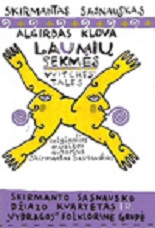
Laumių Sekmės = Witches' Tales
This page documents the Discogs edition of Laumių Sekmės = Witches' Tales (release ID 5371495). Release year: 1994. Country: Lithuania. Label: Lituanus.
Tracklist
- Pasakojimai
- Atajoja Raitas Ir Baladė
- Miškas
- Sveika Gyva
- Burtai
- Sutartinė
- Duetas
- Finalas
- Vieversėli Maž Paukšteli
Track titles follow the release listing. Source: Discogs.
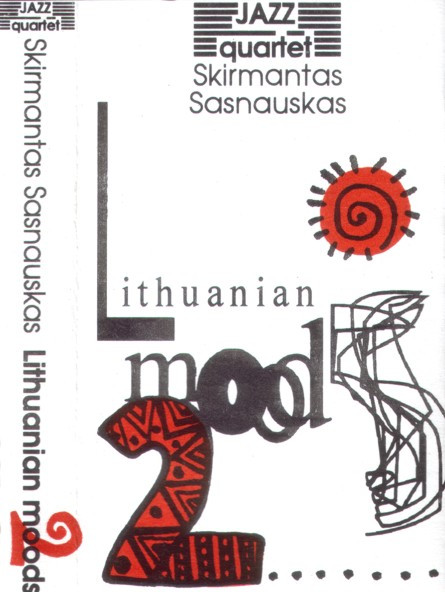
Lithuanian Moods 2 = Lietuviškos Nuotaikos 2
This page documents the Discogs edition of Lithuanian Moods 2 = Lietuviškos Nuotaikos 2 (release ID 3461416). Release year: 1994. Country: Lithuania. Label: Not On Label (Skirmanto Sasnausko Džiazo Kvartetas Self-released).
Tracklist
- Pirma Nuotaika = The First Mood (1:29)
- Šposas = A Trick (8:20)
- Rago Svajonė = Horn's Dream (2:25)
- Trijų Sesučių Vienas Brolelis = Three Sister's One Brother (5:43)
- Kreivas = Crooked (2:22)
- Sutartinė = Sutartine (5:45)
- Piatnyčos Rytų = Friday In The Morning (6:00)
- Bažnytinis = In The Church Style (4:03)
- Antra Nuotaika = The Second Mood (1:40)
Track titles follow the release listing. Source: Discogs.
Lithuanian Moods
This page documents the Discogs edition of Lithuanian Moods (release ID 6318577). Release year: 1991. Country: Lithuania. Label: Not On Label.
Date discrepancy: this Discogs cassette edition is dated 1991, while the Lithuanian Music Information Centre and Vilnius Jazz discography list the album as 1993. This page preserves the edition-specific date and notes the difference.
Tracklist
- In Memory Of The Victims Of January 13 (6:27)
- Forest (6:24)
- Thinking About You (3:22)
- Swings (4:12)
- A Song (6:33)
- Silver Chords (3:05)
- A Dance (4:10)
- Pictures Of Vilnius (28:58)
Track titles follow the release listing. Source: Discogs.
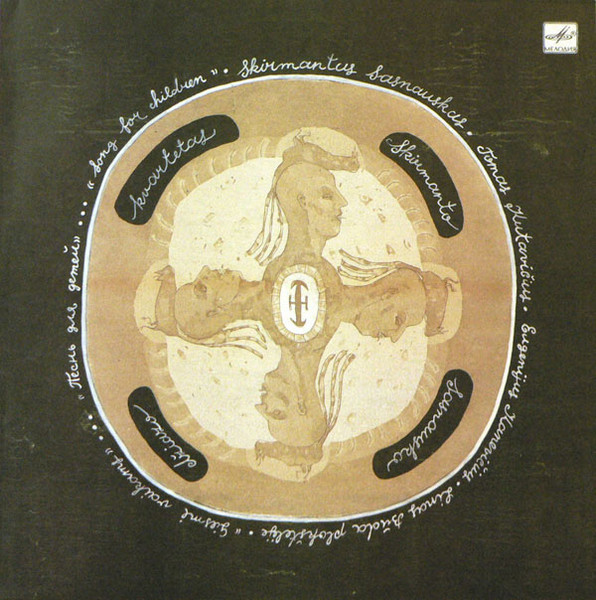
Giesmės Vaikams
This page documents the Discogs edition of Giesmės Vaikams (release ID 3748136). Release year: 1989. Country: USSR. Label: Мелодия.
Tracklist
- Giesmė Vaikams (9:50)
- Įkyrusis (11:40)
- Skudutis (8:49)
- Kaziuko Mugė (7:37)
Track titles follow the release listing. Source: Discogs.
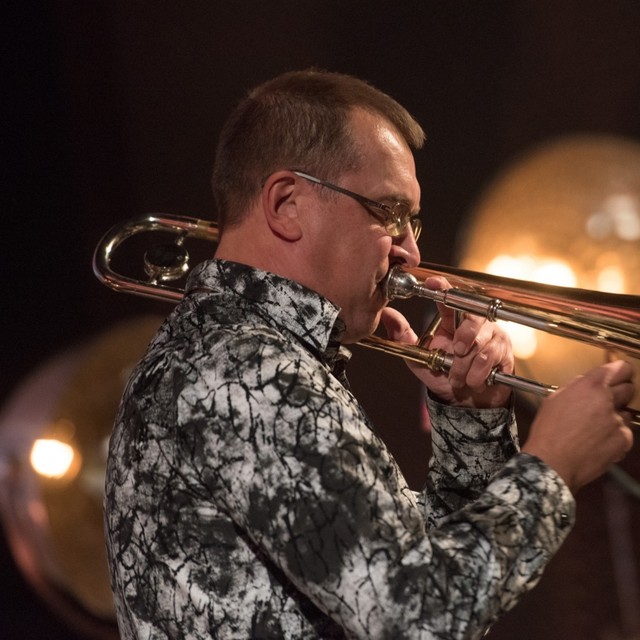
Skirmantas Sasnauskas Quartet
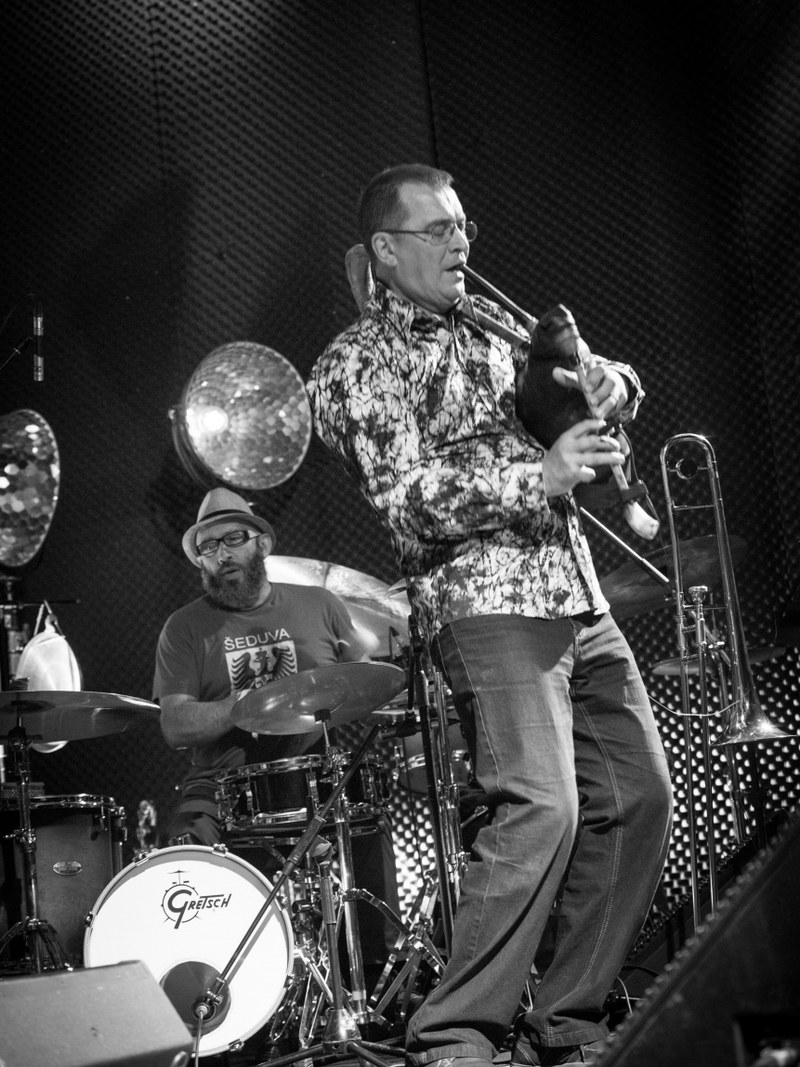
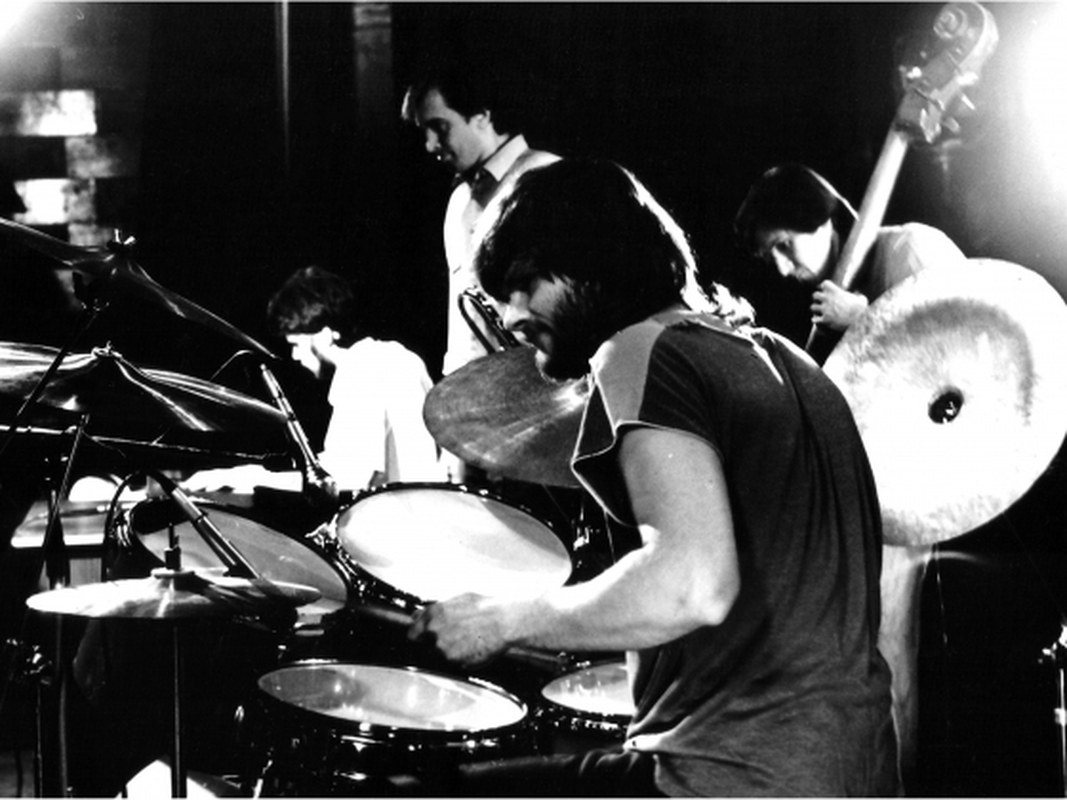
Skirmantas Sasnauskas Quartet is a Lithuanian ensemble founded in 1986 by jazz trombonist, multi-instrumentalist and composer Skirmantas Sasnauskas (born 1961). Sasnauskas’s sound draws on trombone, bagpipes and other Lithuanian folk instruments, as well as voice; he is regarded as an important figure in Lithuanian modern jazz and ethno-jazz.
The quartet’s personnel has changed across periods and projects. Its music brings jazz improvisation into conversation with Lithuanian folk traditions and contemporary classical or chamber-music textures. Representative recordings include Song for Children (1989), Lithuanian Moods (1993), Lithuanian Moods 2 (1994), and Witches’ Tales / Laumių sakmės (1994; issued on CD in 2002), made with folk group Vydraga. In 1992, the quartet and Vydraga received the Birštonas Jazz Festival Grand Prix for the Witches’ Tales programme.
For a Lithuanian music programme at the 2002 Frankfurt Book Fair, Sasnauskas formed a special quartet with Juozas Milašius (guitar), Šarūnas Kačionas (bassoon) and Zigmantas Augaitis (French horn), alongside Sasnauskas on trombone, bagpipes and voice. Recorded live at Neringa in Vilnius, the performance is scheduled for release by Maqom Soul Records on 3 December 2026 as Saulės spalvų nieks nežino (Live at Neringa 2002), translated as Nobody Knows the Colours of the Sun. The music moves between improvising jazz, Lithuanian folk material and chamber-like colour.
Sources: Lithuanian Music Information Centre, Vilnius Jazz discography, Vilnius Jazz 2002 profile, and the Maqom Soul Records press kit. The 1988 quartet photograph is identified by the Vilnius Jazz archive.
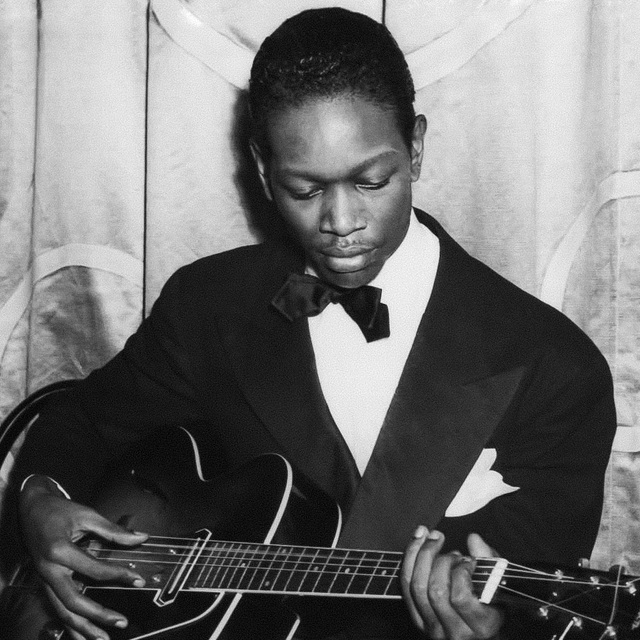
Charlie Christian
Charlie Christian (Charles Henry Christian, July 29, 1916–March 2, 1942) was an American swing and jazz guitarist and an early pioneer of electric-guitar performance. The University of California, Santa Barbara’s Discography of American Historical Recordings records his life dates and identifies him as a swing and jazz guitarist.
From August 1939 to June 1941, Christian was a member of the Benny Goodman Sextet and Orchestra. UCSB’s historical-recording archive notes that this association brought him national exposure.
Christian moved the electric guitar beyond its conventional rhythm-section role and into the solo spotlight, using single-note lines for improvisation. The Rock & Roll Hall of Fame’s essay says his technique demonstrated that the guitar could function as a lead instrument and influenced later generations of bebop guitarists.
His career was brief, but his recordings and session history remain part of jazz scholarship. UCSB’s DAHR preserves recording-history documentation, and the Rock & Roll Hall of Fame inducted Christian in 1990.
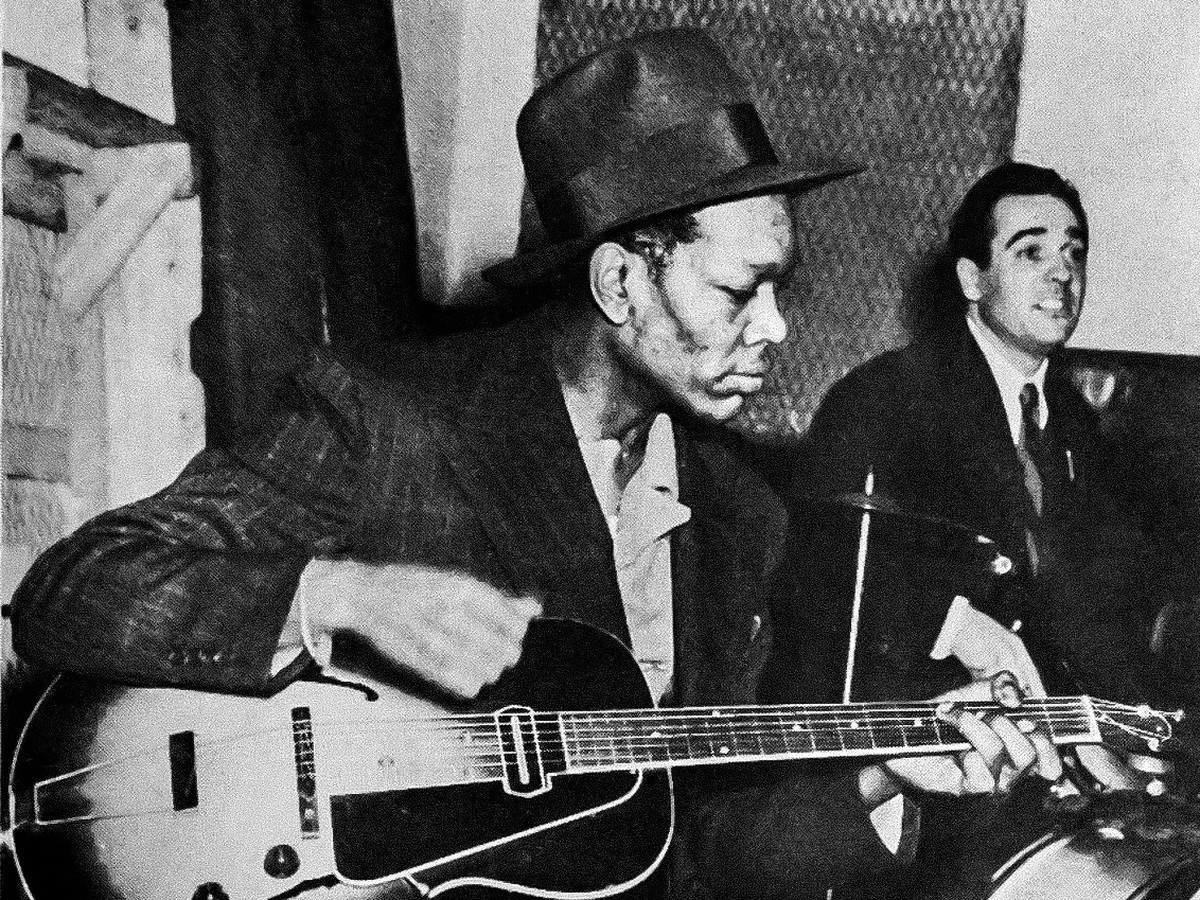

Sources: UCSB Discography of American Historical Recordings; Rock & Roll Hall of Fame; Oklahoma Jazz.
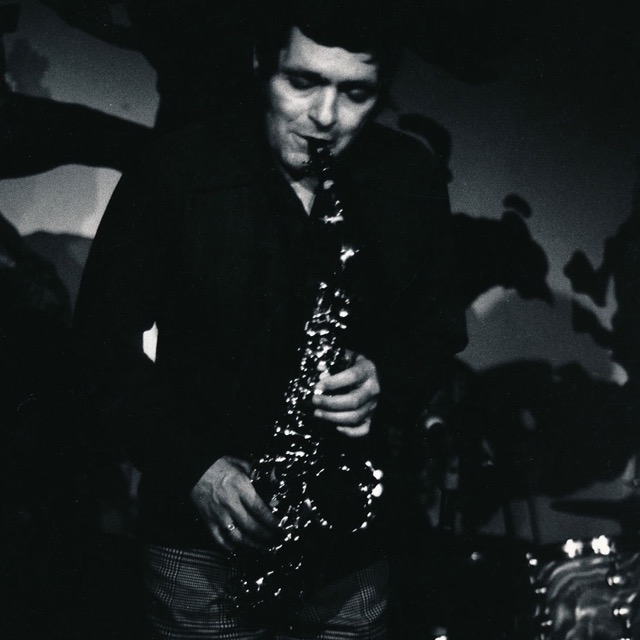
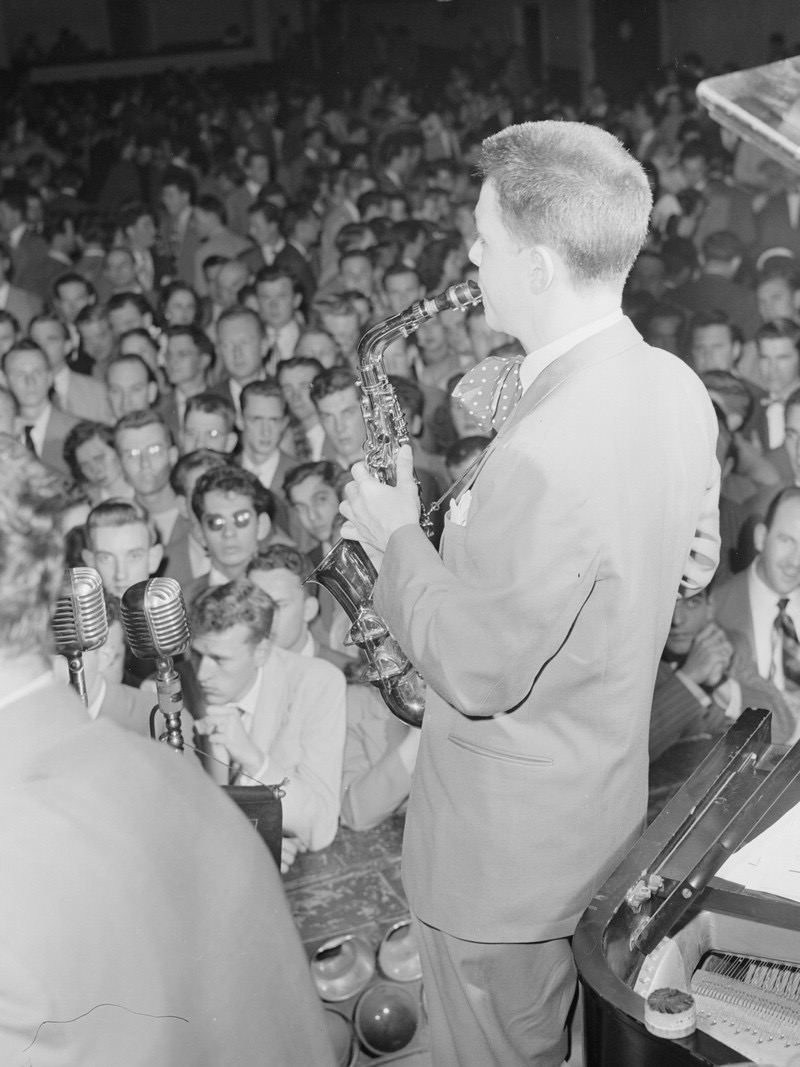
Art Pepper
Pepper first drew wider attention through his work with Stan Kenton’s orchestra, then became one of the most distinctive soloists associated with 1950s West Coast jazz. His playing paired clear melodic lines and an easy swing with a searching, emotionally charged tone; it could sound poised one moment and urgent the next. Concord Records describes him as a West Coast jazz musician, while AllMusic identifies him as a major figure of the scene.
Among his best-known recordings are Art Pepper Meets the Rhythm Section (1957), made with Miles Davis’s rhythm section; Art Pepper + Eleven (recorded in 1959 and released in 1960); Gettin’ Together!; and Smack Up. After interruptions in his career, Pepper returned to sustained recording and touring in the 1970s, leaving a substantial body of work that includes Living Legend, The Trip, and live recordings from the Village Vanguard.
With his wife Laurie Pepper, he co-wrote the autobiography Straight Life, a candid account of his music and life. A good listening path begins with Meets the Rhythm Section, then moves to the larger arrangements on + Eleven and the live improvisations preserved on Thursday Night at the Village Vanguard.
Sources: Concord Records · Omnivore Recordings · AllMusic · Library of Congress。
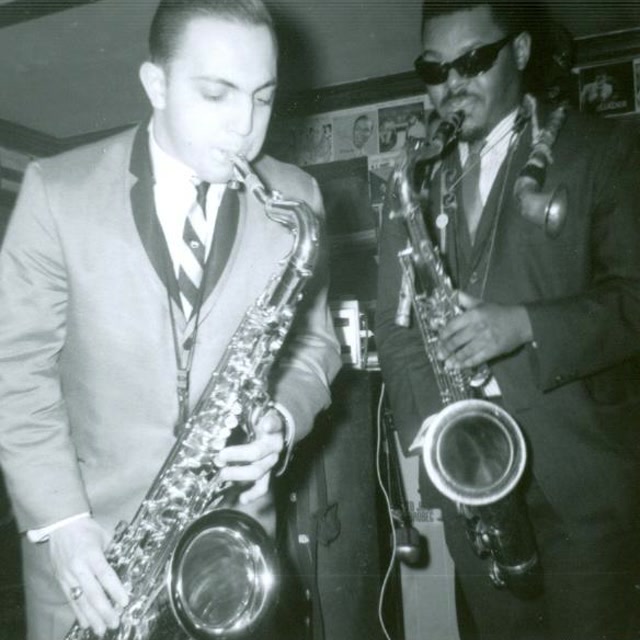
Rahsaan Roland Kirk
Kirk’s discography spans early recordings issued as Roland Kirk and later albums credited as Rahsaan Roland Kirk. Verifiable releases with his personal artist ID as a main credit include We Free Kings, Domino, I Talk With The Spirits, The Inflated Tear, Volunteered Slavery, Blacknuss, Bright Moments, and The Return Of The 5000 Lb. Man. Each Discogs release credit was checked against artist ID 218045; Discogs community collection counts are used only as a relative popularity signal, not as sales figures.
The photographs here come from the Lennie's on the Turnpike Collection at Salem State University Archives and document Kirk performing in Peabody in 1964. Copyright and reuse terms are stated in each caption. Biographical identity and name forms are documented by the Library of Congress authority record and MusicBrainz artist record; recording credits are indexed on his individual Discogs artist page.
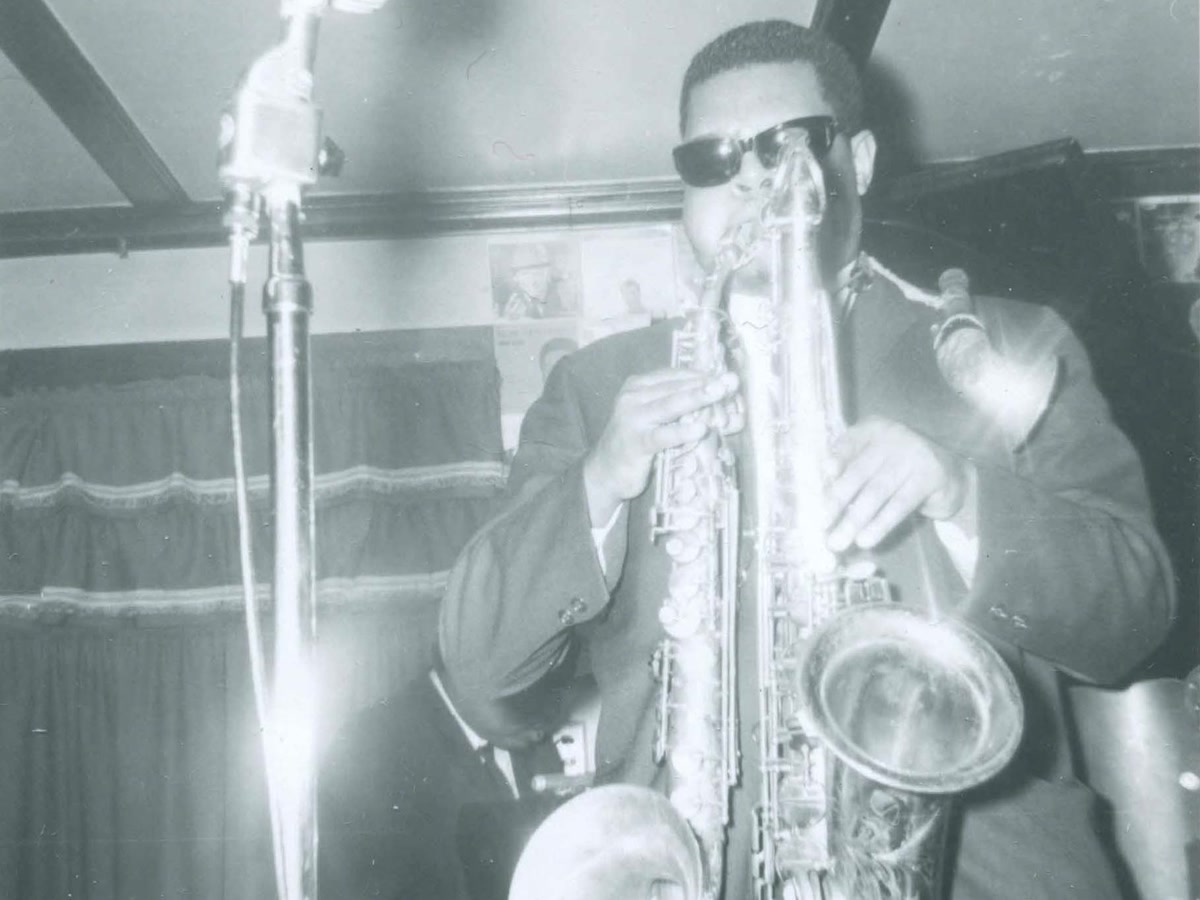


Fletcher Henderson
After failing to find work in chemistry, Henderson turned to music. He worked as a house pianist for Black Swan Records and toured with singer Ethel Waters. His orchestra began recording in 1921 and brought together leading musicians, including arranger Don Redman and, later, trumpeter Louis Armstrong. Redman's arrangements balanced tightly coordinated ensemble writing with room for improvisation; the New Georgia Encyclopedia describes this as part of the movement toward the swing era.
Henderson disbanded his orchestra in 1935 and became an arranger, and occasional accompanist, for Benny Goodman. Goodman credited much of his success to Henderson's arrangements. Henderson suffered a stroke in 1950 and died in New York in 1952; he was inducted into the Georgia Music Hall of Fame in 1989. See the New Georgia Encyclopedia for the biographical account. Discogs identifies this individual artist as ID 307323; this page is distinct from the separately credited group, Fletcher Henderson And His Orchestra.


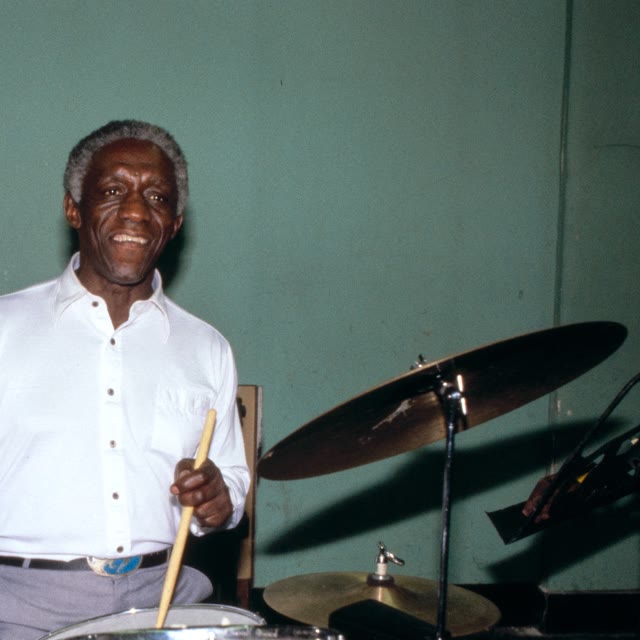
Art Blakey
Blakey's early work included engagements with Mary Lou Williams, Fletcher Henderson, and Billy Eckstine. In the 1950s he joined Horace Silver, Clifford Brown, and other musicians in the initially cooperative Jazz Messengers. After Brown and then Silver left to form their own bands, Blakey became the group's leader and continued to guide successive line-ups.
The NEA describes the Messengers' music as hard bop: a more hard-driving, blues-oriented development of bebop. It also notes Blakey's distinctive drumming, which urged on his colleagues' solos, and his mentorship of generations of young musicians. This profile is for the individual artist Art Blakey, Discogs artist ID 29977, and is distinct from the site's existing group page for Art Blakey & The Jazz Messengers. See the National Endowment for the Arts and Blue Note Records for further information.
The cover portrait was made in 1981 by Bernard Gotfryd and is held by the Library of Congress; it is public domain. The body photograph shows Blakey performing with fellow musicians at Amsterdam's Concertgebouw in 1960. It was taken by Ben van Meerendonk, is held by IISG, Amsterdam, and is licensed CC BY-SA 2.0. Cover image source; body image source.


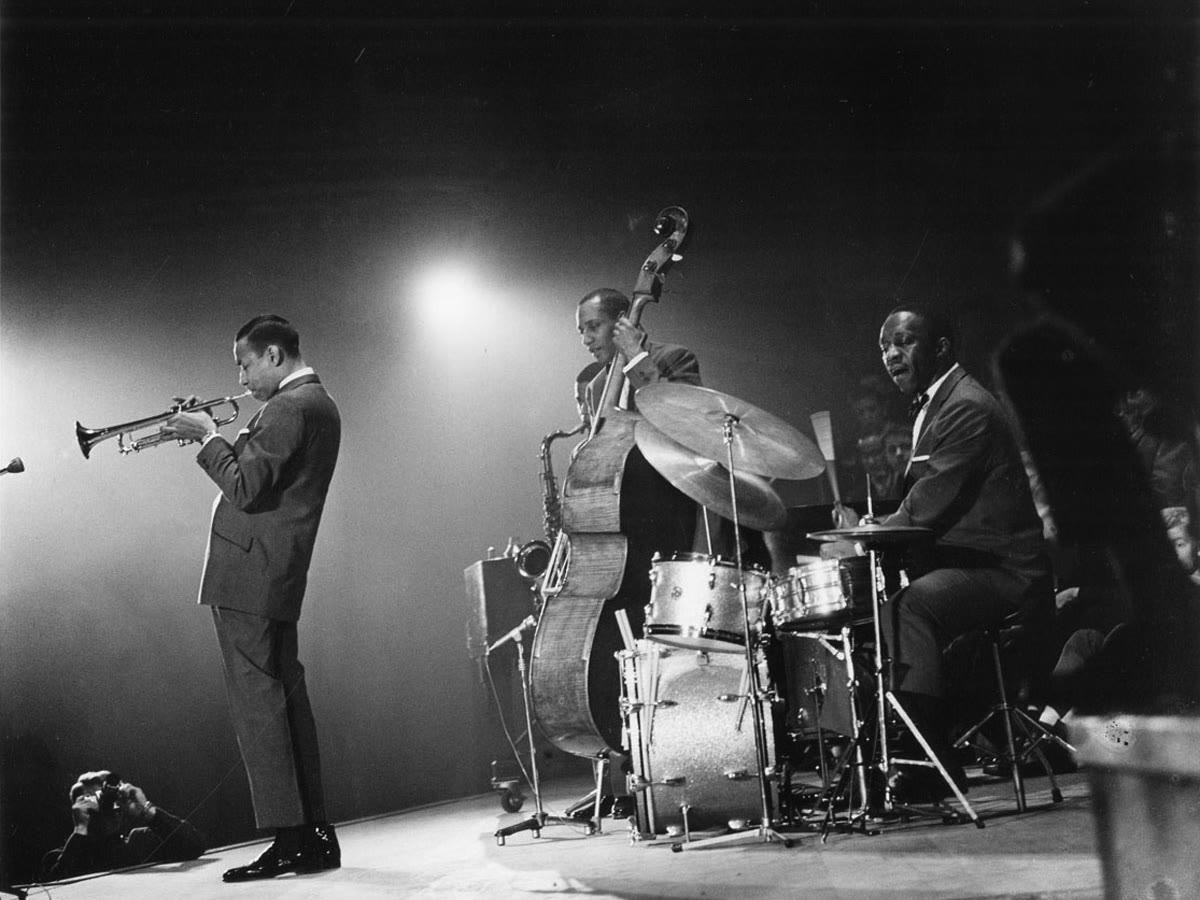
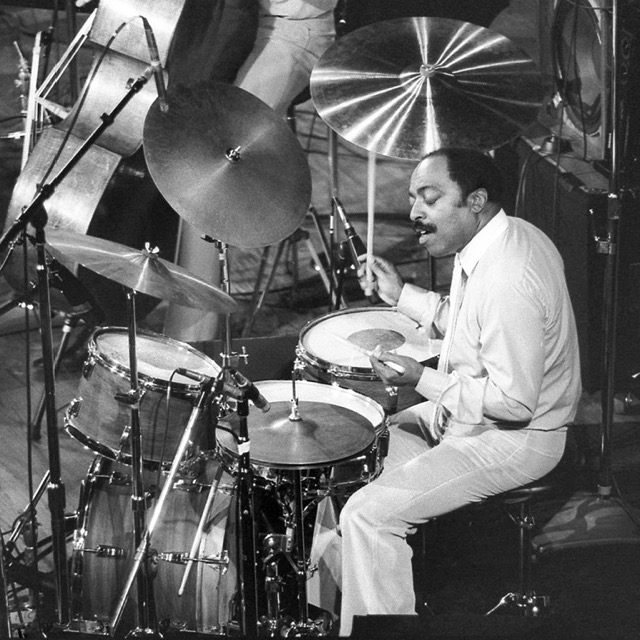
Roy Haynes
Roy Haynes (1925–2024) was an American jazz drummer and bandleader from Roxbury, Boston. A 1995 NEA Jazz Master, he took part in jazz from the swing era onward, recognized for crisp time, a flexible touch and an alert, conversational approach to ensemble playing.
Haynes joined Luis Russell’s band in 1945 and later worked with Lester Young. From 1949 to 1952 he played in Charlie Parker’s quintet; he then toured with Sarah Vaughan and worked with Thelonious Monk, Miles Davis, Bud Powell and Stan Getz. In the early 1960s he occasionally substituted for Elvin Jones in John Coltrane’s quartet, bringing a lighter, more open rhythmic feel to performances and recordings.
Beginning in the late 1950s, Haynes also recorded and toured regularly as a leader. His 1970s Hip Ensemble embraced the emerging sounds of funk and jazz fusion. Later collaborations included Gary Burton, Chick Corea and Pat Metheny, as well as a trio with pianist Danilo Pérez and bassist John Patitucci.
Haynes moved comfortably among swing, bebop, fusion and avant-garde jazz. His buoyant pulse could drive a band while leaving room for melody and improvisation. He received Denmark’s Jazzpar Prize in 1994, and his long recording and performance career influenced generations of drummers.


Sources: National Endowment for the Arts · Blue Note Records
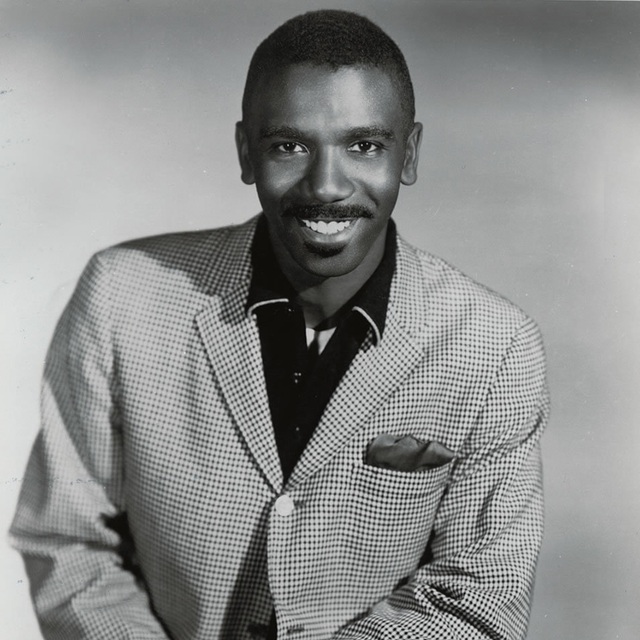
Jimmy Smith
Jimmy Smith (December 8, 1928, Norristown, Pennsylvania–February 8, 2005, Scottsdale, Arizona) was an American jazz organist and bandleader. His parents taught him piano; by age fourteen he was playing stride piano and performing with his father. After joining the U.S. Navy at fifteen, he studied bass and piano at the Hamilton School of Music and Ornstein’s School of Music.
After music school, Smith turned to the Hammond organ and spent a year practicing in a warehouse. The National Endowment for the Arts notes that he helped move the Hammond B-3 from a novelty sound in jazz to a central solo and ensemble instrument. Through recordings with organ trios and larger groups, Smith became a key figure in the development of jazz organ during the 1950s and 1960s.
Smith’s Blue Note recordings include The Sermon! and Back at the Chicken Shack. The Sermon! is built around three extended performances; guitarist Kenny Burrell and drummers Art Blakey and Donald Bailey appear across its session personnel. Jimmy Smith leads on Hammond organ. Discogs lists Jimmy Smith (artist ID 29981) as the primary artist on the 1959 LP edition of The Sermon!.
Smith received the National Endowment for the Arts’ NEA Jazz Masters honor in 2005. The page’s cover uses a 1958 publicity portrait by Bruno of Hollywood (public domain; Wikimedia Commons file page). The body photograph was taken by Jon Hammond and is licensed CC BY-SA 3.0 (Wikimedia Commons file page). Further biographical information is available from the National Endowment for the Arts.