The Audience With Betty Carter
Release Date: 1980
Country: US
Tracklist
- Sounds (Movin' On) (25:22)
- I Think I Got It Now (3:32)
- Caribbean Sun (4:17)
- The Trolley Song (3:37)
- Everything I Have Is Yours (6:17)
- I'll Buy You A Star (2:14)
- I Could Write A Book (3:47)
- Can't We Talk It Over (7:26)
- Either It's Love Or It Isn't
- Deep Night (2:46)
- Spring Can Really Hang You Up The Most (7:24)
- Tight (3:43)
- Fake (4:16)
- So.......... (7:03)
- My Favourite Things (4:50)
- Open The Door (Theme Song) (5:10)

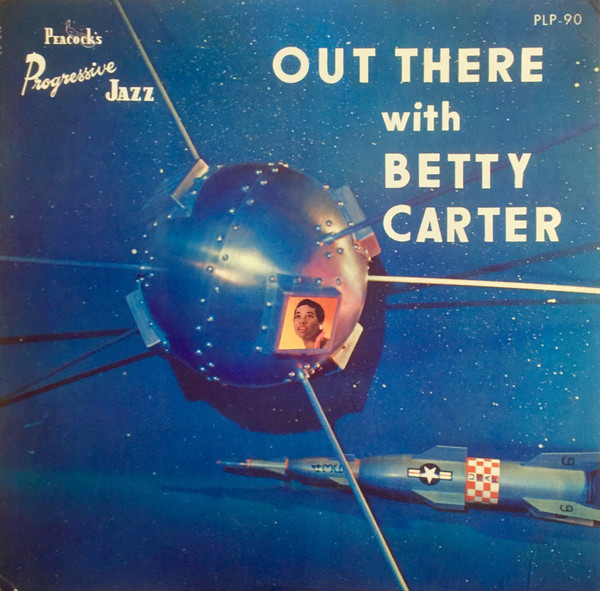
Out There With Betty Carter
Release Date: 1958
Country: US
Tracklist
- You're Driving Me Crazy (1:45)
- I Can't Help It (2:44)
- By The Bend Of The River (2:07)
- Bab's Blues (2:49)
- Foul Play (2:21)
- You're Getting To Be A Habit (3:30)
- On The Isle Of May (2:02)
- But Beautiful (3:58)
- All I've Got (2:15)
- Make It Last (4:30)
- Blue Bird Of Happiness (1:30)
- Something Wonderful (3:35)

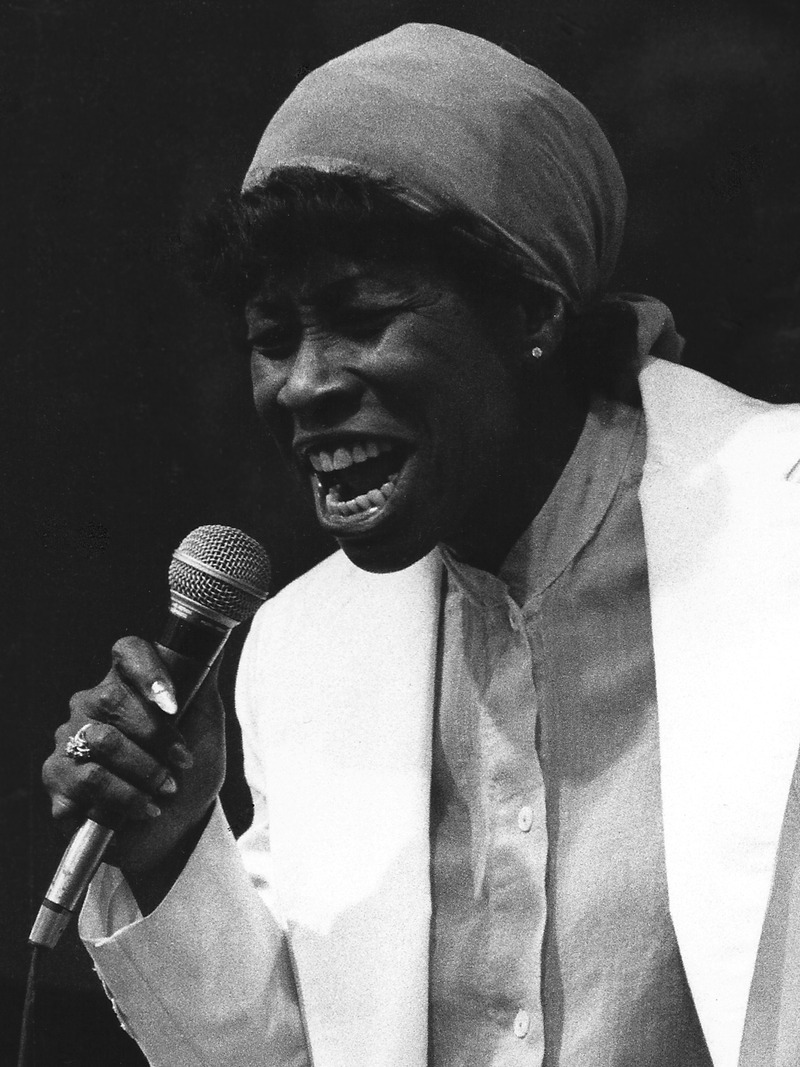
Betty Carter
Betty Carter (born Lillie Mae Jones on May 16, 1929, in Flint, Michigan; died September 26, 1998, in New York) was an American jazz singer. She grew up in Detroit, where her father, James Jones, directed music at a local church. She entered the Detroit Conservatory of Music to study piano at 15 and began singing at 16. Because she was too young to enter bars, she even obtained a false birth certificate to get into performances.
In 1948, Carter joined Lionel Hampton’s big band on tour. Her enthusiasm for bebop earned her the nickname “Betty Bebop.” Hampton would not let her sing ballads, so the experience pushed her to develop scat singing into her own language. In the 1950s, she recorded for Peacock, Epic, and ABC-Paramount. Meet Betty Carter and Ray Bryant (1956), Out There with Betty Carter (1958), The Modern Sound of Betty Carter (1960), and the duet album Ray Charles and Betty Carter (1961) are among the highlights of that period.
Carter receded from the mainstream for a time in the 1960s. In the 1970s, she founded her own label, Bet-Car, and took charge of producing, releasing, and distributing her records. Now It’s My Turn (1976), the live double album The Audience with Betty Carter (1980), and Whatever Happened to Love? (1982) came from this independent path. Look What I Got (1988) won the Grammy for Best Jazz Vocal Performance.
Carter’s live performances were known for uncompromising improvisation. She might hold a note, break it apart, and reassemble it into a new melody, requiring the band to follow her breath. She was also one of the most important mentors to young musicians. The Kennedy Center’s Betty Carter’s Jazz Ahead program continues her teaching legacy. She was named an NEA Jazz Master in 1993.
Carter died of pancreatic cancer in New York in 1998. Carmen McRae once said of her: “There’s really only one jazz singer—only one: Betty Carter.”

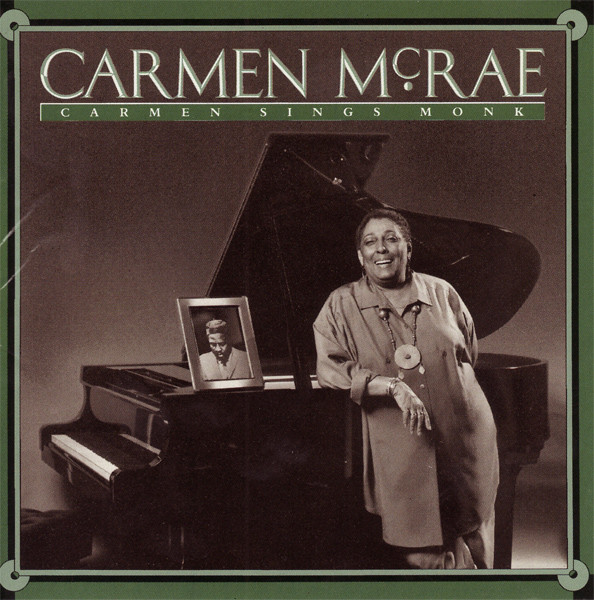
Carmen Sings Monk
Release Date: 1990
Country: US
Tracklist
- Get It Straight (Straight, No Chaser) (Live) (3:55)
- Dear Ruby (Ruby, My Dear) (5:55)
- It's Over Now (Well You Needn't) (5:24)
- Monkery's The Blues (Blue Monk) (4:51)
- You Know Who (I Mean You) (3:26)
- Little Butterfly (Pannonica) (5:12)
- Listen To Monk (Rhythm-A-Ning) (3:03)
- How I Wish... (Ask Me Now) (4:52)
- Man, That Was A Dream (Monk's Dream) (2:51)
- 'Round Midnight (6:27)
- Still We Dream (Ugly Beauty) (3:23)
- Suddenly (In Walked Bud) (Live) (3:36)
- Looking Back (Reflections) (5:31)
- Suddenly (In Walked Bud) (3:08)
- Get It Straight (Straight, No Chaser) (3:28)

Torchy!
Release Date: 1956-04-00
Country: US
Tracklist
- Last Night When We Were Young (2:38)
- Speak Low (When You Speak, Love) (3:08)
- But Beautiful (2:55)
- If You'd Stay The Way I Dream About You (2:45)
- Midnight Sun (3:45)
- My Future Just Passed (3:16)
- Yesterdays (2:35)
- We'll Be Together Again (3:04)
- I'm A Dreamer Aren't We All (2:46)
- Good Morning, Heartache (3:21)
- Star Eyes (3:08)
- I Don't Stand A Ghost Of A Chance With You (3:13)
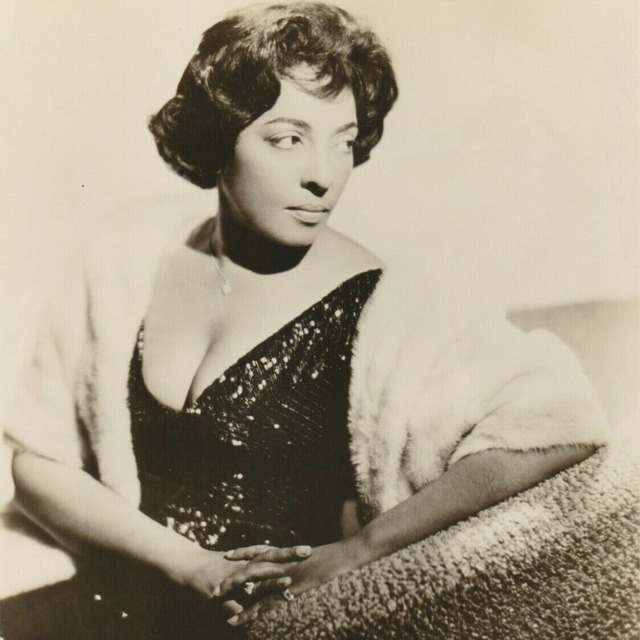
Carmen McRae
Carmen Mercedes McRae (born April 8, 1920, in Harlem, New York; died November 10, 1994, in Beverly Hills, California) was an American jazz singer nicknamed “Miss Jazz.” Her parents, Osmond and Evadne McRae, were Jamaican immigrants, and the family regularly listened to records by Louis Armstrong and Duke Ellington. She began piano lessons at eight. At 17, she met Billie Holiday, whom she regarded as her greatest influence throughout her life. Holiday recorded “Dream of Life,” a song McRae wrote as a teenager, in 1939 after it passed through pianist Teddy Wilson and composer Irene Kitchings.
Around age 20, McRae earned a living playing piano at Harlem’s Minton’s Playhouse, where jam sessions introduced her to Dizzy Gillespie, bassist Oscar Pettiford, and drummer Kenny Clarke. In 1944, she got her first major job as pianist in Benny Carter’s big band and worked with Count Basie’s orchestra that same year. In 1946–47, while married to Kenny Clarke, she recorded her earliest sides with Mercer Ellington’s band under the name Carmen Clarke. Later, while performing in Brooklyn, Decca’s Milt Gabler discovered her. Her five-year Decca contract produced twelve LPs.
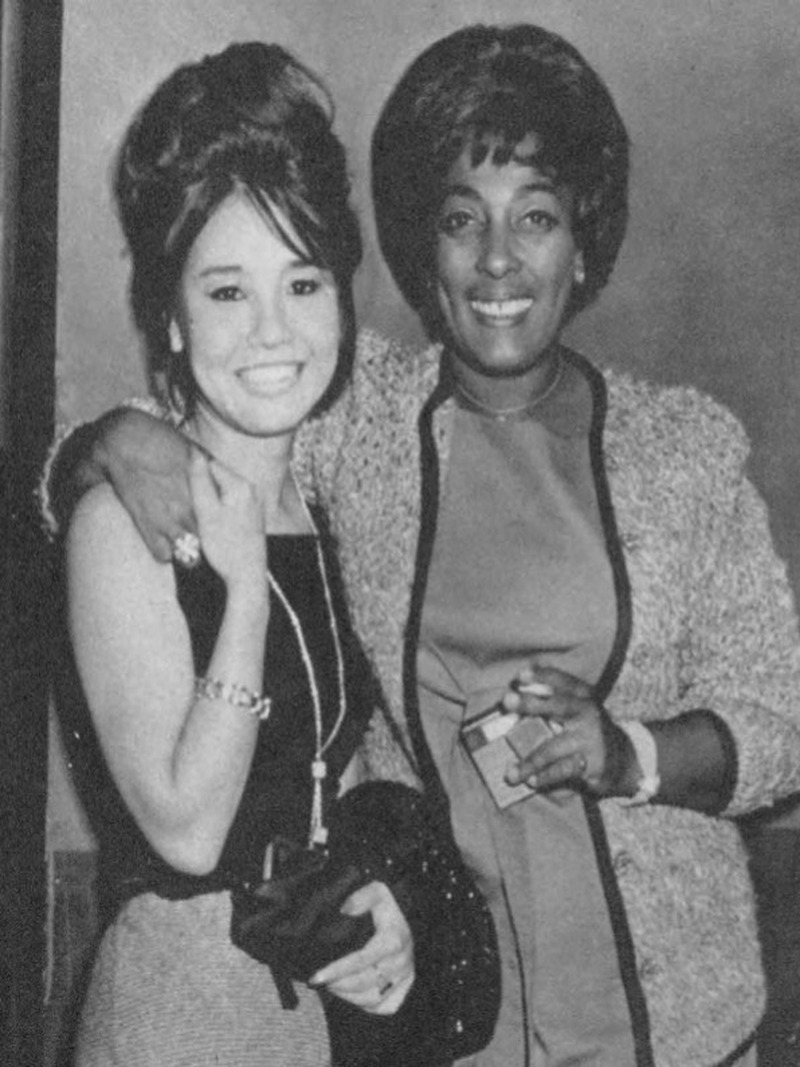
In 1948, McRae moved to Chicago with comedian George Kirby and spent nearly four years singing and playing piano at venues such as the Archway Lounge. She later said those years “gave me everything I have today” and were the most important training she received. Her career took off after she returned to New York in 1952. DownBeat readers named her Best New Female Vocalist in 1954. Her debut LP, By Special Request (1955), followed by Torchy! (1956), After Glow (1957), and Mad About the Man (1958), established her cool, subtly ironic vocal style.
McRae later recorded for Verve, Atlantic, Columbia, Blue Note, Novus, and other labels. Her repertoire ranged from Broadway and Hollywood standards to Thelonious Monk’s music. The two-LP standard-song collection The Great American Songbook, released by Atlantic in 1972, and 1990’s Carmen Sings Monk, which earned a Grammy nomination, are among her notable albums. Her live 1987 duet recording with Betty Carter at San Francisco’s Great American Music Hall, The Carmen McRae–Betty Carter Duets, is a classic meeting between two generations of jazz singers.
McRae was known for phrasing behind the beat and diction that came close to spoken delivery, often giving lyrics an extra layer of irony. She died in Beverly Hills in 1994, aged 74.

Pale Ale Variations
Pale Ale Variations is a single by Swedish jazz-fusion band MÄRLA, released on October 28, 2026. It contains one track.

Instant Regret
Instant Regret is a ten-track album by Swedish jazz-fusion band MÄRLA, released on June 12, 2026.
Don't Say That
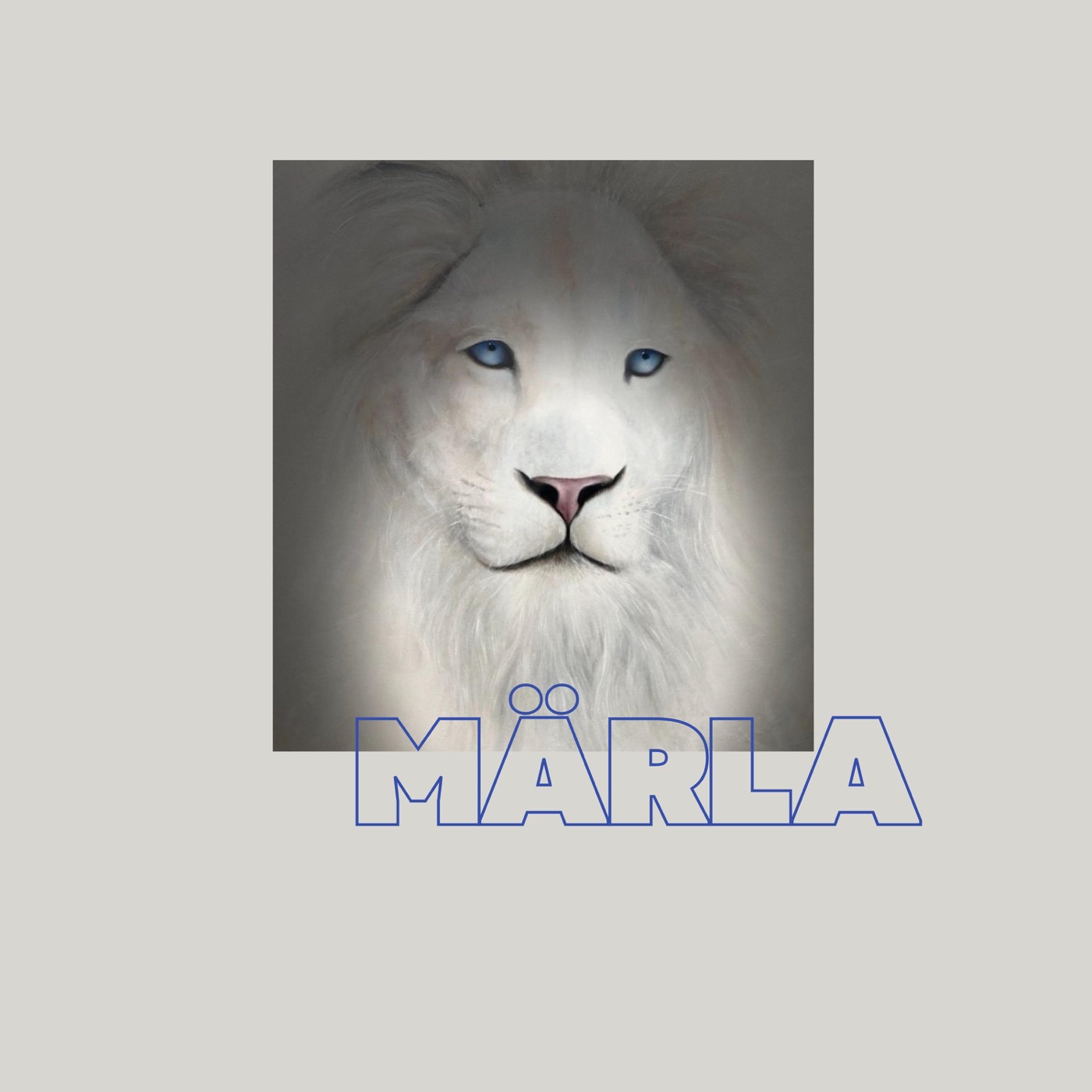
Don't Say That is a seven-track album by Swedish jazz-fusion band MÄRLA, released on November 19, 2025.

King Of The Vibes
Release Date: 1957-07-00
Country: US
Tracklist
- 's Wonderful
- Always
- Don't Be That Way
- These Foolish Things (Remind Me Of You)
MÄRLA
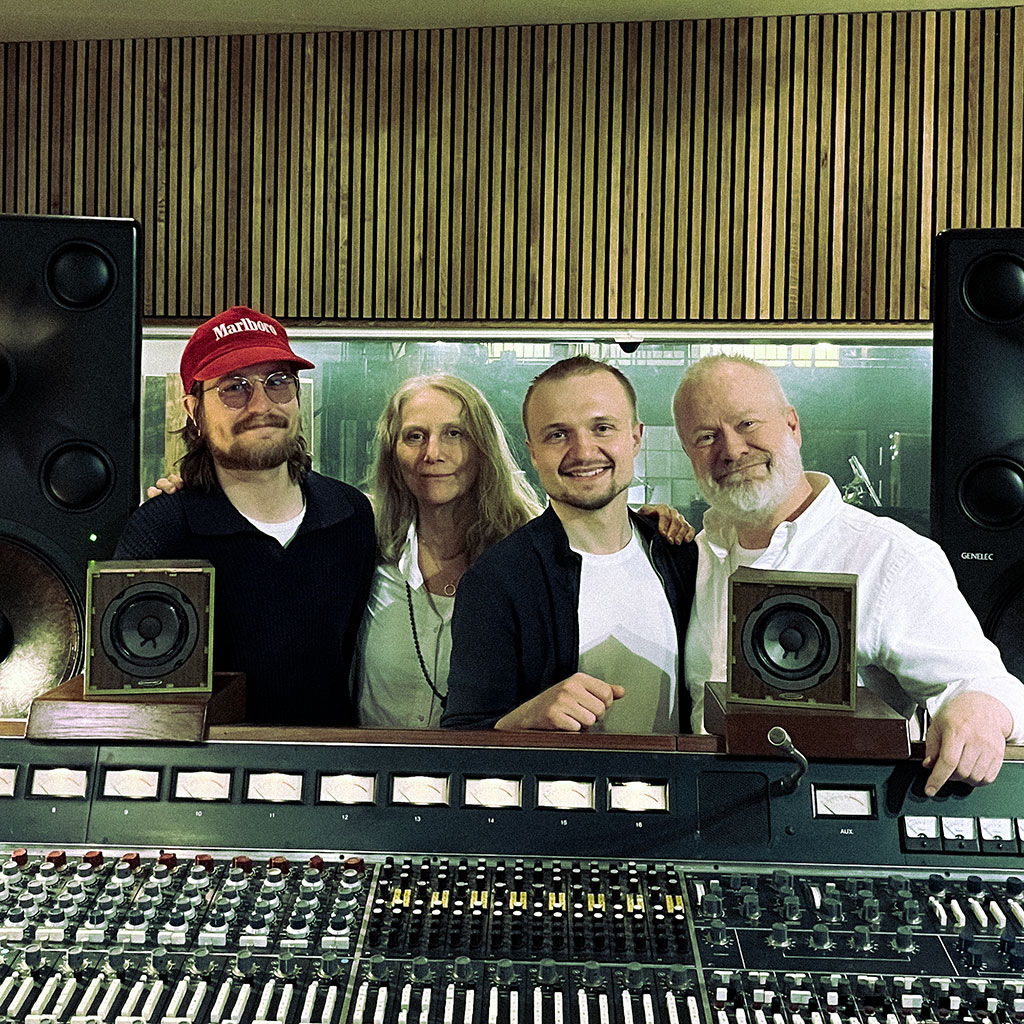
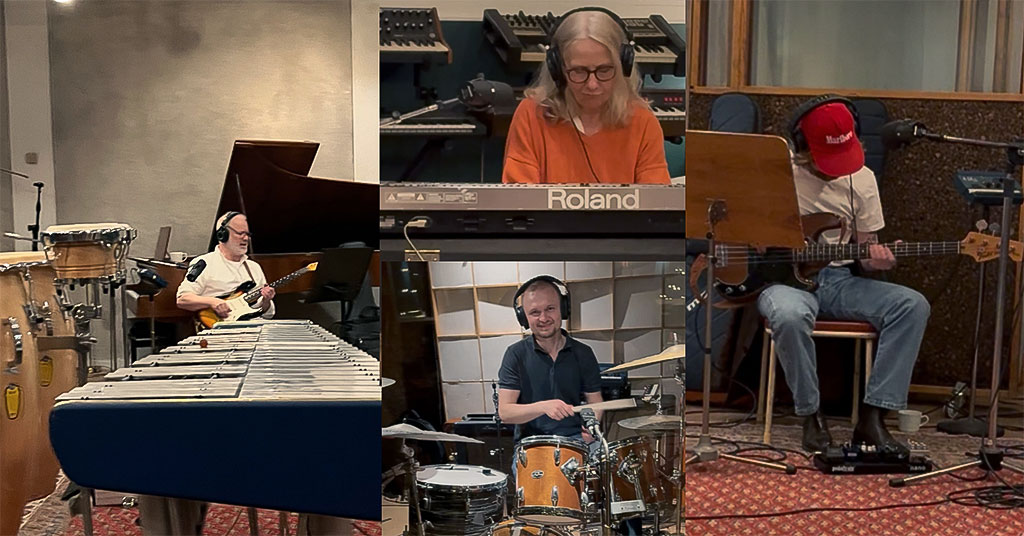
MÄRLA is a Swedish instrumental jazz-fusion quartet founded by guitarist Johan Nilsson. The band’s name is a Swedish word meaning a metal staple.Inspired by electric jazz fusion of the 1970s, the group combines jazz-rock, funk grooves, and improvisation. Its music is built around groove and spontaneous interaction, with a relaxed attitude that leaves room for unexpected turns.
The quartet consists of electric guitarist Johan Nilsson, electric bassist Samuel Nilsson, drummer and percussionist Gustav Vikström Seltman, and keyboardist Ann Blom. Blom plays Fender Rhodes electric piano, synthesizers, and acoustic piano. The electric guitar’s edge, the warmth of the keyboards, and the tight bass-and-drum groove form the group’s core sound. Their recordings also use overdubs and feature guest musicians.
In 2025, MÄRLA released Don’t Say That, a seven-track album featuring “Relieved Duck,” “Long Gone by Now,” and “Super Snail.” Recorded at RMV Studios in Stockholm, it includes guest performances by Klas Toresson on flute and saxophone, Dima Faustov on brass, and Michael Barry on Hammond organ. Swedish music magazine Lira noted the band’s jazz-rock direction and the brass arrangements on the title track and “Long Gone by Now.”
The 2026 album Instant Regret contains ten tracks and continues the group’s exploration of fusion jazz. Calle Gustavsson recorded it at Atlantis Studios in Stockholm. Klas Toresson and trumpeter Jens Henriksson appear as guests on “Midnight Marketplace” and “Jezze All Smiles,” respectively. Lira highlighted the electric-guitar solo, Rhodes sound, and bass groove, as well as the Latin feel of “Midnight Marketplace.”MÄRLA official website、Band release notes、Lira:《Don’t Say That》、Lira:《Instant Regret》。

Lionel Hampton And His Giants
Release Date: 1956
Country: US
Tracklist
- Plaid
- Somebody Loves Me
- Deep Purple
- September Song
- Verve Blues

Lionel Hampton
Lionel Hampton (born April 20, 1908, in Louisville, Kentucky; died August 31, 2002, in New York) was an American vibraphonist, drummer, pianist, and bandleader, and the first major soloist on the jazz vibraphone. He grew up in Chicago, learned drums and piano as a boy, and performed with bands in Chicago and California during the 1920s.
In 1930, Hampton played vibraphone on Louis Armstrong’s recording of “Memories of You,” often considered the instrument’s first appearance in jazz. He joined Benny Goodman’s quartet in 1936, performing with Teddy Wilson and Gene Krupa. It was one of the first interracial jazz groups to perform regularly before the public, and the experience made Hampton a national star almost overnight.
Hampton formed his own big band in 1940. “Flying Home” became a wartime hit in 1942; Illinois Jacquet’s tenor saxophone solo directly influenced later rhythm and blues and rock and roll. “Hamp’s Boogie Woogie” established the band’s rhythm-driven, audience-engaging style. In the early 1950s, Hampton’s orchestra was among the first jazz groups to use electric bass. Bassist Monk Montgomery, brother of Wes Montgomery, was part of the band.
In the mid-1950s, Hampton worked with Norman Granz’s Verve and Norgran labels, recording albums including Lionel Hampton and His Giants (1956) and King of the Vibes (1957). These smaller-group sessions gave him more room to improvise, and listeners can hear him on drums and piano as well as vibraphone.
Hampton continued performing into the 1990s and was named an NEA Jazz Master. The University of Idaho’s Lionel Hampton Jazz Festival remains one of the most important jazz-education programs in the American Northwest. He died in New York in 2002, aged 94.

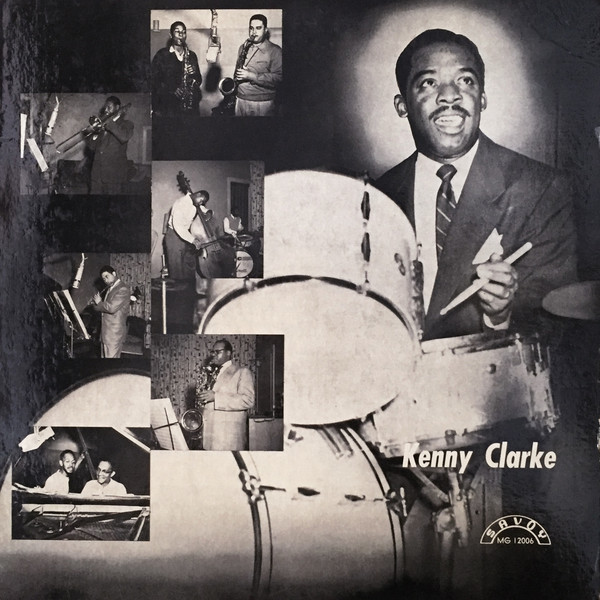
Kenny Clarke
Release Date: 1955
Country: US
Tracklist
- Strollin (4:21)
- Sonor (4:50)
- Blue's Mood (4:17)
- Skoot (3:48)
- Telefunken Blues (5:50)
- Klook's Nook (5:09)
- Baggin' The Blues (5:40)
- Inhibitions (3:52)
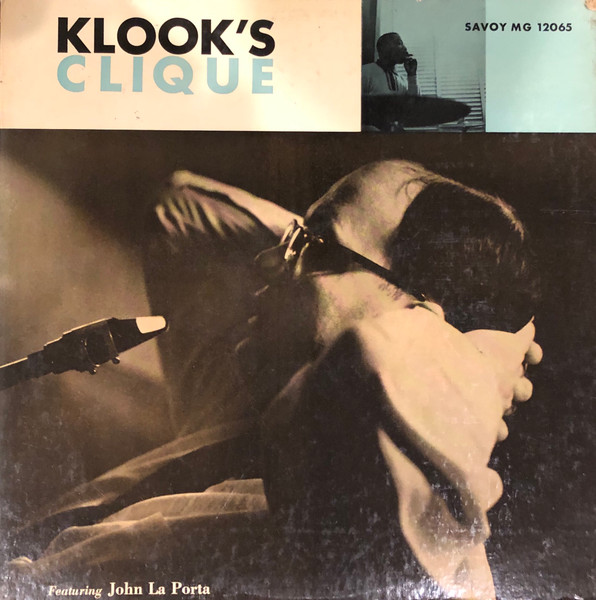
Klook's Clique
Release Date: 1956
Country: US
Tracklist
- Volcano
- La Porta-Thority
- I Hear A Rhapsody
- Will Wail
- Yesterdays
- Play, Fiddle, Play
Kenny Clarke
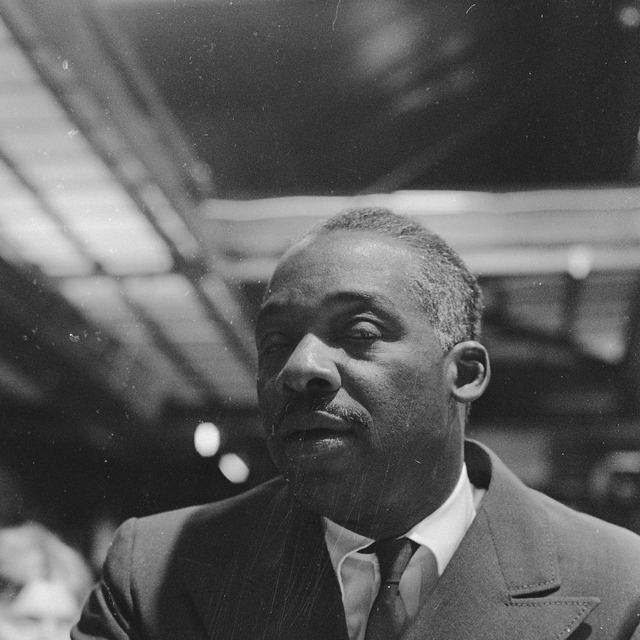
Kenny Clarke (born January 9, 1914, in Pittsburgh; died January 26, 1985, in Paris), nicknamed “Klook” or “Klook-a-mop,” was an American jazz drummer and one of the founders of modern jazz drumming. He taught himself drums as a young man in Pittsburgh, then toured in swing bands with Roy Eldridge, Teddy Hill, Edgar Hayes, and others during the 1930s, developing a light, precise touch.
In 1939 and 1940, at Minton’s Playhouse in New York, Clarke experimented with new musical language alongside Dizzy Gillespie, Thelonious Monk, Charlie Christian, and Charlie Parker. He shifted the pulse from the bass drum to the ride cymbal and hi-hat, using the bass drum mainly for accents—a technique later called “dropping bombs.” This approach turned drumming from timekeeping into conversation, became a bebop standard, and established Clarke as a defining figure in modern jazz drumming.
After military service from 1943 to 1946, Clarke formed the Modern Jazz Quartet in 1951 with John Lewis, Milt Jackson, and Ray Brown, recording with the group through 1955. In 1955 and 1956, he made Kenny Clarke (MG 12006) and Klook’s Clique (MG 12065) for Savoy. These small-group recordings are among the most representative bebop documents released under his own name.
Clarke moved to Paris in 1956 and took part in Miles Davis’s European tour that year. In 1961, he and Belgian pianist Francy Boland formed the Kenny Clarke–Francy Boland Big Band, which continued through 1972. The group became a major force in European big-band jazz and provided European musicians with sustained opportunities to work and record.
In later life, Clarke lived in Montreuil outside Paris and continued teaching, performing, and recording. He died in Paris in 1985. When drummers talk about time on the ride cymbal today, they usually trace the source back to him.

The Individualism Of Gil Evans
Release Date: 1964-09-00
Country: US
Tracklist
- The Barbara Song (9:55)
- Las Vegas Tango (6:13)
- The Flute Song (12:25)
- Hotel Me
- El Toreador (3:30)

Gil Evans & Ten
Release Date: 1957
Country: US
Tracklist
- Remember
- Ella Speed
- Big Stuff
- Nobody's Heart
- Just One Of Those Things
- If You Could See Me Now
- Jambangle

Gil Evans
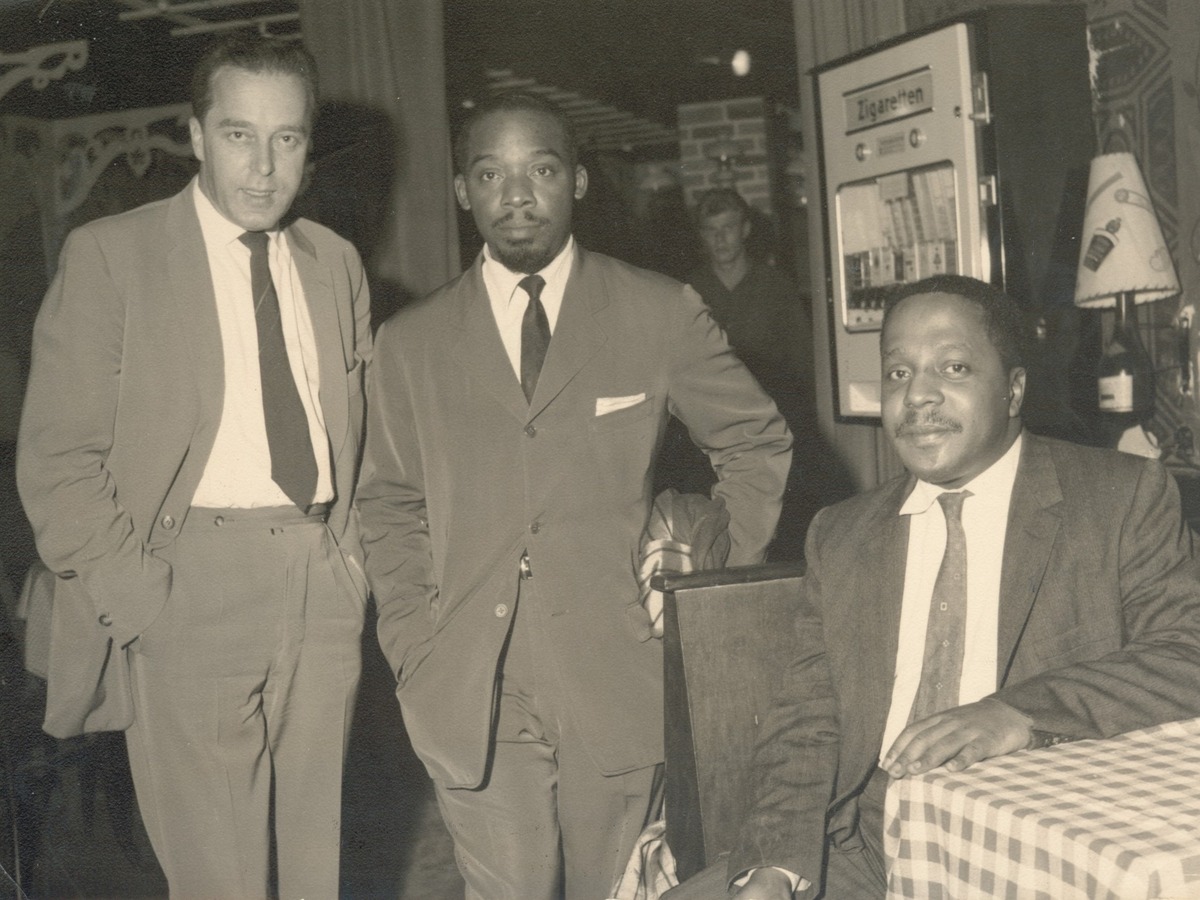
Gil Evans (born May 13, 1912, in Toronto, Canada; died March 20, 1988, in Cuernavaca, Mexico) was a Canadian-born American pianist, arranger, composer, and bandleader. Born Ian Ernest Gilmore Green, he moved with his family to the American West Coast as a child and later took the surname of his stepfather. Self-taught in piano and arranging, he earned his living early on by copying and adapting parts for dance bands.
In the 1940s, Evans arranged for Claude Thornhill’s orchestra, using French horns, tubas, and muted brass to reshape the sound of a dance band. This chamber-like approach to big-band orchestration directly influenced cool jazz. From 1948 to 1950, he and Miles Davis recorded the nonet sessions later grouped as Birth of the Cool. They went on to make three orchestral albums together: Miles Ahead (1957), Porgy and Bess (1958), and Sketches of Spain (1960), models for combining jazz and classical instrumentation.
As a bandleader, Evans recorded his first album, Gil Evans & Ten, for Prestige in 1957, followed by New Bottle Old Wine and Great Jazz Standards for Pacific Jazz in 1958–59, and The Individualism of Gil Evans for Verve in 1964. These recordings are known for their slow tempos, unconventional harmonic colors, and the space they give soloists. The arrangements are not merely accompaniment; they function as a second voice alongside the soloist.
In the 1970s, Evans worked with Atlantic on albums such as Svengali (1973), bringing electric piano, electric bass, and rock rhythms into his sound. In the 1980s, he held a regular Monday-night residency at New York’s Sweet Basil club, introducing a generation of young musicians through the Monday Night Orchestra. The 1987 album There Comes a Time was recorded with that live group.
Evans was named an NEA Jazz Master and is recognized for elevating jazz arranging to the level of composition. His orchestration and harmonic ideas influenced later arrangers including Maria Schneider and Gil Goldstein, and helped establish the arranger as an authorial voice in jazz.
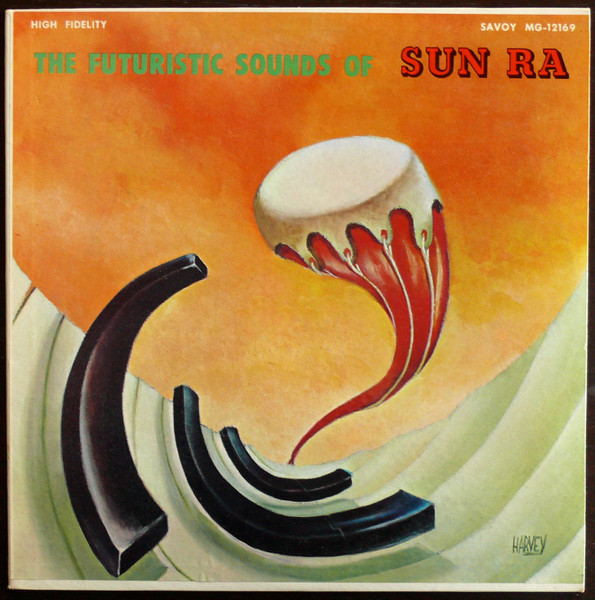
The Futuristic Sounds Of Sun Ra
Release Date: 1962
Country: US
Tracklist
- Bassism
- Of Sounds And Something Else
- What's That?
- Where Is Tomorrow?
- The Beginning
- China Gates
- New Day
- Tapestry From An Asteroid
- Jet Flight
- Looking Outward
- Space Jazz Reverie
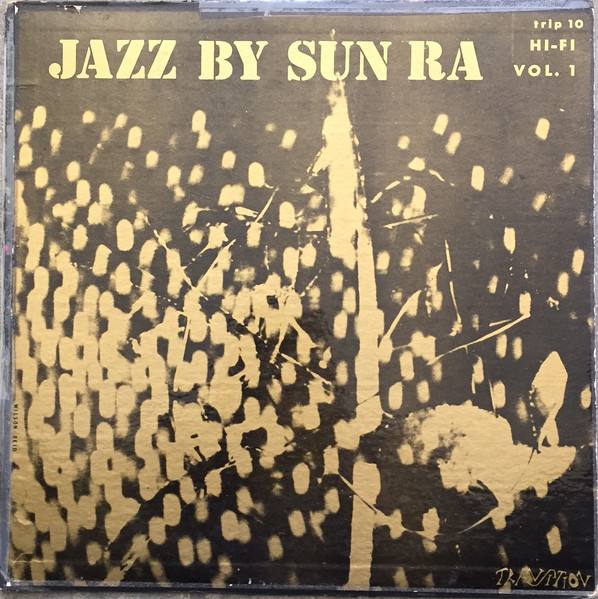
Jazz By Sun Ra Vol. 1
Release Date: 1957
Country: US
Tracklist
- Brainville (4:29)
- Call For All Demons (4:30)
- Transition (3:40)
- Possession (5:00)
- Street Named Hell (3:55)
- Lullaby For Realville (4:40)
- Future (3:15)
- New Horizons (3:05)
- Fall Off The Log (4:00)
- Sun Song (3:40)
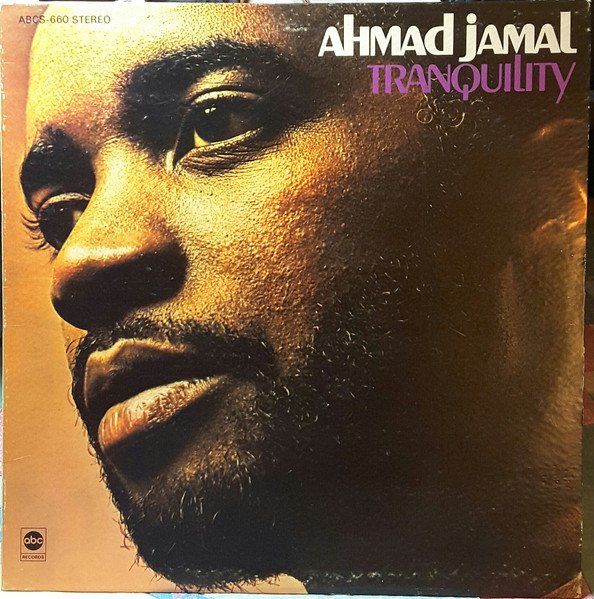
Tranquility
Release Date: 1968
Country: US
Tracklist
- I Say A Little Prayer (2:25)
- The Look Of Love (2:48)
- When I Look In Your Eyes (4:18)
- Illusions Opticas (2:25)
- Nothing Ever Changes My Love For You (2:42)
- Emily (3:41)
- Tranquility (8:53)
- Free Again (4:45)
- Manhattan Reflections (6:25)
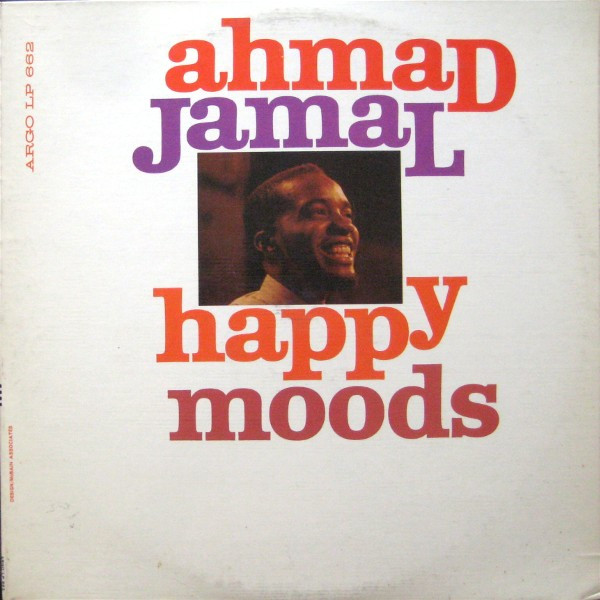
Happy Moods
Release Date: 1960
Country: US
Tracklist
- Little Old Lady (5:10)
- For All We Know (2:42)
- Pavanne (5:42)
- Excerpt From The Blues (2:58)
- You'd Be So Easy To Love (3:16)
- Time On My Hands (1:38)
- Raincheck (4:46)
- I'll Never Stop Loving You (3:05)
- Speak Low (4:58)
- Rhumba No. 2 (2:40)
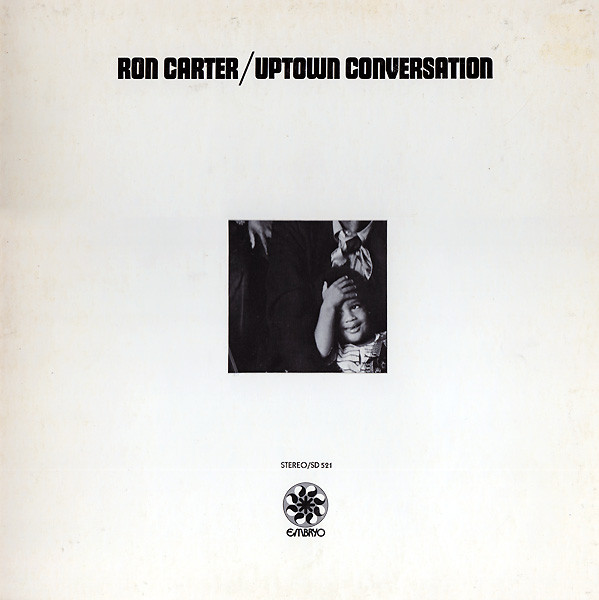
Uptown Conversation
Release Date: 1970
Country: US
Tracklist
- Uptown Conversation (6:08)
- Ten Strings (4:19)
- Half A Row (9:05)
- R. J. (2:52)
- Little Waltz (7:25)
- Einbahnstrasse (7:23)
- Doom (6:05)
Ahmad Jamal
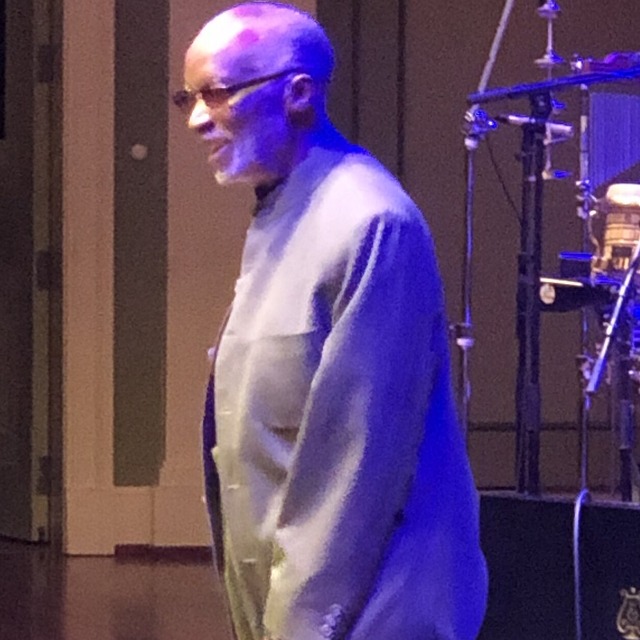
Ahmad Jamal (born Frederick Russell Jones on July 2, 1930, in Pittsburgh; died April 16, 2023) was an American pianist, composer, and bandleader.
He began piano lessons at three and was strongly influenced as a young musician by Art Tatum’s school of playing. He joined George Hudson’s band in 1950 and formed his own trio in 1951. In the mid-1950s, he converted to Islam and changed his name to Ahmad Jamal.
The live album At the Pershing: But Not for Me, recorded at Chicago’s Pershing Lounge in 1958, made Jamal famous. “Poinciana” became a hit, and the album remained on the charts for more than two years. He was known for spaciousness, sudden dynamic changes, and restrained rhythmic treatment. Miles Davis publicly praised his playing, and generations of piano trios learned from his approach.
In the 1960s, Jamal recorded albums such as Happy Moods (1960) and Extensions (1965) for Argo/Cadet. His 1970 album The Awakening, released by Impulse!, was sampled extensively and became a bridge between jazz and hip-hop. He continued recording after the 1990s and, in the 2000s, led a stable trio with bassist James Cammack and drummer Herlin Riley.
Jamal was named an NEA Jazz Master in 1994 and received the Grammy Lifetime Achievement Award in 2017. He continued to perform late in life and is regarded as a leading figure in the jazz-piano aesthetic of space.
Ron Carter
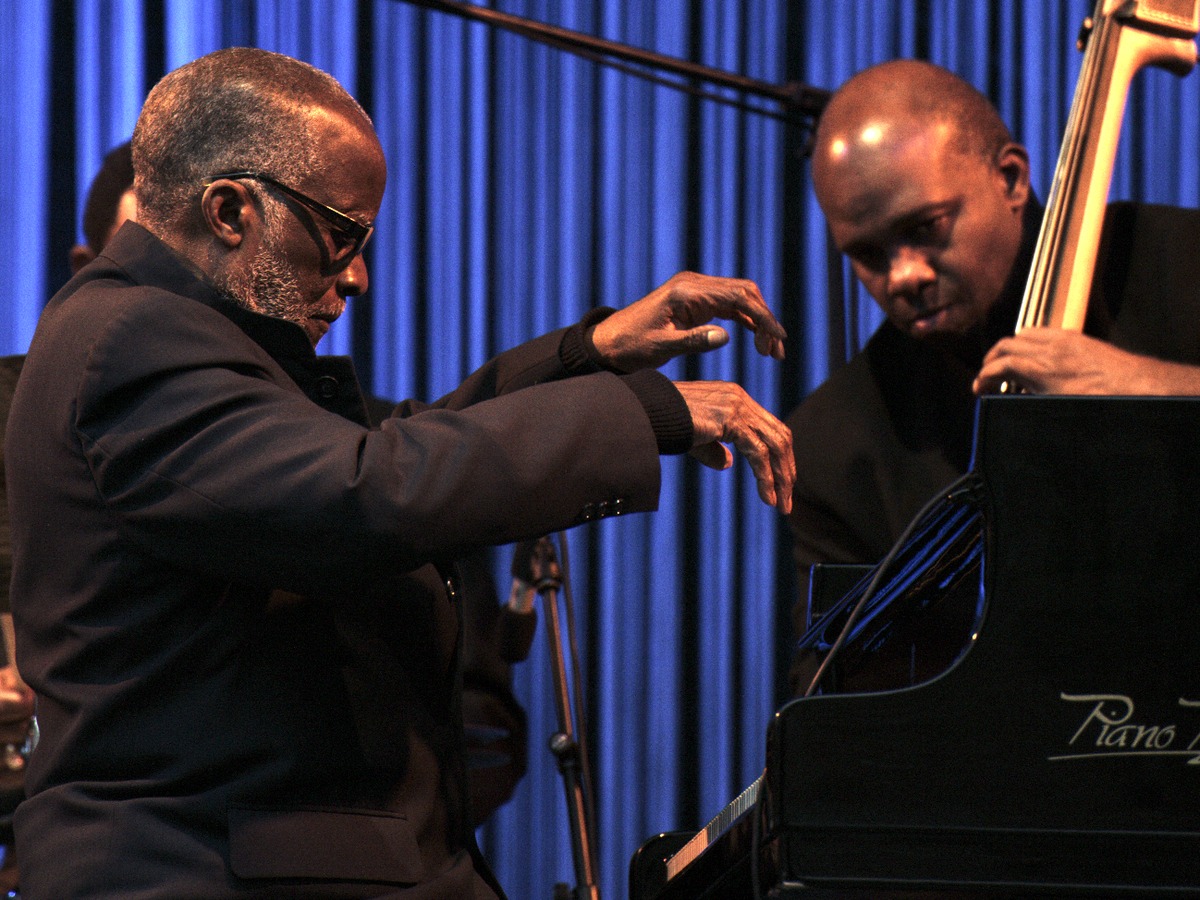
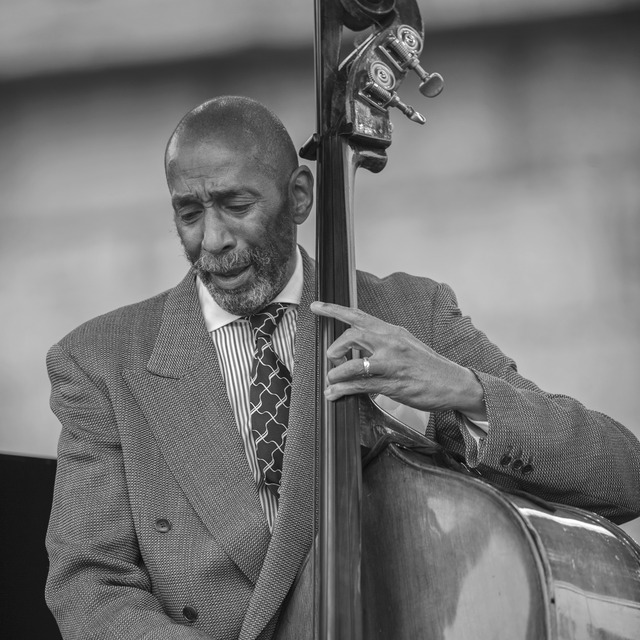
Ron Carter (born May 4, 1937, in Ferndale, Michigan) is an American double bassist, cellist, and composer, and one of the most-recorded bassists in jazz history.
He studied cello as a child and later earned degrees from the Eastman School of Music and the Manhattan School of Music. After moving to New York in the early 1960s, he worked with Eric Dolphy, Mal Waldron, and Bobby Timmons, among others. His first album as a leader, Where?, appeared in 1961.
From 1963 to 1968, Carter was the bassist in Miles Davis’s Second Great Quintet. With Herbie Hancock, Wayne Shorter, and Tony Williams, he made recordings including E.S.P., Miles Smiles, and Nefertiti. Carter moved the double bass beyond timekeeping and root notes, turning it into a contrapuntal voice in conversation with the ensemble. This rhythm section is now regarded as a model for modern jazz groups.
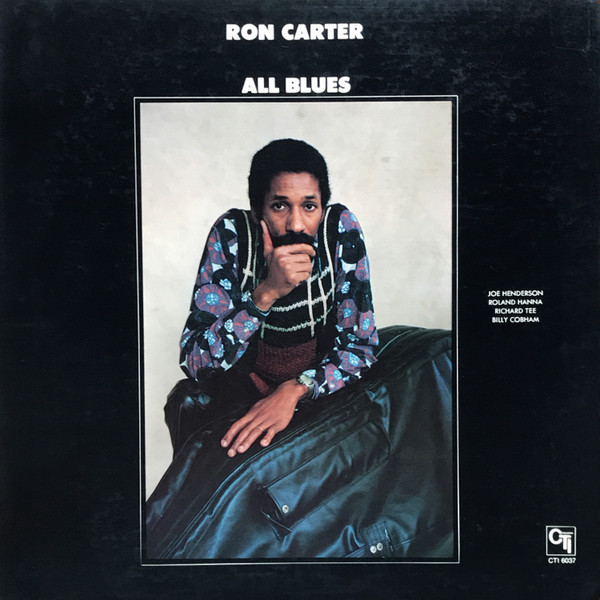
In the 1970s, Carter recorded a series of leader albums for CTI and other labels, including Uptown Conversation (1970), Blues Farm (1973), All Blues (1974), Yellow & Green (1976), and Piccolo (1977). Through electric bass, strings, and fusion rhythms, he broadened the vocabulary of the jazz bass.
Carter has appeared on more than two thousand recordings. He was named an NEA Jazz Master in 1998 and inducted into the DownBeat Jazz Hall of Fame in 2012. He taught for many years at the City College of New York and continues to perform in duos—including with guitarist Jim Hall—trios, and big bands.
Sun Ra
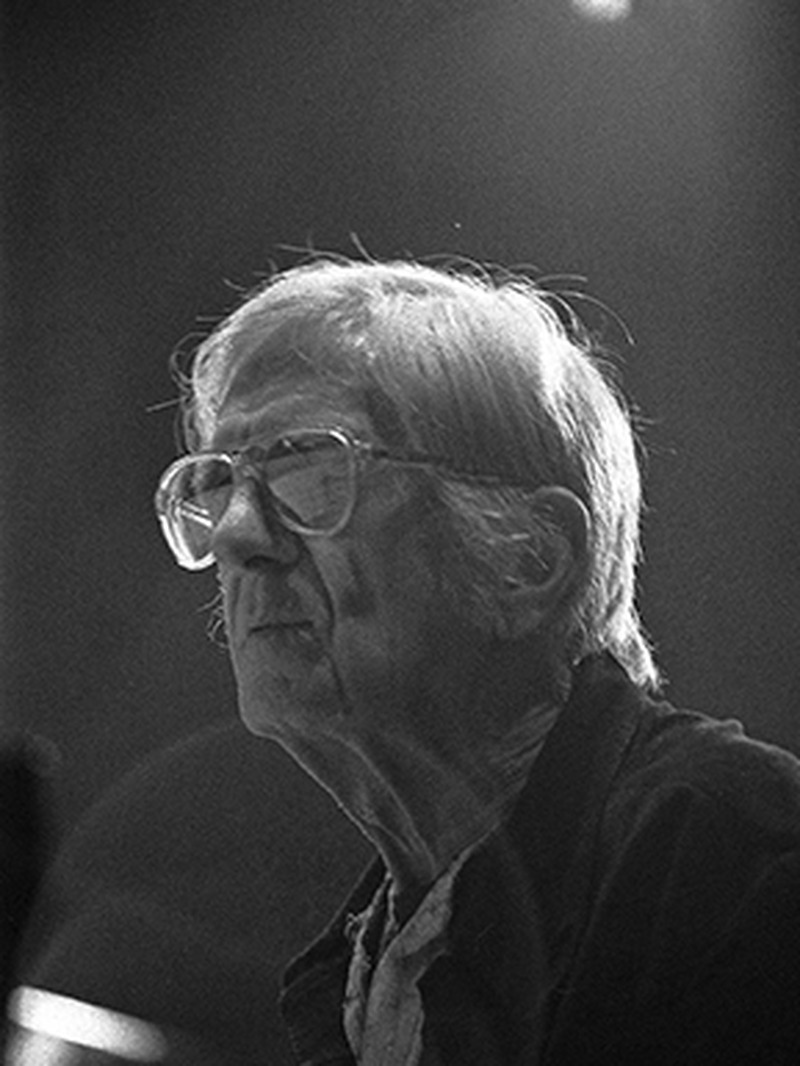
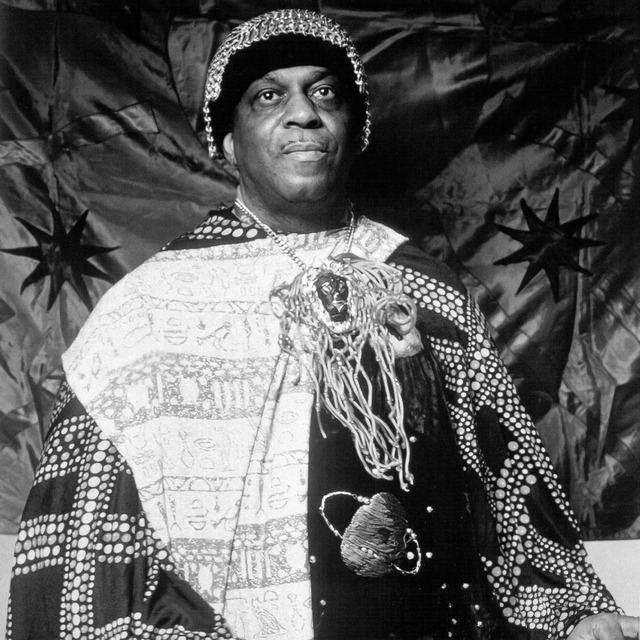
Sun Ra (born Herman Poole Blount on May 22, 1914, in Birmingham, Alabama; died May 30, 1993) formally changed his name to Le Sony’r Ra in 1952. He was an American pianist, composer, arranger, and bandleader, recognized as a pioneer of free improvisation and modal jazz and among the first jazz musicians to use electronic keyboards and synthesizers.
He could read music and compose from an early age, and developed his keyboard skills as a young man in rhythm-and-blues and swing bands in Birmingham and Chicago. In the mid-1950s, he formed his own big band in Chicago and founded the El Saturn label, financing the records himself and controlling the entire process from rehearsals and recording to pressing and distribution. Jazz by Sun Ra (1957), released by Transition, and 1959’s Jazz in Silhouette already reveal his approach of combining big-band instrumentation, unusual harmonies, and exotic rhythms.
After moving to New York in 1961, Sun Ra became part of the avant-garde jazz movement of the 1960s. The Futuristic Sounds of Sun Ra (Savoy, 1962), The Heliocentric Worlds of Sun Ra (ESP-Disk’, 1965), and The Magic City (1966) brought free collective improvisation, percussion ensembles, and electronic noise to the foreground. He said he came from Saturn and framed performances through a “cosmic philosophy”: musicians wore Egyptian and futuristic costumes, while shows included dance, slides, and improvised recitation.
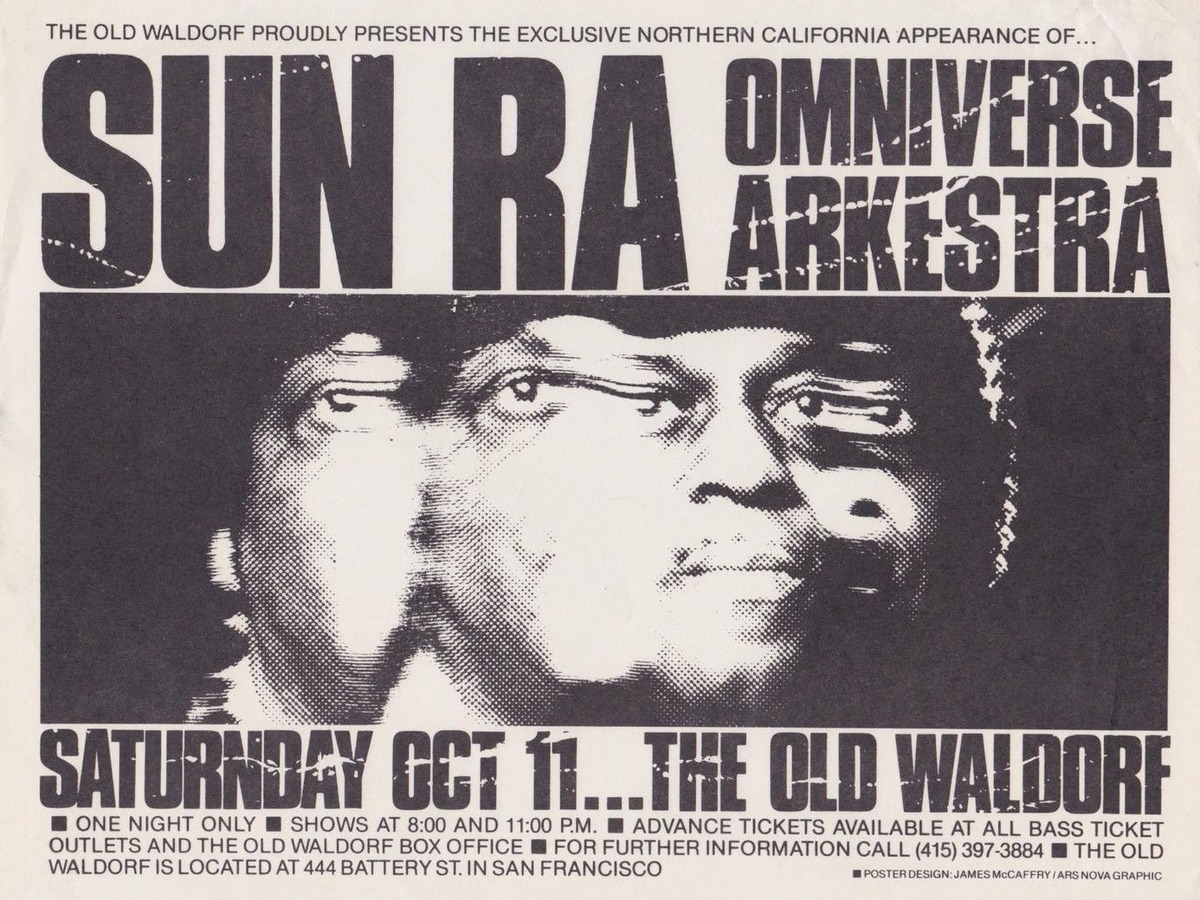
In the 1970s, he toured Europe and the United States with his Arkestra. He starred in the 1972 film Space Is the Place and released its soundtrack. Lanquidity (1978) brought funk and electronic sounds into his cosmos. The ensemble name changed across periods—Myth-Science Arkestra, Solar Arkestra, Astro-Infinity Arkestra, and Omniverse Arkestra—but tenor saxophonist John Gilmore, alto saxophonist Marshall Allen, and baritone saxophonist Pat Patrick remained at its core for decades.
After Sun Ra’s death in 1993, the Arkestra continued to perform under Marshall Allen’s leadership. Reissues through labels including Strut, Evidence, and ESP-Disk’ keep his recorded legacy in circulation. His work remains a source for later free jazz, experimental electronic music, and Afrofuturism.
Gostoso É Sambar
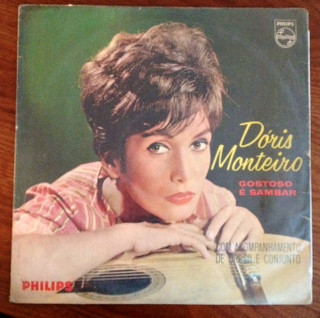
Release Date: 1963
Country: Brazil
Tracklist
- Volta Por Cima
- Tristeza De Nós Dois
- Nós E O Mar
- Gostoso É Sambar
- Conselho A Quem Quiser Voltar
- Parti
- O Que Eu Gosto De Você
- Receita Pra Esquecer
- O Passarinho
- Quando Eu Era Pequeno
- Você E Eu
- Olhou Pra Mim
Dóris Monteiro
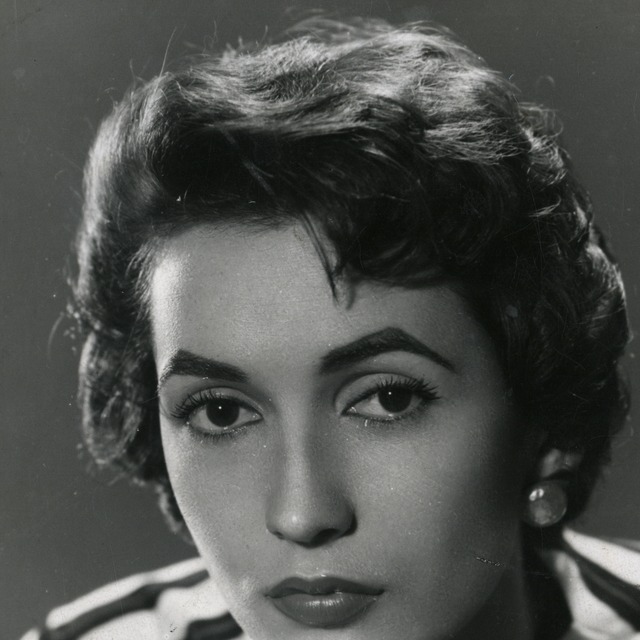
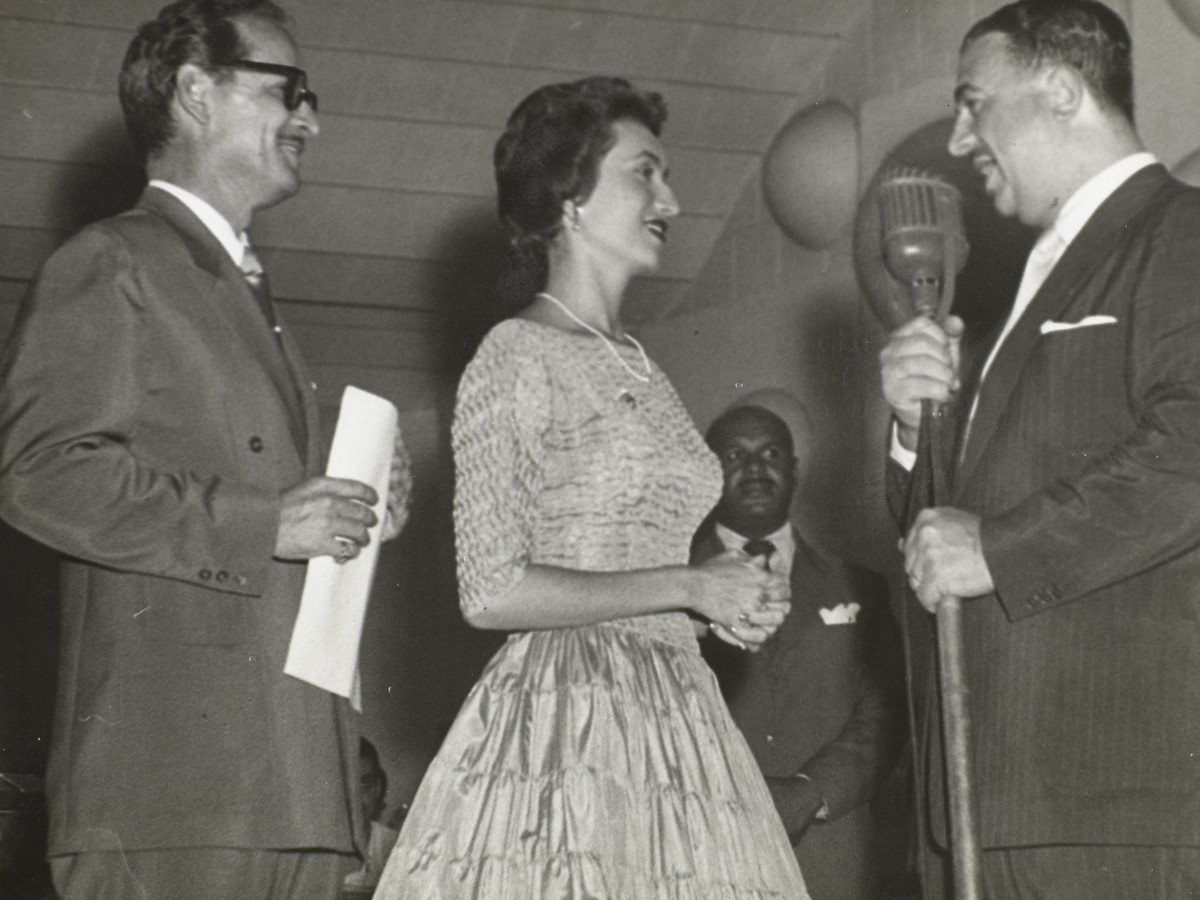
Dóris Monteiro (born Adelina Dóris Monteiro in October 1934 in Copacabana, Rio de Janeiro; died in Rio on July 24, 2023) was a Brazilian singer and actress. Raised in Copacabana by her adoptive parents, Lázaro and Ana, she learned French from her adoptive mother, who had lived in Lyon for nine years. The language later opened doors for her onstage.
In 1949, at 15, Monteiro sang a French song on Rádio Nacional’s amateur program Papel Carbono in Rio and was noticed. She gained a singing opportunity at Rádio Guanabara in 1951, then spent eight years at Rádio Tupi and performed in the nightclub of the Copacabana Palace. Her first record was the 78 rpm single “Se Você Se Importasse.” In 1952 she recorded José Maria de Abreu’s “Fecho Meus Olhos, Vejo Você.” In the mid-1950s, Continental released her first LPs, including songs such as “Vento Soprando,” “Graças a Deus,” and “Joga a Rede no Mar,” which were frequently played on radio.
At a time when samba-canção favored powerful voices and sorrowful songs, Monteiro’s gentle singing and smiling diction brought brighter lyrics into the mainstream. Critics consider her one of the artists who helped bridge samba-canção and bossa nova. Her records also introduced songs by a new group of writers, including “Se É Por Falta de Adeus” by Tom Jobim and Dolores Duran; “Dó-Ré-Mi” and “Graças a Deus” by Fernando César; “Mocinho Bonito” (1956) by Billy Blanco; “O Que Eu Gosto em Você” by Sílvio César; “Alô Fevereiro” by Sidney Miller; and “Mudando de Conversa” by Maurício Tapajós and Hermínio Bello de Carvalho.
Alongside her recording career, Monteiro won Best Actress at the first Brazilian Film Festival in 1953 for Alex Viany’s film Agulha no Palheiro, and went on to appear in eight films. In 1955 she hosted a television program named after her on Rio’s TV Tupi. She recorded the samba album Gostoso É Sambar for Philips in 1963 and songs by the Valle brothers in 1964. Her 1969 recording Mudando de Conversa spent about five months on the charts and became one of her best-known releases. In the 1970s, she recorded the Dóris, Miltinho e Charme series with Miltinho and Lúcio Alves, bringing old-style samba-canção into a duet tradition.
Monteiro left more than twenty LPs and over twenty 78 rpm records. In 2004, when she turned 70, Universal and EMI reissued twelve of her most representative albums. In 2020, she rerecorded her 1952 breakthrough, “Fecho Meus Olhos, Vejo Você,” for the compilation Copacabana – Um Mergulho nos Amores Fracassados, produced by Zuza Homem de Mello. She died in Rio on July 24, 2023, aged 88.
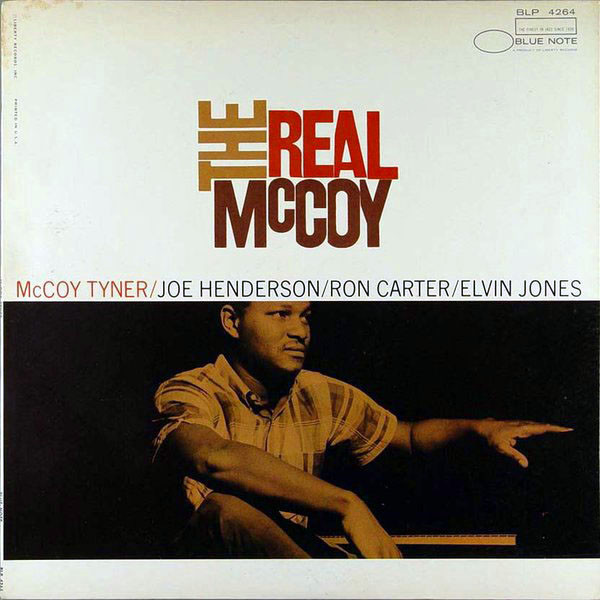
The Real McCoy
Release Date: 1967
Country: US
Tracklist
- Passion Dance (8:45)
- Contemplation (9:10)
- Four By Five (6:35)
- Search For Peace (6:25)
- Blues On The Corner (6:05)
McCoy Tyner
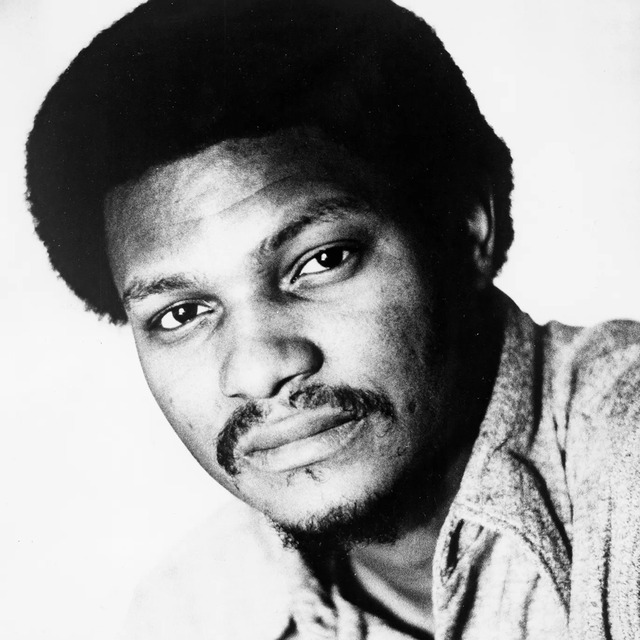
Alfred McCoy Tyner (born December 11, 1938, in Philadelphia; died there on March 6, 2020) was an American jazz pianist and composer. His mother, Beatrice, ran a beauty salon and insisted he study piano. He began formal lessons at 13 and later attended Philadelphia’s Granoff School of Music. His teenage neighbor Richie Powell, brother of Bud Powell, introduced him to recordings by Bud Powell, Thelonious Monk, Art Tatum, and Duke Ellington.
After a brief stint with Benny Golson’s Jazztet in 1960, Tyner joined John Coltrane’s quartet, forming one of the most influential rhythm sections in jazz history with bassist Jimmy Garrison and drummer Elvin Jones. On recordings such as My Favorite Things (1960), Africa/Brass (1961), A Love Supreme (1964), and Crescent (1964), Tyner’s quartal chords, powerful left hand, and pedal-like bass tones provided the harmonic foundation for Coltrane’s modal improvisation. After leaving the group in 1965, he began his own career as a leader.
His Blue Note albums The Real McCoy (1967, with Joe Henderson, Ron Carter, and Elvin Jones), Tender Moments, and Expansions established his stature as a composer. After moving to Milestone in 1972, he brought in koto, bamboo flute, harp, and African and Latin percussion. Sahara (1972), the live Enlightenment (1973), and the string-rich Fly with the Wind (1976) gave his large-ensemble writing and improvisation a highly individual character.
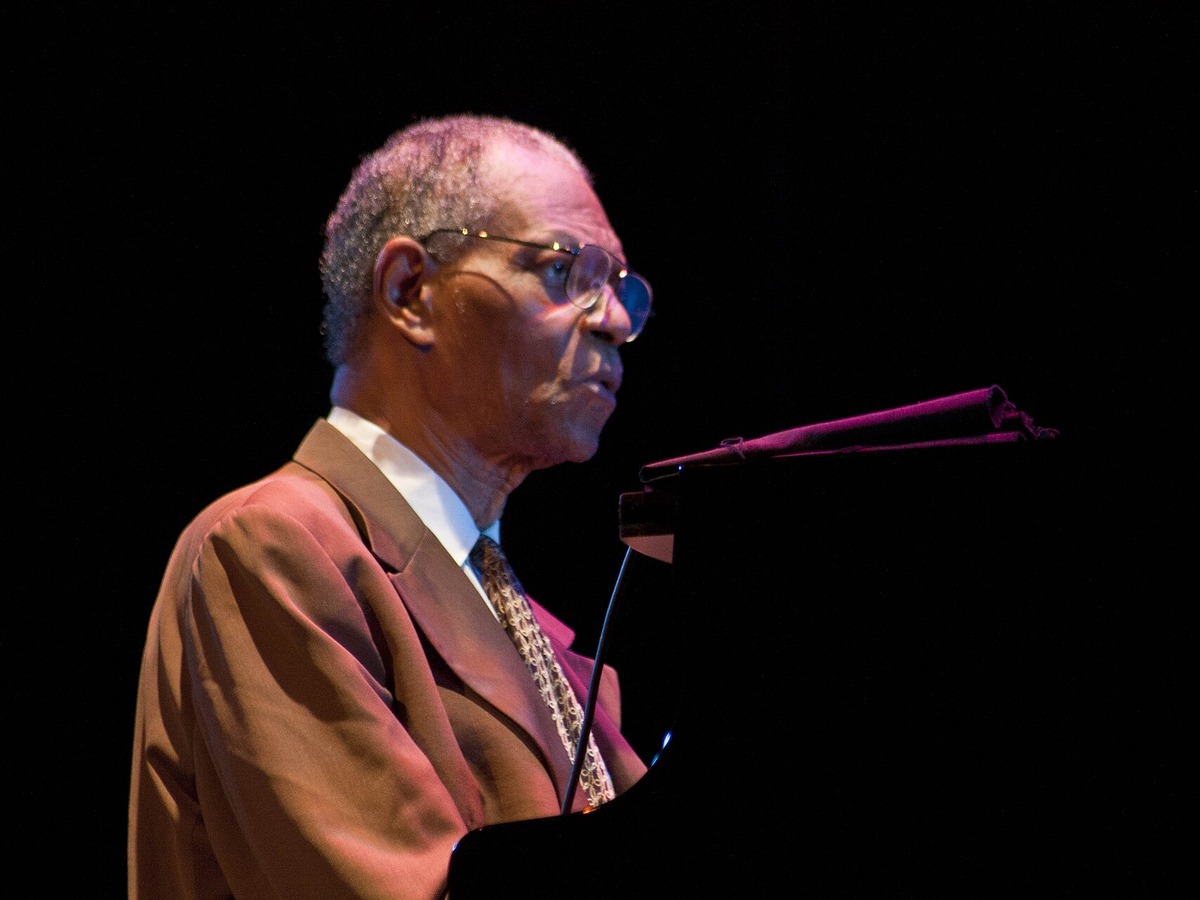
In the 1980s, Tyner formed a big band and recorded Uptown/Downtown. Infinity, his collaboration with Michael Brecker in the 1990s, won a Grammy; Illuminations won the Grammy for Best Jazz Instrumental Album in 2004. Tyner won five Grammys and was named an NEA Jazz Master in 2002. He died in Philadelphia in 2020 at age 81.

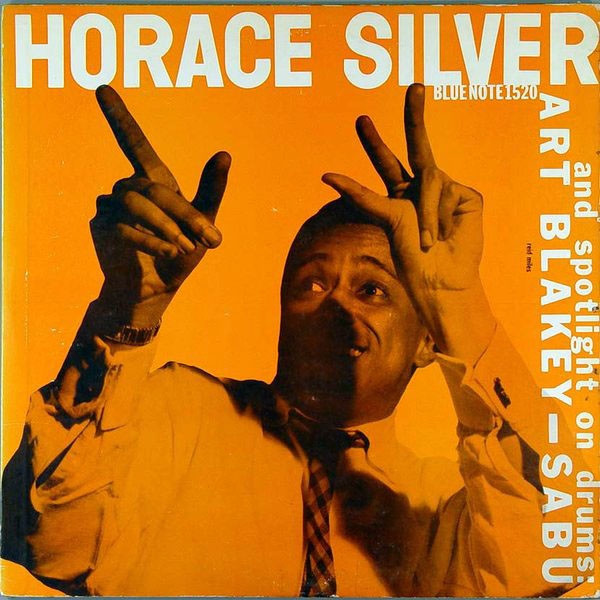
Horace Silver Trio
Release Date: 1956-10-00
Country: US
Tracklist
- Safari
- Ecaroh
- Prelude To A Kiss
- Message From Kenya
- Horoscope
- Yeah
- How About You
- I Remember You
- Opus De Funk
- Nothing But The Soul
- Silverware
- Day In Day Out
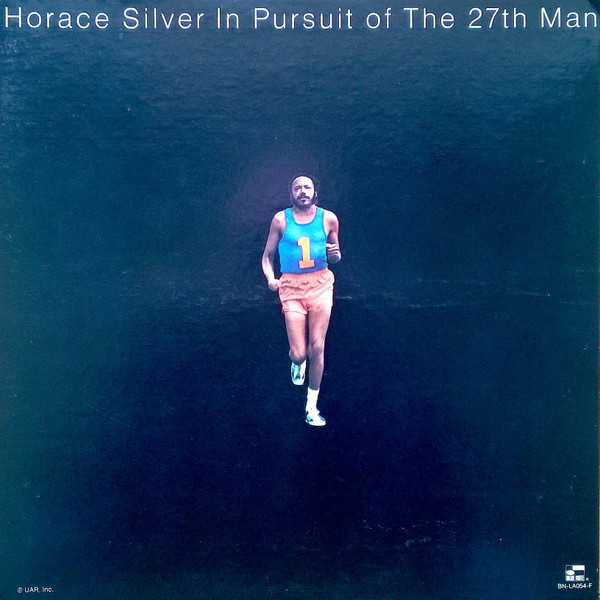
In Pursuit Of The 27th Man
Release Date: 1973
Country: US
Tracklist
- Liberated Brother (5:20)
- Kathy (4:18)
- Gregory Is Here (6:20)
- Summer In Central Park (4:40)
- Nothin' Can Stop Me Now (5:14)
- In Pursuit Of The 27th Man (9:45)
- Strange Vibes (5:00)
Horace Silver
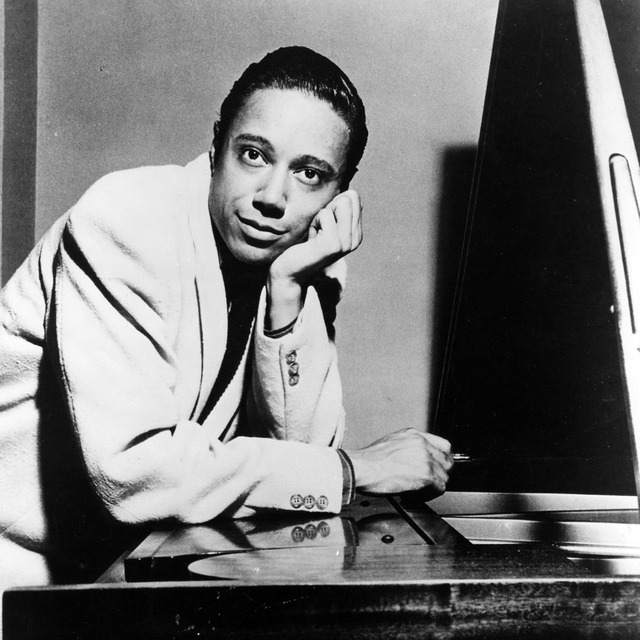
Horace Ward Martin Tavares Silver (born September 2, 1928, in Norwalk, Connecticut; died there on June 18, 2014) was an American jazz pianist, composer, and bandleader. His father was from Cape Verde, and his mother had Irish and African ancestry. Silver began teaching himself piano at home; as a teenager he played saxophone and piano in bars, drawing initially on boogie-woogie and blues.
In 1950, Silver joined Stan Getz’s quartet and toured with the band. The following year he began recording trio sessions for Blue Note with drummer Art Blakey and bassist Gene Ramey. In 1953, he and Blakey co-founded the Jazz Messengers. Early recordings such as “The Preacher” and “Doodlin’” helped define the hard-bop style. Silver left the Messengers in 1956 to form his own quintet, with trumpeter Blue Mitchell, tenor saxophonist Junior Cook, bassist Gene Taylor, and drummer Louis Hayes.
As a composer, Silver wrote much of hard bop’s core repertoire, including “Nica’s Dream,” “Señor Blues,” “Sister Sadie,” “Filthy McNasty,” “The Jody Grind,” and “Song for My Father.” He visited Brazil in 1964; the following year’s Song for My Father honors his father with a Cape Verdean-style rhythm. The piano motif in the title track was later echoed in Steely Dan’s “Rikki Don’t Lose That Number.” His early-1970s United States of Mind trilogy brought lyrics, funk rhythms, and his philosophical reflections together across a set of albums.
In the 1980s, Silver founded the Silveto label and released music combining meditation with autobiographical narration. In the 1990s, he returned to Blue Note and Impulse! for The Hardbop Grandpop and A Prescription for the Blues. The National Endowment for the Arts named him a Jazz Master in 1995. He died in Norwalk in 2014, aged 85.
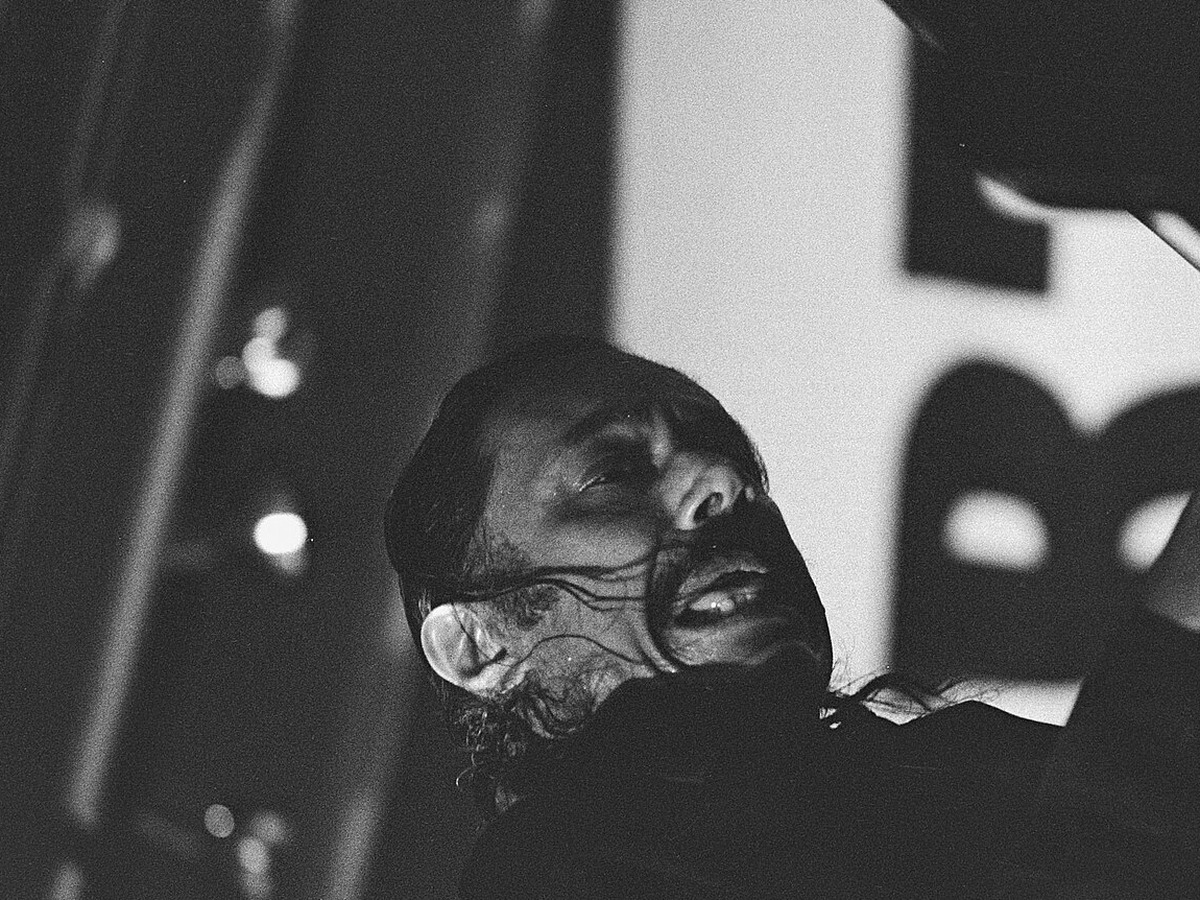


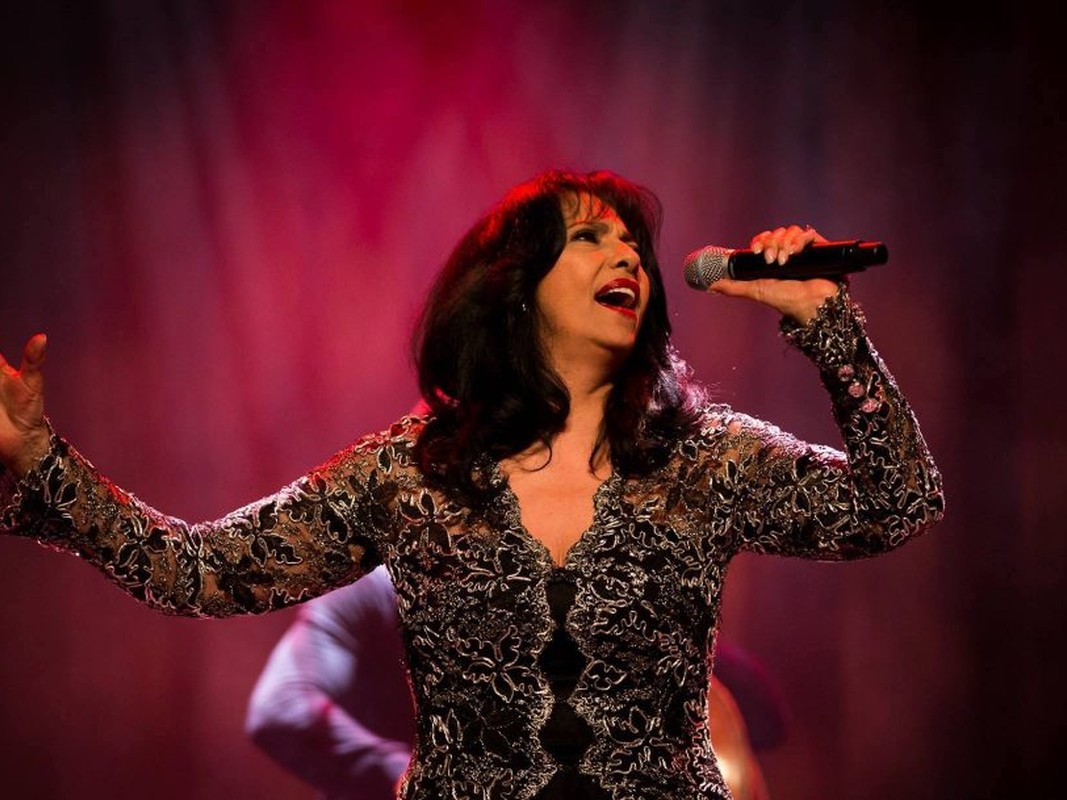
Laura Fygi
She followed with albums including Bewitched (1992), The Lady Wants to Know (1994), and Turn Out the Lamplight (1995), and worked with jazz figures such as trumpeter Clark Terry, guitarist Johnny Griffin, harmonica player Toots Thielemans, and composer Michel Legrand. In 1997, she recorded Watch What Happens with Legrand. Her singing combines the elegance of jazz standards with the lightness of Latin rhythms, and her performances have taken her across Europe, South America, and Asia. Her 2012 album Flower also includes Chinese songs sung in Mandarin. Through multilingual repertoire and cross-cultural collaborations, she continues to expand the expressive range of modern jazz singing.