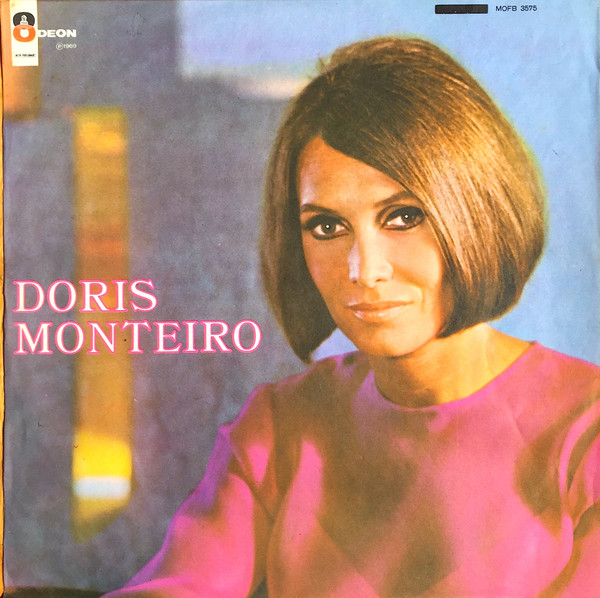

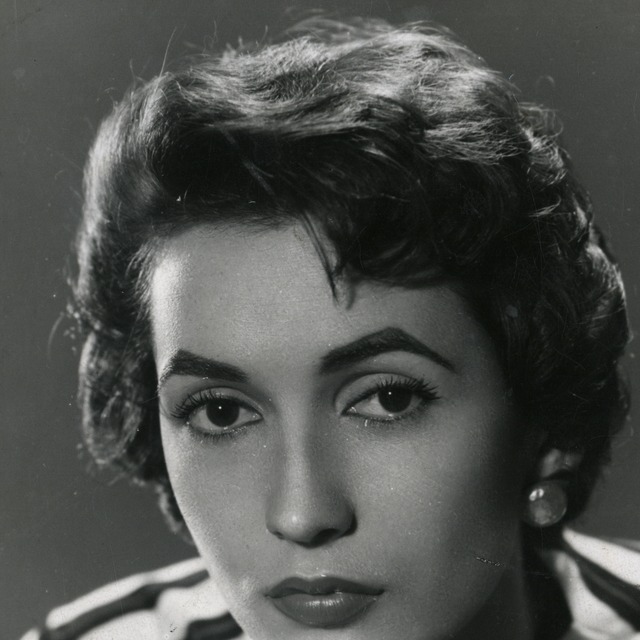
Dóris Monteiro is a jazz artist featured on JazzMore. Genres: Jazz, Vocal, Bossa Nova. Explore 2 albums in our catalog, arranged by release date.
Dóris Monteiro (born Adelina Dóris Monteiro in October 1934 in Copacabana, Rio de Janeiro; died in Rio on July 24, 2023) was a Brazilian singer and actress. Raised in Copacabana by her adoptive parents, Lázaro and Ana, she learned French from her adoptive mother, who had lived in Lyon for nine years. The language later opened doors for her onstage.
In 1949, at 15, Monteiro sang a French song on Rádio Nacional’s amateur program Papel Carbono in Rio and was noticed. She gained a singing opportunity at Rádio Guanabara in 1951, then spent eight years at Rádio Tupi and performed in the nightclub of the Copacabana Palace. Her first record was the 78 rpm single “Se Você Se Importasse.” In 1952 she recorded José Maria de Abreu’s “Fecho Meus Olhos, Vejo Você.” In the mid-1950s, Continental released her first LPs, including songs such as “Vento Soprando,” “Graças a Deus,” and “Joga a Rede no Mar,” which were frequently played on radio.
At a time when samba-canção favored powerful voices and sorrowful songs, Monteiro’s gentle singing and smiling diction brought brighter lyrics into the mainstream. Critics consider her one of the artists who helped bridge samba-canção and bossa nova. Her records also introduced songs by a new group of writers, including “Se É Por Falta de Adeus” by Tom Jobim and Dolores Duran; “Dó-Ré-Mi” and “Graças a Deus” by Fernando César; “Mocinho Bonito” (1956) by Billy Blanco; “O Que Eu Gosto em Você” by Sílvio César; “Alô Fevereiro” by Sidney Miller; and “Mudando de Conversa” by Maurício Tapajós and Hermínio Bello de Carvalho.
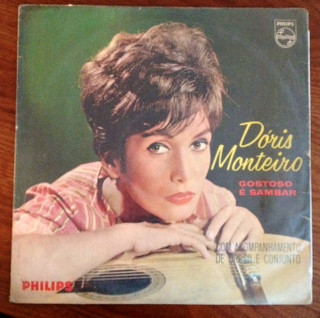
Alongside her recording career, Monteiro won Best Actress at the first Brazilian Film Festival in 1953 for Alex Viany’s film Agulha no Palheiro, and went on to appear in eight films. In 1955 she hosted a television program named after her on Rio’s TV Tupi. She recorded the samba album Gostoso É Sambar for Philips in 1963 and songs by the Valle brothers in 1964. Her 1969 recording Mudando de Conversa spent about five months on the charts and became one of her best-known releases. In the 1970s, she recorded the Dóris, Miltinho e Charme series with Miltinho and Lúcio Alves, bringing old-style samba-canção into a duet tradition.
Monteiro left more than twenty LPs and over twenty 78 rpm records. In 2004, when she turned 70, Universal and EMI reissued twelve of her most representative albums. In 2020, she rerecorded her 1952 breakthrough, “Fecho Meus Olhos, Vejo Você,” for the compilation Copacabana – Um Mergulho nos Amores Fracassados, produced by Zuza Homem de Mello. She died in Rio on July 24, 2023, aged 88.
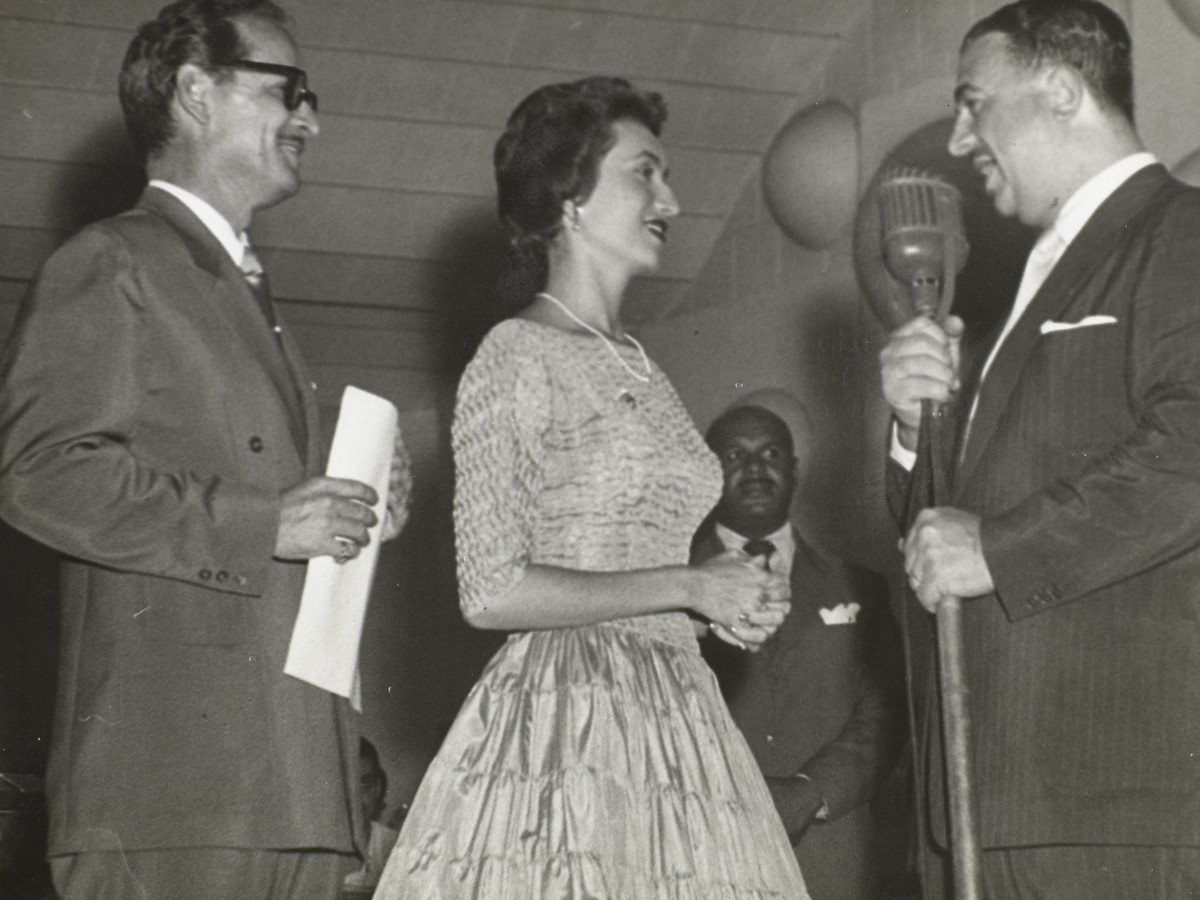
Explore 2 albums and recordings, arranged by release date.
Explore other jazz artists who share genre tags with Dóris Monteiro.