
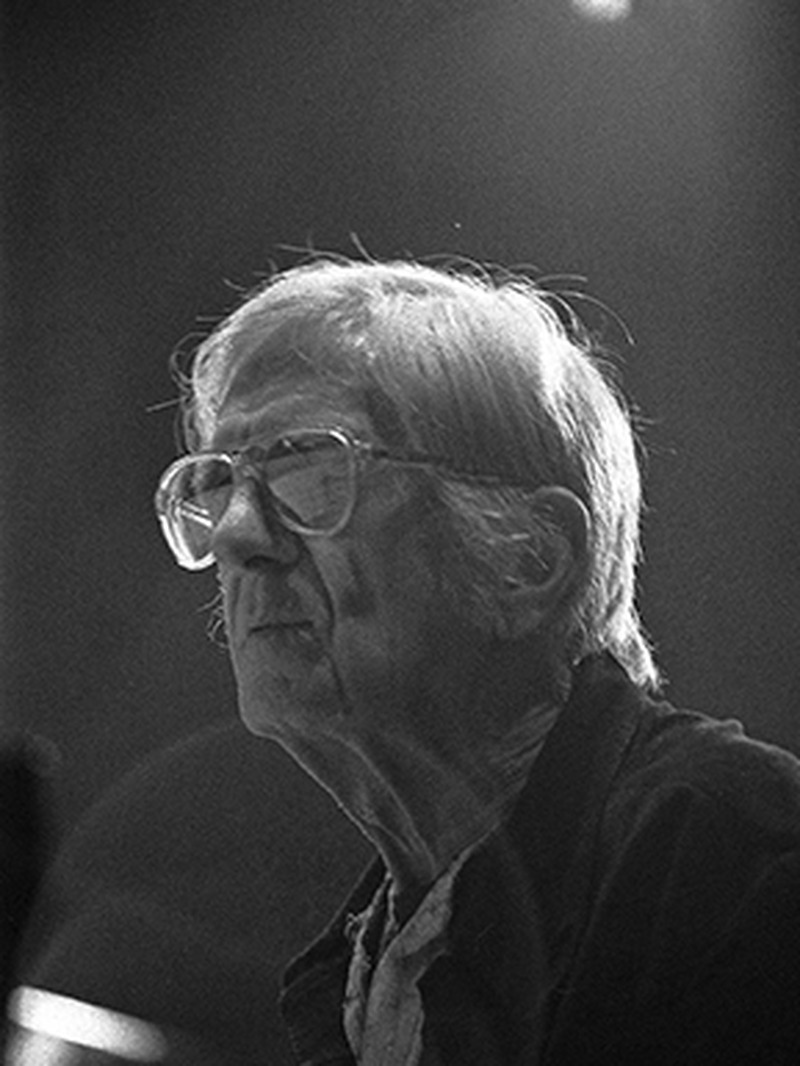
Gil Evans (born May 13, 1912, in Toronto, Canada; died March 20, 1988, in Cuernavaca, Mexico) was a Canadian-born American pianist, arranger, composer, and bandleader. Born Ian Ernest Gilmore Green, he moved with his family to the American West Coast as a child and later took the surname of his stepfather. Self-taught in piano and arranging, he earned his living early on by copying and adapting parts for dance bands.
In the 1940s, Evans arranged for Claude Thornhill’s orchestra, using French horns, tubas, and muted brass to reshape the sound of a dance band. This chamber-like approach to big-band orchestration directly influenced cool jazz. From 1948 to 1950, he and Miles Davis recorded the nonet sessions later grouped as Birth of the Cool. They went on to make three orchestral albums together: Miles Ahead (1957), Porgy and Bess (1958), and Sketches of Spain (1960), models for combining jazz and classical instrumentation.
As a bandleader, Evans recorded his first album, Gil Evans & Ten, for Prestige in 1957, followed by New Bottle Old Wine and Great Jazz Standards for Pacific Jazz in 1958–59, and The Individualism of Gil Evans for Verve in 1964. These recordings are known for their slow tempos, unconventional harmonic colors, and the space they give soloists. The arrangements are not merely accompaniment; they function as a second voice alongside the soloist.
In the 1970s, Evans worked with Atlantic on albums such as Svengali (1973), bringing electric piano, electric bass, and rock rhythms into his sound. In the 1980s, he held a regular Monday-night residency at New York’s Sweet Basil club, introducing a generation of young musicians through the Monday Night Orchestra. The 1987 album There Comes a Time was recorded with that live group.
Evans was named an NEA Jazz Master and is recognized for elevating jazz arranging to the level of composition. His orchestration and harmonic ideas influenced later arrangers including Maria Schneider and Gil Goldstein, and helped establish the arranger as an authorial voice in jazz.
Explore other jazz artists who share genre tags with Gil Evans.