
A concise biography ofDexter Gordon (1923–1990).
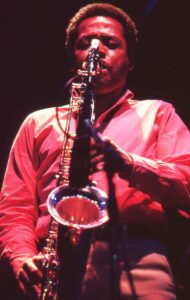
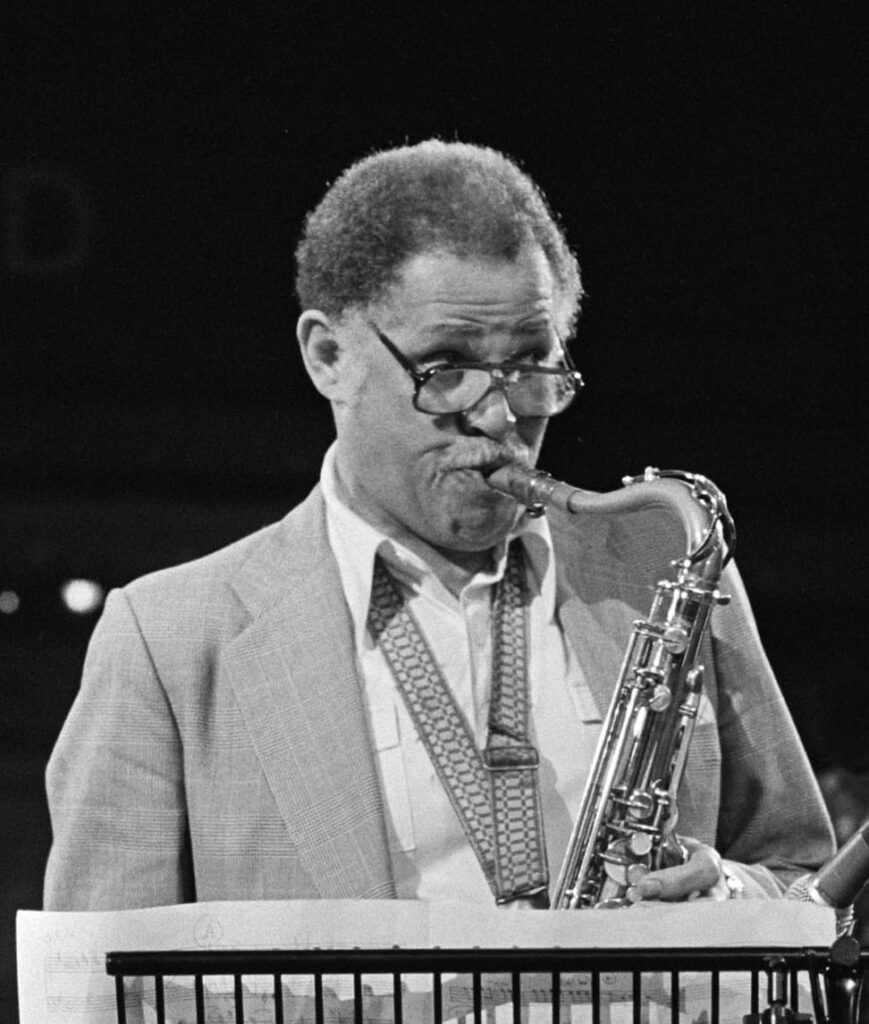
One of the most iconic tenor saxophonists in jazz history, Gordon stood 6 feet 6 inches tall and was nicknamed “Long Tall Dexter.” He was the first musician to bring bebop successfully to the tenor saxophone and a key bridge between Coleman Hawkins, John Coltrane, and Sonny Rollins.
A Medical Family: Born in Los Angeles, Gordon grew up in a family of doctors; his father had treated Duke Ellington. He began on clarinet at 13 and switched to tenor saxophone at 17.
Learning in the Bands: Early in his career, he developed his skills in the bands of Lionel Hampton and Louis Armstrong.
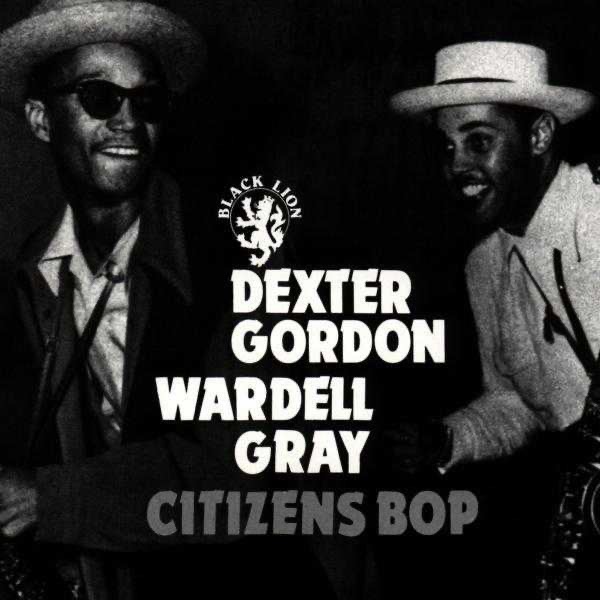
Saxophone Battles: In the late 1940s, his saxophone duels with Wardell Gray, including “The Chase,” caused a sensation. Their competitive style later became a jazz tradition.
A Dark Decade: Drug addiction led Gordon to prison several times in the 1950s, and his career fell into a deep slump.
A Blue Note Revival: In 1961, he joined Blue Note and recorded Doin’ Allright, Dexter Calling…, and what is widely considered his masterpiece,《Go!》. These albums reveal his giant, mature sound and his characteristic laid-back sense of time, often described as playing “behind the beat.”
Paris and Copenhagen: Tired of racism and the drug environment in the United States, Gordon moved to Europe for 14 years.
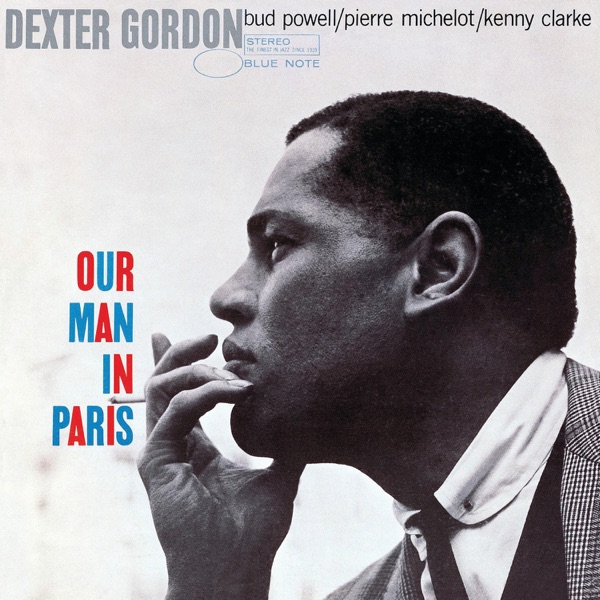
Landmark Recordings: In Europe, he made the celebrated album Our Man in Paris with Bud Powell, showing remarkable creativity. He was treated like a rock star by European audiences, and his life became more stable.
A Triumphant Homecoming: When Gordon returned to the United States in 1976, his performances at the Village Vanguard in New York caused a sensation and were seen as a triumphant comeback for jazz.
A Film Legacy: In 1986, he starred inRound Midnight. He played a down-and-out jazz musician with striking realism and received anAcademy Award nomination for Best Actor.
Final Years: He died of kidney failure in Philadelphia in 1990, aged 67.
A Signature Sound: Gordon’s saxophone tone was huge and spacious, with an unmistakable confidence.
A Distinctive “Behind-the-Beat” Feel: He liked to play on the edge of the beat. His relaxed yet deeply rhythmic approach became a personal signature.
Quoting the Masters: His improvisations were full of humor, and he would unexpectedly quote familiar songs—from “Happy Birthday” to passages from Wagner.
A Sense of Ritual: Before playing a ballad, he often recited its lyrics to help the audience understand its emotional world.
In Summary:Dexter Gordon was jazz’s“elegant giant”. He brought Coleman Hawkins’s weight and power together with Lester Young’s fluidity, carrying both into modern jazz.
Connections: Gordon was an important early model for John Coltrane and Sonny Rollins. After those younger players became famous, he in turn absorbed elements of their hard-bop styles. This kind of influence across generations is rare and moving in jazz history.
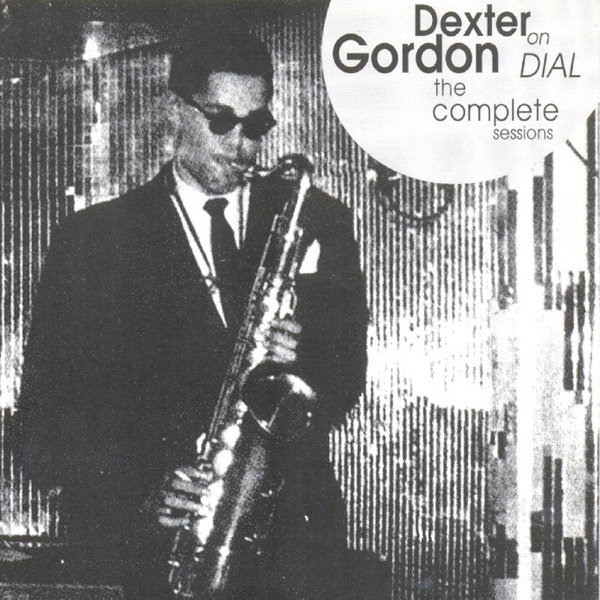
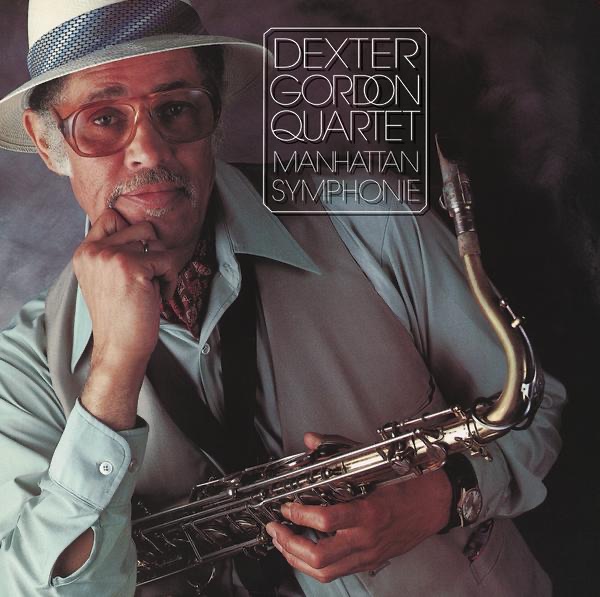
Explore 48 albums and recordings, arranged by release date.







Explore other jazz artists who share genre tags with Dexter Gordon.