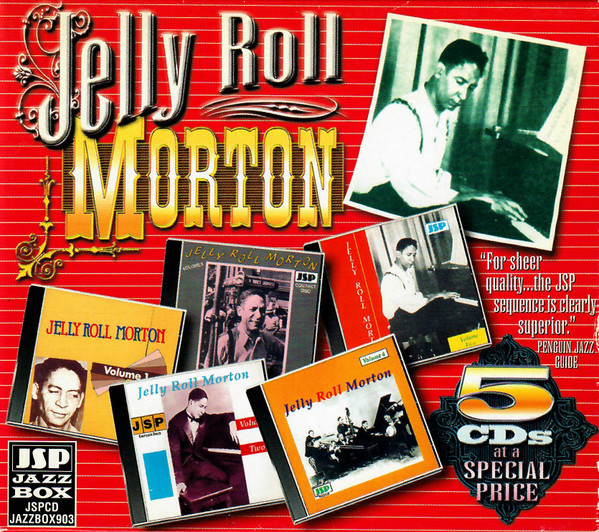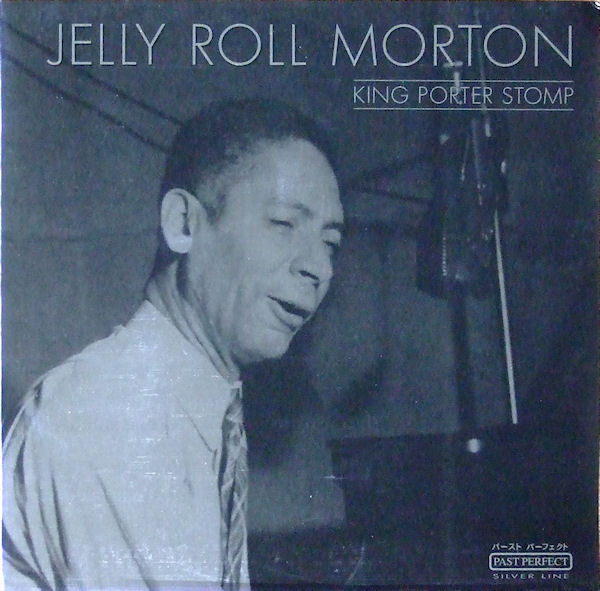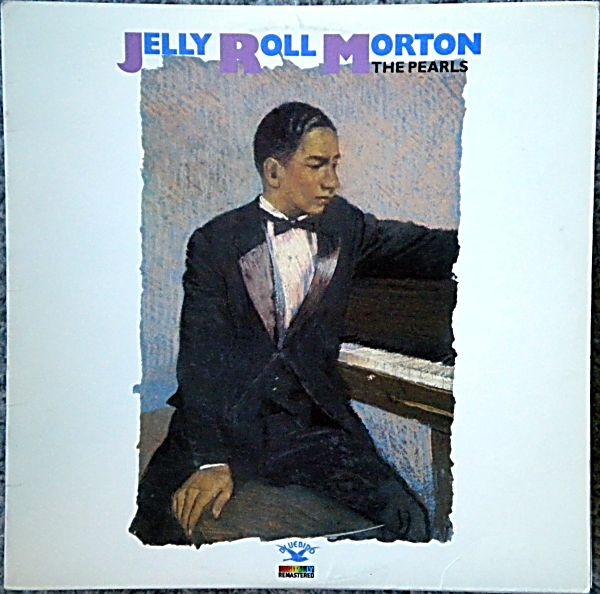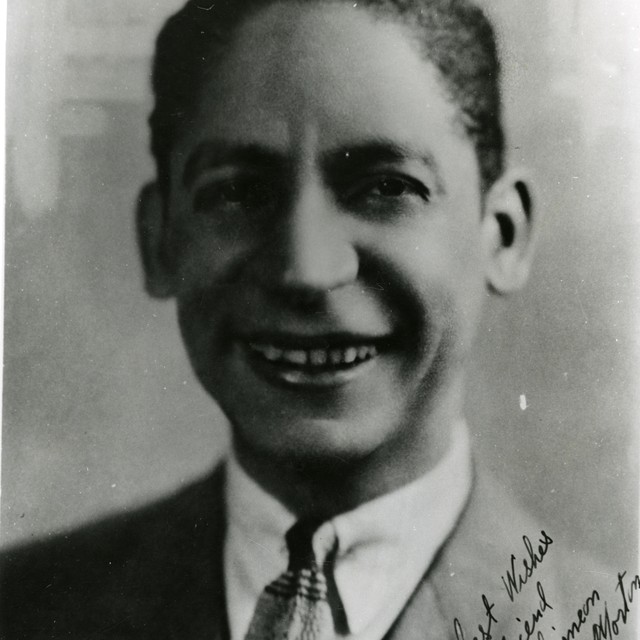

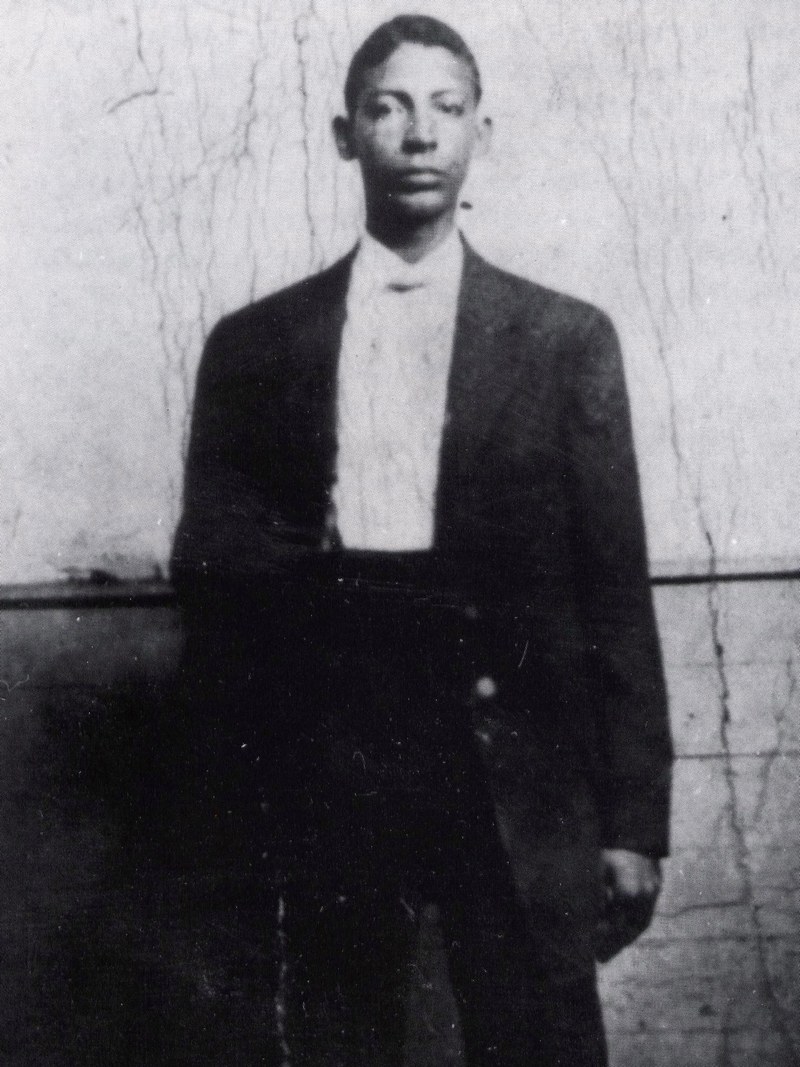
Jelly Roll Morton, born Ferdinand Joseph LaMothe (he took the surname Morton after his mother remarried), was born in New Orleans on September 20, 1885 (some sources say October 20, 1890) and died in Los Angeles on July 10, 1941. He grew up in the city’s Creole community, learned guitar as a child, and switched to piano as a teenager. From his early teens he made a living playing in bars, dance halls, and brothels around Storyville, and worked as a pianist and comic performer with vaudeville and minstrel shows. He blended ragtime, blues, fandango, and march rhythms in his playing. Morton repeatedly claimed that he “invented jazz” in 1902, a statement that has sparked endless debate, but he was certainly among the first to treat jazz as written composition.
His “Jelly Roll Blues,” published in 1915, is often called one of the earliest printed jazz scores. Around the same time, “King Porter Stomp,” “Wolverine Blues,” and “Grandpa’s Spells” became standards throughout the big-band era. After leaving the South in 1917, Morton moved between Los Angeles and Chicago. In 1923, he made his first records for Gennett in Richmond, Indiana, including sessions with the New Orleans Rhythm Kings, and also recorded piano rolls. In 1924 he briefly led a band in Chicago, then organized his own recording group for Victor.
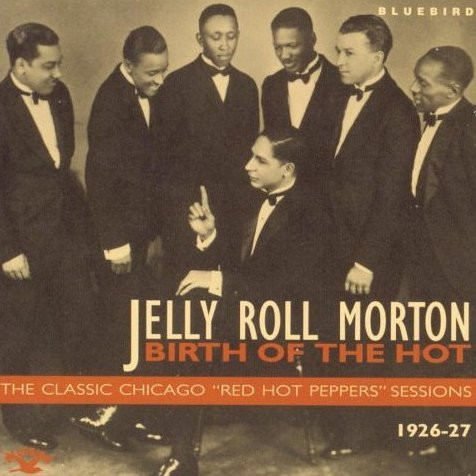
The years 1926–1930 were Morton’s golden period. Under the name Jelly Roll Morton’s Red Hot Peppers, he recorded dozens of sides in Chicago and New York with musicians including trombonist Kid Ory, clarinetists Omer Simeon and Barney Bigard, cornetist George Mitchell, drummer Baby Dodds, and banjoist Johnny St. Cyr. Their recordings are distinctive in their structure: Morton divided each piece into written ensemble passages, breaks, and solo spots, using the band’s collective tightening and release to shape improvisation rather than simply letting musicians take turns. “Black Bottom Stomp,” “Dead Man Blues,” “Doctor Jazz,” and “The Pearls” exemplify this approach and are landmarks in the history of jazz arranging.
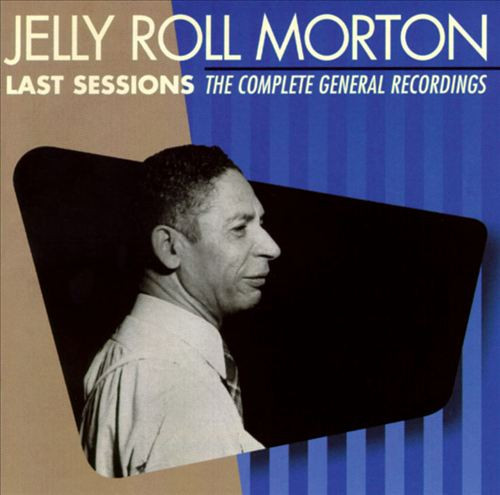
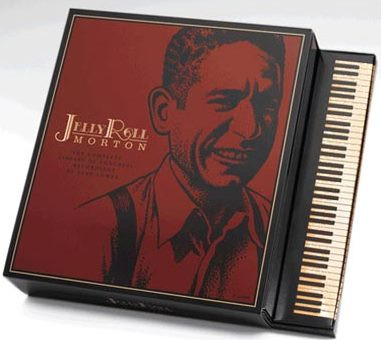
In 1938, folklorist Alan Lomax recorded more than eight hours of interviews and piano playing with Morton at the Library of Congress in Washington. Morton played while telling stories about New Orleans parade bands, brothel pianists, the legend of Buddy Bolden, and his own early life. Later released as The Complete Library of Congress Recordings, the sessions are an essential first-person oral history of early jazz and a moving document of his final years. In 1939 and 1940, he made his last small-group and solo recordings for Commodore in New York, later collected as Last Sessions.
Morton moved to Los Angeles late in life, ran a bar, and saw his health decline. He died in 1941 and was buried at Calvary Cemetery in Los Angeles. His music remained undervalued for decades and was not fully reassessed until the 1990s. The 1992 Broadway musical Jelly’s Last Jam drew on his life; in 1998 he was inducted into the Rock and Roll Hall of Fame in the Early Influence category, and several of his recordings have entered the Grammy Hall of Fame. Benny Goodman’s 1935 recording of “King Porter Stomp” made Morton’s composition a big-band standard. His insistence on jazz as composed music directly influenced the arranging tradition that followed Duke Ellington.
Explore 6 albums and recordings, arranged by release date.
Explore other jazz artists who share genre tags with Jelly Roll Morton.