
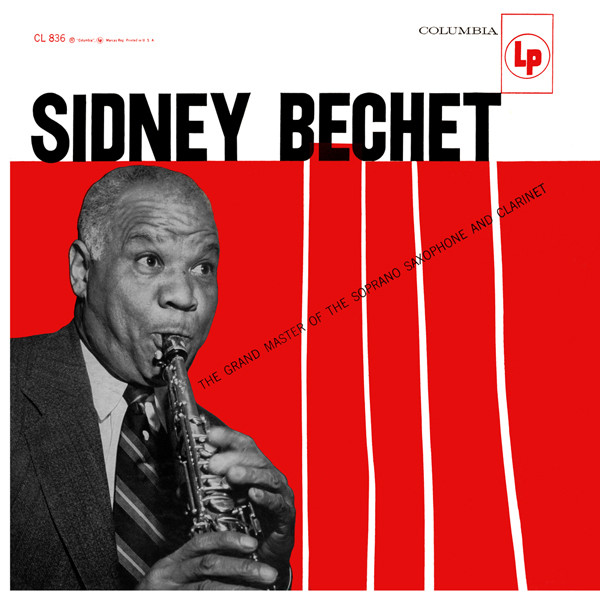
The Grand Master Of The Soprano Saxophone And Clarinet
Release Date: 1956
Country: US
Tracklist
- Love For Sale
- I Had It, But It's All Gone Now
- Jungle Drums
- Buddy Bolden Stomp
- My Woman's Blues
- Polka Dot Stomp
- Laura
- Just One Of Those Things
- Kansas City Man Blues
- Shake 'Em Up
- Chant In The Night
- The Song Of Songs
- What A Dream

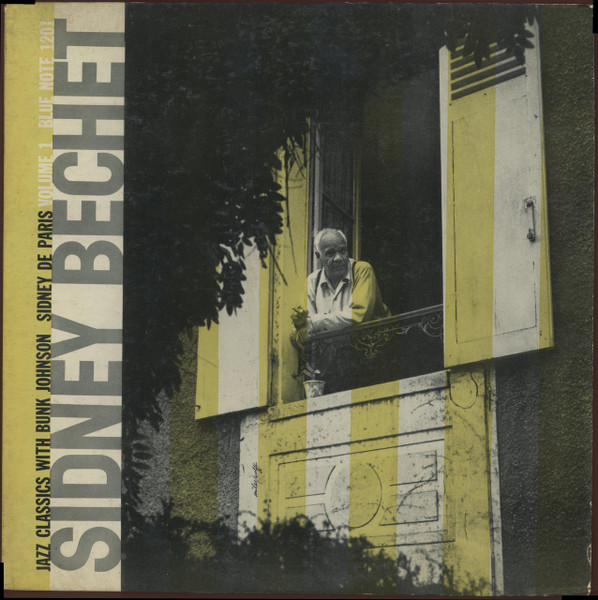
Jazz Classics Volume 1
Release Date: 1955
Country: US
Tracklist
- Muskrat Ramble
- Blue Horizon
- Weary Blues
- Summertime
- Blame It On The Blues
- Milenberg Joys
- Days Beyond Recall
- Salty Dog
- Dear Old Southland
- Weary Way Blues
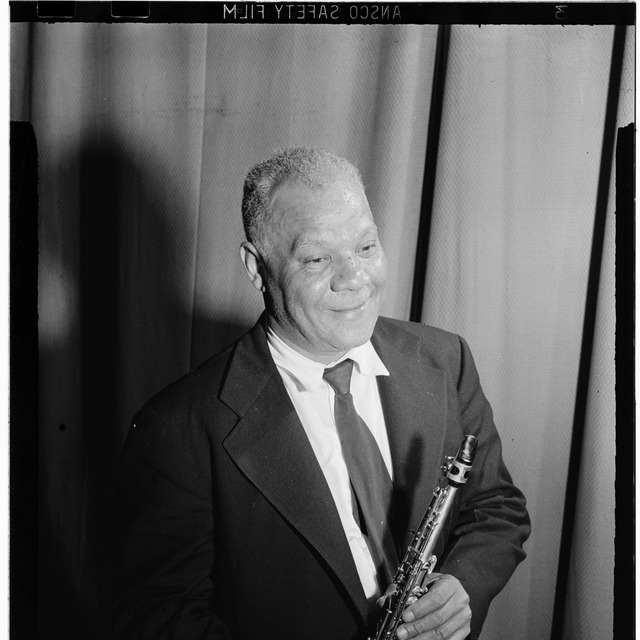
Sidney Bechet
Sidney Bechet was born in New Orleans on May 14, 1897, and died outside Paris on May 14, 1959. He came from a Creole family: his grandfather Omar had been born into slavery, and his older brother Leonard played trombone. As a child, Bechet grew up amid the sounds of parade bands and dance halls. In his teens, he learned clarinet from older musicians such as Freddie Keppard and Bunk Johnson. He was among the first jazz musicians to treat the clarinet as a solo instrument rather than a decorative ensemble voice, and he helped bring the soprano saxophone back into jazz.
In 1919, Bechet went to Europe with Will Marion Cook’s Southern Syncopated Orchestra, spending more than a year in London and Paris. That year, the Swiss conductor Ernest Ansermet wrote in Revue Romande that Bechet might be “the very soul of the orchestra,” comparing his improvisation to the structural sense of classical composers. It was the first time a jazz soloist received serious critical attention, nine years before Louis Armstrong’s “West End Blues.” Back in the United States in the 1920s, Bechet worked in Chicago with Clarence Williams’s Blue Five and recorded with the young Armstrong on “Texas Moaner Blues” and “Cake Walking Babies from Home.” The clashes between their two horns are among early jazz’s most powerful recordings.
Bechet spent much of the 1930s in Europe with Noble Sissle’s band and also ran a tailor shop. In 1932, he recorded “The Sheik of Araby” alone, overdubbing clarinet, saxophone, piano, and drums to create a one-man band—one of jazz’s earliest multitrack recordings. He repeated the process on “Blues of Bechet” in 1938. Beginning in 1939, his Blue Note recordings, including “Summertime” and “Blues in Thirds,” as well as his work with Muggsy Spanier, condensed New Orleans collective improvisation into small-group chamber jazz and became models for the traditional-jazz revival.
In 1945, Bechet took the young clarinetist Bob Wilber as a student. They played together at Jimmy Ryan’s club in New York; Wilber later documented their teacher-student relationship in detail. Bechet performed with Claude Luter’s band in Paris in 1949 and received an almost feverish welcome. In 1950, he settled in France, married Jacqueline, and devoted the rest of his life to European audiences. “Petite Fleur,” recorded in 1952, sold millions of copies in Europe, becoming one of the most successful jazz singles on the continent. “Les Oignons” became a staple of French New Orleans jazz.
Bechet died of cancer in Garches in 1959 and was buried in Antibes. A bronze statue stands on the Antibes–Juan-les-Pins waterfront, and the town’s jazz festival bears his name. In 2001, he was added to the U.S. National Recording Registry. His playing is known for its wide vibrato, slides, and phrasing close to the human voice. He showed that a woodwind instrument could tell a complete story without harmonic support, a path later followed by John Coltrane and generations of saxophonists who treated the instrument as a voice.
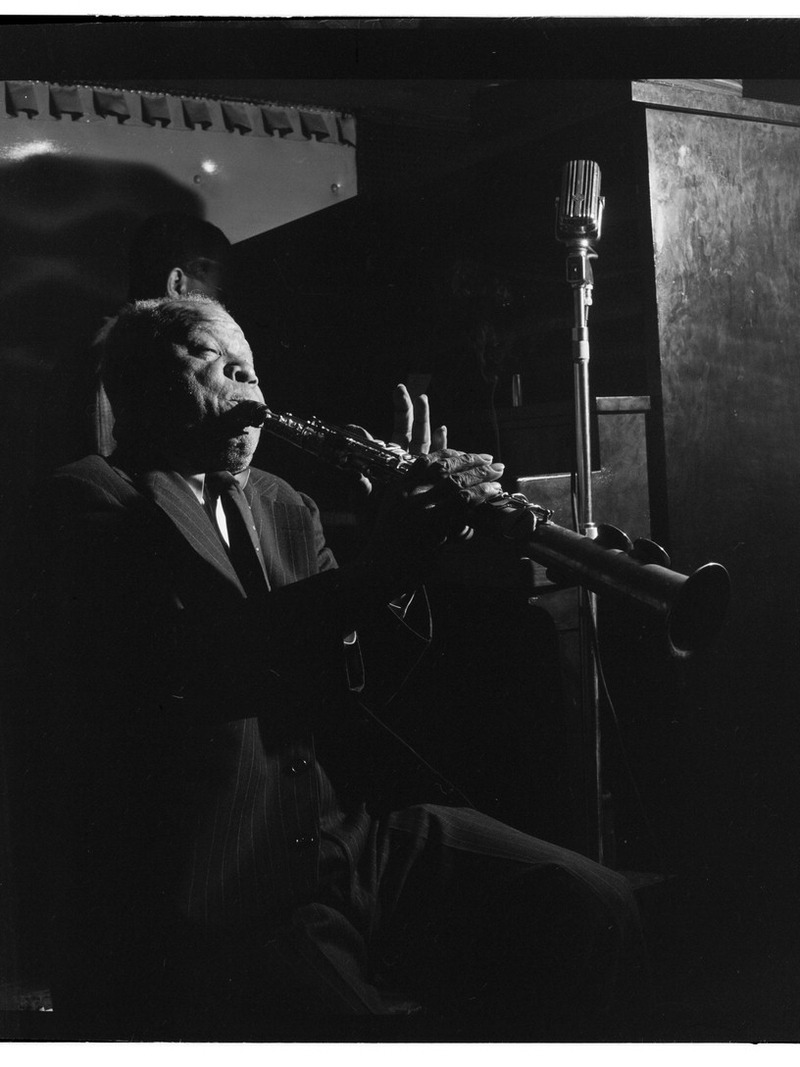
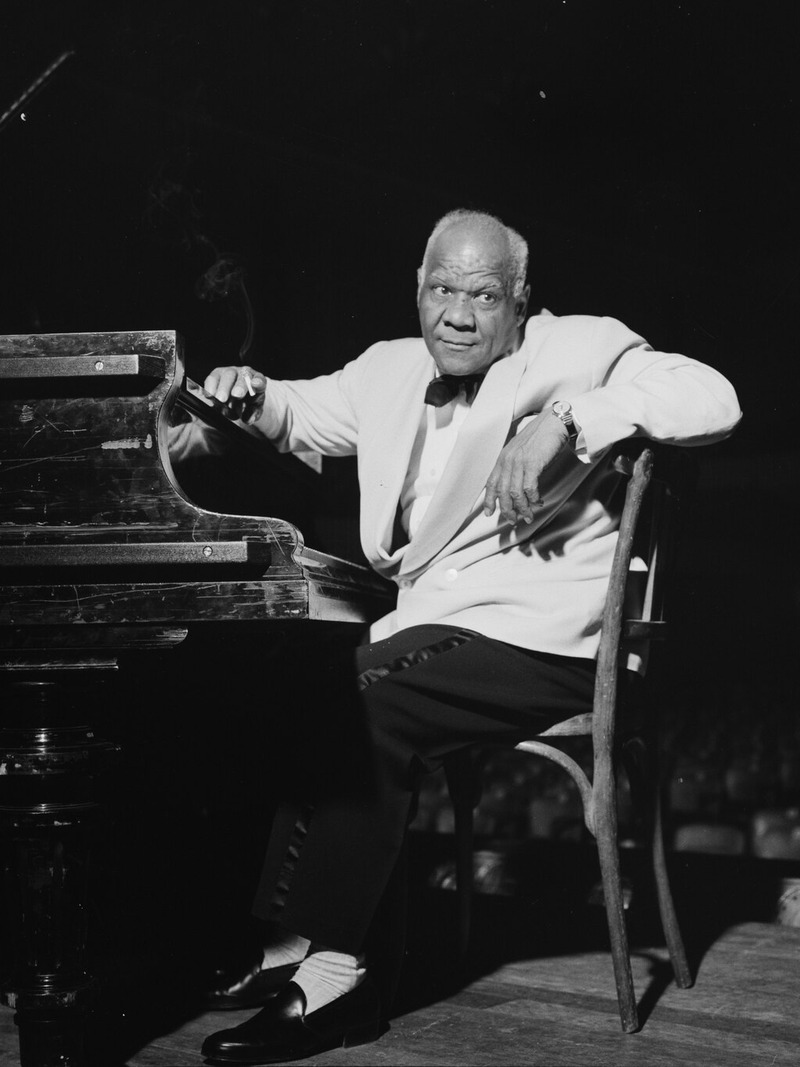

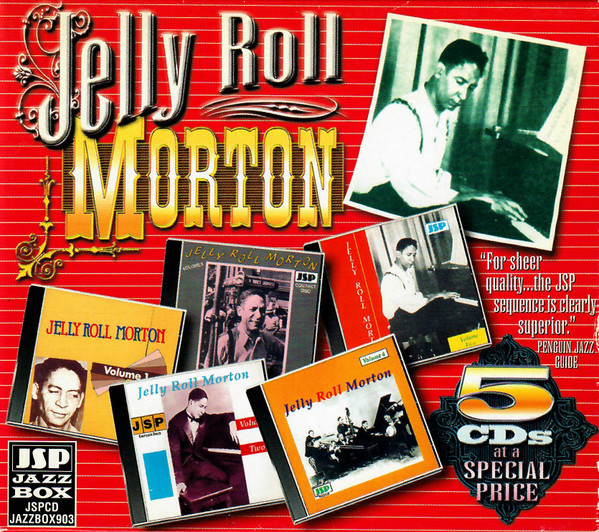
Jelly Roll Morton: 1926-1930
Release Date: 2000-09-12
Country: UK
Tracklist
- Black Bottom Stomp
- Smoke House Blues
- The Chant
- Sidewalk Blues
- Dead Man Blues
- Steamboat Stomp
- Someday Sweetheart
- Grandpa's Spells
- Original Jelly Roll Blues
- Doctor Jazz
- Cannonball Blues
- Hyena Stomp
- Billy Goat Stomp
- Wild Man Blues
- Jungle Blues
- Beale Street Blues
- The Pearls
- Wolverine Blues
- Mr. Jelly Lord
- Red Hot Pepper
- Deep Creek
- Pep
- Seattle Hunch
- Frances (Fat Frances)
- Freakish
- Burnin' The Iceberg
- Courthouse Bump
- Pretty Lil
- Sweet Aneta Mine
- New Orleans Bump (Monrovia)
- Down My Way
- Try Me Out
- Tank Town Bump
- Sweet Peter
- Jersey Joe
- Mississippi Mildred
- Mint Julep
- Smilin' The Blues Away
- Turtle Twist
- My Little Dixie Home
- That's Like It Ought To Be
- Each Day
- If Someone Would Only Love Me
- That'll Never Do
- I'm Looking For A Little Bluebird
- Little Lawrence
- Harmony Blues
- Fussy Mabel
- Ponchatrain
- Oil Well
- Load Of Coal (Load Of Cole)
- Crazy Chords
- Primrose Stomp
- Low Gravy
- Strokin' Away
- Blue Blood Blues
- Mushmouth Shuffle
- Gambling Jack
- Fickle Fay Creep
- The Chant
- Sidewalk Blues
- Dead Man Blues
- Someday Sweetheart
- Grandpa's Spells
- Original Jelly Roll Blues
- Cannonball Blues
- Hyena Stomp
- Billy Goat Stomp
- Wild Man Blues
- Jungle Blues
- Beale Street Blues
- The Pearls
- Wolverine Blues
- Georgia Swing
- Kansas City Stomps
- Shoe Shiner's Drag
- Boogaboo
- Shreveport
- Mournful Serenade
- Shreveport
- Seattle Hunch
- Freakish
- Burnin' The Iceberg
- Courthouse Bump
- Pretty Lil
- Sweet Aneta Mine
- New Orleans Bump (Monrovia)
- Tank Town Bump
- Sweet Peter
- Jersey Joe
- Mississippi Mildred
- Each Day
- Oil Well
- Load Of Coal (Load Of Cole)
- Crazy Chords
- Primrose Stomp
- Strokin' Away
- Blue Blood Blues
- Gambling Jack
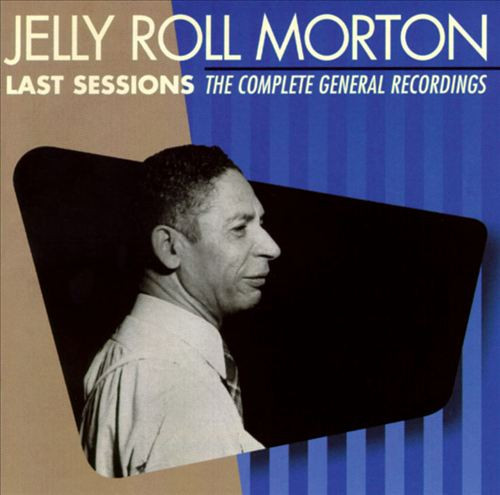
Last Sessions (The Complete General Recordings)
Release Date: 1997
Country: US
Tracklist
- Sporting House Rag (Perfect Rag) (2:18)
- Original Rags (2:48)
- The Crave (3:04)
- The Naked Dance #2 (2:49)
- Mister Joe (2:49)
- King Porter Stomp (2:50)
- Winin' Boy Blues (2:55)
- Animule Dance (2:47)
- Buddy Bolden's Blues (I Thought I Heard Buddy Bolden Say) (2:46)
- The Naked Dance (2:50)
- Don't You Leave Me Here (2:51)
- Mamie's Blues (2:44)
- Michigan Water Blues (3:01)
- Sweet Subsitute (2:52)
- Panama (2:29)
- Good Old New York (2:44)
- Big Lip Blues (3:10)
- Why? (2:48)
- Get The Bucket (2:57)
- If You New (2:50)
- Shake It (2:49)
- Dirty, Dirty, Dirty (2:50)
- Swinging The Elks (2:50)
- Mama's Got A Baby (2:39)
- My Home Is In A Southern Town (2:45)
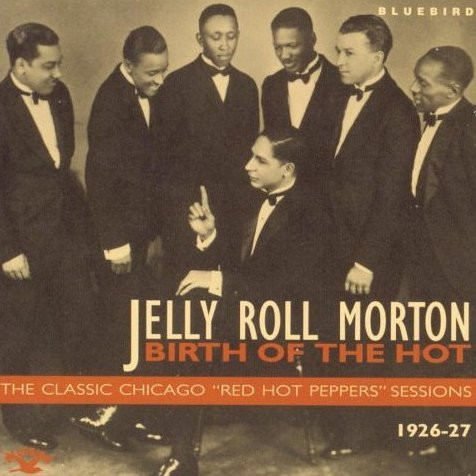
Birth Of The Hot - The Classic Chicago "Red Hot Peppers" Sessions (1926-1927)
Release Date: 1995
Country: US
Tracklist
- Black Bottom Stomp (3:13)
- Smoke House Blues (3:27)
- The Chant (3:12)
- Sidewalk Blues [Take 3] (3:29)
- Dead Man Blues [Take 1] (3:14)
- Steamboat Stomp (3:04)
- Someday Sweetheart (3:29)
- Grandpa's Spells [Take 3] (2:53)
- Original Jelly-Roll Blues (3:04)
- Doctor Jazz (3:24)
- Cannon Ball Blues [Take 2] (3:31)
- Hyena Stomp (3:09)
- Billy Goat Stomp (3:30)
- Wild Man Blues (3:08)
- Jungle Blues (3:26)
- Beale Street Blues (3:15)
- The Pearls (3:25)
- Wolverine Blues (3:19)
- Mr. Jelly Lord (2:52)
- Sidewalk Blues [Take 2] (3:33)
- Dead Man Blues [Take 2] (3:18)
- Grandpa's Spells [Take 2] (2:54)
- Cannon Ball Blues [Take 1] (2:51)
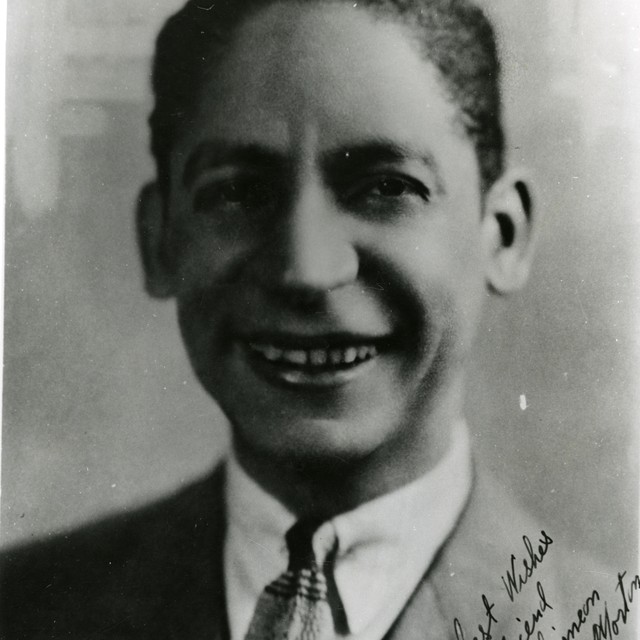
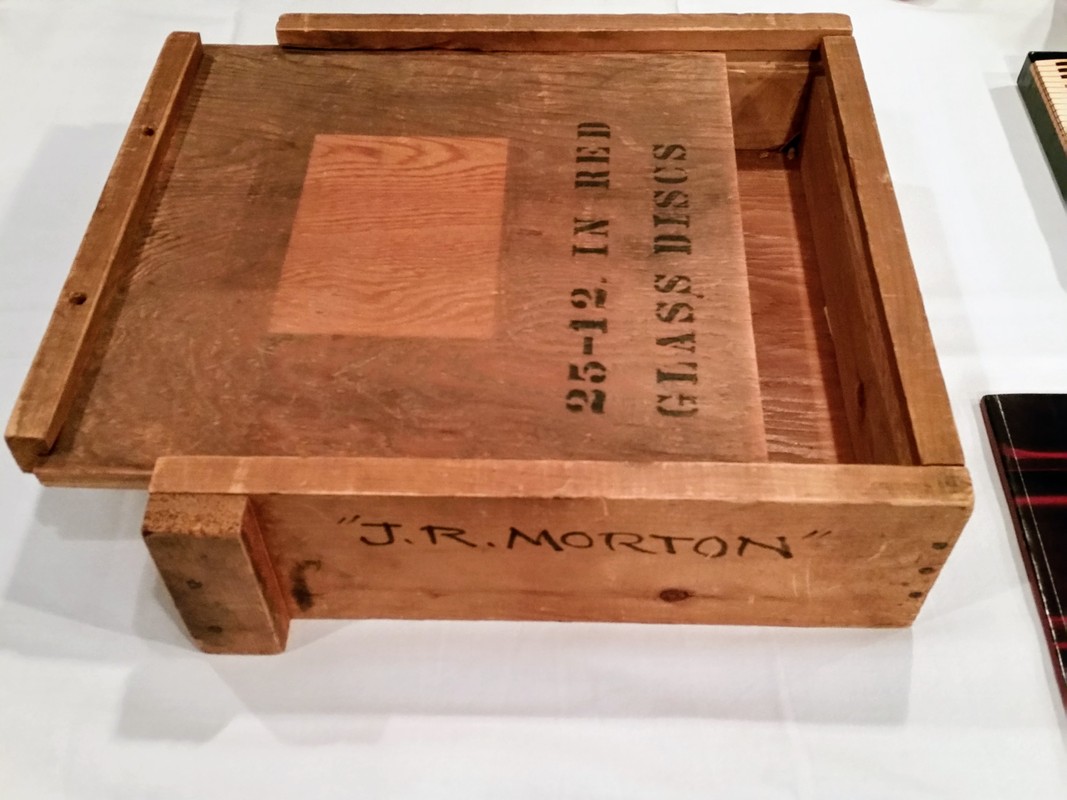
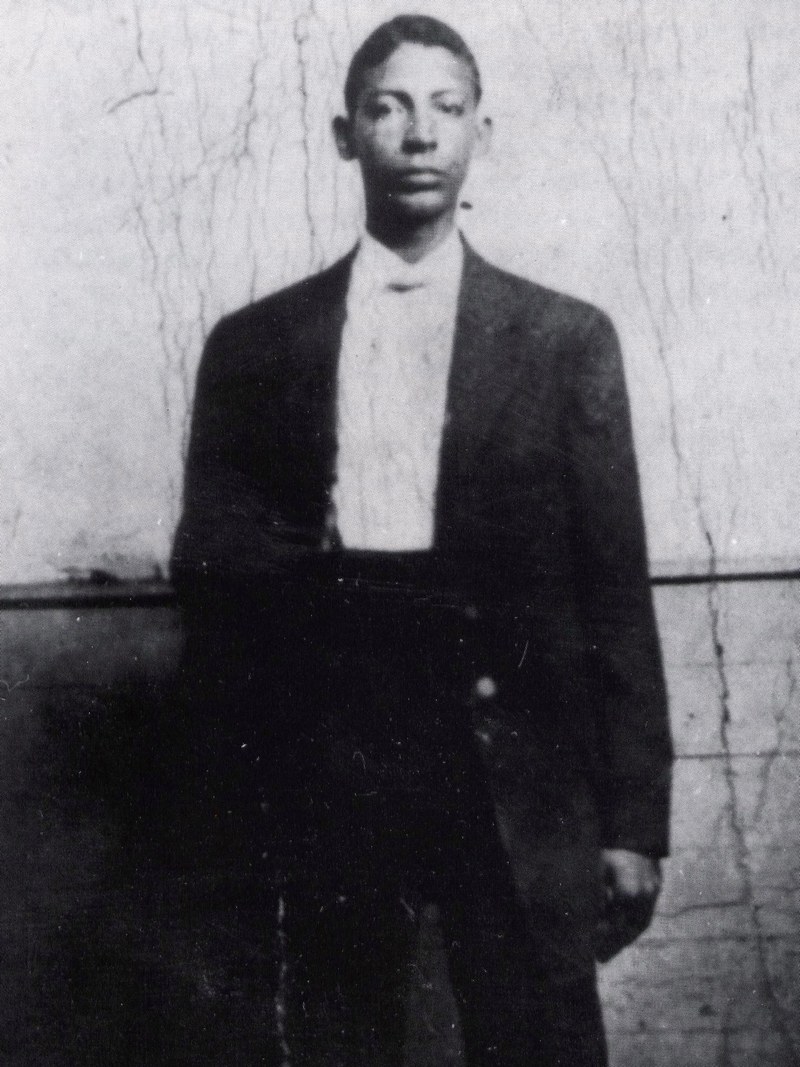
Jelly Roll Morton
Jelly Roll Morton, born Ferdinand Joseph LaMothe (he took the surname Morton after his mother remarried), was born in New Orleans on September 20, 1885 (some sources say October 20, 1890) and died in Los Angeles on July 10, 1941. He grew up in the city’s Creole community, learned guitar as a child, and switched to piano as a teenager. From his early teens he made a living playing in bars, dance halls, and brothels around Storyville, and worked as a pianist and comic performer with vaudeville and minstrel shows. He blended ragtime, blues, fandango, and march rhythms in his playing. Morton repeatedly claimed that he “invented jazz” in 1902, a statement that has sparked endless debate, but he was certainly among the first to treat jazz as written composition.
His “Jelly Roll Blues,” published in 1915, is often called one of the earliest printed jazz scores. Around the same time, “King Porter Stomp,” “Wolverine Blues,” and “Grandpa’s Spells” became standards throughout the big-band era. After leaving the South in 1917, Morton moved between Los Angeles and Chicago. In 1923, he made his first records for Gennett in Richmond, Indiana, including sessions with the New Orleans Rhythm Kings, and also recorded piano rolls. In 1924 he briefly led a band in Chicago, then organized his own recording group for Victor.
The years 1926–1930 were Morton’s golden period. Under the name Jelly Roll Morton’s Red Hot Peppers, he recorded dozens of sides in Chicago and New York with musicians including trombonist Kid Ory, clarinetists Omer Simeon and Barney Bigard, cornetist George Mitchell, drummer Baby Dodds, and banjoist Johnny St. Cyr. Their recordings are distinctive in their structure: Morton divided each piece into written ensemble passages, breaks, and solo spots, using the band’s collective tightening and release to shape improvisation rather than simply letting musicians take turns. “Black Bottom Stomp,” “Dead Man Blues,” “Doctor Jazz,” and “The Pearls” exemplify this approach and are landmarks in the history of jazz arranging.
In 1938, folklorist Alan Lomax recorded more than eight hours of interviews and piano playing with Morton at the Library of Congress in Washington. Morton played while telling stories about New Orleans parade bands, brothel pianists, the legend of Buddy Bolden, and his own early life. Later released as The Complete Library of Congress Recordings, the sessions are an essential first-person oral history of early jazz and a moving document of his final years. In 1939 and 1940, he made his last small-group and solo recordings for Commodore in New York, later collected as Last Sessions.
Morton moved to Los Angeles late in life, ran a bar, and saw his health decline. He died in 1941 and was buried at Calvary Cemetery in Los Angeles. His music remained undervalued for decades and was not fully reassessed until the 1990s. The 1992 Broadway musical Jelly’s Last Jam drew on his life; in 1998 he was inducted into the Rock and Roll Hall of Fame in the Early Influence category, and several of his recordings have entered the Grammy Hall of Fame. Benny Goodman’s 1935 recording of “King Porter Stomp” made Morton’s composition a big-band standard. His insistence on jazz as composed music directly influenced the arranging tradition that followed Duke Ellington.

Klara Presenteert 100 Jaar Jazz
Release Date: 2017
Country: Belgium
Tracklist
- Livery Stable Blues (3:07)
- Carolina Shout (2:49)
- Dippermouth Blues (Sugar Foot Stomp) (2:15)
- The St. Louis Blues (3:11)
- The Pearls (2:51)
- Black Bottom Stomp (3:12)
- The Stampede (3:17)
- Black and Tan Fantasy (3:09)
- Singin' The Blues (3:02)
- From Monday On (3:02)
- West End Blues (3:20)
- Ain't Misbehavin' (3:01)
- Star Dust (3:33)
- Minnie The Moocher (3:40)
- Lady Be Good (2:39)
- Me, Myself And I (2:39)
- Minor Swing (3:16)
- One O'Clock Jump (3:03)
- For Dancers Only (2:40)
- A-Tisket, A-Tasket (2:40)
- Sing, Sing, Sing (With A Swing) (12:20)
- Boogie Woogie Stomp (3:39)
- Summertime (4:13)
- Strange Fruit (3:10)
- Body And Soul (3:04)
- Sweet Lorraine (2:52)
- Perdido Street Blues (3:06)
- Take The A Train (2:55)
- Flying Home (3:17)
- Lover Man (Oh, Where Can You Be) (3:15)
- These Foolish Things (Remind Me Of You) (2:57)
- Virgo (2:29)
- Salt Peanuts (3:15)
- Manteca (3:07)
- Lady Bird (2:52)
- Parker's Mood (3:04)
- Misterioso (3:23)
- Tanga (3:33)
- Yesterdays (2:48)
- Sax Of A Kind (3:02)
- Just Friends (3:33)
- You Can't Lose A Broken Heart (3:13)
- Israel (2:18)
- It Might As Well Be Spring (3:11)
- Un Poco Loco (4:45)
- 23 Degrees North, 82 Degrees West (3:11)
- Bernie's Tune (2:53)
- My Funny Valentine (2:20)
- Joy Spring (6:51)
- Don't Explain (5:13)
- Django (7:06)
- Manoir De Mes Rêves (2:36)
- House Party Starting (5:41)
- The Preacher (4:17)
- I'll Be Seeing You (3:16)
- Requiem (4:52)
- One For My Baby (And One More For The Road) (4:16)
- Night And Day (5:28)
- Night in Tunesia (9:32)
- St. Thomas (6:45)
- The Train And The River (3:33)
- Pithecanthropus Erectus (10:36)
- Azure (7:29)
- A Handful Of Stars (5:36)
- Cheek To Cheek (5:58)
- Splanky (3:36)
- You'D Be So Nice To Come Home To (5:24)
- My Old Flame (5:58)
- Off Minor (5:10)
- Poinciana (8:02)
- Summertime (3:21)
- Moanin' (9:31)
- Lonesome Road (4:21)
- Royal Garden (5:20)
- Enlightenment (5:06)
- Like Someone In Love (7:29)
- So What (9:25)
- Giant Steps (4:46)
- Take Five (5:26)
- Better Get It In Your Soul (7:21)
- Lonely Woman (5:02)
- Driva' Man (5:16)
- Where Flamingos Fly (5:15)
- My Favorite Things (13:44)
- Blue Monk (4:46)
- Waltz For Debby (6:56)
- Stolen Moments (8:47)
- Warm Canto (5:39)
- Ev'Ry Time We Say Goodbye (2:26)
- Cheese Cake (6:34)
- Midnight Blue (3:59)
- The Girl From Ipanema (5:22)
- Song For My Father (7:14)
- Dedication (6:40)
- A Love Supreme (Part 1: Acknowledgement) (7:43)
- Cantaloupe Island (5:28)
- Maiden Voyage (7:57)
- Organ Grinder'S Swing (2:16)
- I Put A Spell On You (2:35)
- Mercy, Mercy, Mercy (5:11)
- Isfahan (4:04)
- Our Prayer (4:45)
- Larry Of Arabia (5:09)
- Footprints (9:48)
- Matrix (6:28)
- Shhh/ Peaceful (18:18)
- Theme De Yoyo (9:02)
- Rise (5:29)
- Blues For Brother George Jackson (3:48)
- Watermelon Man (6:24)
- Prayer (10:10)
- The Rich (And The Poor ) (9:23)
- Birdland (5:58)
- Donna Lee (2:27)
- Days Of Wine And Roses (6:42)
- Crystal Bells (6:15)
- On Green Dolphin Street (13:38)
- Art Deco (8:39)
- 'Round Midnight (6:30)
- Little Rootie Tootie (5:04)
- The Legend Of Buddy Bolden (4:36)
- Swingdown Swingtown (9:00)
- Miles Ahead (4:31)
- Come On In My Kitchen (4:54)
- Cantaloop (Flip Fantasia) (4:39)
- Faith (4:33)
- Let It Shine (6:03)
- Aung San Suu Kyi (5:46)
- Sunset And The Mockingbird (5:53)
- Wayfaring Stranger (4:23)
- Kwela P'Kwana (5:24)
- Las Lomas De New Jersey (4:37)
- Mami Gato (4:10)
- This Is Not America (6:39)
- Malachi (7:01)
- Four In One (5:54)
- I'll Remember April (6:19)
- River (5:25)
- Henya (5:21)
- The Joint Is Jumpin' (5:04)
- Lonesome Lover (3:11)
- Senegal Revisited (4:46)
- Skywalker (4:05)
- Staring At The Sun (4:27)
- Airplàne Song (3:06)
- Spirit Control (4:45)

New Times
Country: Russia
Tracklist
- Basin Street Stomp (4:12)
- Just A Walk With Thee (7:07)
- Am I Blue (7:47)
- Three Little Pigs (3:12)
- Someday You'll Be Sorry (6:55)
- Majesty Blues (7:26)
- Sing-Sing (5:28)
- Muskrat Ramble (6:09)
- Bye, Bye Blackbird (4:27)
- Amapola (6:41)
- Speakeasy (4:43)
- Stevedore Stomp (6:46)
- Va-Bank (6:08)

C'Est Pas Ma Faute !
Country: France
Tracklist
- Oh, But On The Third Day (Happy Feet Blues) (4:24)
- Skeleton In The Closet (4:40)
- Shine (3:18)
- I'll Be A Friend With Pleasure (Thanks Rosy) (5:35)
- Baby Elephant Walk (4:28)
- Is It True What They Say About Dixie? (3:42)
- Du Côté De Chez Swing (Jelly Roll) (4:47)
- Delta Bound (3:18)
- Mardi Gras In New Orleans (3:57)
- Some Of These Days (2:15)
- Alexander's Ragtime Band (4:44)
- I'm Coming In Virginia (4:10)
- Panama (4:18)
- Southern Sunsets (4:09)
- C'Est Pas Ma Faute (It Ain't My Fault) (4:08)

Crescent City Serenade
Release Date: 1991
Country: US
Tracklist
- Sing On (6:54)
- Mama's Gone Goodbye (4:06)
- Crescent City Serenade (5:07)
- High Society (4:26)
- Nobody Knows The Way I Feel This Morning (3:53)
- God Will Take Care Of You (3:40)
- Shake It And Break It (6:04)
- Careless Love (4:22)
- Shreveport Stomp (4:14)
- My Bucket's Got A Hole In It (3:42)
- Chant Of Bechet (3:28)
- Bogalusa Strut (3:42)
- Winnin' Boy Blues (3:59)
- Caribbean Girl ( A New Orleans Calypso) (7:27)

New Year's At The Village Vanguard
Release Date: 1992
Country: US
Tracklist
- You Tell Me Your Dreams (7:19)
- Introductions (0:42)
- Canal Street Blues (7:01)
- Wild Man Blues (5:40)
- By And By (6:26)
- Weird Blues (8:20)
- St. Phillip Street Breakdown (4:34)
- Kiss Me Sweet (6:01)
- Tailgate Ramble (6:13)
- Petite Fleur (4:05)
- Lord, Lord, Lord (8:10)

This Is Jazz
Release Date: 1996
Country: France & Benelux
Tracklist
- Cornet Chop Suey (3:14)
- Heebie Jeebies (2:53)
- Potato Head Blues (2:54)
- West End Blues (3:15)
- Memories Of You (3:12)
- Stardust (3:34)
- When You're Smiling (2:40)
- Dinah (3:17)
- Tiger Rag (3:17)
- Lazy River (3:03)
- Basin Street Blues (3:27)
- Big Butter And Egg Man (2:57)
- Ain't Misbehavin' (3:12)
- When It's Sleepy Time Down South (3:20)
- I´ve Got The World On A String (3:20)
- Between The Devil And The Deep Blue Sea (2:56)
- Little Duet For Zoot And Chet (2:32)
- Love Walked In (2:55)
- You Don't Know What Love Is (3:27)
- I'm Through With Love (2:36)
- You Better Go Now (3:03)
- The Wind
- Autumn Leaves (7:02)
- She Was Too Good To Me (4:40)
- Tangerine (5:26)
- What'll I Do (3:54)
- Clockwise (4:27)
- Myna Bird Blues (4:35)
- Willow Weep For Me (7:42)
- Stormy Weather (2:18)
- The Cooker (4:16)
- The Borgia Stick (3:08)
- Ode To A Kudu (3:44)
- Take Five (7:43)
- I Remember Wes (4:07)
- Good King Bad (5:56)
- Summertime (Live) (6:03)
- From Now On (2:20)
- Take Five (5:23)
- Gone With The Wind (6:22)
- Someday My Prince Will Come (8:16)
- Blue Rondo A La Turk (6:43)
- Pennies From Heaven (6:13)
- When You Wish Upon A Star (4:49)
- Jeepers Creepers (4:58)
- For All We Know (9:27)
- 'Round Midnight (5:54)
- Stella By Starlight (4:42)
- Springsville (3:26)
- Summertime (3:19)
- So What (9:07)
- Someday My Prince Will Come (9:04)
- Seven Steps To Heaven (6:22)
- Walkin' (11:01)
- E.s.p. (5:29)
- Easty St. Louis Toodle-O (3:15)
- In A Sentimental Mood (3:15)
- Stompy Jones (2:38)
- Prelude To A Kiss (2:39)
- C Jam Blues (4:51)
- Sentimental Lady (3:58)
- Take The "A" Train (7:57)
- Satin Doll (2:42)
- In A Mellow Tone (2:40)
- Solitude (4:40)
- Mood Indigo (3:05)
- Diminuendo And Crescendo In Blue (14:41)
- Sing Sing Sing (With A Swing) (12:12)
- Flying Home (3:15)
- The Wang Wang Blues (2:49)
- Don't Be That Way (4:17)
- Runnin' Wild (3:04)
- King Porter Stomp (2:53)
- Limehouse Blues (3:07)
- Mission To Moscow (2:36)
- You Turned The Tables On Me (2:50)
- Avalon (4:14)
- Memories Of You
- Better Git It In Your Soul (7:22)
- Goodbye Pork Pie Hat (4:46)
- Fables Of Faubus (8:13)
- Self-Portrait In Three Colors (3:06)
- Stop
- Song With Orange (4:15)
- Gunslinging Bird (3:58)
- New Now Know How (3:01)
- The Shoes Of The Fisherman's Wife Are Some Jive Ass Slippers (9:33)
- Please Don't Come Back From The Moon (9:32)
- 'Round Midnight (3:49)
- Well You Needn't (9:15)
- Bemsha Swing (4:29)
- Ruby, My Dear (5:38)
- Straight, No Chaser (7:17)
- Blue Monk (6:14)
- Rhythm-A-Ning (3:52)
- Monk's Dream (6:25)
- Misterioso (9:47)
- Epistrophy (2:01)
- Birdland (5:58)
- A Remark You Made (6:50)
- Black Market (6:30)
- Man In The Green Shirt (6:30)
- Young And Fine (6:54)
- The Moors (4:42)
- Mysterious Traveller (7:21)
- Orange Lady (8:41)
- Teen Town (2:52)

Les Stars Du Jazz 2
Release Date: 1997
Country: France
Tracklist
- Waltz Limp (1:51)
- One For Joan (2:42)
- So Long (3:01)
- Devil May Care (3:26)
- J. J. Cellar (2:15)
- Grasshopper (4:27)
- Turkish Coffee (2:41)
- Tiger Rag (Hold That Tiger) (4:35)
- So Sassy (2:40)
- Coming On The Hudson (7:31)
- This Here (Dis Hyunh) (4:06)
- Fatback (8:00)
- By And By (1:51)
- Ruby My Dear (5:49)
- 'Round Midnight From The Film « Round Midnight » (1982) (6:39)
- Minnie The Moocher From The Film « Cotton Club » (3:16)
- April In Paris From The Film « Bird » (3:08)
- Singin' In The Rain From The Film « Singin' In The Rain » « Chantons Sous Le Pluie » (3:20)
- Laura From The Film « Laura » (3:52)
- Cheek To Cheek From The Film « Top Hat » (2:32)
- Somewhere From The Film « West Side Story » (3:30)
- The Trolley Song From The Film « Meet Me In St Louis » (3:04)
- The Shadow Of Your Smile From The Film « The Sand Piper » (4:26)
- The Way You Look Tonight From The Film « Swing Time » (2:42)
- Whistle While You Work (Siffler En Travaillant) From The Film « Snow White And The Seven Dwarfs » « Blanche Neige Et Les Sept Nains » (2:37)
- People From The Film « Funny Girl » (4:18)
- Autumn Leaves (Les Feuilles Mortes) From The Film « Les Portes De La Nuit » (2:41)
- Stormy Weather From The Film « Stormy Weather » (2:37)
- Who 'S Affraid Of The Big Bad Wolf? (Qui Craint Le Grand Méchant Loup ?) From W. Disney's Silly Symphony « Three Little Pigs » « Les Trois Petits Cochons » (2:58)
- 'Round Midnight (5:48)
- 52nd Street Theme (3:17)
- Misterioso (6:36)
- Straight, No Chaser (10:44)
- Ruby, My Dear (8:43)
- Monk's Mood (7:18)
- Light Blue (2:31)
- Well You Needn't (6:29)
- Crepuscule with Nellie (2:46)

25 Years Red Hot Peppers Jubilee Reissue
Release Date: 1998
Country: Switzerland
Tracklist
- When It's Sleepy Time Down South (1:48)
- Bernese Funktion (3:56)
- Do You Know What It Means To Miss New Orleans (5:34)
- Twelfth Street Rag (4:35)
- A Kiss To Build A Dream On (4:42)
- Memories Of Sacramento
- Blue Horizon (4:30)
- Body And Soul (5:21)
- As Long As I Live (5:05)
- New Orleans
- Swing That Music (4:35)
- Second Line (5:39)
- Someday You'll Be Sorry (4:37)
- Tishomingo Blues (5:07)
- In The Court Of King Oliver (7:28)
- Der Päpu (Old Folks) (3:56)
- You Are Lucky To Me (4:19)

Goes Gold
Release Date: 1999
Country: US
Tracklist
- It Don't Mean A Thing If It Ain't Got That Swing (4:24)
- When Day Is Done (3:33)
- It Happened In Sun Valley (2:06)
- Milenberg Joys (4:20)
- With A Wink And A Smile (2:36)
- Our Love Is here To Stay (4:41)
- The Gold Coast (2:29)
- The King Porter Stomp (2:30)
- There Ain't Nobody Here But Us Chickens (4:25)
- Elks Parade (2:43)
- Star Dreams (2:28)
- Happy Feet Blues (4:15)
- S.J.'s Big Band Medley (4:46)
- The Day Isn't Long Enough (3:21)

Ken Burns Jazz (The Story Of America's Music)
Release Date: 2000-11-14
Country: US
Tracklist
- Star Dust (3:33)
- Soon One Mornin' (Death Come A-Creepin' In My Room) (3:12)
- Memphis Blues (2:36)
- Livery Stable Blues (3:05)
- Charleston (1:49)
- Chimes Blues (2:51)
- Back Water Blues (3:17)
- The Pearls (2:48)
- Dead Man Blues (3:13)
- Wild Cat Blues (2:59)
- Cake Walkin' Babies (From Home) (2:55)
- Sugar Foot Stomp (2:49)
- Heebie Jeebies (2:52)
- Potato Head Blues (2:55)
- West End Blues (3:18)
- The Mooche (3:13)
- East St. Louis Toodle-Oo (2:52)
- Black Beauty (3:01)
- Mood Indigo (2:56)
- There Ain't No Sweet Man (Worth The Salt Of My Tears) (3:29)
- Singin' The Blues (3:00)
- Riverboat Shuffle (3:08)
- Hotter Than 'Ell (2:51)
- I Got Rhythm (3:03)
- It Don't Mean A Thing (If It Ain't Got That Swing) (3:08)
- Echoes Of Harlem (2:59)
- Moten Swing (3:22)
- St. Louis Blues (3:00)
- Ain't Misbehavin' (3:11)
- For Dancers Only (2:36)
- King Porter Stomp (3:08)
- Rose Room (2:47)
- Sing, Sing, Sing (With A Swing) (8:37)
- Jumpin' At The Woodside (3:07)
- Sent For You Yesterday And Here You Come Today (2:55)
- Lester Leaps In (3:13)
- Oh, Lady, Be Good! (3:05)
- Without Your Love (2:51)
- Strange Fruit (3:10)
- God Bless The Child (2:53)
- Three Little Words (2:24)
- Rebecca (2:40)
- Harlem Congo (3:14)
- A-Tisket A-Tasket (2:36)
- Shine (2:55)
- Dear Old Southland (2:34)
- Body And Soul (3:00)
- Cotton Tail (3:10)
- Take The "A" Train (2:54)
- Begin The Beguine (3:13)
- In The Mood (3:33)
- Well, Git It! (3:00)
- Solitude (3:12)
- Drum Boogie (3:06)
- Salt Peanuts (3:12)
- Groovin' High (2:39)
- Ko-Ko (3:12)
- Scrapple From The Apple (2:56)
- Embraceable You (3:42)
- Get Happy (2:50)
- Epistrophy (3:05)
- Straight, No Chaser (2:55)
- Manteca (3:05)
- Moon Dreams (3:18)
- Just Friends (3:30)
- Rockin' Chair (3:03)
- They Can't Take That Away From Me (2:40)
- Walkin' Shoes (3:09)
- Fine And Mellow (8:00)
- Doodlin' (6:44)
- I Get A Kick Out Of You (7:40)
- St. Thomas (6:41)
- Django (7:02)
- Take Five (5:22)
- So What (9:22)
- Giant Steps (4:43)
- Rick Kick Shaw (6:03)
- Chronology (6:03)
- Original Faubus Fables (9:04)
- Acknowledgment [From A Love Supreme] (7:47)
- Hello, Dolly! (2:23)
- Desafinado (5:49)
- In A Sentimental Mood (4:14)
- Tourist Point Of View (5:07)
- E.S.P. (5:30)
- Spanish Key (Single Version) (2:49)
- Birdland (5:57)
- Mister Magic (9:02)
- Rockit (3:55)
- Un Ange En Danger (3:49)
- Tanya (7:24)
- Soon All Will Know (3:35)
- Death Letter (4:13)
- Take The "A" Train (5:34)

The Best Of Ken Burns Jazz
Release Date: 2000
Country: US
Tracklist
- Star Dust (3:33)
- Dead Man Blues (3:12)
- Dear Old Southland (2:34)
- Singin' The Blues (3:00)
- St. Louis Blues (3:00)
- The Mooche (3:13)
- Hotter Than 'Ell (2:51)
- King Porter Stomp (3:09)
- Begin The Beguine (3:13)
- Cotton Tail (3:10)
- Jumping' At The Woodside (3:08)
- Solitude (3:12)
- Groovin' High (2:39)
- Straight, No Chaser (2:55)
- They Can't Take That Away From Me (2:40)
- Take Five (45-RPM Version) (2:53)
- Doodlin' (6:44)
- Giant Steps (4:43)
- So What (9:22)
- Take The "A" Train (5:34)

Higher Ground (Hurricane Relief Benefit Concert)
Release Date: 2005
Country: US
Tracklist
- This Joy (2:52)
- Over There (7:31)
- Go To The Mardi Gras (5:08)
- Basin Street Blues (5:52)
- Never Die Young (4:06)
- The House I Live In (5:00)
- New Orleans Blues (4:58)
- I Think It's Going To Rain Today (3:04)
- Dippermouth Blues (2:19)
- I'm Gonna Love You Anyway (4:50)
- Is That All There Is? (4:12)
- Just A Closer Walk With Thee (6:39)
- Here's To Life (6:21)
- Blackwell's Message (5:29)
- Come Sunday (9:28)

Homage
Release Date: 2012
Country: Denmark
Tracklist
- Weather Bird (2:20)
- Nardis (7:08)
- Mr. Kenyatta (6:37)
- Later (5:49)
- Liquid Streets (4:25)
- Con Alma (5:38)
- Mr. Clean (7:29)
- Sunday (5:35)
- Theme For Maxine (7:30)
- Nostalgia (7:01)
- Tiny Capers (6:03)

Standard Time Vol.2 - Intimacy Calling
Release Date: 1991-03-26
Country: US
Tracklist
- When It's Sleepytime Down South (5:10)
- You Don't Know What Love Is (6:23)
- Indelible And Nocturnal (4:11)
- I'll Remember April (8:34)
- Embraceable You (7:15)
- Crepuscule With Nellie (3:04)
- What Is This Thing Called Love? (6:29)
- The End Of A Love Affair (3:12)
- East Of The Sun (West Of The Moon) (5:16)
- Lover (5:05)
- Yesterdays (9:36)
- Bourbon Street Parade (5:47)

Mr. Jelly Lord - Standard Time Vol. 6
Release Date: 1999
Country: Europe
Tracklist
- Red Hot Pepper (3:41)
- New Orleans Bump (4:32)
- King Porter Stomp (3:10)
- The Pearls (3:51)
- Deep Creek (5:14)
- Mamanita (2:48)
- Sidewalk Blues (5:12)
- Jungle Blues (6:50)
- Big Lip Blues (3:17)
- Dead Man Blues (4:40)
- Smokehouse Blues (4:51)
- Billy Goat Stomp (2:58)
- Courthouse Bump (3:28)
- Black Bottom Stomp (4:20)
- Tom Cat Blues (2:09)

Live At Hofstra 1993
Release Date: 2016-06-09
Country: US
Tracklist
- St. Louis Blues (10:04)
- Tin Roof Blues (11:13)
- I’ll Remember April (8:31)
- What is this thing Called Love? (8:00)
- Embraceable You (5:42)
- Cherokee (8:49)
- Filthy Blues (11:35)
- Struttin’ With Some Barbeque (6:44)

Wynton Marsalis Plays Louis Armstrong's Hot Fives And Hot Sevens
Release Date: 2023-08-04
Country: US
Tracklist
- Potato Head Blues (4:48)
- Twelfth Street Rag (4:01)
- Skid-Dat-De-Dat (5:48)
- Jazz Lips (4:00)
- St. James Infirmary (6:31)
- Weary Blues (3:56)
- Melancholy Blues (4:07)
- Heebie Jeebies (5:52)
- Once In A While (6:11)
- Ory's Creole Trombone (4:05)
- Basin Street Blues (7:58)
- Savoy Blues (6:33)
- Cornet Chop Suey (3:59)
- Fireworks (5:46)

Jonah Jones
Jonah Joneswas a singular trumpet player in jazz history. He crossed over beyond the jazz world and became a household name in the 1950s. With his signature use of mutes and a swinging quartet, he turned complex jazz into something elegant, light, and commercially appealing. He is often seen as a pioneer of easy-listening jazz and swing in the era before mainstream rock.
Forged in the Swing Era (1920s–1940s)
Born in Louisville, Kentucky,Jonesdeveloped his craft early in riverboat bands. In the 1930s, he joined the celebrated sextet of bassistJohn Kirbyand the group led by violinistStuff Smith. His fiery, explosive, Armstrong-inspired style earned him a reputation in jazz. In the 1940s, he joinedCab Calloway’s big band, where he spent a decade as lead trumpeter and witnessed the height of the big-band era.
The Quartet and Commercial Success (1950s–1960s)
As the big-band era ended in the mid-1950s,Jonesformed his own quartet. During a residency at New York’sEmbersclub, he developed a new approach: using mutes—especially the tight mute—to play popular standards. The sound retained the improvisational spirit of jazz while offering a gentle, refined quality well suited to relaxed listening. In 1958, his album《I Dig Chicks!》won theGrammy Award for Best Jazz Performance by a Group. His gold-selling recordings, including “On the Street Where You Live,” became popular with a broad audience and made him one of the few jazz musicians of the period to achieve major public recognition.
A Long Career and Final Years (1970s–2000)
Even after rock and modern jazz rose to prominence,Jonescontinued to perform regularly, touring internationally and appearing on television variety programs. His playing retained its clean, crisp swing. He died in New York in 2000, aged 91, after witnessing nearly a century of musical change.
3. Musical Style: Master of the Mute
-
The Use of Mutes:Joneswas a master of the mute. By changing mutes, he could give the trumpet a metallic edge or a playful, conversational intimacy.
-
Minimalism and Precise Swing: Rather than elaborate harmonic structures or lengthy solos, Jones emphasized clear melodies and a steady two-beat pulse, creating a style that listeners could feel physically.
-
A Bridge to a Wider Audience: He found a balance between serious improvisation and popular entertainment, showing that jazz could be welcoming and full of pleasure.
In Summary: Jonah Joneswas jazz’s“translator”. Through imaginative use of the mute, he turned sophisticated jazz language into romantic melodies listeners everywhere could understand. For a designer who values practical function combined with decorative beauty,Jonah Jones’s music is likea beautifully designed industrial object—with a rigorous functional structure rooted in jazz and an appealing exterior in the form of popular melody, it delivers exceptional reach within a compact design.

Louis Armstrong
Career
Louis Daniel Armstrong (August 4, 1901 – July 6, 1971), nicknamed “Satchmo,” “Satch,” and “Pops,” was an American jazz and blues trumpeter and singer. One of the most influential figures in jazz, his career spanned five decades and several eras. Armstrong received many honors, including a 1965 Grammy for Best Male Vocal Performance for “Hello, Dolly!” and a posthumous Grammy Lifetime Achievement Award in 1972. He has been inducted into the DownBeat Jazz Hall of Fame, the Rock & Roll Hall of Fame, and the National Rhythm & Blues Hall of Fame, among others.
Armstrong was born and raised in New Orleans. In the 1920s, his highly creative trumpet and cornet playing helped make him one of jazz’s founding figures, shifting the music’s focus from collective improvisation toward the soloist. Around 1922, he followed his mentor Joe “King” Oliver to Chicago and joined Oliver’s Creole Jazz Band. Armstrong made his mark in cutting contests, and his reputation reached bandleader Fletcher Henderson. He later moved to New York, where he became an influential soloist and recording artist. By the 1950s, Armstrong was an international music icon, appearing regularly on radio, television, and in films. Beyond music, he was a beloved entertainer who joked with audiences and maintained a warm, upbeat public image.
Among Armstrong’s best-known songs are “What a Wonderful World,” “La Vie en Rose,” “Hello, Dolly!,” “On the Sunny Side of the Street,” “Dream a Little Dream of Me,” “When You’re Smiling,” and “When the Saints Go Marching In.” He made three albums with Ella Fitzgerald: Ella and Louis (1956), Ella and Louis Again (1957), and Porgy and Bess (1959). His film appearances included A Rhapsody in Black and Blue (1932), Cabin in the Sky (1943), High Society (1956), Paris Blues (1961), A Man Called Adam (1966), and Hello, Dolly! (1969).
Armstrong had an unmistakable, deep, gravelly voice. He was an influential singer and a remarkable improviser, and he was also skilled at scat singing. By the final years of his life, his influence had reached well beyond jazz into popular music. He was among the first Black entertainers to cross over and win broad white and international audiences. Armstrong rarely spoke publicly about race, a silence that sometimes disappointed other Black Americans, but he publicly supported desegregation during the Little Rock Crisis. At a time when Black men had few opportunities to enter elite American society, he managed to do so. His recording of “Mack the Knife” was included on the Voyager Golden Record, a collection of images and sounds from Earth sent into space.
Early Life
Armstrong is believed to have been born in New Orleans on August 4, 1901, although the date has long been disputed. He often claimed that he was born on July 4, 1900. His parents were Mary Estelle “Mayann” Albert and William Armstrong. Albert came from Boutte, Louisiana, and gave birth to him at home at about age 16. Less than a year and a half later, she had a daughter, Beatrice “Mama Lucy” Armstrong (1903–1987), who was raised by Albert. William Armstrong left the family soon afterward.
Armstrong was raised by his grandmother until he was five, when he returned to his mother. He grew up poor in a rough neighborhood known as “the Battlefield,” in the southern part of Rampart Street. At six, he began attending Fisk School for Boys, a school for Black children, as New Orleans schools were segregated.
During this period, Armstrong lived with his mother and sister and worked for the Karnoffsky family, Lithuanian Jewish immigrants. He helped their sons, Morris and Alex, collect rags and scrap and deliver coal. In 1969, while being treated for heart and kidney problems at Beth Israel Hospital in New York City, Armstrong wrote a memoir, Louis Armstrong and the Jewish Family in New Orleans, 1907, about his time working for them.
In the memoir, Armstrong wrote that he sang “Russian Lullaby” with the Karnoffskys while their baby son David was being put to sleep. He believed they had taught him to “sing from the heart.” The lyrics he quoted appear to match “Russian Lullaby,” copyrighted by Irving Berlin in 1927, although Armstrong recalled singing the song as a child roughly twenty years earlier. In 1969, Gary Zucker, a doctor at Beth Israel Hospital, had shared Berlin’s lyrics with him, and Armstrong included them in his memoir. The discrepancy may reflect the fact that he wrote the memoir more than sixty years after the events. In any case, the Karnoffskys treated him well. Knowing that he had no father at home, they cared for him and helped raise him.
In Louis Armstrong and the Jewish Family in New Orleans, 1907, he described realizing that the family also faced discrimination from “other white people” who considered themselves superior to Jews: “I was only seven years old, but I could clearly see how white people treated the poor Jewish family I worked for.” Armstrong wrote that he learned from them “how to live—real life and toughness.” His first musical performance may have been beside the Karnoffskys’ junk wagon, where he played a tin horn to attract customers and compete with other vendors. Morris Karnoffsky advanced him money to buy a cornet at a pawnshop. As an adult, Armstrong wore a Star of David given to him by his Jewish manager, Joe Glaser, until his death, partly in gratitude to the family that had helped raise him.
Armstrong left school at eleven. His mother moved with Armstrong, Lucy, and her partner Tom Lee into a one-room cottage on Perdido Street, next door to her brother Ike and his two sons. Armstrong joined a quartet of four boys who sang on the street to earn money. Cornetist Bunk Johnson said that he taught the eleven-year-old to play by ear at Dago Tony’s bar. Later in life, Armstrong credited King Oliver with inspiring him. Recalling his youth, he said, “Every time I close my eyes and blow my trumpet—I look right in the heart of old New Orleans… It has given me something to live for.”
A January 2, 1913, report in the New Orleans Times-Democrat used a racial term that is now outdated. On December 31, 1912, Armstrong borrowed his stepfather’s gun without permission and fired a blank into the air. He was arrested, spent the night in juvenile court, and the next day was sent to the Colored Waif’s Home. Conditions there were stark: there were no mattresses, and meals were often just bread and molasses. Captain Joseph Jones ran the home like a military camp and used corporal punishment.
Armstrong developed his cornet playing in the home’s band. Peter Davis, who often visited the Armstrong home at Jones’s invitation, became his first music teacher and chose him to lead the band. Through it, Armstrong attracted the attention of Kid Ory at age thirteen.
On June 14, 1914, Armstrong was released into the care of his father and stepmother, Gertrude. He lived there with two stepbrothers for several months. After Gertrude had a daughter, Armstrong’s father continued to reject him, and he returned to his mother, Mary Albert. Armstrong had to share a bed with his mother and sister in their small home. His mother still lived near the Battlefield, leaving him exposed to old temptations, but he tried to find work in music.
Armstrong found work at Henry Ponce’s dance hall; Ponce was connected to organized crime. There he met Black Benny, a six-foot drummer who became his guide and bodyguard. At about fifteen, Armstrong acted as a pimp for a sex worker named Nootsy. Their relationship ended badly: Nootsy stabbed him in the shoulder, and his mother nearly strangled her.
Armstrong briefly studied shipping management at a local community college but had to leave when he could not afford the tuition. While selling coal in Storyville, he heard “spasm bands,” which made music with household objects. He also listened to early jazz in brothels and dance halls, including Pete Lala’s, where King Oliver had played.
Riverboat Education
Armstrong (fourth from left) with Fate Marable’s New Orleans band aboard the SS Sidney in 1919.
Early in his career, in the late 1910s, Armstrong played in New Orleans brass bands and on excursion boats. He toured with Fate Marable’s band aboard the Streckfus Steamers’ Sidney, traveling up and down the Mississippi River. Marable took pride in Armstrong’s musical knowledge and insisted that he and the other musicians learn to read music. Armstrong later compared his time with Marable to “going to college,” because it gave him broad experience reading scores. In 1918, Armstrong’s mentor King Oliver decided to head north and left his position in Kid Ory’s band; Armstrong took his place. He also became second trumpet in the Tuxedo Brass Band.
On the riverboat tours, Armstrong’s musicianship matured. By twenty he could read music. He became one of the first jazz musicians to play extended trumpet solos, bringing his own personality and style to them. He also began singing during performances.
Chicago recordings
“Dippermouth Blues”
Running time: 2 minutes, 24 seconds
A 1923 recording of Louis Armstrong playing cornet with King Oliver’s Creole Jazz Band.
In 1922, Armstrong moved to Chicago at King Oliver’s invitation, although he would return to New Orleans from time to time throughout his life. At the all-Black Lincoln Gardens on Chicago’s South Side, he played second cornet in Oliver’s Creole Jazz Band and earned enough to leave his day job. Despite strained racial relations, Chicago’s economy was booming. The city offered Black residents opportunities in factories, where they could earn good wages, as well as in entertainment.
Oliver’s band was among the most influential jazz groups in Chicago in the early 1920s. Armstrong lived in a luxurious apartment and had his first private bathroom. Excited by his arrival in Chicago, he took up a lifelong habit of writing to friends in New Orleans. He could play 200 high C’s in one breath. As his fame grew, other musicians began challenging him to cutting contests.
Armstrong’s first studio recordings were made with Oliver for Gennett Records on April 5 and 6, 1923. They endured hours of train travel to reach Richmond, Indiana, and the band was paid little. The recordings suffered from a lack of rehearsal, primitive equipment, poor acoustics, and a cramped studio. These were true acoustic recordings: the band played directly into a large horn connected to a stylus that cut grooves into the master disc. Electrical recording, with its wider dynamic range and more striking results, was not developed until 1926. At first Armstrong played so loudly that Oliver was barely audible when they stood side by side. To solve the problem, Armstrong had to stand in a corner of the room, fifteen feet away from Oliver.
Lil Hardin married Armstrong in 1924. She urged him to seek better opportunities and move beyond Oliver’s influence so he could develop his own style. At her suggestion, he played classical music at church concerts to broaden his skills and dressed more fashionably to offset his stocky build. Hardin’s influence eventually strained Armstrong’s relationship with his mentor, especially over pay: Oliver withheld extra earnings from Armstrong and other band members. In the summer of 1923, Armstrong’s mother, Mayann Albert, came to Chicago after learning that he was “unemployed, penniless, hungry, cold, and sick.” Hardin found and furnished an apartment for her to stay in during Armstrong’s visit.
Fletcher Henderson Orchestra
The Fletcher Henderson Orchestra in 1925. Armstrong is third from the left.
In 1924, Armstrong and Oliver parted amicably. Soon afterward, Armstrong was invited to New York City to join the Fletcher Henderson Orchestra, then the leading African American band. To fit in better with the other musicians, he switched to trumpet. Recordings from this period show Armstrong’s influence on Henderson’s tenor saxophone soloist, Coleman Hawkins.
Armstrong adapted to Henderson’s disciplined style, playing trumpet and trying trombone as well. The other musicians were influenced by his emotionally charged performances, which included singing and stories about New Orleans characters, especially preachers. The Henderson Orchestra played at prominent venues reserved for white audiences, including Roseland Ballroom, with arrangements by Don Redman. Duke Ellington’s orchestra went to Roseland to hear Armstrong.
During this period, Armstrong recorded with Clarence Williams, a friend from New Orleans, Williams’s Blue Five, Sidney Bechet, and blues singers Alberta Hunter, Ma Rainey, and Bessie Smith.
Hot Five
In 1925, disappointed with New York, Armstrong returned to Chicago. Lil arranged recording sessions for him with Okeh Records and a booking at the Dreamland Café. To his annoyance, she promoted him as “the world’s greatest trumpet player.” For a time, he joined the Lil Hardin Armstrong Band and worked for his wife. Armstrong formed Louis Armstrong and His Hot Five and recorded hits including “Potato Head Blues” and “Muggles.” “Muggles” was slang for marijuana, which Armstrong used throughout his life.
Louis Armstrong and His Hot Five, “Heebie Jeebies,” 1926
The Hot Five included Kid Ory on trombone, Johnny Dodds on clarinet, Johnny St. Cyr on banjo, and Lil Armstrong on piano; it usually had no drummer. In the twelve months beginning in November 1925, the group made 24 records. Armstrong led the band in a relaxed, informal way. As St. Cyr said, “You could feel very relaxed working with him; he was very liberal… always trying to give every musician a chance to show what he could do.”
The Hot Five and Hot Seven records included “Cornet Chop Suey,” “Struttin’ with Some Barbecue,” “Hotter Than That,” and “Potato Head Blues,” all featuring Armstrong’s inventive solos. Thomas Brothers described recordings such as “Struttin’ with Some Barbecue” as “tightly arranged and varied, with a bluesy feel and virtuosity”; the arrangements may have been performed at the Sunset Café. Soon afterward, Armstrong recorded with pianist Earl “Fatha” Hines. Their celebrated 1928 duet “Weather Bird,” along with Armstrong’s trumpet introduction and solo on “West End Blues,” remain among the most influential improvisations in jazz history. Young trumpeters across the country bought the records and learned his solos by heart.
Armstrong was now free to develop his own style, which included plenty of buoyant swing numbers such as “Whip That Thing, Miss Lil” and “Mr. Johnny Dodds, Aw, Play That Thing, Boy!”
Armstrong also performed with Erskine Tate’s little symphony orchestra, mostly at the Vendome Theatre. They provided music for silent films and live shows, including jazz versions of classical works such as Madama Butterfly. This gave Armstrong experience with longer compositions and taught him to perform for large audiences. He began experimenting with scat singing—improvised jazz singing with nonsense syllables—and became one of the first musicians to record it when he made “Heebie Jeebies” with the Hot Five in 1926. The record was so popular that the band became one of the best-known jazz groups in the country, even though it rarely performed live. Young musicians across the country, Black and white, were drawn to Armstrong’s new kind of jazz.
After splitting from Lil, Armstrong began playing at the Sunset Café with Carroll Dickerson’s orchestra, managed by Joe Glaser, an associate of Al Capone, with Earl Hines on piano. The group was later renamed Louis Armstrong and His Stompers. Hines served as musical director, while Glaser managed the band. Hines and Armstrong soon became close friends and successful collaborators. At the Sunset, Armstrong accompanied singer Adelaide Hall. During her engagement there, she experimented with and expanded her scat singing with Armstrong’s guidance and encouragement.
In the first half of 1927, Armstrong formed the Hot Seven, adding drummer Al “Baby” Dodds and tuba player Pete Briggs while retaining most of the Hot Five. John Thomas replaced Kid Ory on trombone. Later that year, Armstrong organized a new series of Hot Five sessions, which produced nine records. In the second half of 1928, he began recording with a new band: Zutty Singleton on drums, Earl Hines on piano, Jimmy Strong on clarinet, Fred Robinson on trombone, and Mancy Carr on banjo.
Harlem Renaissance
Armstrong had a major influence during the Harlem Renaissance of the 1920s. His music deeply affected the celebrated writer Langston Hughes, who admired him and considered him one of the era’s greatest musicians. Hughes wrote many books celebrating jazz and saw Armstrong as a leading figure in the Harlem Renaissance’s renewed appreciation of African American culture. Jazz, and musicians such as Armstrong, influenced Hughes’s writing; like them, he used jazz rhythms in his words.
Armstrong changed jazz during the Harlem Renaissance. As “the world’s greatest trumpet player,” he cemented his legendary status while continuing to focus on his singing career. His popularity brought Black and white audiences together.
Armstrong in 1955
By the 1950s, Armstrong was a beloved American icon and cultural ambassador with fans around the world. But a growing generation gap separated him from younger postwar jazz musicians such as Charlie Parker, Miles Davis, and Sonny Rollins. The postwar generation viewed its music as abstract art and considered Armstrong’s comic style—part musician, part stage entertainer—outdated and “Uncle Tom-like.” One critic said, “…he seemed to embody the blackface minstrel show we were so proud of.” Armstrong called bebop “Chinese music.” When asked during his 1954 Australian tour whether he played bebop, he rasped, “Bebop? I just play music. The people who invented that term are walking around with their instruments under their arms.”
Armstrong visiting Brazil in 1957
After his contract with Decca Records ended, Armstrong became a freelance musician and recorded for other labels. He continued touring extensively but suffered a heart attack in Italy in 1959 and had to rest.
In 1964, after more than two years away from the studio, Armstrong recorded his biggest-selling record, “Hello, Dolly!,” written by Jerry Herman and first sung by Carol Channing. His version spent 22 weeks on the Billboard Hot 100—longer than any other record that year—and reached No. 1. At 62 years, nine months, and five days old, he became the oldest singer to reach the top spot. His hit knocked the Beatles from the No. 1 position, where three different songs of theirs had held it for fourteen consecutive weeks.
External audio: Louis Daniel Armstrong in conversation with Studs Terkel on WFMT, June 24, 1962, 33:43; Studs Terkel Radio Archive
Armstrong toured into his sixties and, in 1965, visited several countries in the Communist bloc. Sponsored by the U.S. State Department, he also toured Africa, Europe, and Asia to great success, earning the nickname “Ambassador Satch” and inspiring Dave Brubeck’s jazz musical The Real Ambassadors. His travels included Egypt, Ghana, and Nigeria.
By 1968, approaching seventy, Armstrong’s health was deteriorating. Heart and kidney problems forced him to stop touring, although he continued to record. “What a Wonderful World” was among those recordings and topped the U.K. chart for a month. Armstrong made no public appearances in 1969 and spent most of the year recovering at home. His longtime manager, Joe Glaser, died during this period. By the summer of 1970, doctors considered Armstrong well enough to perform live again. He began another world tour, but a heart attack forced him to stop for two months.
Armstrong’s final trumpet recording was on his 1968 album The Satchmo Way, featuring Disney songs.

Classic Jazz Collegium
Biography
Czech traditional jazz orchestra.
Also known as: The Classic Jazz Collegium Orchestra
Members: Josef Rejman, Ivor Krátký, Miroslav Havránek, Pavel Klikar, Karel Mezera, Miroslav Klimeš, Zdeněk Fibrich, Jiří Pechar, Luboš Zajíček, Aleš Sládek, Eva Svobodová, Svatobor Macák, Bohumil Veselý, Václav Šalbaba, Josef Šťastný

Papa Bue's Viking Jazz Band
Biography
Danish dixieland revival jazz band, founded in 1956 by trombone player Arne "[a=Papa Bue]" Jensen. Reportedly the band name was adopted from a review by then young journalist [a=Shel Silverstein]. Had it's prime in the late 50's, early 60's dixieland revival. In 1960 their "Schlafe Mein Prinzchen" sold over one million copies. Remained active until the mid 90's, backing touring international artists visiting Denmark such as [a=George Lewis] (1959), [a=Champion Jack Dupree] (1962), [a=Art Hodes] (1970) and [a=Wild Bill Davison] on record and in concert [a=Earl Hines], [a=Stuff Smith] and [a=Ben Webster]. Nationally they recorded with singers [a=Gustav Winckler] and [a=Bjarne Liller] a.m.o.
Also known as: "Papa Bue's" Viking Jazzband, Papa Bue, Papa Bue & His Viking Jazz Band, Papa Bue & His Viking Jazzband, Papa Bue & The Viking Jazz Band, Papa Bue And His Viking Jazz Band, Papa Bue And His Viking Jazzband, Papa Bue Jazz Band, Papa Bue Viking Jazzband, Papa Bue's Jazz Band, Papa Bue's Jazzband, Papa Bue's New Orleans Band, Papa Bue's Viking JazzBand, Papa Bue's Viking Jazzband, Papa Bue's Viking Jazzband - No.1, Papa Bue's Viking Jazzband - No.2, Papa Bues, Papa Bues Viking Jazz Band, Papa Bues Viking Jazzband, Papa Bues Vikinger, Papa Bue’s Jazzband, Papabue's Viking Jazzband, VJB
Members: Jim Bray, Gerhard Vohwinkel, Mike Peters (4), Mogens Seidelin, Bent Haastrup, Jørgen Svare, Jens Sølund, Arne Bue Jensen, Knud Ryskov, Graham Stewart (5), Søren Houlind, Ole Stolle, Finn Otto Hansen, Erik Andersen, Alan Elsdon, John Defferary, Ib Lindschouw, Joe Errington, Keith Smith (7), Jørn Jensen (2), Bjarne "Liller" Pedersen, Ole Olsen (6), Thomas Christensen (5)
Links:
- http://en.wikipedia.org/wiki/Papa_Bue#The_Viking_Jazz_Band
- https://www.chartsurfer.de/artist/papa-bue-s-viking-jazzband/biography-nr.html

The Red Onion Jazz Babies
The Red Onion Jazz Babieswas not a long-running touring band, butGennett Recordsassembled it specifically for recording sessions between 1924 and 1925 as a temporary all-star group.
-
Active years: November 1924 – January 1925 (main recording period)
-
Recording location: New York
-
Style: Early New Orleans jazz / small-group ensemble from the Chicago era
Core Members: An All-Star Lineup
At the heart of the group wasLil Hardin Armstrong, who was not only its pianist but also Louis Armstrong’s wife at the time.
-
Louis Armstrong: Cornet. He had just left King Oliver’s band in Chicago and was at a turning point, moving from collective improvisation toward the featured soloist role.
-
Sidney Bechet: Clarinet / soprano saxophone. One of the first great woodwind soloists in jazz history.
-
Lil Hardin: Piano. She helped organize the group and contributed as a composer.
-
Other members: including trombonist Charlie Irvis and frequent banjo accompanist Buddy Christian.
Artistic Impact: A Collision of Titans
What critics most often celebrate about the group isthe musical duel between Louis and Bechet。
In 1920s jazz, ensembles usually followed a strict division of parts, but Louis and Bechet were both forceful, fiercely individual talents. On tracks such as “Cake Walking Babies from Home,” you can hear theircombative contrapuntal improvisation. Armstrong’s cornet soars while Bechet’s soprano saxophone answers with a wild vibrato and expansive range. Their competitive exchange helped push jazz from ensemble playing toward the featured soloist.
Recommended Classics
If you are putting together a listening list for the site, these five recordings are among the group’s essential tracks (all recorded in 1924–1925):
-
《Cake Walking Babies from Home》: their best-known track and a classic Armstrong–Bechet showdown.
-
《Terrible Blues》: a glimpse of the deep blues roots of early jazz.
-
《Santa Claus Blues》: a light, relaxed tune with a strong period flavor.
-
《Everybody Loves My Baby》: a fine example of the rapport between Hardin’s piano and Armstrong’s cornet.
-
《Texas Moaner Blues》。

Sam Morgan's Jazz Band
Biography
Early jazz band from New Orleans, led by trumpeter [a=Sam Morgan]
Also known as: Sam Morgan's Jug Band, Sam Morgan's New Orleans Jazz Band
Members: Bunk Johnson, Sam Morgan, Jim Robinson (2), Walter Decou, Andrew Morgan (7), Sidney Brown (3), Johnny Davis (4), Ike Morgan, O.C. Blancher, Earl Fouche, Johnny Dave (2), Tink Baptiste, Nolan Williams (2), Roy Evans (5)

Turk Murphy's Jazz Band
Also known as: The Turk Murphy Band, The Turk Murphy Band Of San Francisco, The Turk Murphy Jazz Band, Turk Murphy & His Band, Turk Murphy & His Frisco Jazzband, Turk Murphy & His Jazz Band, Turk Murphy & His San Francisco Jazz Band, Turk Murphy And His Band, Turk Murphy And His Frisco Jazz Band, Turk Murphy And His Jazz Band, Turk Murphy And His Orchestra, Turk Murphy And His San Francisco Jazz Band, Turk Murphy Band, Turk Murphy Et Son Orchestre, Turk Murphy Jazz Band, Turk Murphy Jazz Band Of San Francisco, Turk Murphy U. S. Jazz Orchester, Turk Murphy U. S. Jazz-Band, Turk Murphy Und Seine Jazz-Band, Turk Murphy u. s. Band, Turk Murphy's Dixieland Band, Turk Murphy's Frisco Jazz Band, Turk Murphy's New Orleans Jazz Band, Turk Murphy's San Francisco Jazz Band, Turkmurphy And His Jazz Band, Turkmurphy E La Sua Jazz Band
Members: Bill Stanley, Bob Scobey, Bob Helm, Turk Murphy, Don Kinch, Bill Napier, Dick Lammi, George Bruns, Leon Oakley, Pat Patton, Thad Wilkerson, Pete Clute, Jim Maihack, Carl Lunsford, Phil Howe, Harry Mordecai, Burt Bales, Bill Newman, Thad Vandon, Al Conger, Larry Conger, Skippy Anderson, Jack Crook, Bill Carroll (2), Stan Ward, Squire Girsh, Bob Schulz, Harry (Walker) Witczak
Links:

King Oliver's Jazz Band
1. Life and DeathMay 11, 1881 – April 10, 1938
2. Biography
King Oliver(bornJoseph Nathan Oliver) was a pivotal mentor in the formative years of jazz and one of the great standard-bearers of New Orleans jazz. As the spiritual guide and teacher ofLouis Armstrong, he helped establish the cornet’s central role in early jazz. Through his inventive use of mutes, he also gave brass instruments a voice that could seem almost human.
The King of New Orleans Cornet (1900s–1917)
In New Orleans, the cradle of jazz,King Oliverearned the title “King,” inherited fromBuddy Boldenwith his forceful tone and commanding presence. He was a fixture of the legendary Storyville district, leading some of the city’s finest marching bands and dance orchestras. His playing combined power with a vivid rhythmic and blues feel.
Chicago’s Golden Age and the Creole Jazz Band (1918–1924)
In 1918, amid the Great Migration,Olivermoved to Chicago and formed the celebratedKing Oliver’s Creole Jazz BandIn 1922, he wrote to his former New Orleans protégéLouis Armstrong, inviting him to join the band. Their two-cornet counterpoint in Chicago became the stuff of jazz legend. Recordings such as “Dippermouth Blues” captured New Orleans collective improvisation at its height and helped define early jazz.
Tragedy and the Final Years (1925–1938)
As the Swing Era rose,Oliverthe collective improvisation he championed began to seem out of step. His stubbornness cost him several commercial opportunities, including a residency offer at the Cotton Club that later helpedDuke Ellingtonrise to fame. Severe gum disease then robbed him of the embouchure he needed to play. In his later years, he ran a fruit stand in Georgia and even worked as a billiard-hall cleaner. The once-celebrated King of Jazz died in poverty and isolation in 1938.
A Critic’s Column: The Forgotten Creator
As a critic, to understandKing Oliverwe must look beyond his recordings to thegenetic code。
-
The Magician of the Mute: He was among the first to put a cup mute—and even a drinking glass or a bathtub plunger—into a horn. By reshaping the airflow, he made the cornet cry and laugh with a “wah-wah” voice. This person-like sound helped jazz break away from the restraint of European brass traditions and take on the soul of Black spirituals.
-
A Mentor Who Made Room for OthersWithoutOliver’s support,Louis Armstrongmight have remained an ordinary musician on the New Orleans docks. In Chicago, he gave his protégé room to shine, even taking the supporting second part in their two-cornet duets. That artistic generosity helped jazz move from collective improvisation toward the star soloist.
-
A Tragic Purity:Oliver’s final years are among jazz history’s most heartbreaking chapters. He was an old-school craftsman who refused to bend to commercial fashions. When you hear his recordings, which may sound dated today, remember theearthy rootsof jazz in their rawest form—unadorned and full of honest swing.
In Summary: King Oliverwas jazz’sJohn the Baptist. He cleared the way and baptized the talents who followed him in the Jordan. He passed the flame to others, then slowly faded into darkness himself.
A Note from the Critic:When you listen to “Dippermouth Blues,” listen for the signature shout, “Oh, play it!” It carries the vitality of jazz at its birth.King OliverHe missed the best years, but without him, the great jazz era that followed would never have existed.

King Oliver's Creole Jazz Band
1. Life and DeathMay 11, 1881 – April 10, 1938
2. Biography
King Oliver(bornJoseph Nathan Oliver) was a pivotal mentor in the formative years of jazz and one of the great standard-bearers of New Orleans jazz. As the spiritual guide and teacher ofLouis Armstrong, he helped establish the cornet’s central role in early jazz. Through his inventive use of mutes, he also gave brass instruments a voice that could seem almost human.
The King of New Orleans Cornet (1900s–1917)
In New Orleans, the cradle of jazz,King Oliverearned the title “King,” inherited fromBuddy Boldenwith his forceful tone and commanding presence. He was a fixture of the legendary Storyville district, leading some of the city’s finest marching bands and dance orchestras. His playing combined power with a vivid rhythmic and blues feel.
Chicago’s Golden Age and the Creole Jazz Band (1918–1924)
In 1918, amid the Great Migration,Olivermoved to Chicago and formed the celebratedKing Oliver’s Creole Jazz BandIn 1922, he wrote to his former New Orleans protégéLouis Armstrong, inviting him to join the band. Their two-cornet counterpoint in Chicago became the stuff of jazz legend. Recordings such as “Dippermouth Blues” captured New Orleans collective improvisation at its height and helped define early jazz.
Tragedy and the Final Years (1925–1938)
As the Swing Era rose,Oliverthe collective improvisation he championed began to seem out of step. His stubbornness cost him several commercial opportunities, including a residency offer at the Cotton Club that later helpedDuke Ellingtonrise to fame. Severe gum disease then robbed him of the embouchure he needed to play. In his later years, he ran a fruit stand in Georgia and even worked as a billiard-hall cleaner. The once-celebrated King of Jazz died in poverty and isolation in 1938.
A Critic’s Column: The Forgotten Creator
As a critic, to understandKing Oliverwe must look beyond his recordings to thegenetic code。
-
The Magician of the Mute: He was among the first to put a cup mute—and even a drinking glass or a bathtub plunger—into a horn. By reshaping the airflow, he made the cornet cry and laugh with a “wah-wah” voice. This person-like sound helped jazz break away from the restraint of European brass traditions and take on the soul of Black spirituals.
-
A Mentor Who Made Room for OthersWithoutOliver’s support,Louis Armstrongmight have remained an ordinary musician on the New Orleans docks. In Chicago, he gave his protégé room to shine, even taking the supporting second part in their two-cornet duets. That artistic generosity helped jazz move from collective improvisation toward the star soloist.
-
A Tragic Purity:Oliver’s final years are among jazz history’s most heartbreaking chapters. He was an old-school craftsman who refused to bend to commercial fashions. When you hear his recordings, which may sound dated today, remember theearthy rootsof jazz in their rawest form—unadorned and full of honest swing.
In Summary: King Oliverwas jazz’sJohn the Baptist. He cleared the way and baptized the talents who followed him in the Jordan. He passed the flame to others, then slowly faded into darkness himself.
A Note from the Critic:When you listen to “Dippermouth Blues,” listen for the signature shout, “Oh, play it!” It carries the vitality of jazz at its birth.King OliverHe missed the best years, but without him, the great jazz era that followed would never have existed.

Traditional Jazz Studio
Biography
Czech dixieland orchestra, established and led by [a=Pavel Smetáček] since 1959. Still actively performing as of 2009.
Also known as: P.D., Stud. Skup. Trad. Jazzu, Studijní Skupina Tradičního Džezu, Studijní Skupina Tradičního Jazzu, Study Group Of Traditional Jazz, Study Group Of Traditional Jazz Prague, Study Group Of Traditional Jazz, Prague, The Traditional Jazz Studio, Trad., Trad. Yupanqui, Traditional Jazz Studio Pavla Smetáčka, Traditional Jazz Studio Prag, Traditional Jazz Studio Praha, Traditional Jazz Studio, Prag, Traditional Jazz-Studio, Traditionnel
Members: Jaroslav Fuksa, Petr Fleischer, Josef Rejman, Ivo Pluháček, Jiří Pechar, Pavel Smetáček, Jiří Jirásek, Luboš Zajíček, Hanus Berka, Eugen Jegorov, Jiří Niederle, František Ringo Čech, Antonín Bílý, Alan Vitouš, Eva Svobodová, Jan Antonín Pacák, Ivan Smetáček, Bohumil Veselý, Václav Širl, Evžen Richter, Eva Martínková, Michal Pálka, Jiří Kolář (3), Antonín Nachtman, Antonín Lodr, Vítězslav Marek, Eugen Richter (2), Josef Svechkovsky, Reinhard Schwarz
Links:

Preservation Hall Jazz Band
Biography
The Preservation Hall Jazz Band derives its name from [l=Preservation Hall], the venerable music venue located in the heart of New Orleans’ French Quarter, founded in 1961 by Allan and Sandra Jaffe. The band has traveled worldwide spreading their mission to nurture and perpetuate the art form of New Orleans Jazz.
The Preservation Hall Jazz Band is:
• Mark Braud - trumpet, vocals
• Charlie Gabriel - clarinet, vocals
• Freddie Lonzo - trombone
• Rickie Monie - piano
• Clint Maedgen - tenor saxophone, vocals
• Ben Jaffe - Creative Director, tuba
• Ronell Johnson - tuba
• Joe Lastie, Jr. - drums
Other members sometimes include:
• Frank Demond - trombone
• Shannon Powell - percussion
• Leroy Jones - trumpet
• Carl LeBlanc - banjo
• Darryl Adams - saxophone
• Elliot "Stackman" Callier - saxophone
• David Silverman - tuba
Also known as: Full Band, New Orleans' Sweet Emma And Her Preservation Hall Jazz Band, Preservation Hall, Preservation Hall Band, Preservation Hall Horns, The Preservation Hall Band, The Preservation Hall Horns, The Preservation Hall Jazz Band
Members: Leroy Jones, Rickie Monie, Emma Barrett, George Lewis (2), Freddie Lonzo, Dr. Michael White, Willie Humphrey, Walter Payton, Lester Caliste, Carl LeBlanc, Jim Robinson (2), Alcide (Slow Drag) Pavageau, Craig Klein, Shannon Powell, Ralph Johnson (2), Thaddeus Richard, Lucien Barbarin, Ronell Johnson, Darryl Adams (3), Chester Zardis, Don Vappie, Clint Maedgen, Emanuel Sayles, Josiah "Cie" Frazier, Percy Humphrey, Narvin Kimball, Sing Miller, Mark Braud, Joe Lastie, Jr., Charlie Gabriel, Allan Jaffe (2), Wendell Brunious, Jacques Gauthé, Ernie Elly, Maynard Chatters, Ben Jaffe (3), Frank Parker (4), John Brunious (2), David Grillier, Kyle Roussel, Kerry "Fatman" Hunter, Walter Harris (6), Klint Maedgen
Links:
- https://www.preservationhall.com/
- https://www.facebook.com/PreservationHall/
- https://www.youtube.com/user/preservationhall
- https://twitter.com/PresHall
- https://www.allmusic.com/artist/preservation-hall-jazz-band-mn0000358532
- https://en.wikipedia.org/wiki/Preservation_Hall_Jazz_Band

Chris Barber's Jazz Band
Biography
In 1954 the members of [a941219] split from Ken Colyer and became Chris Barber's Jazz Band. They have been one of Europe's most successful traditional jazz bands ever since.
Over the years, Chris Barber's Jazz Band evolved into [a271498], an eight-piece group, mixing the styles of blues and jazz. The demarcation of this transition is March 1973.
At the end of 2001 Chris extended his band with three more musicians into The Big Chris Barber Band.
[B]Note:[/B] Due to the complex nature of this bands history, please add all recordings prior to March 1973 to this page, variants of the Band name may include Chris Barber & His Band / Chris Barber's Travelling Band / Chris Barber's Jazz Band with Ottilie Patterson.
Also known as: Barber, Barber Jazz Band, Barber Jazz band, Barber's New Orleans Jazzband, Ch. Barber's Jazz Band, Chreis Barber's Jazz Band, Chris Babers Jazz Band, Chris Barber, Chris Barber And His Jazz Band, Chris Barber & Band, Chris Barber & His Band, Chris Barber & His Jazz Ban, Chris Barber & His Jazz Band, Chris Barber & His Jazzband, Chris Barber + Band, Chris Barber And His Band, Chris Barber And His Jazz Band, Chris Barber And His Jazzband, Chris Barber And His New Orleans Jazz Band, Chris Barber Band, Chris Barber Jazz Band, Chris Barber Jazzband, Chris Barber Mit Ensemble, Chris Barber Se Svým Orchestrem, Chris Barber Und Seine Jazzband, Chris Barber Y Su Conjunto, Chris Barber and his Jazz Band, Chris Barber mit Ensemble, Chris Barber y Su Banda de Jazz, Chris Barber's & His Jazz Band, Chris Barber's American Jazz Band, Chris Barber's Band, Chris Barber's Jazz & Blues Band, Chris Barber's Jazz Band And Singers, Chris Barber's Jazz and Blues Band, Chris Barber's Jazzband, Chris Barber's Jazzband Of 1954, Chris Barber's Jazzmen, Chris Barber's New Orleans Jazz Band, Chris Barbers Jazz Band, Chris Barbers Jazzband, Chris Barber´s Jazz Band, Ensemble, His Jazz Band, The Big Chris Barber Band, The Chris Barber And His Jazz Band, The Chris Barber Band, The Chris Barber Jazz Band, The Chris Barber Jazz-Band, The Chris Barber's Jazzband, Крис Барбер И Его Диксиленд
Members: Pat Halcox, Ron Bowden, John Crocker, Ian Wheeler, Chris Barber, John Slaughter, Lonnie Donegan, Monty Sunshine, Jim Bray, Eddie Smith (2), Graham Burbidge, Dick Smith (2), Steve Hammond (2), Stu Morrison, Jackie Flavelle, Ottilie Patterson, Dick Bishop, Micky Ashman, Alex Revell
Links: