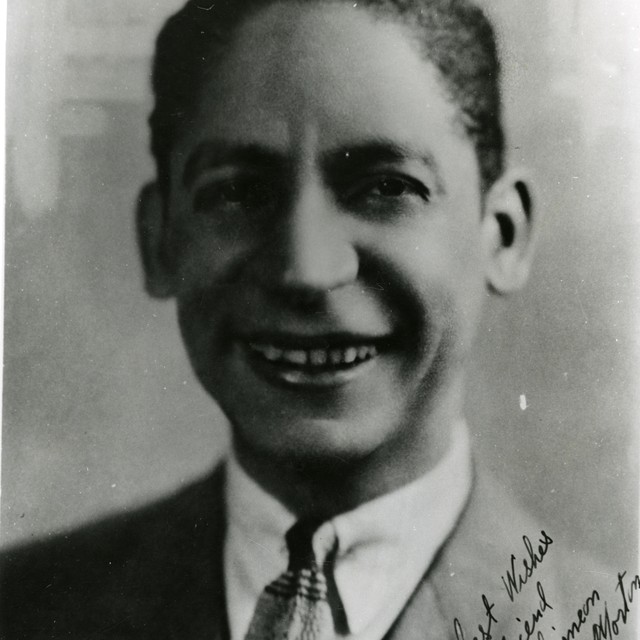
1. Life and DeathMay 11, 1881 – April 10, 1938
2. Biography
King Oliver(bornJoseph Nathan Oliver) was a pivotal mentor in the formative years of jazz and one of the great standard-bearers of New Orleans jazz. As the spiritual guide and teacher ofLouis Armstrong, he helped establish the cornet’s central role in early jazz. Through his inventive use of mutes, he also gave brass instruments a voice that could seem almost human.
In New Orleans, the cradle of jazz,King Oliverearned the title “King,” inherited fromBuddy Boldenwith his forceful tone and commanding presence. He was a fixture of the legendary Storyville district, leading some of the city’s finest marching bands and dance orchestras. His playing combined power with a vivid rhythmic and blues feel.
In 1918, amid the Great Migration,Olivermoved to Chicago and formed the celebratedKing Oliver’s Creole Jazz BandIn 1922, he wrote to his former New Orleans protégéLouis Armstrong, inviting him to join the band. Their two-cornet counterpoint in Chicago became the stuff of jazz legend. Recordings such as “Dippermouth Blues” captured New Orleans collective improvisation at its height and helped define early jazz.
As the Swing Era rose,Oliverthe collective improvisation he championed began to seem out of step. His stubbornness cost him several commercial opportunities, including a residency offer at the Cotton Club that later helpedDuke Ellingtonrise to fame. Severe gum disease then robbed him of the embouchure he needed to play. In his later years, he ran a fruit stand in Georgia and even worked as a billiard-hall cleaner. The once-celebrated King of Jazz died in poverty and isolation in 1938.
A Critic’s Column: The Forgotten Creator
As a critic, to understandKing Oliverwe must look beyond his recordings to thegenetic code。
The Magician of the Mute: He was among the first to put a cup mute—and even a drinking glass or a bathtub plunger—into a horn. By reshaping the airflow, he made the cornet cry and laugh with a “wah-wah” voice. This person-like sound helped jazz break away from the restraint of European brass traditions and take on the soul of Black spirituals.
A Mentor Who Made Room for OthersWithoutOliver’s support,Louis Armstrongmight have remained an ordinary musician on the New Orleans docks. In Chicago, he gave his protégé room to shine, even taking the supporting second part in their two-cornet duets. That artistic generosity helped jazz move from collective improvisation toward the star soloist.
A Tragic Purity:Oliver’s final years are among jazz history’s most heartbreaking chapters. He was an old-school craftsman who refused to bend to commercial fashions. When you hear his recordings, which may sound dated today, remember theearthy rootsof jazz in their rawest form—unadorned and full of honest swing.
In Summary: King Oliverwas jazz’sJohn the Baptist. He cleared the way and baptized the talents who followed him in the Jordan. He passed the flame to others, then slowly faded into darkness himself.
A Note from the Critic:When you listen to “Dippermouth Blues,” listen for the signature shout, “Oh, play it!” It carries the vitality of jazz at its birth.King OliverHe missed the best years, but without him, the great jazz era that followed would never have existed.
Explore 48 albums and recordings, arranged by release date.


Explore other jazz artists who share genre tags with King Oliver’s Creole Jazz Band.