
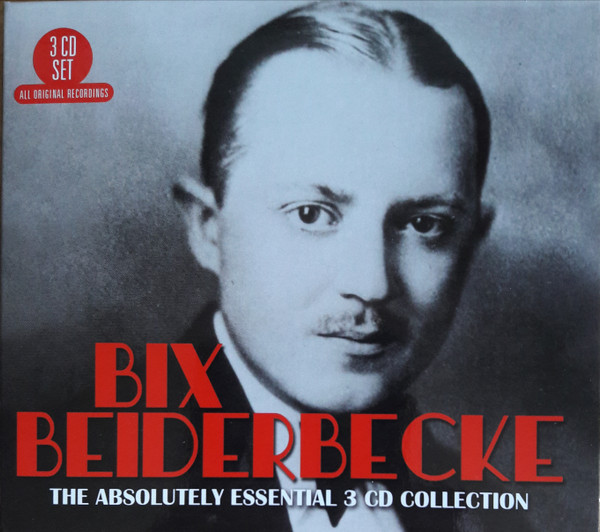
The Absolutely Essential Collection
Release Date: 2015
Country / Region: Europe
Tracklist
- Fidgety Feet (2:27)
- Oh Baby (2:18)
- Copenhagen (2:30)
- Susie (Of The Islands) (2:38)
- I Need Some Pettin' (2:54)
- Royal Garden Blues (2:57)
- Tiger Rag (2:36)
- Big Boy (2:51)
- I'm Glad (3:13)
- Toddlin' Blues (2:47)
- Davenport Blues (2:52)
- I'm Looking Over A Four Leave Clover (3:16)
- I'm Gonna Meet My Sweetie Now (2:51)
- Trumbology (3:01)
- Clarinet Marmalade (3:14)
- Singin' The Blues (3:02)
- Slow River (3:01)
- Riverboat Shuffle (3:15)
- I'm Coming, Virginia (3:15)
- Way Down Yonder In New Orleans (2:54)
- For No Reason At All In 'C' (3:06)
- Three Blind Mice (3:08)
- Blue River (3:26)
- There's A Cradle In Caroline (3:09)
- In A Mist (2:46)
- Clementine (From New Orleans) (3:03)
- Wringin' And Twistin' (3:00)
- Humpty Dumpty (3:07)
- Krazy Kat (3:05)
- The Baltimore (3:05)
- At The Jazz Band Ball (2:59)
- Jazz Me Blues (3:11)
- Goose Pimples (3:23)
- Sorry (2:59)
- Cryin' All Day (3:09)
- A Good Man Is Hard To Find (3:06)
- Since My Best Gal Turned Me Down (3:11)
- Changes (2:52)
- Lonely Melody (2:59)
- There'll Come A Time (2:59)
- Jubilee (3:22)
- San (3:24)
- Mississippi Mud (3:14)
- There Ain't No Sweet Man That's Worth The Salt Of My Tears (3:36)
- Dardanella (3:06)
- Love Nest (3:12)
- Sugar (3:17)
- Borneo (3:15)
- My Pet (3:12)
- Somebody Stole My Gal (3:00)
- Thou Swell (2:49)
- Louisiana (3:03)
- You Took Advantage Of Me (2:57)
- Ol' Man River (3:08)
- Wa-Da-Da (Everybody's Doing It Now) (3:05)
- Rhythm King (3:26)
- Margie (3:01)
- Raisin' Tha' Roof (3:01)
- Louise (2:57)
- China Boy (2:43)

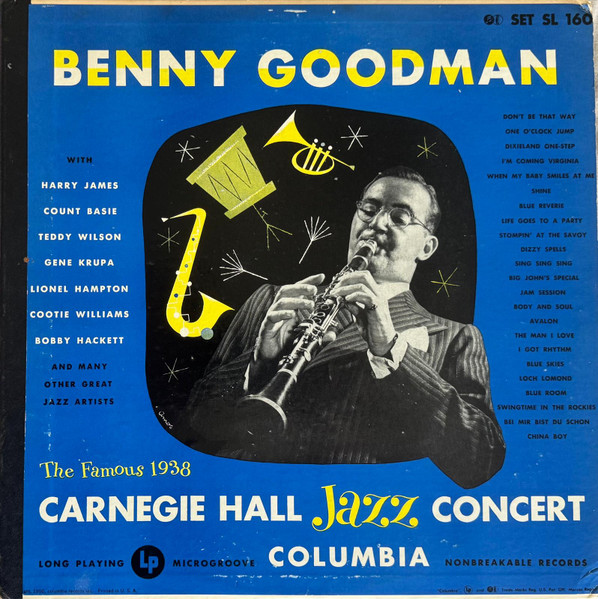
The Famous 1938 Carnegie Hall Jazz Concert
Release Date: 1950-12-00
Country: US
Tracklist
- Don't Be That Way
- One O'Clock Jump
- Dixieland One-Step
- I'm Coming Virginia
- When Baby Smiles At Me
- Shine
- Blue Reverie
- Life Goes To A Party
- Honeysuckle Rose
- Body And Soul
- Avalon
- The Man I Love
- I Got Rhythm
- Blue Skies
- Loch Lomond
- Blue Room
- Swingtime In The Rockies
- Bei Mir Bist Du Schön
- China Boy
- Stompin' At The Savoy
- Dizzy Spells
- Sing Sing Sing
- Big John's Special
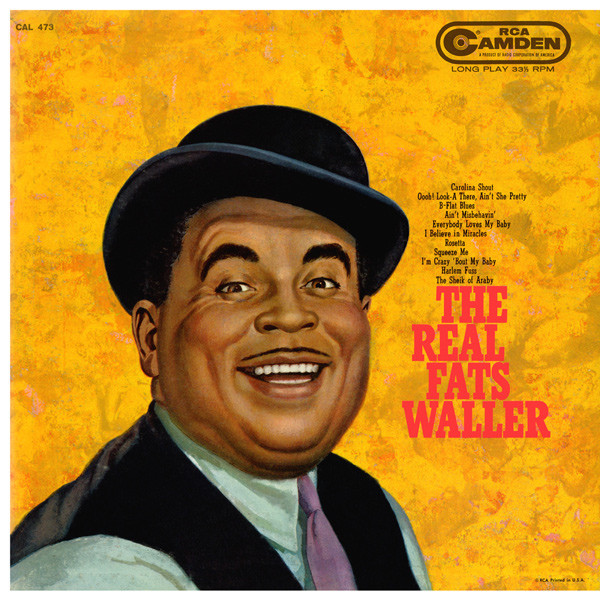
The Real Fats Waller
Release Date: 1959
Country: US
Tracklist
- The Sheik Of Araby (2:55)
- Carolina Shout (2:20)
- Oooh! Look-A There, Ain't She Pretty (2:34)
- B-Flat Blues (3:15)
- Ain't Misbehavin' (I'm Savin' My Love For You) (3:55)
- Everybody Loves My Baby (But My Baby Don't Love Nobody But Me) (2:58)
- I Believe In Miracles (2:54)
- Rosetta (2:58)
- (When You) Squeeze Me (3:09)
- Crazy 'Bout My Baby (2:52)
- Harlem Fuss (3:23)
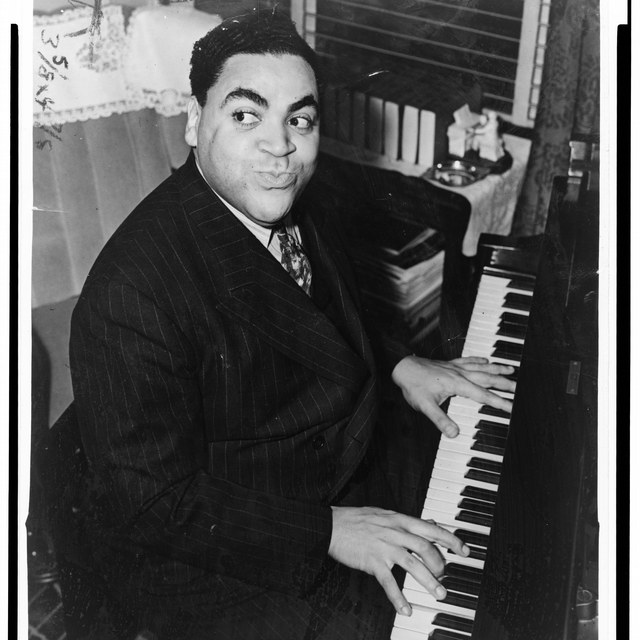
Fats Waller
Thomas “Fats” Waller (born May 21, 1904, in Harlem, New York; died December 15, 1943, aboard a train near Kansas City) was an American jazz pianist, organist, composer, and singer, and one of the brightest representatives of stride piano. He was the youngest of four children. His father, Edward Martin Waller, was a Baptist minister; his mother, Adaline Locket Waller, played organ at church. Waller began piano at six, studied stride left-hand technique with master James P. Johnson as a teenager, and at fifteen became organist at Harlem’s Lincoln Theatre, accompanying silent films and vaudeville acts.
In the early 1920s, Waller began making piano-solo records for labels such as OKeh. In 1926, he was caught up in a sensational kidnapping in Chicago; a few days later, he turned up safe at a restaurant and completed a performance that had already been scheduled. In 1929, he wrote for the Broadway musical Hot Chocolates with lyricist Andy Razaf and composer Harry Brooks, including “Ain’t Misbehavin’.” Songs such as “Honeysuckle Rose,” “Squeeze Me,” “Black and Blue,” and “Keeping Out of Mischief Now” soon became jazz standards. “Jitterbug Waltz” (1942) showed his openness to new harmonies and triple-meter waltz.
Beginning in 1934, Waller recorded hundreds of small-group sides for Victor (RCA) as Fats Waller and His Rhythm, blending piano solos, ensemble swing, and comic singing. “Your Feet’s Too Big” and “The Joint Is Jumpin’” made him a household entertainer across the United States. In 1938, he toured Europe and recorded a solo London Suite in London. He also appeared in films including Hooray for Love (1935), King of Burlesque (1936), and Stormy Weather (1943).
On December 15, 1943, Waller died at only 39 aboard the Santa Fe train while traveling from Los Angeles to New York. His influence continued to grow: his piano language passed through Art Tatum and Count Basie to later mainstream jazz pianists. The 1978 Broadway musical Ain’t Misbehavin’, built around his songs, won the Tony Award for Best Musical, and his recordings have entered the Grammy Hall of Fame.
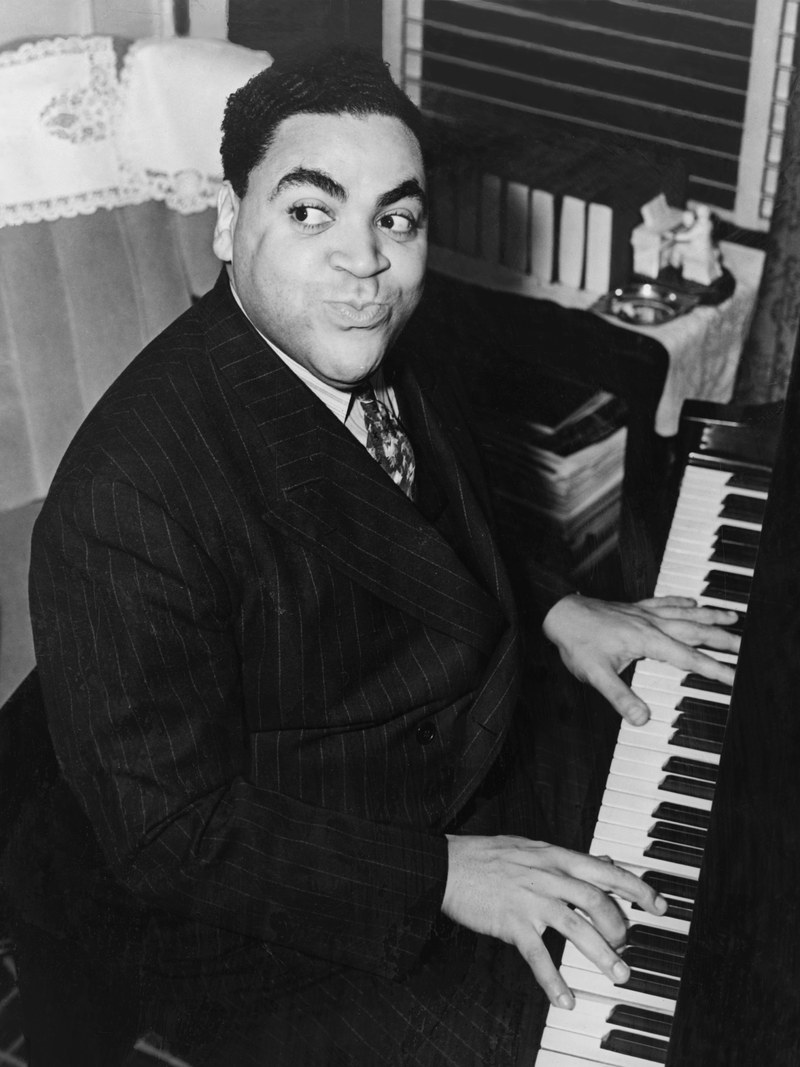

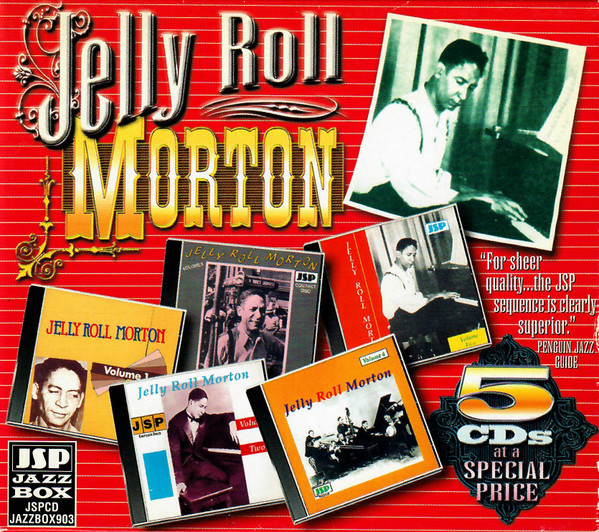
Jelly Roll Morton: 1926-1930
Release Date: 2000-09-12
Country: UK
Tracklist
- Black Bottom Stomp
- Smoke House Blues
- The Chant
- Sidewalk Blues
- Dead Man Blues
- Steamboat Stomp
- Someday Sweetheart
- Grandpa's Spells
- Original Jelly Roll Blues
- Doctor Jazz
- Cannonball Blues
- Hyena Stomp
- Billy Goat Stomp
- Wild Man Blues
- Jungle Blues
- Beale Street Blues
- The Pearls
- Wolverine Blues
- Mr. Jelly Lord
- Red Hot Pepper
- Deep Creek
- Pep
- Seattle Hunch
- Frances (Fat Frances)
- Freakish
- Burnin' The Iceberg
- Courthouse Bump
- Pretty Lil
- Sweet Aneta Mine
- New Orleans Bump (Monrovia)
- Down My Way
- Try Me Out
- Tank Town Bump
- Sweet Peter
- Jersey Joe
- Mississippi Mildred
- Mint Julep
- Smilin' The Blues Away
- Turtle Twist
- My Little Dixie Home
- That's Like It Ought To Be
- Each Day
- If Someone Would Only Love Me
- That'll Never Do
- I'm Looking For A Little Bluebird
- Little Lawrence
- Harmony Blues
- Fussy Mabel
- Ponchatrain
- Oil Well
- Load Of Coal (Load Of Cole)
- Crazy Chords
- Primrose Stomp
- Low Gravy
- Strokin' Away
- Blue Blood Blues
- Mushmouth Shuffle
- Gambling Jack
- Fickle Fay Creep
- The Chant
- Sidewalk Blues
- Dead Man Blues
- Someday Sweetheart
- Grandpa's Spells
- Original Jelly Roll Blues
- Cannonball Blues
- Hyena Stomp
- Billy Goat Stomp
- Wild Man Blues
- Jungle Blues
- Beale Street Blues
- The Pearls
- Wolverine Blues
- Georgia Swing
- Kansas City Stomps
- Shoe Shiner's Drag
- Boogaboo
- Shreveport
- Mournful Serenade
- Shreveport
- Seattle Hunch
- Freakish
- Burnin' The Iceberg
- Courthouse Bump
- Pretty Lil
- Sweet Aneta Mine
- New Orleans Bump (Monrovia)
- Tank Town Bump
- Sweet Peter
- Jersey Joe
- Mississippi Mildred
- Each Day
- Oil Well
- Load Of Coal (Load Of Cole)
- Crazy Chords
- Primrose Stomp
- Strokin' Away
- Blue Blood Blues
- Gambling Jack
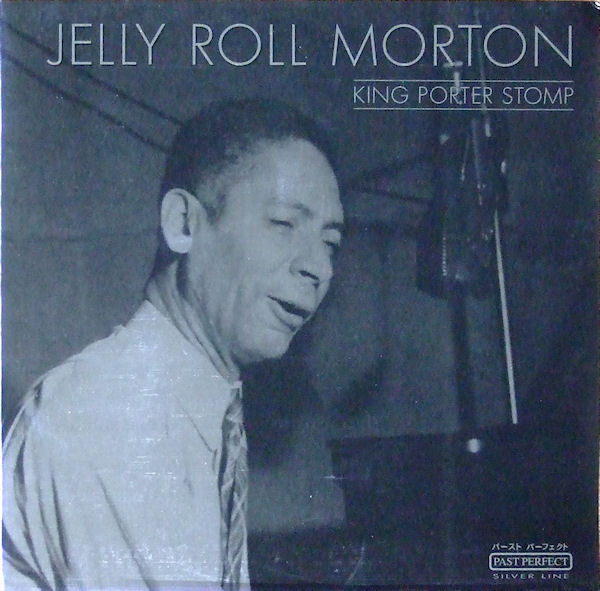
King Porter Stomp
Release Date: 2000
Country: Germany
Tracklist
- That'll Never Do (2:56)
- I'm Looking For A Little Blue Bird (2:53)
- Each Day (2:56)
- If Someone Would Only Love Me (3:40)
- Little Lawrence (2:57)
- Ponchatrain (2:55)
- Harmony Blues (3:31)
- Fussy Mabel (3:18)
- Load Of The Coal (3:00)
- Oil Well (2:41)
- Smillin' The Blues Away (2:52)
- Blue Blood Blues (2:59)
- Mamie's Blues (2:38)
- King Porter Stomp (2:48)
- West End Blues (2:50)
- High Society (2:47)
- Ballin' The Jack (2:16)
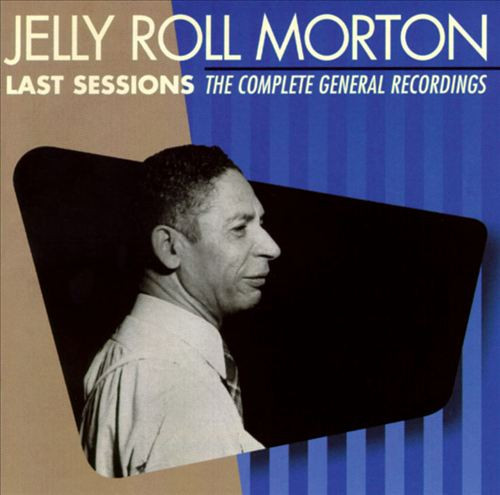
Last Sessions (The Complete General Recordings)
Release Date: 1997
Country: US
Tracklist
- Sporting House Rag (Perfect Rag) (2:18)
- Original Rags (2:48)
- The Crave (3:04)
- The Naked Dance #2 (2:49)
- Mister Joe (2:49)
- King Porter Stomp (2:50)
- Winin' Boy Blues (2:55)
- Animule Dance (2:47)
- Buddy Bolden's Blues (I Thought I Heard Buddy Bolden Say) (2:46)
- The Naked Dance (2:50)
- Don't You Leave Me Here (2:51)
- Mamie's Blues (2:44)
- Michigan Water Blues (3:01)
- Sweet Subsitute (2:52)
- Panama (2:29)
- Good Old New York (2:44)
- Big Lip Blues (3:10)
- Why? (2:48)
- Get The Bucket (2:57)
- If You New (2:50)
- Shake It (2:49)
- Dirty, Dirty, Dirty (2:50)
- Swinging The Elks (2:50)
- Mama's Got A Baby (2:39)
- My Home Is In A Southern Town (2:45)
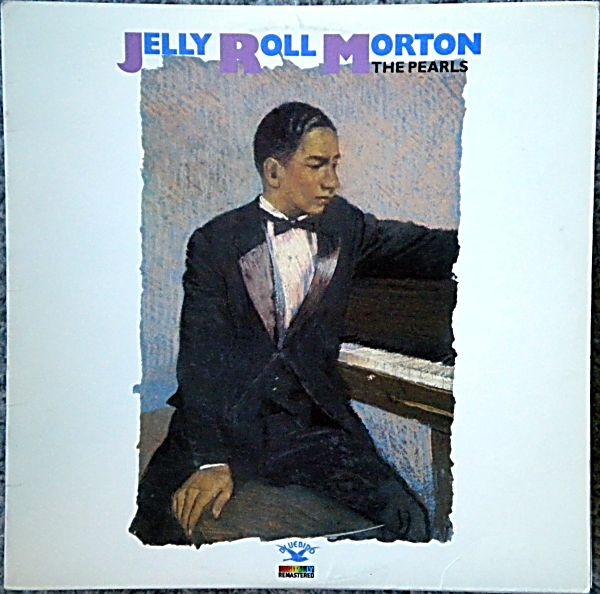
The Pearls
Release Date: 1988
Country: US
Tracklist
- Black Bottom Stomp (3:08)
- Smokehouse Blues (3:25)
- The Chant (3:12)
- Sidewalk Blues (3:31)
- Dead Man Blues (3:14)
- Steamboat Stomp (3:06)
- Grandpa's Spells (2:52)
- Original Jelly Roll Blues (2:57)
- Doctor Jazz (3:23)
- Cannon Ball Blues (2:50)
- The Pearls (3:24)
- Wolverine Blues (3:23)
- Mr. Jelly Lord (2:49)
- Georgia Swing (2:26)
- Kansas City Stomps (2:52)
- Mournful Serenade (3:25)
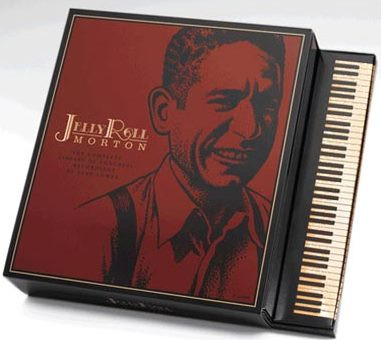
The Complete Library Of Congress Recordings By Alan Lomax
Release Date: 2005
Country: US
Tracklist
- The Story Of Alabama Bound (4:03)
- Time In Mobile (4:13)
- King Porter Stomp (4:06)
- The Story Of King Porter Stomp (3:53)
- Jelly Roll's Background (4:22)
- Music Lessons (4:05)
- Miserere (4:05)
- The Stomping Grounds (4:15)
- The Style Of Sammy Davis (4:17)
- Tony Jackson Was The Favorite / Dope, Crown, And Opium (4:00)
- Poor Alfred Wilson (4:02)
- Honky Tonk Blues (4:20)
- New Orleans Was A Free And Easy Place (4:06)
- The Story Of Aaron Harris, Pt. 1 (4:06)
- The Story Of Aaron Harris, Pt. 2 (4:05)
- Aaron Harris's Hoodoo Woman & The Hat That Started A Riot (4:10)
- The 1900 New Orleans Riot, Pt. 1 & The Song Of Robert Charles (4:04)
- The 1900 New Orleans Riot, Pt. 2 & Game Kid Blues, Pt. 1 (4:04)
- Game Kid Blues, Pt. 2 (3:57)
- New Orleans Funerals (4:17)
- Funeral Marches (4:11)
- Oh! Didn't He Ramble (4:07)
- Tiger Rag, 3rd, 4th And 5th Strains (4:02)
- Tiger Rag (4:02)
- The Right Tempo Is The Accurate Tempo (4:39)
- Jazz Discords & The Story Of Kansas City Stomp (4:31)
- Kansas City Stomp (4:34)
- Slow Swing & Sweet Jazz Music (4:32)
- Salty Dog (4:22)
- Hesitation Blues (4:30)
- My Gal Sal (3:51)
- The St. Louis Scene (4:09)
- Maple Leaf Rag (4:19)
- Jelly Roll Carves St. Louis, Pt. 1 (4:19)
- Jelly Roll Carves St. Louis, Pt. 2 (4:23)
- New Orleans Blues (3:58)
- Winin' Boy Blues, Pt. 1 (3:45)
- Winin' Boy Blues, Pt. 2 (4:24)
- The Anamule Dance, Pt. 1 (3:46)
- The Anamule Dance, Pt. 2 (4:19)
- The Great Buddy Bolden, Pt. 1 (4:11)
- The Great Buddy Bolden, Pt. 2 (4:11)
- Mr. Jelly Lord (4:09)
- How Jelly Roll Got His Name (4:14)
- Original Jelly Roll Blues (4:09)
- Honky Tonk Blues & Old-Time Honky Tonks (4:07)
- Real Tough Boys (4:31)
- Sporting Attire (4:33)
- Sweet Mamas And Sweet Papas (4:20)
- See See Rider (4:24)
- Parading With The Broadway Swells (4:22)
- Fights And Weapons (4:27)
- Luis Russell And New Orleans Riffs (4:25)
- Jelly's Travels: From Yazoo To Clarksdale (4:14)
- Jelly's Travels: From Clarksdale To Helena (4:34)
- Jelly's Travels: From Helena To Memphis (4:23)
- In Memphis: The Monarch Saloon & Benny Frenchy (4:24)
- Benny Frenchy's Tune (4:23)
- Make Me A Pallet On The Floor, Pt. 1 (4:15)
- Make Me A Pallet On The Floor, Pt. 2 (4:14)
- Make Me A Pallet On The Floor, Pt. 3 (4:14)
- Make Me A Pallet On The Floor, Pt. 4 (4:35)
- The Dirty Dozen (4:30)
- The Murder Ballad, Pt. 1 (4:01)
- The Murder Ballad, Pt. 2 (4:17)
- The Murder Ballad, Pt. 3 (4:27)
- The Murder Ballad, Pt. 4 (4:18)
- The Murder Ballad, Pt. 5 (4:12)
- The Murder Ballad, Pt. 6 (4:24)
- The Murder Ballad, Pt. 7 (4:30)
- Fickle Fay Creep (3:14)
- Jungle Blues (3:45)
- King Porter Stomp (2:55)
- Sweet Peter (3:04)
- Hyena Stomp (3:33)
- Wolverine Blues, Pt. 1 (3:45)
- Wolverine Blues, Pt. 2 (4:00)
- State And Madison (3:44)
- The Pearls, Pt. 1 (3:29)
- The Pearls, Pt. 2 (3:35)
- Bert Williams (3:41)
- Freakish (3:59)
- Pep (3:32)
- The Georgia Skin Game, Pt. 1 (3:54)
- The Georgia Skin Game, Pt. 2 (3:03)
- The Georgia Skin Game, Pt. 3 (3:19)
- Ungai Hai, The Sign Of The Indians (4:09)
- New Orleans Blues (4:07)
- The Spanish Tinge (4:13)
- Improving Spanish Tempos (4:06)
- Creepy Feeling (4:19)
- The Crave (4:31)
- Mamanita (4:07)
- If You Don't Shake, You Don't Get No Cake (4:21)
- Spanish Swat (4:12)
- Ain't Misbehavin' (4:12)
- I Hate A Man Like You / Rolling Stuff (4:11)
- Michigan Water Blues (3:52)
- Winin' Boy Blues, Pt. 1 (4:08)
- Winin' Boy Blues, Pt. 2 (4:15)
- Boogie Woogie Blues (4:21)
- Buddy Bertrand's Blues (4:25)
- When The Hot Stuff Came In (8:40)
- The First Hot Arrangements (9:02)
- The Pensacola Kid & The Cadillac Café (8:00)
- At The Cadillac Café, Los Angeles (9:56)
- Little Liza Jane (9:54)
- In The Publishing Business (8:50)
- Selections From The 1949 New Orleans Jazz Interviews
- Original Jelly Roll Blues (1:51)
- Jelly Roll's Early Playing Days (1:22)
- Hot Bands & Creole Tunes (4:29)
- Eh, La Bas (2:02)
- Old-Time Creole Musicians (3:32)
- Playing Hot With Buddy Bolden (3:17)
- High Society (2:15)
- Sporting Life Costumes (1:38)
- Buddy Bolden (2:23)
- Creoles Playing With Negroes (4:28)
- Jelly Roll's Compositions (3:22)
- Johnny St. Cyr Learns To Play Guitar (2:20)
- Guitar Blues (2:17)
- Bad Men And Pimps (3:38)
- The Story Of The Coon Blues (1:33)
- Coon Blues (2:22)
- Jazz Is Just A Make-Up (5:25)
- Young Sidney Bechet (3:40)
- The Main Idea In Jazz (3:23)
- A Little Tale Of Jelly Roll Morton (6:17)
Jelly Roll Morton
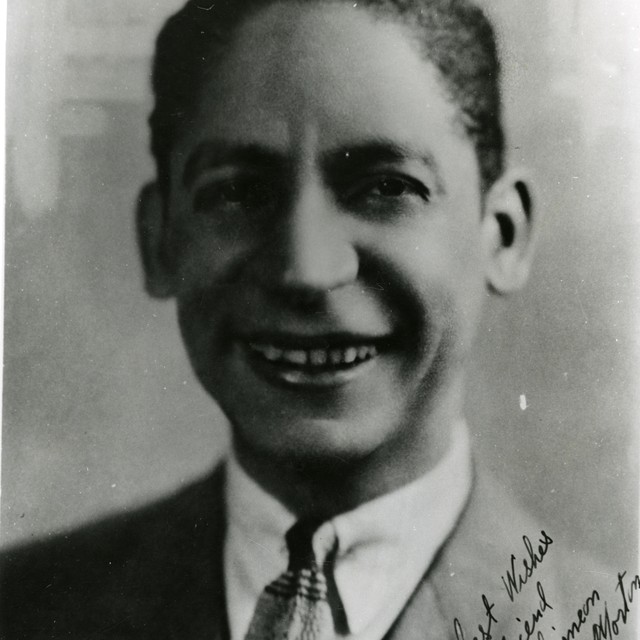
Jelly Roll Morton, born Ferdinand Joseph LaMothe (he took the surname Morton after his mother remarried), was born in New Orleans on September 20, 1885 (some sources say October 20, 1890) and died in Los Angeles on July 10, 1941. He grew up in the city’s Creole community, learned guitar as a child, and switched to piano as a teenager. From his early teens he made a living playing in bars, dance halls, and brothels around Storyville, and worked as a pianist and comic performer with vaudeville and minstrel shows. He blended ragtime, blues, fandango, and march rhythms in his playing. Morton repeatedly claimed that he “invented jazz” in 1902, a statement that has sparked endless debate, but he was certainly among the first to treat jazz as written composition.
His “Jelly Roll Blues,” published in 1915, is often called one of the earliest printed jazz scores. Around the same time, “King Porter Stomp,” “Wolverine Blues,” and “Grandpa’s Spells” became standards throughout the big-band era. After leaving the South in 1917, Morton moved between Los Angeles and Chicago. In 1923, he made his first records for Gennett in Richmond, Indiana, including sessions with the New Orleans Rhythm Kings, and also recorded piano rolls. In 1924 he briefly led a band in Chicago, then organized his own recording group for Victor.
The years 1926–1930 were Morton’s golden period. Under the name Jelly Roll Morton’s Red Hot Peppers, he recorded dozens of sides in Chicago and New York with musicians including trombonist Kid Ory, clarinetists Omer Simeon and Barney Bigard, cornetist George Mitchell, drummer Baby Dodds, and banjoist Johnny St. Cyr. Their recordings are distinctive in their structure: Morton divided each piece into written ensemble passages, breaks, and solo spots, using the band’s collective tightening and release to shape improvisation rather than simply letting musicians take turns. “Black Bottom Stomp,” “Dead Man Blues,” “Doctor Jazz,” and “The Pearls” exemplify this approach and are landmarks in the history of jazz arranging.
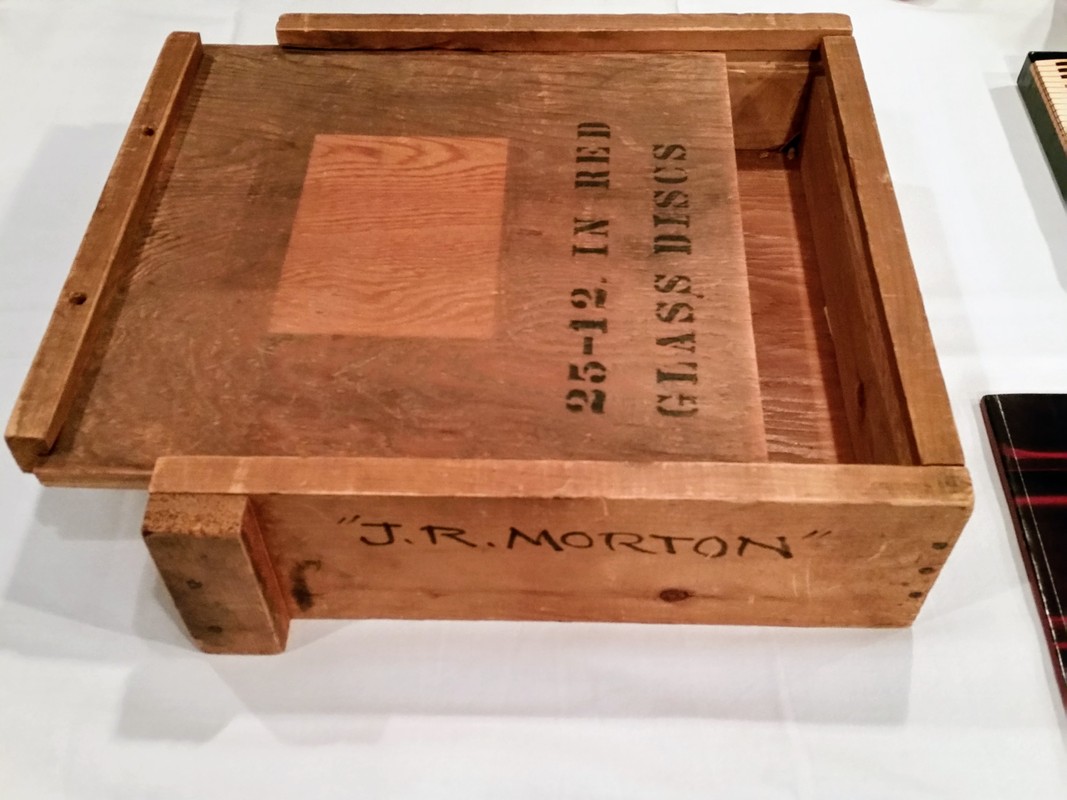
In 1938, folklorist Alan Lomax recorded more than eight hours of interviews and piano playing with Morton at the Library of Congress in Washington. Morton played while telling stories about New Orleans parade bands, brothel pianists, the legend of Buddy Bolden, and his own early life. Later released as The Complete Library of Congress Recordings, the sessions are an essential first-person oral history of early jazz and a moving document of his final years. In 1939 and 1940, he made his last small-group and solo recordings for Commodore in New York, later collected as Last Sessions.
Morton moved to Los Angeles late in life, ran a bar, and saw his health decline. He died in 1941 and was buried at Calvary Cemetery in Los Angeles. His music remained undervalued for decades and was not fully reassessed until the 1990s. The 1992 Broadway musical Jelly’s Last Jam drew on his life; in 1998 he was inducted into the Rock and Roll Hall of Fame in the Early Influence category, and several of his recordings have entered the Grammy Hall of Fame. Benny Goodman’s 1935 recording of “King Porter Stomp” made Morton’s composition a big-band standard. His insistence on jazz as composed music directly influenced the arranging tradition that followed Duke Ellington.
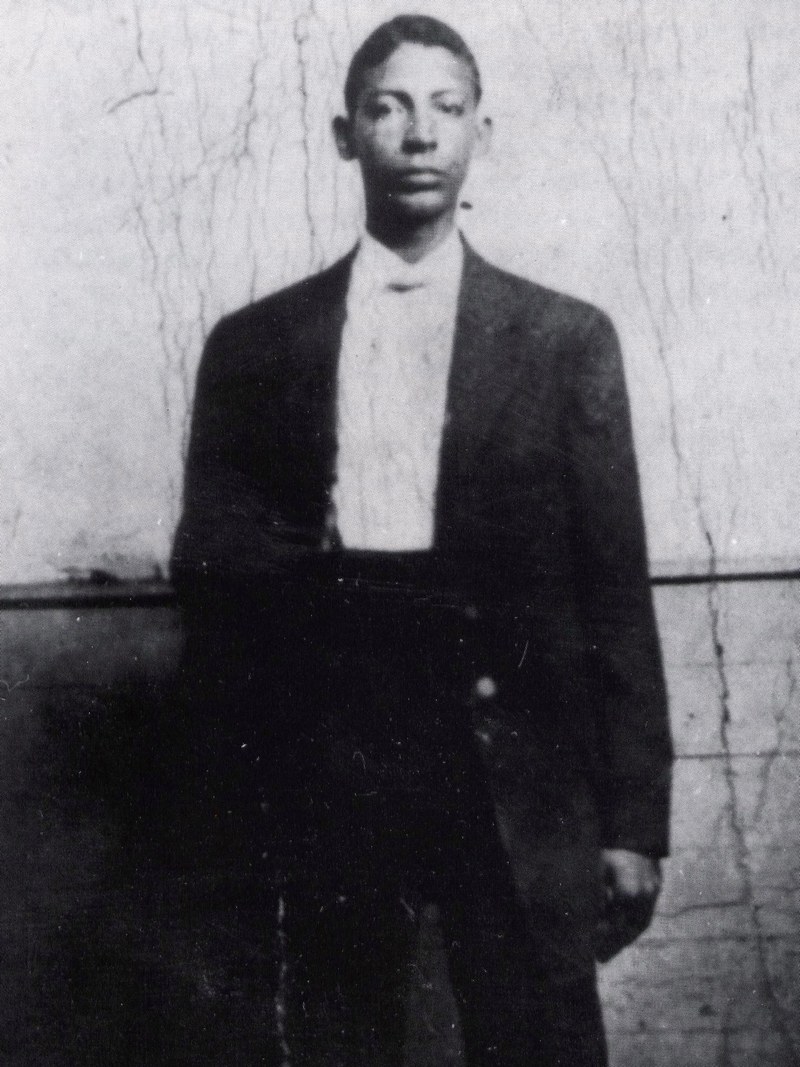
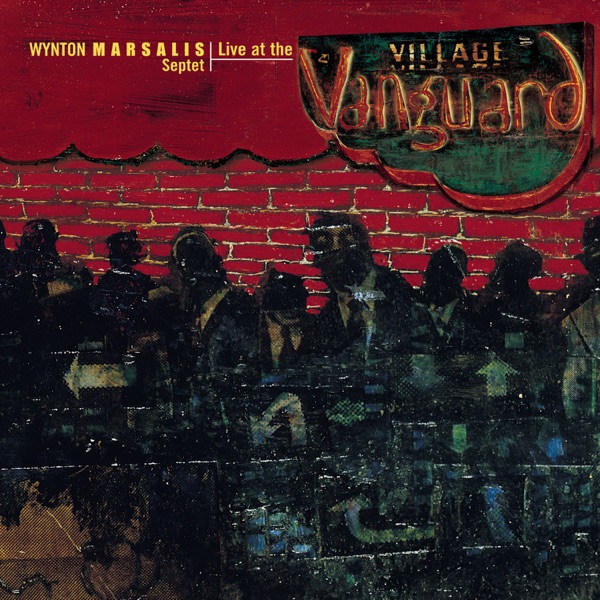
New Year's At The Village Vanguard
Release Date: 1992
Country: US
Tracklist
- You Tell Me Your Dreams (7:19)
- Introductions (0:42)
- Canal Street Blues (7:01)
- Wild Man Blues (5:40)
- By And By (6:26)
- Weird Blues (8:20)
- St. Phillip Street Breakdown (4:34)
- Kiss Me Sweet (6:01)
- Tailgate Ramble (6:13)
- Petite Fleur (4:05)
- Lord, Lord, Lord (8:10)
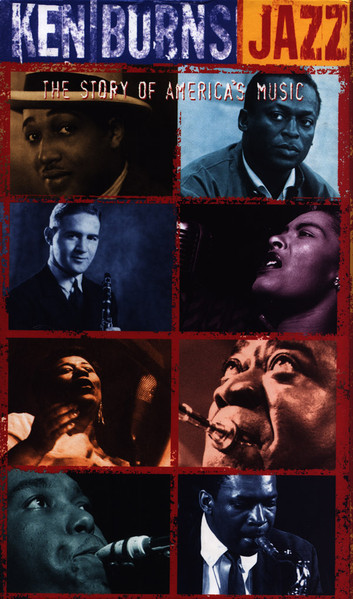
Ken Burns Jazz (The Story Of America's Music)
Release Date: 2000-11-14
Country: US
Tracklist
- Star Dust (3:33)
- Soon One Mornin' (Death Come A-Creepin' In My Room) (3:12)
- Memphis Blues (2:36)
- Livery Stable Blues (3:05)
- Charleston (1:49)
- Chimes Blues (2:51)
- Back Water Blues (3:17)
- The Pearls (2:48)
- Dead Man Blues (3:13)
- Wild Cat Blues (2:59)
- Cake Walkin' Babies (From Home) (2:55)
- Sugar Foot Stomp (2:49)
- Heebie Jeebies (2:52)
- Potato Head Blues (2:55)
- West End Blues (3:18)
- The Mooche (3:13)
- East St. Louis Toodle-Oo (2:52)
- Black Beauty (3:01)
- Mood Indigo (2:56)
- There Ain't No Sweet Man (Worth The Salt Of My Tears) (3:29)
- Singin' The Blues (3:00)
- Riverboat Shuffle (3:08)
- Hotter Than 'Ell (2:51)
- I Got Rhythm (3:03)
- It Don't Mean A Thing (If It Ain't Got That Swing) (3:08)
- Echoes Of Harlem (2:59)
- Moten Swing (3:22)
- St. Louis Blues (3:00)
- Ain't Misbehavin' (3:11)
- For Dancers Only (2:36)
- King Porter Stomp (3:08)
- Rose Room (2:47)
- Sing, Sing, Sing (With A Swing) (8:37)
- Jumpin' At The Woodside (3:07)
- Sent For You Yesterday And Here You Come Today (2:55)
- Lester Leaps In (3:13)
- Oh, Lady, Be Good! (3:05)
- Without Your Love (2:51)
- Strange Fruit (3:10)
- God Bless The Child (2:53)
- Three Little Words (2:24)
- Rebecca (2:40)
- Harlem Congo (3:14)
- A-Tisket A-Tasket (2:36)
- Shine (2:55)
- Dear Old Southland (2:34)
- Body And Soul (3:00)
- Cotton Tail (3:10)
- Take The "A" Train (2:54)
- Begin The Beguine (3:13)
- In The Mood (3:33)
- Well, Git It! (3:00)
- Solitude (3:12)
- Drum Boogie (3:06)
- Salt Peanuts (3:12)
- Groovin' High (2:39)
- Ko-Ko (3:12)
- Scrapple From The Apple (2:56)
- Embraceable You (3:42)
- Get Happy (2:50)
- Epistrophy (3:05)
- Straight, No Chaser (2:55)
- Manteca (3:05)
- Moon Dreams (3:18)
- Just Friends (3:30)
- Rockin' Chair (3:03)
- They Can't Take That Away From Me (2:40)
- Walkin' Shoes (3:09)
- Fine And Mellow (8:00)
- Doodlin' (6:44)
- I Get A Kick Out Of You (7:40)
- St. Thomas (6:41)
- Django (7:02)
- Take Five (5:22)
- So What (9:22)
- Giant Steps (4:43)
- Rick Kick Shaw (6:03)
- Chronology (6:03)
- Original Faubus Fables (9:04)
- Acknowledgment [From A Love Supreme] (7:47)
- Hello, Dolly! (2:23)
- Desafinado (5:49)
- In A Sentimental Mood (4:14)
- Tourist Point Of View (5:07)
- E.S.P. (5:30)
- Spanish Key (Single Version) (2:49)
- Birdland (5:57)
- Mister Magic (9:02)
- Rockit (3:55)
- Un Ange En Danger (3:49)
- Tanya (7:24)
- Soon All Will Know (3:35)
- Death Letter (4:13)
- Take The "A" Train (5:34)
Bolden
Release Date: 2019-04-13
Country: US
Tracklist
- Timelessness (Buddy/Louie Duet) (3:15)
- Phantasmagoric Bordello Ballet (3:38)
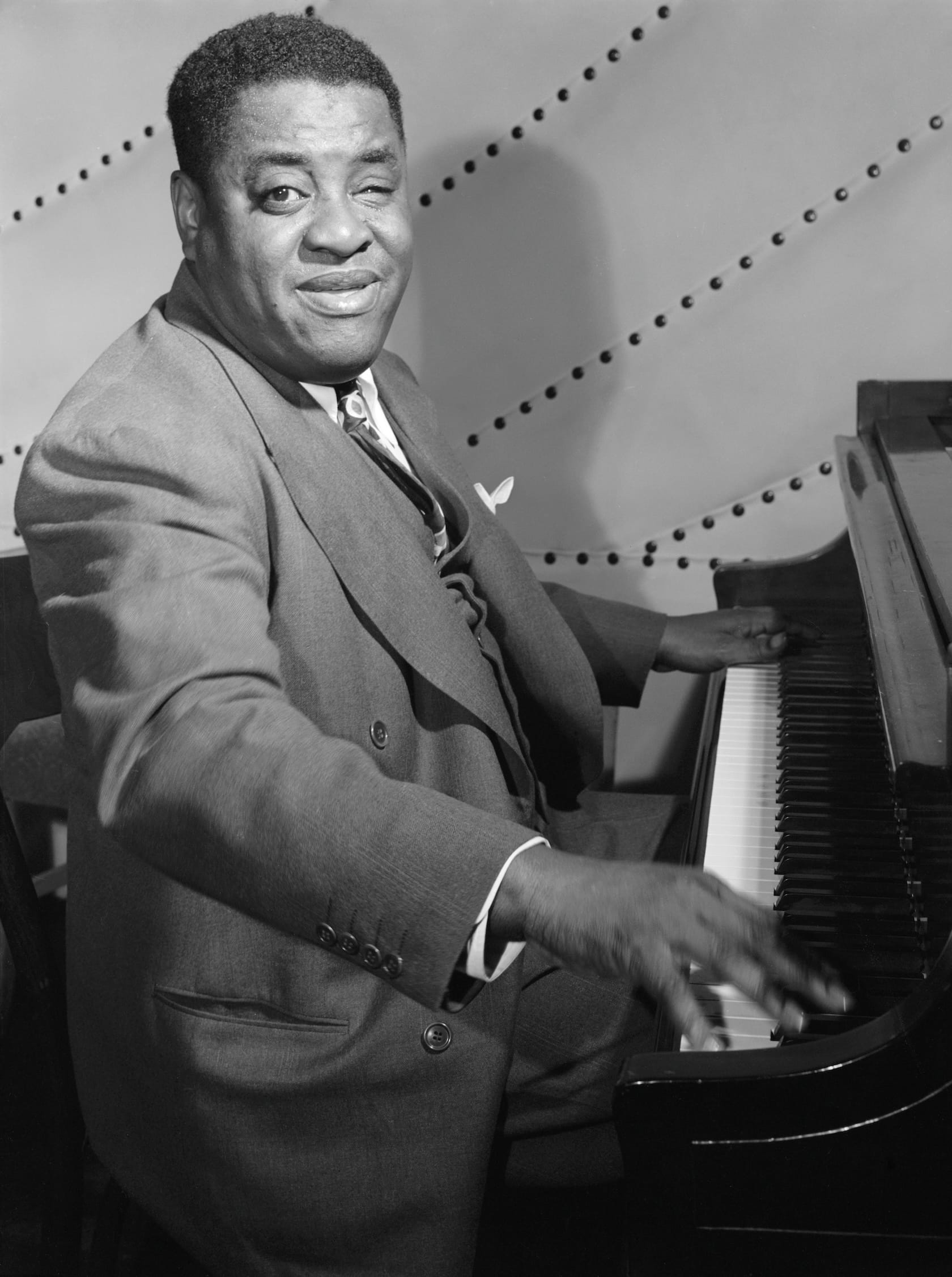
Art Tatum
Art Tatum (1909–1956)
Widely regarded as one of the greatest jazz pianists ever, Tatum was a virtuoso whose playing astonished even classical masters of his day, including Vladimir Horowitz.
1. Visual Impairment and the Awakening of a Prodigy
-
A Physical Challenge: Born in Ohio, Tatum had severe cataracts from childhood. Despite several operations, he was blind in one eye and had only very limited vision in the other.
-
Self-Taught: He began by learning from player-piano rolls. Some recordings he studied had been made by two pianists playing four hands, but he assumed they were played by one person. The misunderstanding helped him develop astonishing speed and complex voicings that sounded as if two pairs of hands were playing at once.
2. “God” Arrives in New York
-
A Sensation in the Jazz World: In 1933, Tatum came to New York for a legendary stride-piano cutting contest. He easily defeated James P. Johnson and Fats Waller, two of the reigning piano greats.
-
The Highest Praise: Waller left behind a famous line that night: “I’m just a piano player, but God is in the house.” From then on, Tatum was known in jazz circles as “God.”
3. Recordings and the Trio
-
A Technical Revolution: His celebrated “Tea for Two” demonstrates sophisticated harmonic substitutions and rapid ornamentation rarely heard in the 1930s.
-
Trio and Solo Work: In the 1940s, Tatum formed a highly popular trio. In the last years of his life, he recorded an extensive series of solo performances for Norman Granz, later issued as The Solo Masterpieces. They remain an encyclopedia of jazz piano.
4. Death and Legacy
-
Tatum died of uremia in Los Angeles in 1956, aged 46.
Musical Style: The Limits of Human Possibility
-
Crystal-Clear Precision: Tatum’s fingers moved at remarkable speed, while every note retained perfect clarity and control. His runs have been called “waterfalls of ornamentation.”
-
Harmonic Thinking Ahead of Its Time: The substitutions and frequent modulations he used in the 1930s anticipated the harmonic foundations of modern jazz and bebop in the 1940s.
-
Complete Independence: His hands could manage extraordinarily complex counterpoint and rhythmic shifts independently, allowing him to create the depth of an entire orchestra as a soloist.
In Summary:Art Tatum was jazz’s“Mount Everest”. He demonstrated the limits of speed, logic, and beauty that a human being could reach on the piano.
An Aesthetic Reflection: For a designer interested in structural precision, Tatum’s music is the sound ofadvanced topology—extreme complexity held in perfect balance and logic.
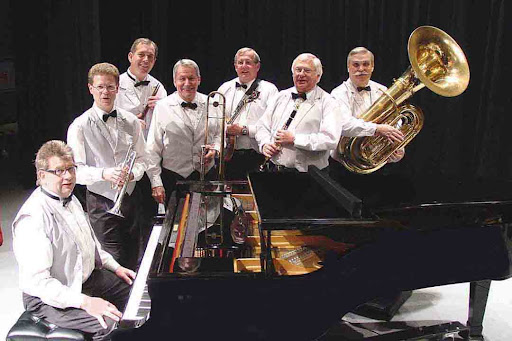
The Red Onion Jazz Babies
The Red Onion Jazz Babieswas not a long-running touring band, butGennett Recordsassembled it specifically for recording sessions between 1924 and 1925 as a temporary all-star group.
-
Active years: November 1924 – January 1925 (main recording period)
-
Recording location: New York
-
Style: Early New Orleans jazz / small-group ensemble from the Chicago era
Core Members: An All-Star Lineup
At the heart of the group wasLil Hardin Armstrong, who was not only its pianist but also Louis Armstrong’s wife at the time.
-
Louis Armstrong: Cornet. He had just left King Oliver’s band in Chicago and was at a turning point, moving from collective improvisation toward the featured soloist role.
-
Sidney Bechet: Clarinet / soprano saxophone. One of the first great woodwind soloists in jazz history.
-
Lil Hardin: Piano. She helped organize the group and contributed as a composer.
-
Other members: including trombonist Charlie Irvis and frequent banjo accompanist Buddy Christian.
Artistic Impact: A Collision of Titans
What critics most often celebrate about the group isthe musical duel between Louis and Bechet。
In 1920s jazz, ensembles usually followed a strict division of parts, but Louis and Bechet were both forceful, fiercely individual talents. On tracks such as “Cake Walking Babies from Home,” you can hear theircombative contrapuntal improvisation. Armstrong’s cornet soars while Bechet’s soprano saxophone answers with a wild vibrato and expansive range. Their competitive exchange helped push jazz from ensemble playing toward the featured soloist.
Recommended Classics
If you are putting together a listening list for the site, these five recordings are among the group’s essential tracks (all recorded in 1924–1925):
-
《Cake Walking Babies from Home》: their best-known track and a classic Armstrong–Bechet showdown.
-
《Terrible Blues》: a glimpse of the deep blues roots of early jazz.
-
《Santa Claus Blues》: a light, relaxed tune with a strong period flavor.
-
《Everybody Loves My Baby》: a fine example of the rapport between Hardin’s piano and Armstrong’s cornet.
-
《Texas Moaner Blues》。
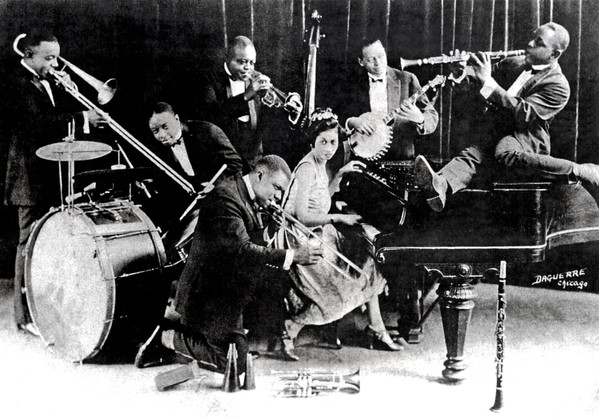
King Oliver's Creole Jazz Band
1. Life and DeathMay 11, 1881 – April 10, 1938
2. Biography
King Oliver(bornJoseph Nathan Oliver) was a pivotal mentor in the formative years of jazz and one of the great standard-bearers of New Orleans jazz. As the spiritual guide and teacher ofLouis Armstrong, he helped establish the cornet’s central role in early jazz. Through his inventive use of mutes, he also gave brass instruments a voice that could seem almost human.
The King of New Orleans Cornet (1900s–1917)
In New Orleans, the cradle of jazz,King Oliverearned the title “King,” inherited fromBuddy Boldenwith his forceful tone and commanding presence. He was a fixture of the legendary Storyville district, leading some of the city’s finest marching bands and dance orchestras. His playing combined power with a vivid rhythmic and blues feel.
Chicago’s Golden Age and the Creole Jazz Band (1918–1924)
In 1918, amid the Great Migration,Olivermoved to Chicago and formed the celebratedKing Oliver’s Creole Jazz BandIn 1922, he wrote to his former New Orleans protégéLouis Armstrong, inviting him to join the band. Their two-cornet counterpoint in Chicago became the stuff of jazz legend. Recordings such as “Dippermouth Blues” captured New Orleans collective improvisation at its height and helped define early jazz.
Tragedy and the Final Years (1925–1938)
As the Swing Era rose,Oliverthe collective improvisation he championed began to seem out of step. His stubbornness cost him several commercial opportunities, including a residency offer at the Cotton Club that later helpedDuke Ellingtonrise to fame. Severe gum disease then robbed him of the embouchure he needed to play. In his later years, he ran a fruit stand in Georgia and even worked as a billiard-hall cleaner. The once-celebrated King of Jazz died in poverty and isolation in 1938.
A Critic’s Column: The Forgotten Creator
As a critic, to understandKing Oliverwe must look beyond his recordings to thegenetic code。
-
The Magician of the Mute: He was among the first to put a cup mute—and even a drinking glass or a bathtub plunger—into a horn. By reshaping the airflow, he made the cornet cry and laugh with a “wah-wah” voice. This person-like sound helped jazz break away from the restraint of European brass traditions and take on the soul of Black spirituals.
-
A Mentor Who Made Room for OthersWithoutOliver’s support,Louis Armstrongmight have remained an ordinary musician on the New Orleans docks. In Chicago, he gave his protégé room to shine, even taking the supporting second part in their two-cornet duets. That artistic generosity helped jazz move from collective improvisation toward the star soloist.
-
A Tragic Purity:Oliver’s final years are among jazz history’s most heartbreaking chapters. He was an old-school craftsman who refused to bend to commercial fashions. When you hear his recordings, which may sound dated today, remember theearthy rootsof jazz in their rawest form—unadorned and full of honest swing.
In Summary: King Oliverwas jazz’sJohn the Baptist. He cleared the way and baptized the talents who followed him in the Jordan. He passed the flame to others, then slowly faded into darkness himself.
A Note from the Critic:When you listen to “Dippermouth Blues,” listen for the signature shout, “Oh, play it!” It carries the vitality of jazz at its birth.King OliverHe missed the best years, but without him, the great jazz era that followed would never have existed.
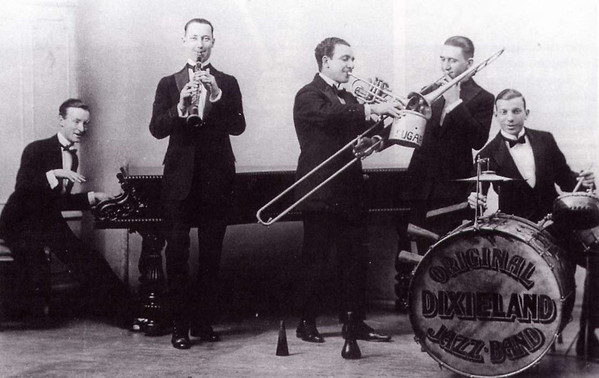
Original Dixieland Jazz Band
Biography
Jazz band consisting of five New Orleans musicians, founded in Chicago in 1916. On February 26, 1917 they recorded the first jazz record ever for the Victor Talking Machine Company, which was released in May, 1917. Soon after their first release, the Original Dixieland Jass Band changed their name to Original Dixieland Jazz Band. In 1918 they came to be the very first ever jazz band to perform in Europe. Band remained active till 1925.
The five original members of the Original Dixieland Jazz Band were:
[a326830] (cornet and director)
[a326853] (trombone)
[a326793] (clarinet)
[a412532] (piano)
[a326844] (drums)
Also known as: (Original Dixieland) Jazz Band, D. J., Die Original Dixieland Jass-Band, Dix. Jazz Band, Dixie Jazz Band, Dixieland Band, Dixieland Jass Band, Dixieland Jazz Band, Dr. Dixieland Jazz Band, Eddie Edwards Original Dixieland Jazz Band, J. B. LaRocca, Jimmy Larocca's Original Dixieland Jazz Band, L'Original "Jazz" De Dixie, Nick La Rocca And His Original Dixieland Jazz Band, Nick La Rocca And The Original Dixieland Band, Nick La Rocca And The Original Dixieland Jazz Band, Nick LaRocca And The Original Dixieland Band, O. D. J. B., O.D. J. B., O.D.J.B., O.J.D.B., ODJB, Odjb, Or. Dix. Jazzband, Or. Dixieland Jazzband, Orginal Dixieland Band, Orig. Dix. Jazzband, Orig. Dixiel. Jazz Band, Orig. Dixieland, Orig. Dixieland Band, Orig. Dixieland JB, Orig. Dixieland Jazz Band, Orig. Dixieland Jazzband, Orig. Dixiland, Orig. Dixiland Jazzband, Original Dixie Land, Original Dixie Land Jazz Band, Original Dixieland "Jass" Band, Original Dixieland "Jazz" Band, Original Dixieland 'Jass' Band, Original Dixieland <<Jass>> Band, Original Dixieland <<Jazz>> Band, Original Dixieland Band, Original Dixieland Five, Original Dixieland Jass Band, Original Dixieland Jassband, Original Dixieland Jazz Band The, Original Dixieland Jazz Band, The, Original Dixieland Jazz Bands, Original Dixieland Jazz-Band, Original Dixieland Jazzband, Original Dixieland Orchestra, Original Dixieland ‘Jass’ Band, Original Dixiland, Original Jazz-Band Dixieland, Original The Dixieland Jazz Band, Ortginal Dixie Land, The Dixie-Land Jazz Band, The O.D.J.B., The Orig. Dixieland Jazz Band, The Original Dixie Land Jass Band, The Original Dixieland Band, The Original Dixieland Five, The Original Dixieland Five (Original Dixieland Jazz Band), The Original Dixieland Jass Band, The Original Dixieland Jazz Band, The Original Dixieland Jazzband, Ориджинел Диксиленд Джасс Бэнд п/у Н. Ла Рокка, ディキシーランド・ジャズ
Members: Bobby Hackett, Jack Lesberg, Frank Signorelli, Max Kaminsky, Eddie Condon, Henry Vaniselli, Arthur Seaberg, Larry Shields, Don Parker, Nick LaRocca, Tony Sbarbaro, Eddie Edwards, Bob Casey, Gene Schroeder, Wild Bill Davison, Emile Christian, Henry Ragas, J. Russel Robinson, Bret Gowens, Teddy Roy, Billy Jones (11), Tony Spargo
Links:
- http://en.wikipedia.org/wiki/Original_Dixieland_Jass_Band
- http://www.odjb.com/
- http://www.redhotjazz.com/odjb.html
- https://adp.library.ucsb.edu/names/105432