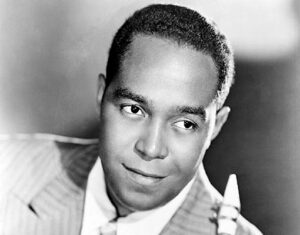
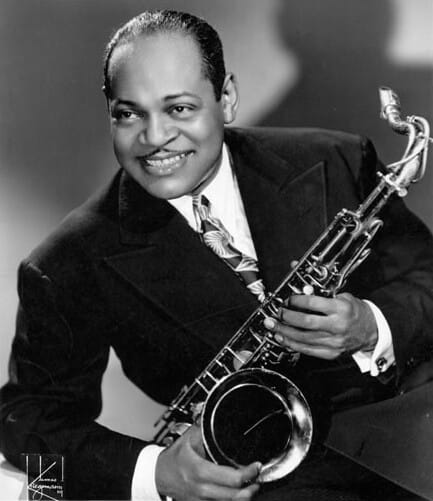
After several later-generation stars, we return to jazz’s roots with a concise biography ofColeman Hawkins (1904–1969).
Known as the father of the jazz tenor saxophone, Hawkins was nicknamed “Hawk” or “Bean.” Before he came along, the tenor saxophone was a peripheral instrument in jazz; he gave it a voice and a soul.
A Saxophone Pioneer: Born in Missouri, Hawkins studied piano and cello as a child and took up the saxophone at age nine.
With Fletcher Henderson’s Orchestra: In 1924, he joined Fletcher Henderson’s big band. Deeply influenced by Louis Armstrong, he helped transform the saxophone from a comic accompaniment instrument into a powerful, expressive voice for improvised solos.
A European Haven: Seeking better opportunities and greater respect, Hawkins moved to Europe in 1934. There he worked with leading musicians, including gypsy-jazz guitarist Django Reinhardt.
A Landmark Recording: After returning to the United States in 1939, he recorded “Body and Soul.” In its famous two-chorus solo, he largely abandoned the original melody in favor of intricate improvisation over the chords. The record caused a sensation and is considered one of the greatest solos in jazz history. It also helped prepare the way for bebop.
A Mentor to Younger Musicians: Unlike many older musicians who resisted new music, Hawkins welcomed the younger generation. In 1944, he ledthe first bebop recording session, with emerging talents Dizzy Gillespie and Max Roach among the participants.
A Partnership with Monk: He was among the first to recognize Thelonious Monk’s genius and gave Monk important support and early recording opportunities.
Still Exploring: Hawkins remained active into the 1960s, working with Duke Ellington and the younger standard-bearer Sonny Rollins.
Final Years: In his later years, Hawkins struggled with depression and alcoholism. He died of liver disease in 1969, aged 64.
A Powerful Tone: Hawkins’s sound was broad, full, and emotionally charged, with a pronounced vibrato.
Vertical Improvisation: He favored improvising vertically throughchord structures and arpeggios, in striking contrast to Lester Young’s flowing, linear approach. Together, they established two major paths for the modern saxophone.
In Summary:Without Coleman Hawkins, the saxophone might never have become a leading voice in jazz. He representedpower and depthand served as a strong bridge from big-band swing to modern jazz.
Connections: You may notice that many of the older musicians who influenced Clifford Brown, Bud Powell, and others received support or inspiration from Hawkins. He was an anchor for his generation.
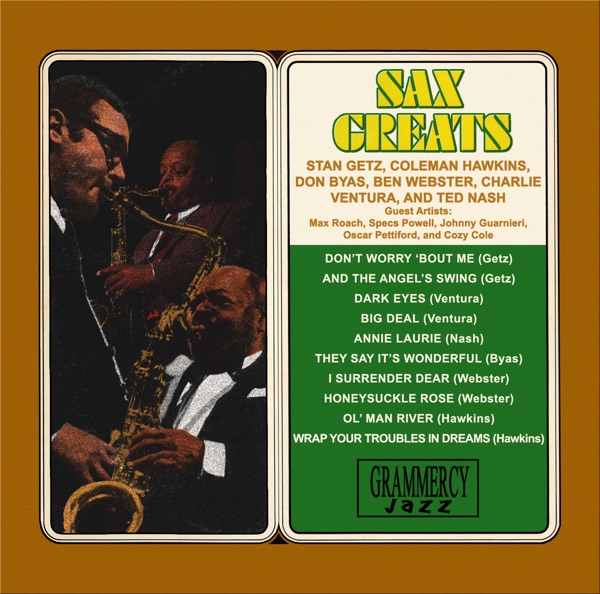
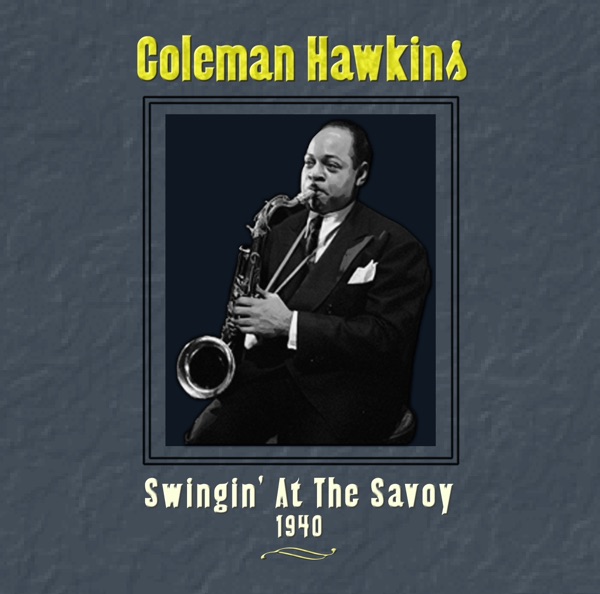
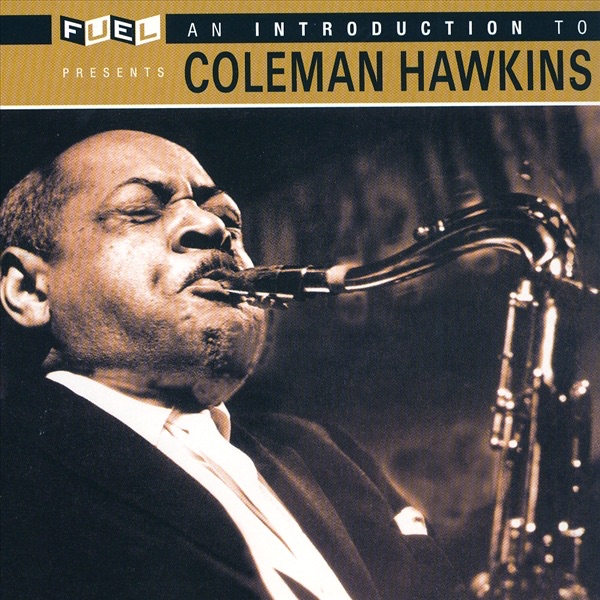
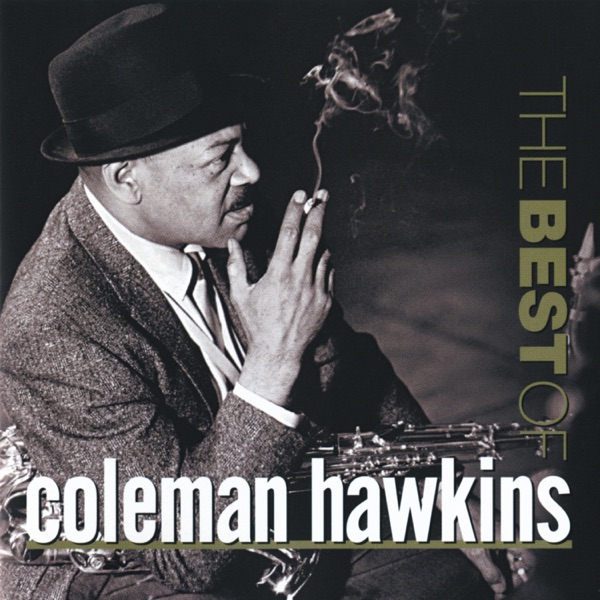
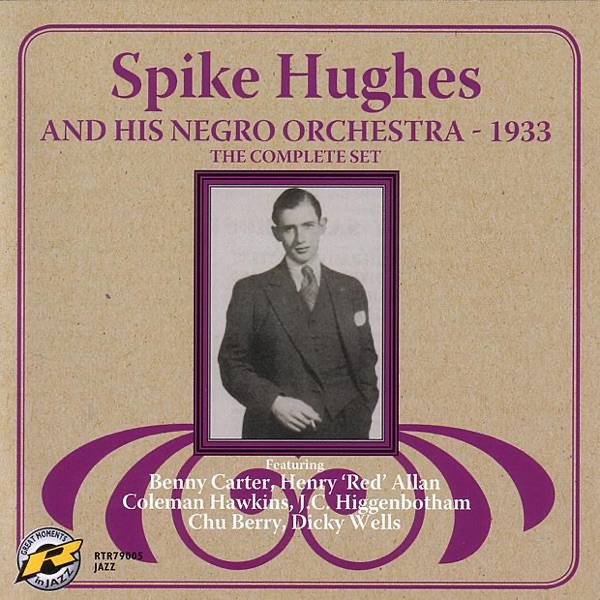
Explore 45 albums and recordings, arranged by release date.









Explore other jazz artists who share genre tags with Coleman Hawkins.