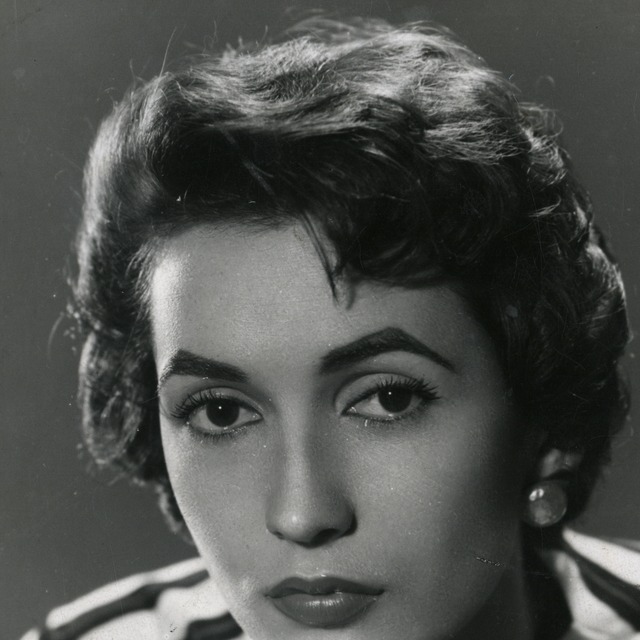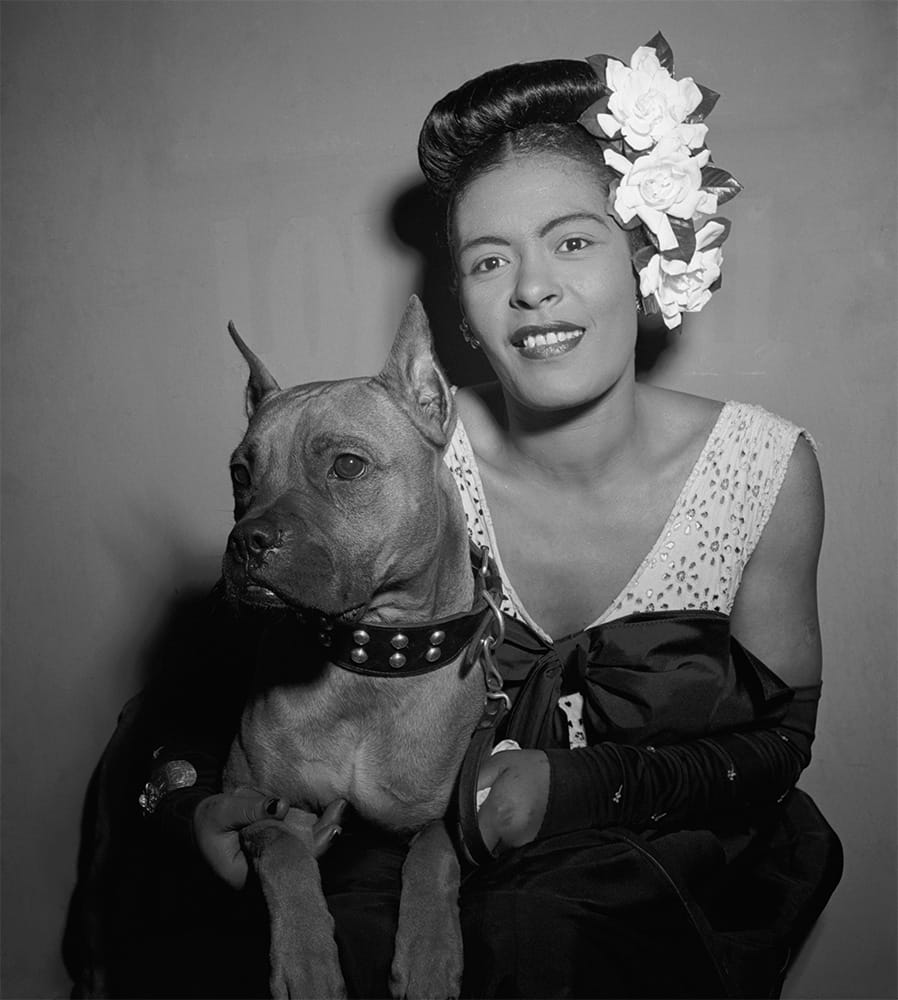


Billie Holiday, affectionately known to fans as“Lady Day”, was one of jazz history’s most soulful and tragic singers. She did more than sing: she used her voice as an improvising instrument and reshaped the aesthetics of jazz and popular music.
Born in Philadelphia,Holidaywas originally namedEleanora Fagan. Her childhood was marked by poverty, the absence of her father, and early trauma. Those experiences later became the unmistakable undercurrent of melancholy in her voice. In the early 1930s, she began earning a living in Harlem nightclubs. Her distinctive sound caught the attention of legendary producerJohn Hammond, who discovered her. She then made her first recordings withBenny Goodmanand began her recording career.
This was the peak ofHoliday’s artistry. She formed one of jazz history’s most moving musical partnerships with pianistTeddy Wilsonand tenor saxophone masterLester Young. She andLester Youngshared an almost telepathic understanding:Lestergave her the celebrated nickname“Lady Day”, and she returned the favor by calling him“Prez”(the President). Their closely intertwined performances in the studio set a high-water mark for the dialogue between voice and horn.
In 1939,Holidayfirst performedCafé Societyat New York’s《Strange Fruit》. The song’s stark account of the lynching of Black people in the American South made “strange fruit hanging from the southern trees” an unmistakable reference to the victims. Its political force led mainstream radio stations to ban it and helped makeHolidaya target of FBI surveillance for two decades. The song became both her signature recording and an enduring cultural monument of the early civil-rights movement.
From the late 1940s onward,Holidaystruggled with addiction, alcoholism, and abusive relationships. In 1947, a drug conviction sent her to prison. After her release, she lost her New York cabaret card, which barred her from performing in the city’s nightclubs and severely damaged her career. Yet hardship deepened her art. In 1958, she recorded the celebrated albumVervefor《Lady in Satin》. Her voice had grown rough, tired, and fragile, but it carried a depth of experience and feeling that was almost unbearably powerful. She died in New York in 1959 from complications of cirrhosis, aged 44, while under arrest.
3. Musical Style: The Art of Improvised Storytelling
Revolutionary Rhythmic Phrasing:Holiday: One of her greatest contributions was her command of rhythm. She often sang slightly behind the beat, using a relaxed but precise phrasing that made the lyrics feel like an intimate conversation. Her approach influenced later singers such asChet BakerandFrank Sinatra。
The Voice as an Instrument: She did not rely on a wide range or operatic power. Instead, she treated her voice like a trumpet or saxophone, using subtle glissandos, delicate changes in tone, and shifts of emphasis to turn each standard into a personal story.
Radical Honesty:Holidayonce said, “I never sing the same song the same way twice.” Each performance reflected the emotion of the moment. Her refusal to disguise pain made her a lasting emotional force in jazz.
In Summary: Billie Holidaywas jazz’s “suffering goddess.” With a voice marked by hardship, she showed that great art does not need perfect pitch; it needs a heart that is truly alive.
Explore other jazz artists who share genre tags with Billie Holiday.