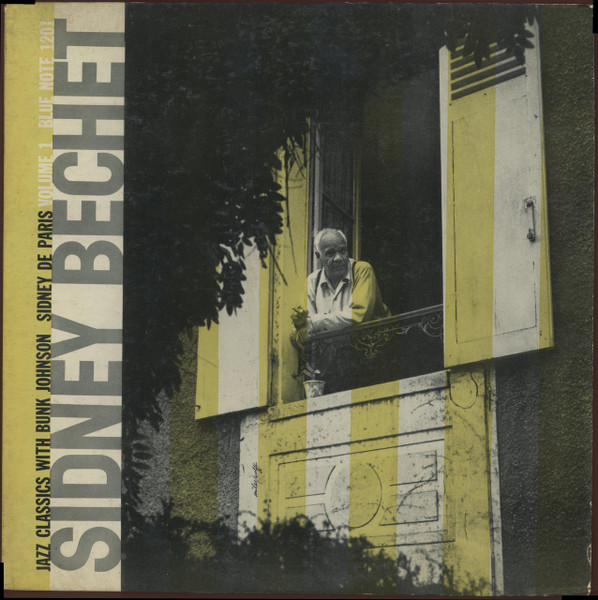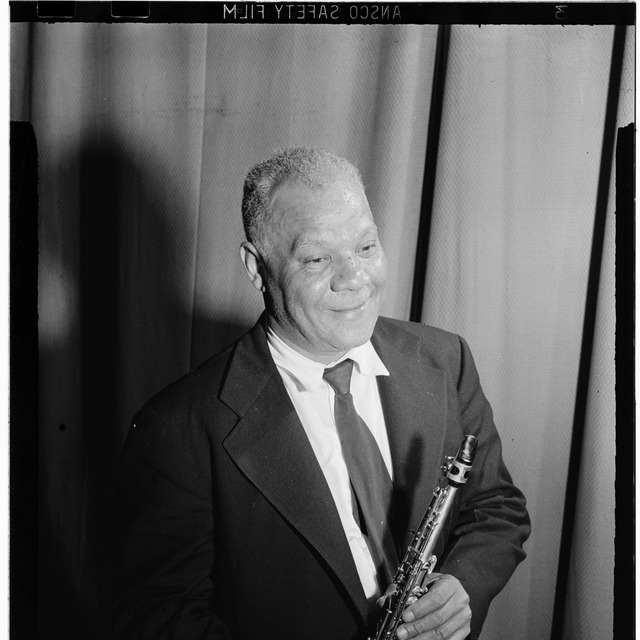
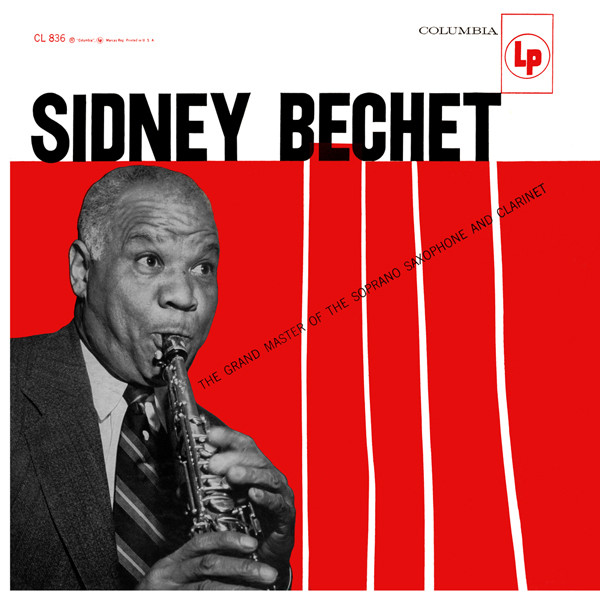

Sidney Bechet was born in New Orleans on May 14, 1897, and died outside Paris on May 14, 1959. He came from a Creole family: his grandfather Omar had been born into slavery, and his older brother Leonard played trombone. As a child, Bechet grew up amid the sounds of parade bands and dance halls. In his teens, he learned clarinet from older musicians such as Freddie Keppard and Bunk Johnson. He was among the first jazz musicians to treat the clarinet as a solo instrument rather than a decorative ensemble voice, and he helped bring the soprano saxophone back into jazz.
In 1919, Bechet went to Europe with Will Marion Cook’s Southern Syncopated Orchestra, spending more than a year in London and Paris. That year, the Swiss conductor Ernest Ansermet wrote in Revue Romande that Bechet might be “the very soul of the orchestra,” comparing his improvisation to the structural sense of classical composers. It was the first time a jazz soloist received serious critical attention, nine years before Louis Armstrong’s “West End Blues.” Back in the United States in the 1920s, Bechet worked in Chicago with Clarence Williams’s Blue Five and recorded with the young Armstrong on “Texas Moaner Blues” and “Cake Walking Babies from Home.” The clashes between their two horns are among early jazz’s most powerful recordings.
Bechet spent much of the 1930s in Europe with Noble Sissle’s band and also ran a tailor shop. In 1932, he recorded “The Sheik of Araby” alone, overdubbing clarinet, saxophone, piano, and drums to create a one-man band—one of jazz’s earliest multitrack recordings. He repeated the process on “Blues of Bechet” in 1938. Beginning in 1939, his Blue Note recordings, including “Summertime” and “Blues in Thirds,” as well as his work with Muggsy Spanier, condensed New Orleans collective improvisation into small-group chamber jazz and became models for the traditional-jazz revival.
In 1945, Bechet took the young clarinetist Bob Wilber as a student. They played together at Jimmy Ryan’s club in New York; Wilber later documented their teacher-student relationship in detail. Bechet performed with Claude Luter’s band in Paris in 1949 and received an almost feverish welcome. In 1950, he settled in France, married Jacqueline, and devoted the rest of his life to European audiences. “Petite Fleur,” recorded in 1952, sold millions of copies in Europe, becoming one of the most successful jazz singles on the continent. “Les Oignons” became a staple of French New Orleans jazz.
Bechet died of cancer in Garches in 1959 and was buried in Antibes. A bronze statue stands on the Antibes–Juan-les-Pins waterfront, and the town’s jazz festival bears his name. In 2001, he was added to the U.S. National Recording Registry. His playing is known for its wide vibrato, slides, and phrasing close to the human voice. He showed that a woodwind instrument could tell a complete story without harmonic support, a path later followed by John Coltrane and generations of saxophonists who treated the instrument as a voice.
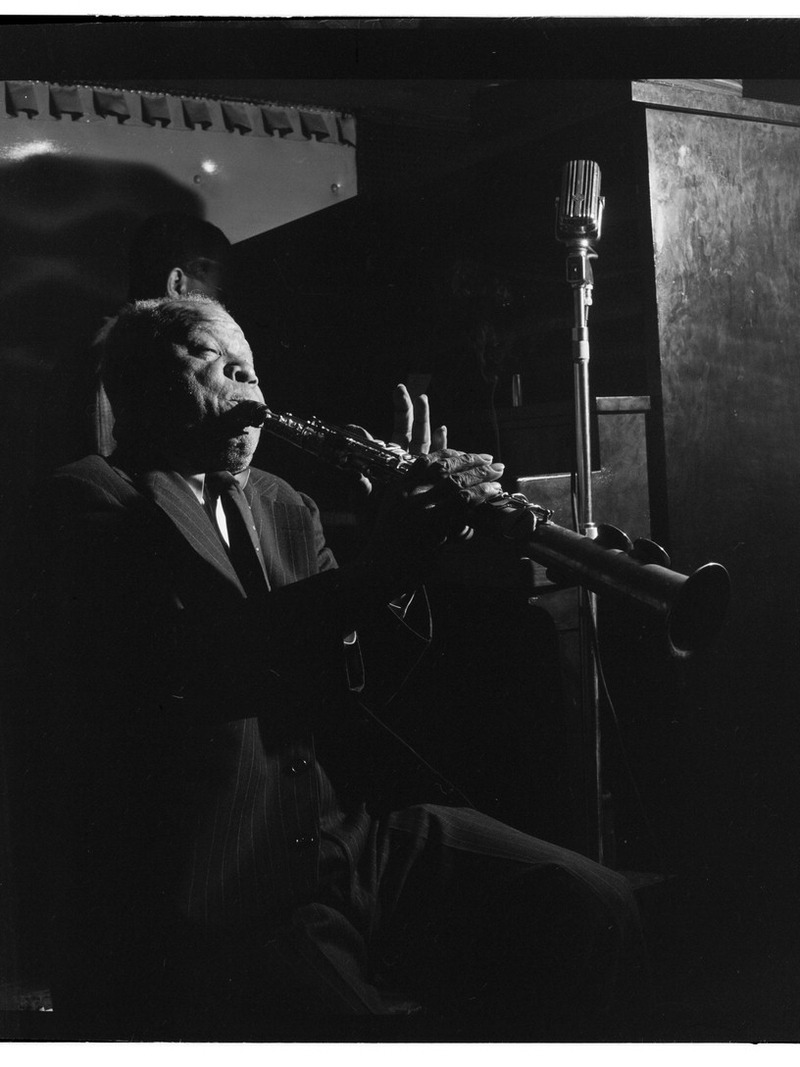
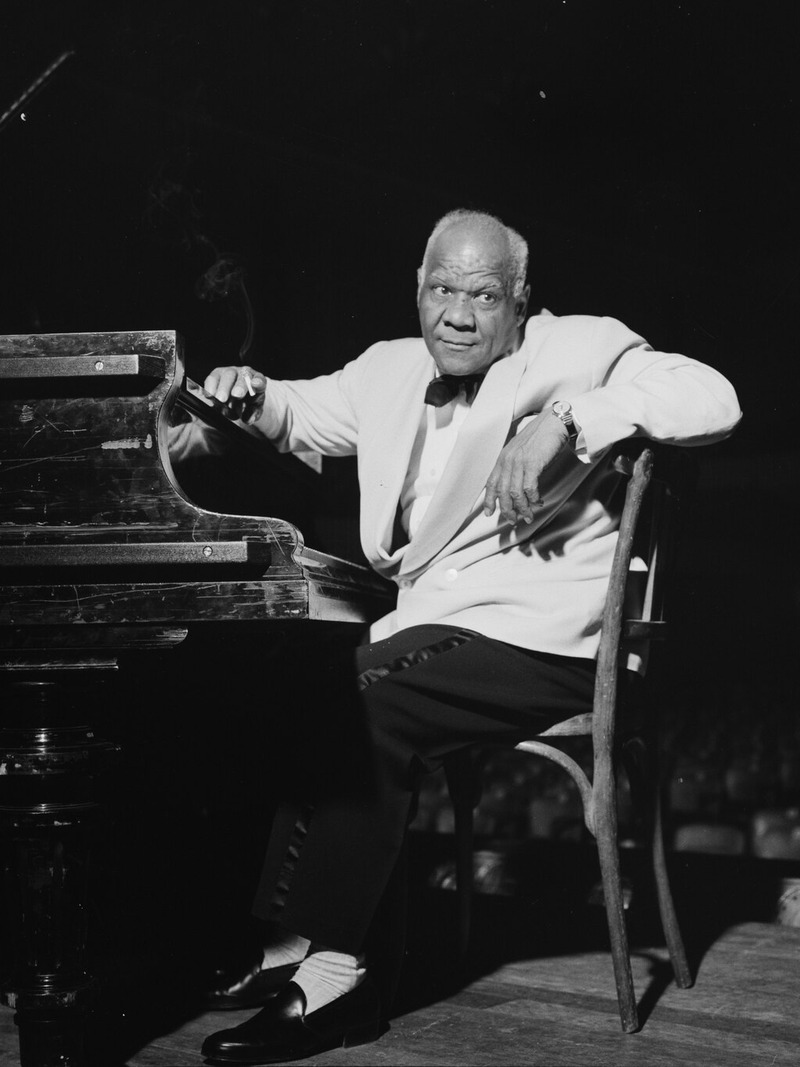
Explore 2 albums and recordings, arranged by release date.
Explore other jazz artists who share genre tags with Sidney Bechet.