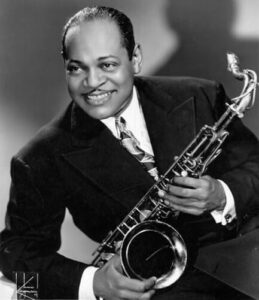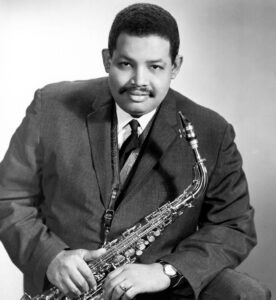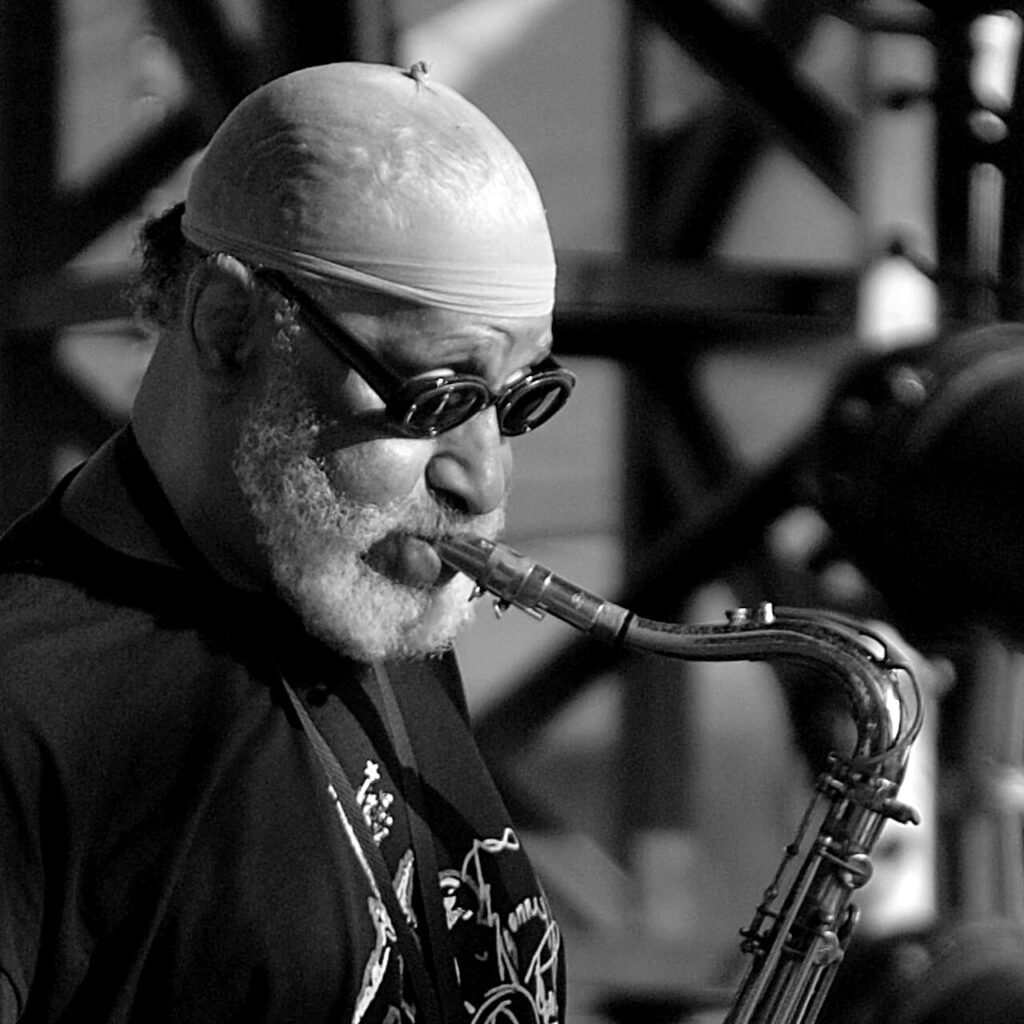


Sonny Rollinsis widely regarded as one of jazz history’s greatest tenor saxophonists. His nickname was“Newk”. A defining figure of the hard-bop era, he was also a master of developing musical ideas through improvisation. Over a career spanning seven decades, his powerful breath, firm tone, and repeated retreats from the spotlight at the height of his success made him a symbol of self-renewal in jazz.
Born into a family of West Indian immigrants in Harlem, New York,Rollinsshowed remarkable talent as a teenager and played with bebop pioneers such asThelonious Monk、Bud Powell. In the early 1950s, he joinedMiles Davis’s band and recorded classic original compositions such as “Oleo” and “Airegin.” He was also struggling with addiction at the time. In 1954, he voluntarily stepped away from music for the first time, taking a manual-labor job in Chicago as he worked to recover and rebuild his life.
After returning in 1955,Rollinsjoined a quintet led byClifford BrownandMax Roach, launching an exceptionally creative period. In 1956, he recorded his best-known album,《Saxophone Colossus》(Saxophone Colossus). “St. Thomas” shows how deftly he brought Caribbean calypso rhythms together with jazz. He also established the piano-less trio format of saxophone, bass, and drums. Its spare setting gave him unusual freedom to improvise and confirmed his stature as a leading soloist.
In 1959, at the height of his career,Rollinsannounced another retreat. Because practicing in his apartment disturbed his neighbors, he spent the next two years carrying his saxophone to New York’sWilliamsburg Bridgeeach day to practice over the East River. In 1962, he returned with the album《The Bridge》, showing a deeper and more exploratory sound. In the late 1960s, he traveled to India to study yoga and meditation, seeking the spiritual force behind music.
From the 1970s onward,Rollinswas open to funk and fusion. He even contributed a memorable solo on an album byRolling Stones. His generosity onstage was legendary; a single solo could last for tens of minutes. In 2011, he received the National Medal of Arts from President Barack Obama. Around 2014, respiratory problems led him to stop performing publicly, but he remains a spiritual beacon for jazz musicians.
3. Musical Style: Logic and Power
Thematic Improvisation:Rollins: One of Rollins’s greatest gifts was taking a simple melodic fragment—a motif—and developing it like a set of building blocks through rhythmic displacement, inversion, and variation into a sweeping statement.
A Tough, Full-Bodied Tone: His saxophone has a metallic, grainy quality, both powerful and witty. Even in serious improvisations, he may slip in a familiar melody or a sly phrase.
An Unerring Sense of Time: Even without a piano, he could create a powerful swing through accents and pauses in the saxophone line alone.
In Summary: Sonny Rollinswas jazz’s“seeker”. Through strict discipline and constant self-reinvention, he turned the saxophone into an instrument for thought and reflection.
An Aesthetic Connection: For a 3D designer interested in structural strength and dynamic balance,Rollins’s music is an excellent example ofgenerative modeling. He starts from a simple point, iterates on it, and gradually builds a complex, tension-filled topology.
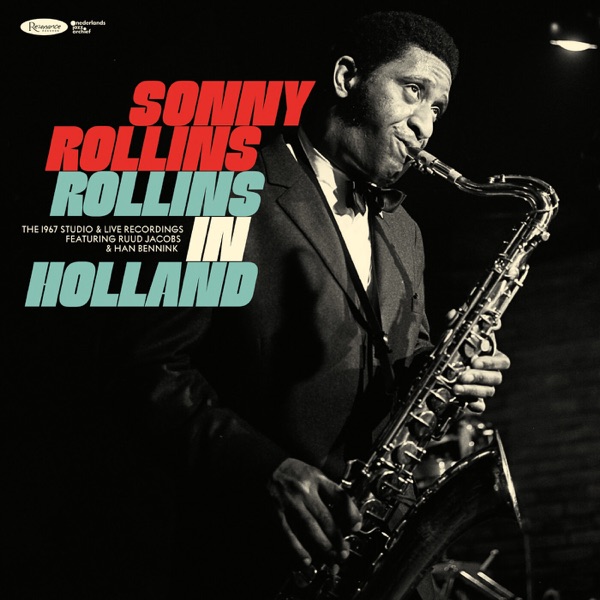
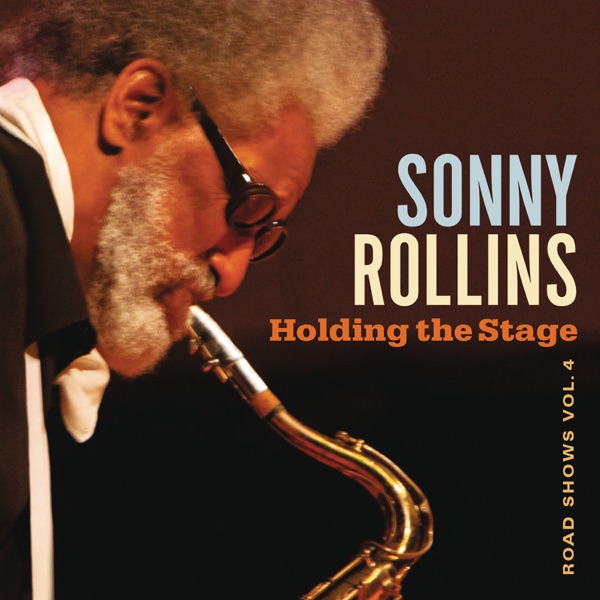
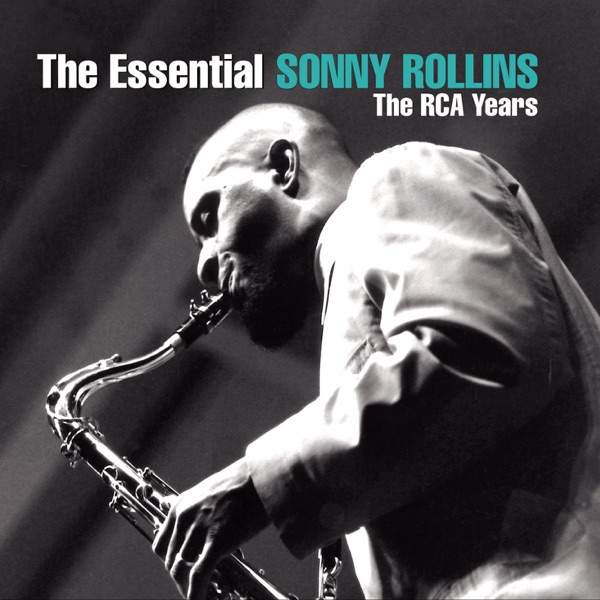
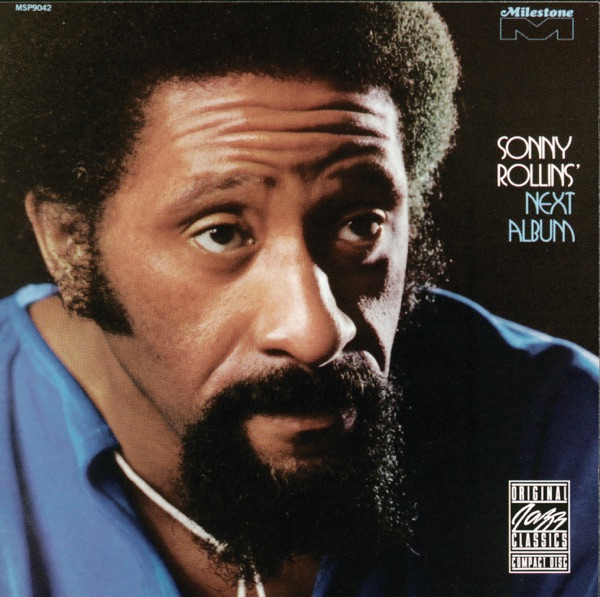
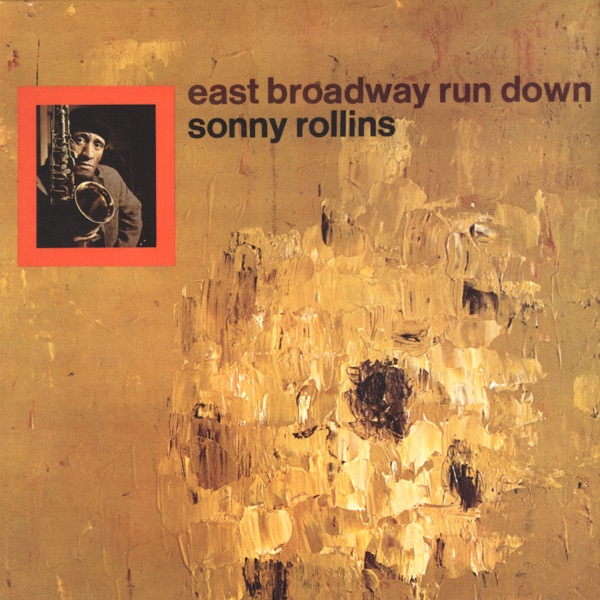
Explore 46 albums and recordings, arranged by release date.






Explore other jazz artists who share genre tags with Sonny Rollins.