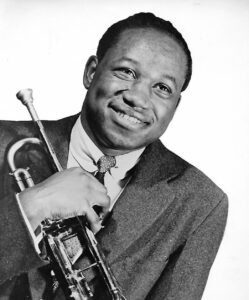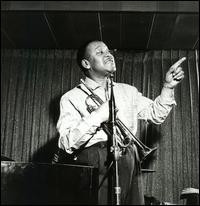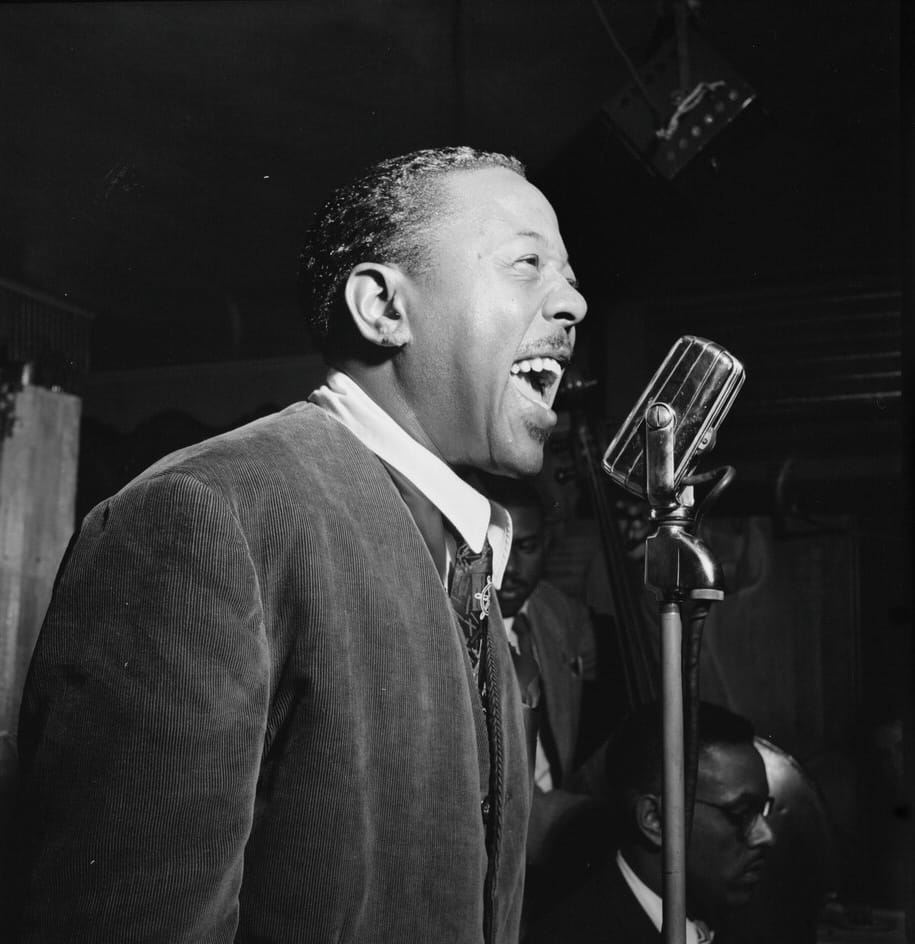


Roy Eldridge, nicknamed“Little Jazz”, was a pivotal figure who connected early jazz with the modern era. He was one of the most important bridges between the pioneers of early jazzLouis Armstrongand the innovators who followedDizzy Gillespie. At the height of swing in the 1930s and 1940s, his extreme range, lightning speed, and combative spirit made him a model for trumpeters across the country.
Born in Pittsburgh, Pennsylvania,EldridgeEldridge first studied drums and alto saxophone. The saxophone left a lasting mark on his trumpet style: he sought to play lines on the trumpet as fluid as a saxophonist’s. After moving to New York in the early 1930s, he quickly gained attention for his forceful improvisations. Because he was small in stature but full of energy, saxophone greatOtto Hardwickgave him“Little Jazz”, a nickname that stayed with him for life.
Eldridgewas among the first Black musicians to break segregation barriers and join top white big bands. He played withGene KrupaandArtie Shaw. While with theGene Krupaband, his work with singerAnita O’Dayon “Let Me Off Uptown” became a major hit. On tour, however, he faced repeated and severe racism, which wounded his pride and led him to leave the groups in anger more than once.
When the bebop revolution began, the youngDizzy Gillespieopenly acknowledged that his own hero wasRoy Eldridge。Eldridge. His harmonic ideas and exploration of the upper register gave modern jazz some of its earliest blueprints. In the 1950s, he joined the Jazz at the Philharmonic (JATP) tours organized byNorman Granzand faced off in countless legendary trumpet-and-saxophone battles withColeman Hawkins, showing an unshakable competitive spirit.
Late in his career, Eldridge accompaniedElla Fitzgeraldand held a long residency at New York’s celebratedRyan’sclub. Even in his later years, he played with the same fierce, all-in commitment. A stroke in 1980 forced him to stop performing. He died in New York in 1989, aged 78, one of jazz history’s most fearless trumpet fighters.
3. Musical Style: Pushing Speed and Range to the Limit
A Trumpet Voice Shaped by the Saxophone:Eldridge’s playing leapt across wide intervals and raced through scales at high speed, breaking the limits of trumpet technique at the time.
Exploring the Upper Register: He greatly expanded the trumpet’s practical range. His high notes burst like fireworks, combining visual drama with intense emotional force.
Competitive Improvisation: He loved cutting contests. Whatever the opponent, he brought an almost obsessive intensity and aggression to an improvised exchange. That energy helped catalyze the shift from swing to bebop.
In Summary: Roy Eldridgewas jazz’s“torchbearer”. He forged speed and virtuosity from the trumpet tradition and personally carried that flame to the next generation of innovators.
An Aesthetic Connection: For designers who value performance and dynamic range,Roy Eldridge’s music is an art ofoverclocking. He worked at the instrument’s limits, turning every breath into a brilliant spark under pressure.
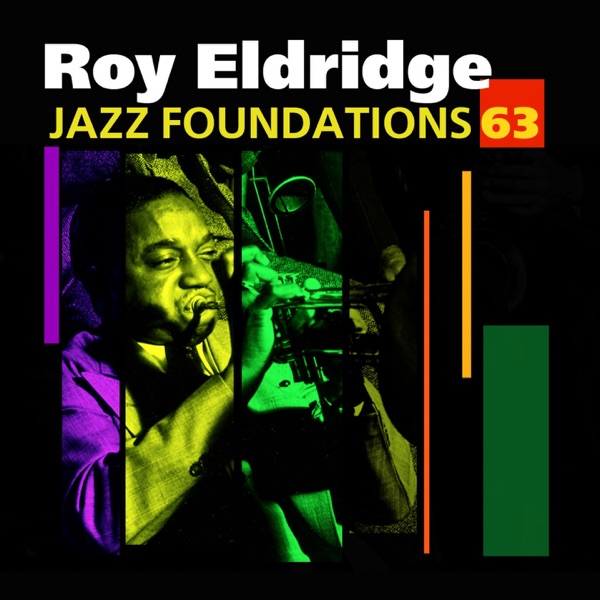
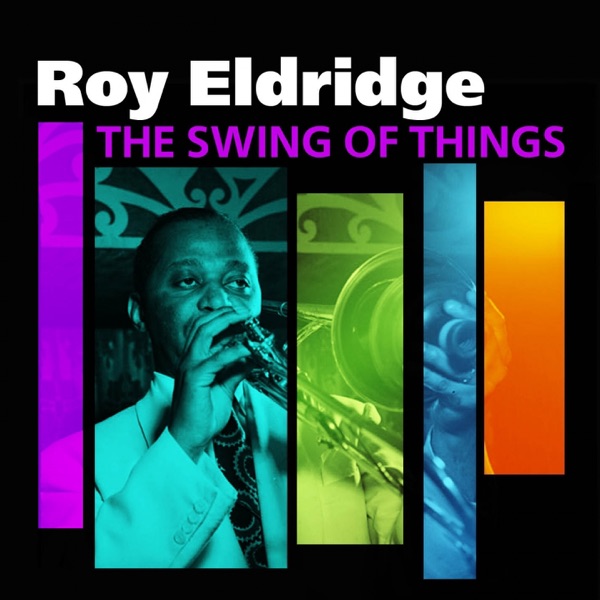
Explore 43 albums and recordings, arranged by release date.




Explore other jazz artists who share genre tags with Roy Eldridge.