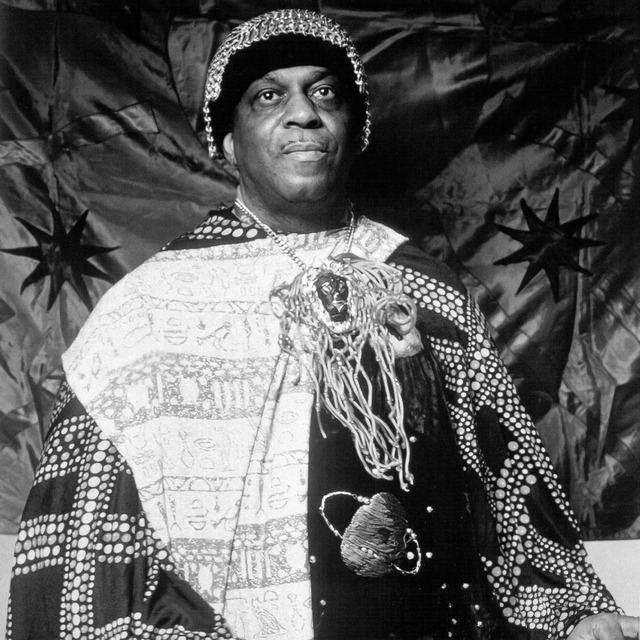

Sun Ra (born Herman Poole Blount on May 22, 1914, in Birmingham, Alabama; died May 30, 1993) formally changed his name to Le Sony’r Ra in 1952. He was an American pianist, composer, arranger, and bandleader, recognized as a pioneer of free improvisation and modal jazz and among the first jazz musicians to use electronic keyboards and synthesizers.
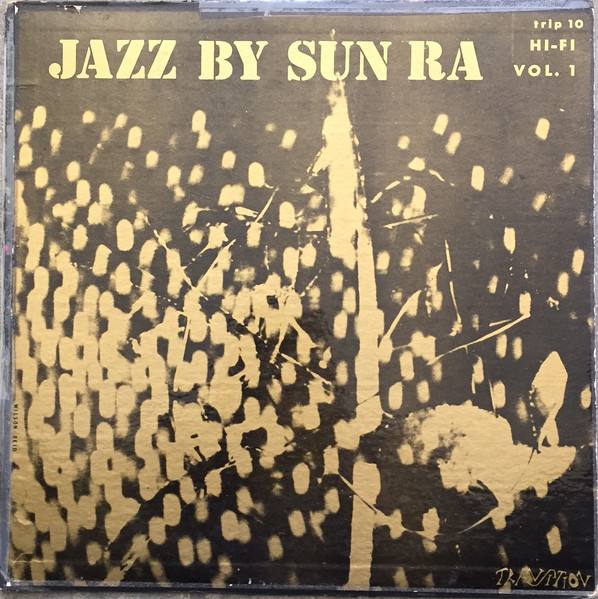
He could read music and compose from an early age, and developed his keyboard skills as a young man in rhythm-and-blues and swing bands in Birmingham and Chicago. In the mid-1950s, he formed his own big band in Chicago and founded the El Saturn label, financing the records himself and controlling the entire process from rehearsals and recording to pressing and distribution. Jazz by Sun Ra (1957), released by Transition, and 1959’s Jazz in Silhouette already reveal his approach of combining big-band instrumentation, unusual harmonies, and exotic rhythms.
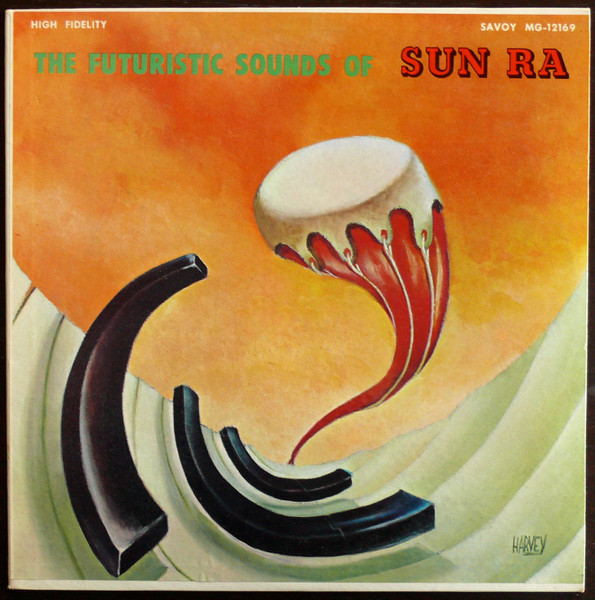
After moving to New York in 1961, Sun Ra became part of the avant-garde jazz movement of the 1960s. The Futuristic Sounds of Sun Ra (Savoy, 1962), The Heliocentric Worlds of Sun Ra (ESP-Disk’, 1965), and The Magic City (1966) brought free collective improvisation, percussion ensembles, and electronic noise to the foreground. He said he came from Saturn and framed performances through a “cosmic philosophy”: musicians wore Egyptian and futuristic costumes, while shows included dance, slides, and improvised recitation.
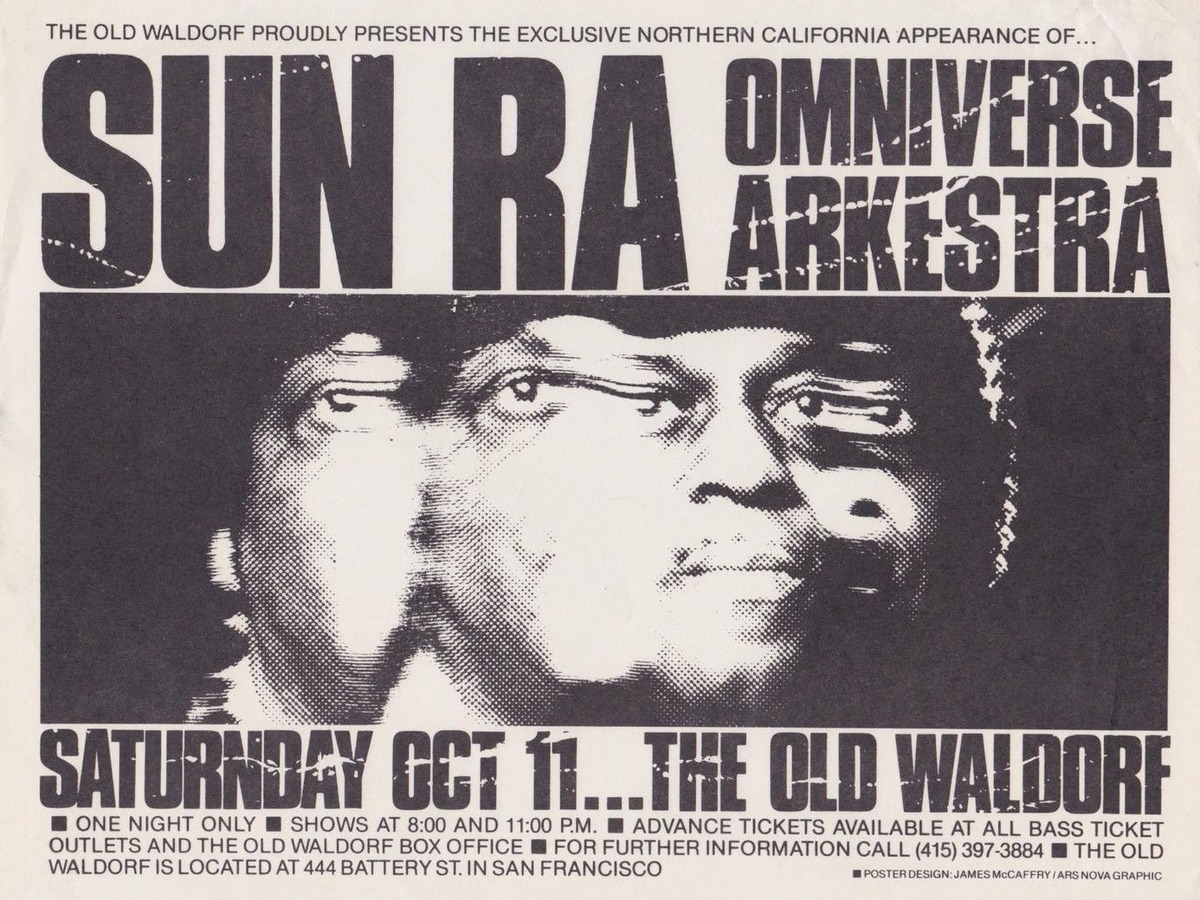
In the 1970s, he toured Europe and the United States with his Arkestra. He starred in the 1972 film Space Is the Place and released its soundtrack. Lanquidity (1978) brought funk and electronic sounds into his cosmos. The ensemble name changed across periods—Myth-Science Arkestra, Solar Arkestra, Astro-Infinity Arkestra, and Omniverse Arkestra—but tenor saxophonist John Gilmore, alto saxophonist Marshall Allen, and baritone saxophonist Pat Patrick remained at its core for decades.
After Sun Ra’s death in 1993, the Arkestra continued to perform under Marshall Allen’s leadership. Reissues through labels including Strut, Evidence, and ESP-Disk’ keep his recorded legacy in circulation. His work remains a source for later free jazz, experimental electronic music, and Afrofuturism.
Explore 2 albums and recordings, arranged by release date.
Explore other jazz artists who share genre tags with Sun Ra.