
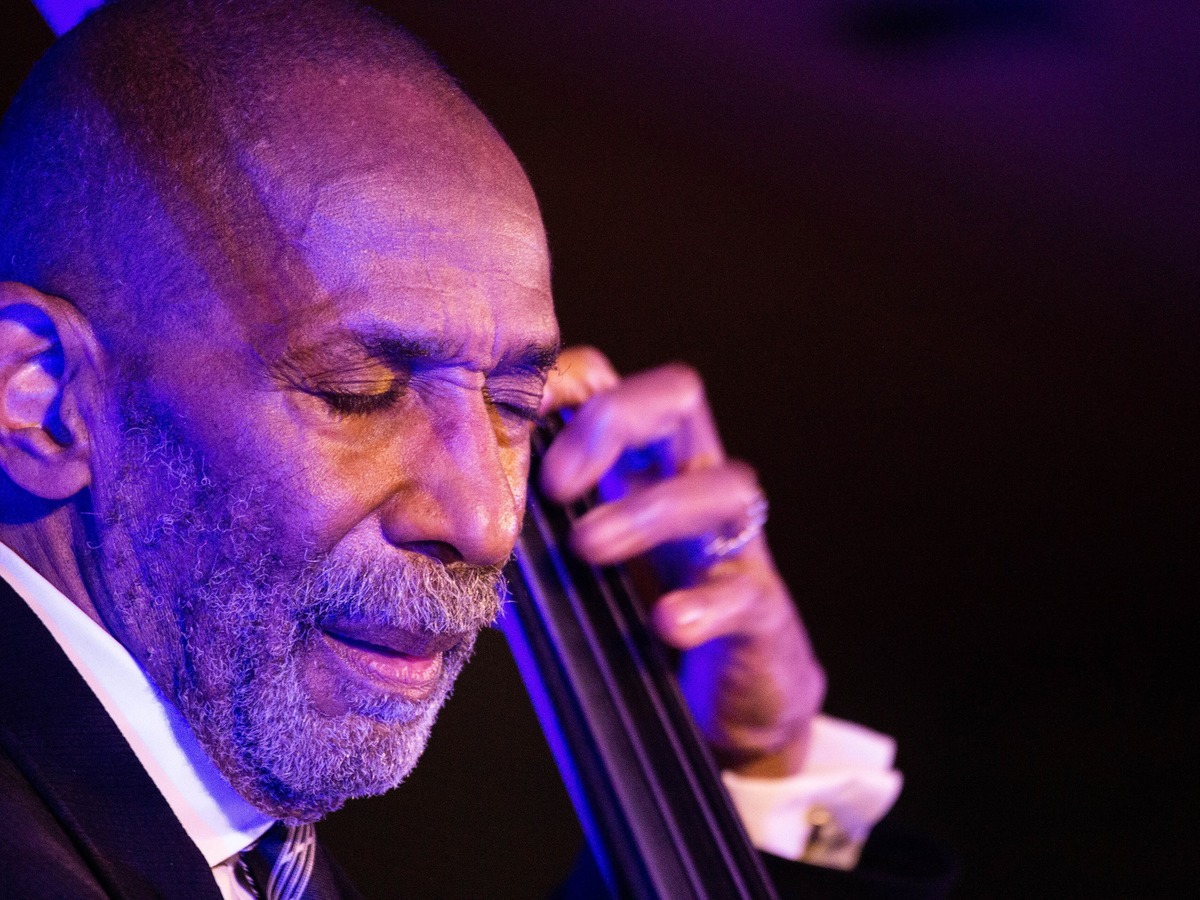
Ron Carter (born May 4, 1937, in Ferndale, Michigan) is an American double bassist, cellist, and composer, and one of the most-recorded bassists in jazz history.
He studied cello as a child and later earned degrees from the Eastman School of Music and the Manhattan School of Music. After moving to New York in the early 1960s, he worked with Eric Dolphy, Mal Waldron, and Bobby Timmons, among others. His first album as a leader, Where?, appeared in 1961.
From 1963 to 1968, Carter was the bassist in Miles Davis’s Second Great Quintet. With Herbie Hancock, Wayne Shorter, and Tony Williams, he made recordings including E.S.P., Miles Smiles, and Nefertiti. Carter moved the double bass beyond timekeeping and root notes, turning it into a contrapuntal voice in conversation with the ensemble. This rhythm section is now regarded as a model for modern jazz groups.
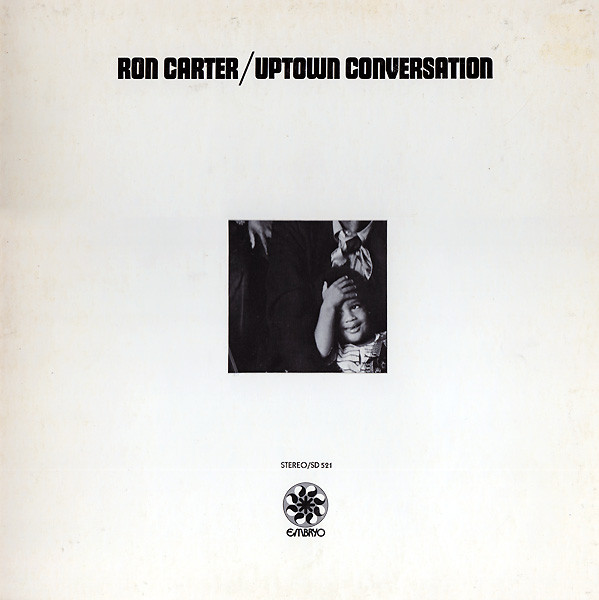
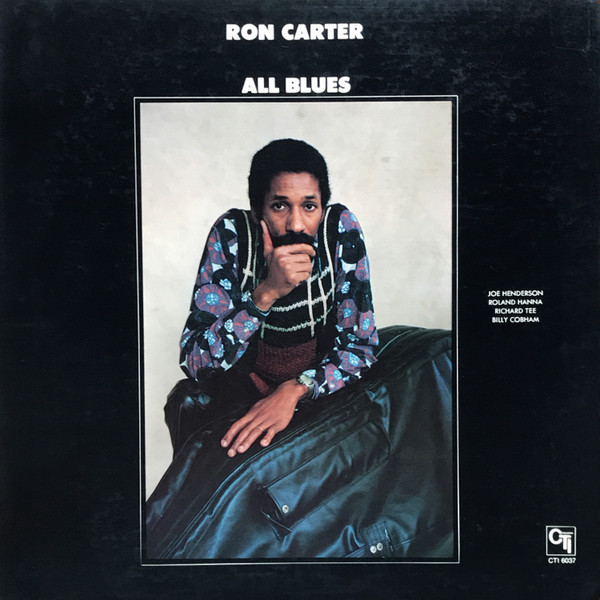
In the 1970s, Carter recorded a series of leader albums for CTI and other labels, including Uptown Conversation (1970), Blues Farm (1973), All Blues (1974), Yellow & Green (1976), and Piccolo (1977). Through electric bass, strings, and fusion rhythms, he broadened the vocabulary of the jazz bass.
Carter has appeared on more than two thousand recordings. He was named an NEA Jazz Master in 1998 and inducted into the DownBeat Jazz Hall of Fame in 2012. He taught for many years at the City College of New York and continues to perform in duos—including with guitarist Jim Hall—trios, and big bands.
Explore 2 albums and recordings, arranged by release date.
Explore other jazz artists who share genre tags with Ron Carter.