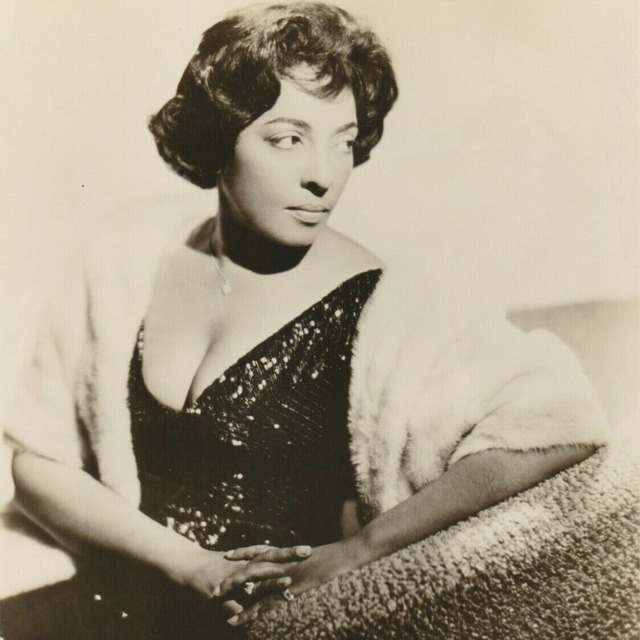

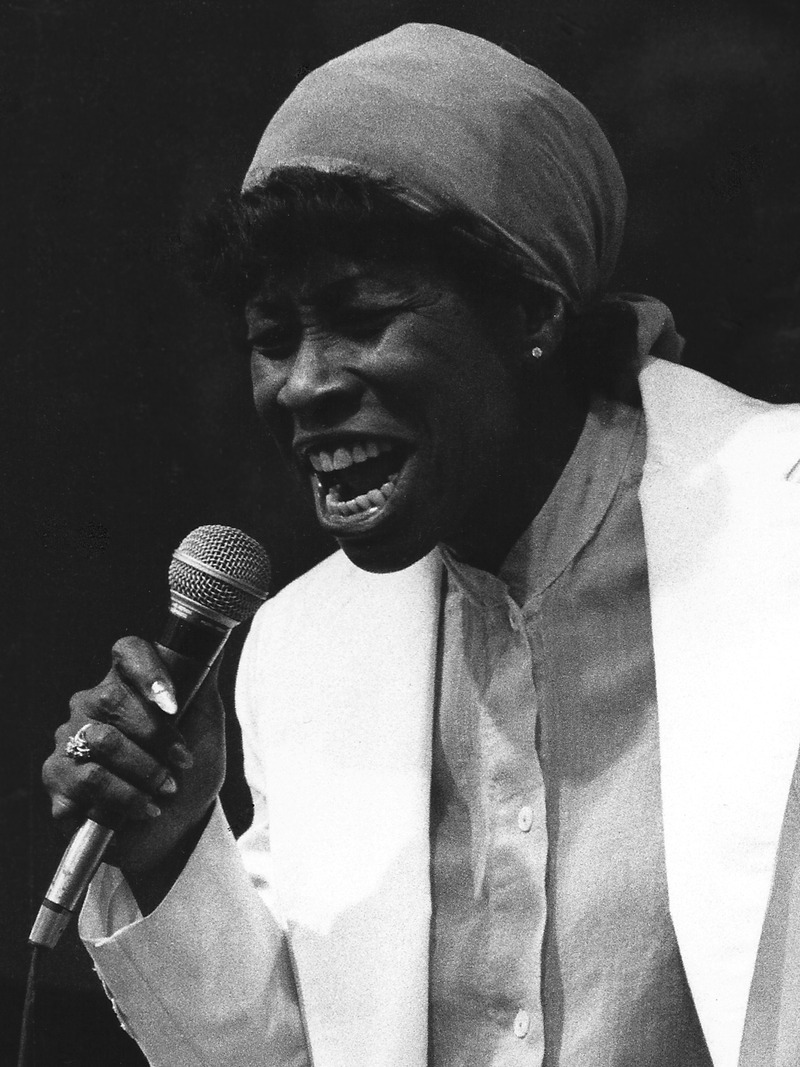
Betty Carter (born Lillie Mae Jones on May 16, 1929, in Flint, Michigan; died September 26, 1998, in New York) was an American jazz singer. She grew up in Detroit, where her father, James Jones, directed music at a local church. She entered the Detroit Conservatory of Music to study piano at 15 and began singing at 16. Because she was too young to enter bars, she even obtained a false birth certificate to get into performances.
In 1948, Carter joined Lionel Hampton’s big band on tour. Her enthusiasm for bebop earned her the nickname “Betty Bebop.” Hampton would not let her sing ballads, so the experience pushed her to develop scat singing into her own language. In the 1950s, she recorded for Peacock, Epic, and ABC-Paramount. Meet Betty Carter and Ray Bryant (1956), Out There with Betty Carter (1958), The Modern Sound of Betty Carter (1960), and the duet album Ray Charles and Betty Carter (1961) are among the highlights of that period.
Carter receded from the mainstream for a time in the 1960s. In the 1970s, she founded her own label, Bet-Car, and took charge of producing, releasing, and distributing her records. Now It’s My Turn (1976), the live double album The Audience with Betty Carter (1980), and Whatever Happened to Love? (1982) came from this independent path. Look What I Got (1988) won the Grammy for Best Jazz Vocal Performance.
Carter’s live performances were known for uncompromising improvisation. She might hold a note, break it apart, and reassemble it into a new melody, requiring the band to follow her breath. She was also one of the most important mentors to young musicians. The Kennedy Center’s Betty Carter’s Jazz Ahead program continues her teaching legacy. She was named an NEA Jazz Master in 1993.
Carter died of pancreatic cancer in New York in 1998. Carmen McRae once said of her: “There’s really only one jazz singer—only one: Betty Carter.”
Explore other jazz artists who share genre tags with Betty Carter.