
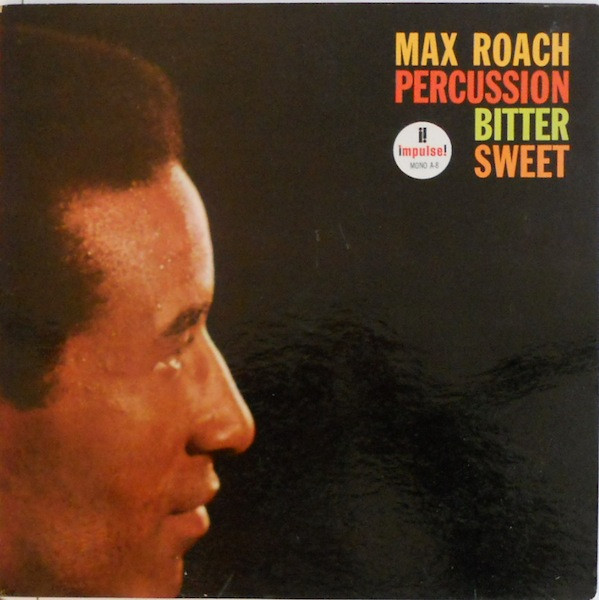
Percussion Bitter Sweet
Release Date: 1961-09-00
Country: US
Tracklist
- Garvey's Ghost (7:55)
- Mama (4:50)
- Tender Warriors (6:54)
- Praise For A Martyr (7:13)
- Mendacity (8:56)
- Man From South Africa (5:15)

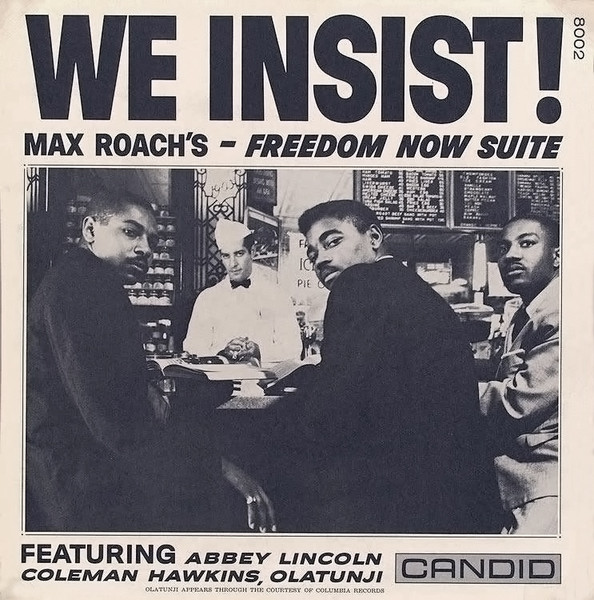
We Insist! Max Roach's Freedom Now Suite
Release Date: 1961-01-00
Country: US
Tracklist
- Driva' Man (5:10)
- Freedom Day (6:02)
- Triptych: Prayer, Protest, Peace (7:58)
- All Africa (7:57)
- Tears For Johannesburg (9:36)
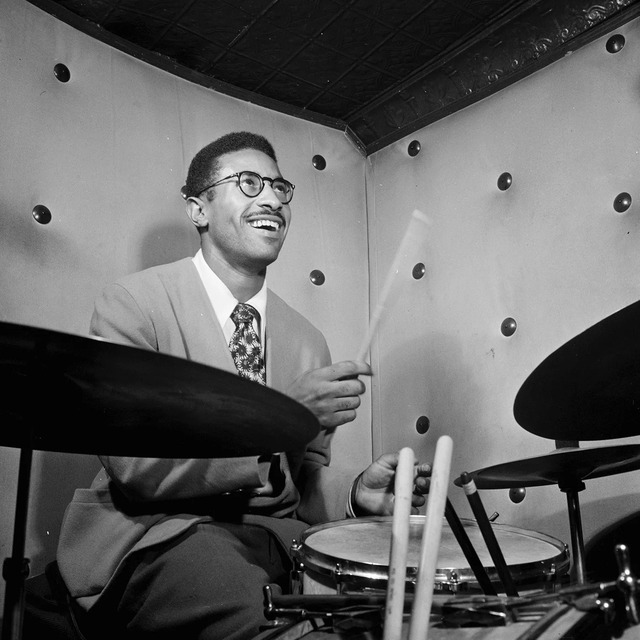
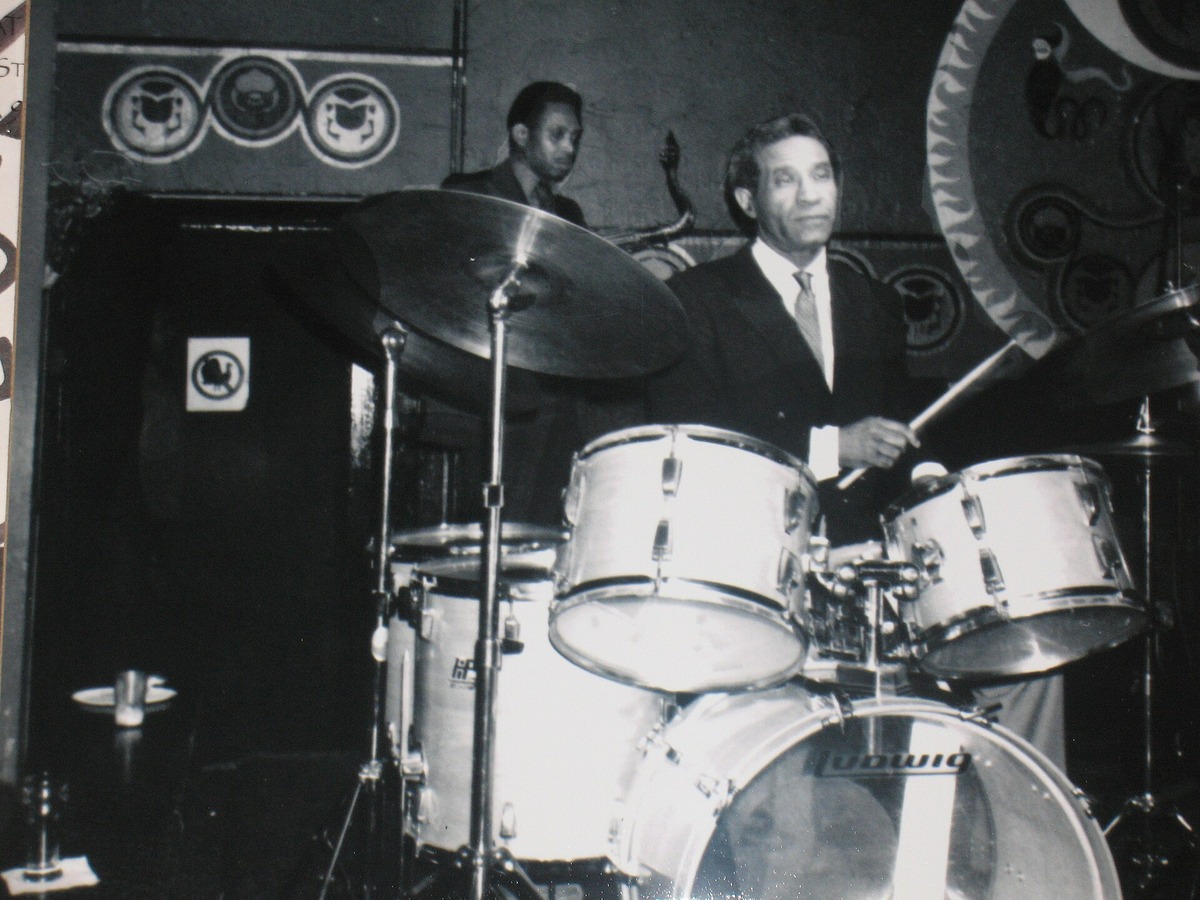
Max Roach
Maxwell Lemuel Roach (born January 10, 1924, in Newland, North Carolina; died August 15, 2007, in New York) was an American jazz drummer, composer, and educator. He grew up in Brooklyn’s Bedford–Stuyvesant neighborhood, where he encountered percussion in church gospel music and parade bands. As a teenager he performed in Harlem clubs, then studied timpani and percussion with Henry Adler at the Manhattan School of Music and also studied composition.
By the mid-1940s, Roach was a central bebop drummer. His recordings and performances with Charlie Parker, Dizzy Gillespie, Bud Powell, and Thelonious Monk transformed the drums from a timekeeping instrument into a participant in melodic and harmonic conversation. In 1952, he co-founded Debut Records with Charles Mingus. The label’s 1953 release Jazz at Massey Hall documents one of their performances. From 1954 to 1956, Roach led a quintet with trumpeter Clifford Brown, Sonny Rollins, pianist Richie Powell, and bassist George Morrow, a model of hard bop. After Brown died in a 1956 car accident, Roach continued with trumpeters Kenny Dorham and Booker Little.
We Insist! Max Roach’s Freedom Now Suite (1960) is his most important work. With lyrics by Oscar Brown Jr. and vocals by his wife Abbey Lincoln, and featuring Coleman Hawkins, Booker Little, Eric Dolphy, Julian Priester, and Nigerian drummer Michael Olatunji, the five-part suite depicts a history from enslavement to liberation. It is a landmark recording linking jazz with the civil rights movement. Percussion Bitter Sweet (1961) continued that direction; in 1962, Roach recorded the trio album Money Jungle with Duke Ellington and Charles Mingus.
Beginning in 1972, Roach taught at the University of Massachusetts Amherst. That year he formed M’Boom, an ensemble made entirely of percussionists, and wrote works including It’s Time for voice, choir, and jazz ensemble. He was named an NEA Jazz Master in 1984, received a MacArthur Fellowship in 1988, and was inducted into the DownBeat Hall of Fame. He died in New York in 2007, aged 83.

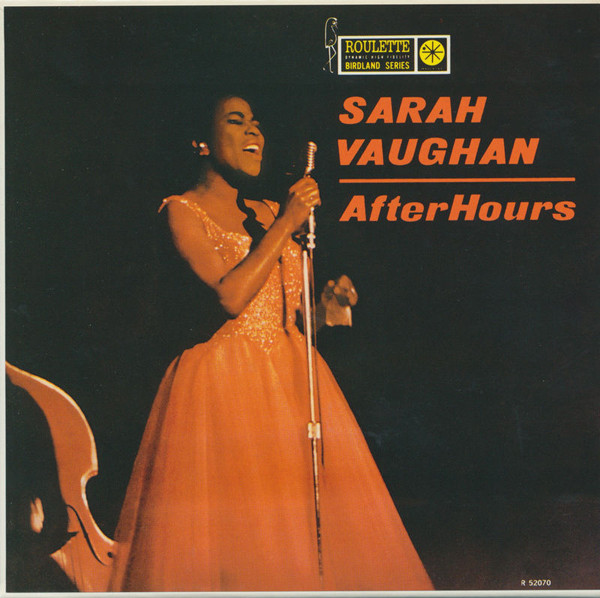
After Hours
Release Date: 1962
Country: US
Tracklist
- My Favorite Things (2:47)
- Ev'ry Time We Say Goodbye (2:21)
- Wonder Why (4:06)
- Easy To Love (2:05)
- Sophisticated Lady (3:47)
- Great Day (2:00)
- Ill Wind (3:13)
- If Love Is Good To Me (2:09)
- In A Sentimental Mood (4:00)
- Vanity (4:15)
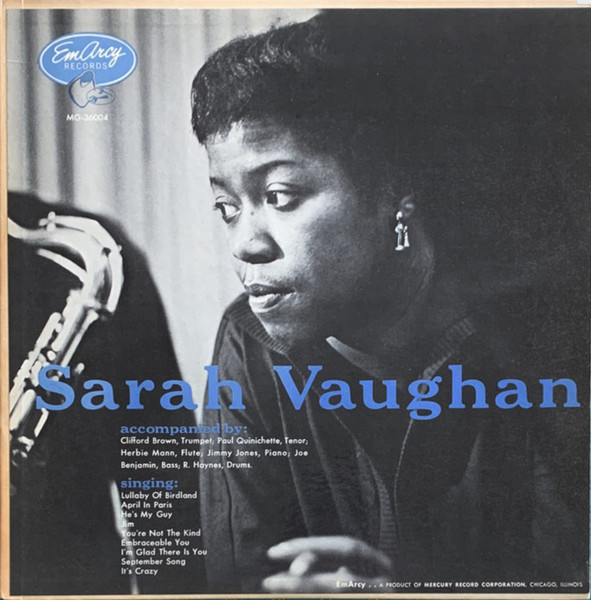
Sarah Vaughan
Release Date: 1955-04-00
Country: US
Tracklist
- Lullaby Of Birdland
- April In Paris
- He's My Guy
- Jim
- You're Not The Kind
- Embraceable You
- I'm Glad There Is You
- September Song
- It's Crazy
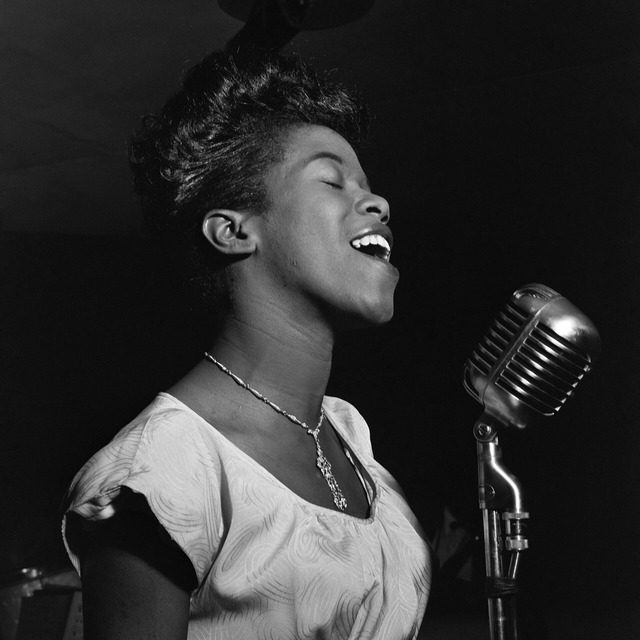
Sarah Vaughan
Sarah Lois Vaughan (born March 27, 1924, in Newark, New Jersey; died April 3, 1990, in Hidden Hills, California) was an American jazz singer and pianist. Her father, Asbury Vaughan, was a carpenter and amateur guitarist; her mother, Ada, sang in the church choir and played piano. Sarah began piano and organ lessons at seven and served as organist at Newark’s Mount Zion Baptist Church as a teenager.
In 1942, Vaughan won the amateur contest at Harlem’s Apollo Theater with “Body and Soul.” She began her professional career performing and accompanying herself at Harlem clubs. From 1942 to 1944, she sang with Earl Hines’s band; from 1944 to 1945, she toured with Billy Eckstine’s big band, working alongside Dizzy Gillespie and Charlie Parker and bringing bebop improvisation into vocal music.
“Lover Man” made Vaughan famous in 1945. She married George Treadwell in 1946, and he became her longtime manager. In 1954, she signed with Mercury and its jazz subsidiary EmArcy. Her 1955 album with trumpeter Clifford Brown, Sarah Vaughan, is widely regarded as a vocal-jazz landmark. Swingin’ Easy and Sarah Vaughan Sings George Gershwin (both 1957), along with After Hours (1962), show how comfortably she moved from trio settings to orchestral arrangements.
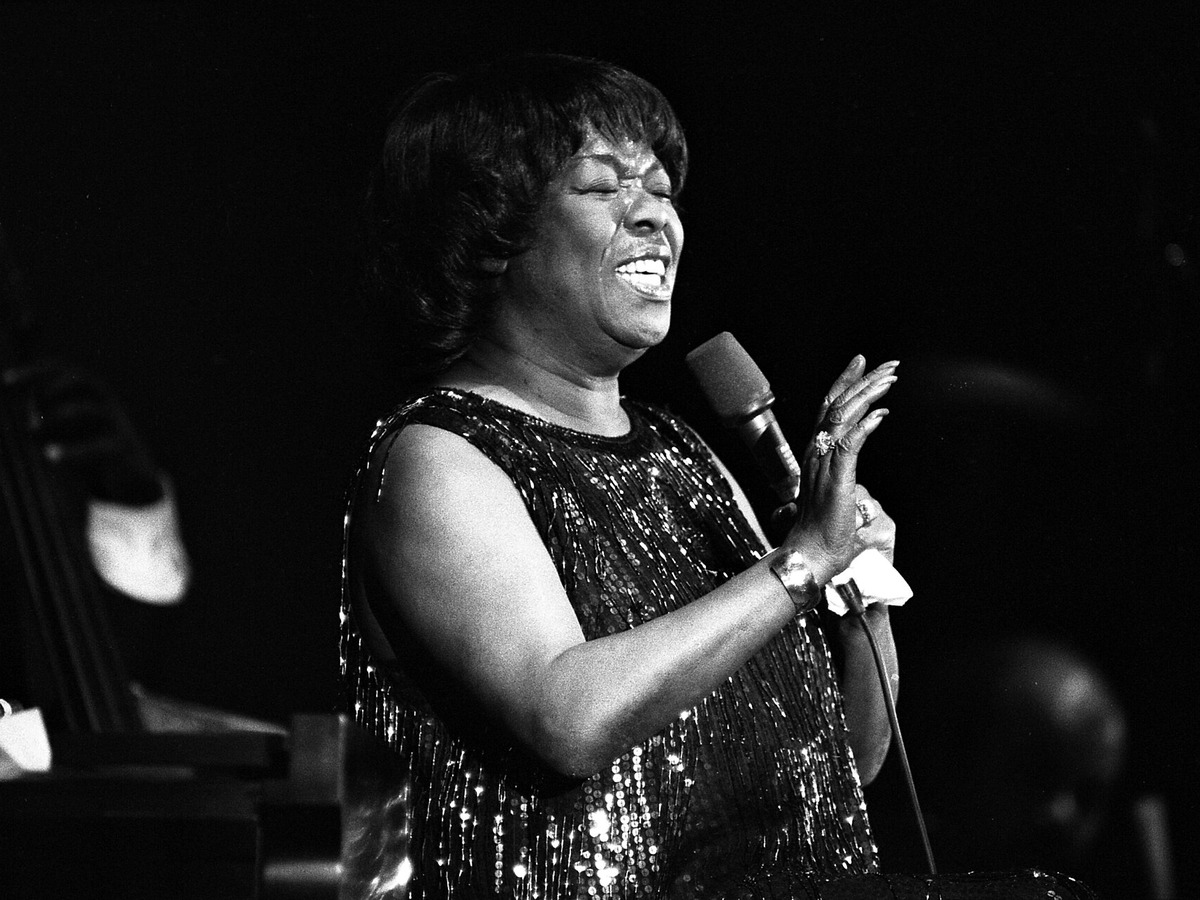
Known as “Sassy” and “The Divine One,” Vaughan had a range of nearly three octaves. Her magnetic low register, controlled vibrato, and dramatic high notes made her one of the three great jazz singers alongside Ella Fitzgerald and Billie Holiday. In 1982, she won the Grammy for Best Jazz Vocal Performance for Gershwin Live! The National Endowment for the Arts named her a Jazz Master in 1989. She died of lung cancer in 1990.
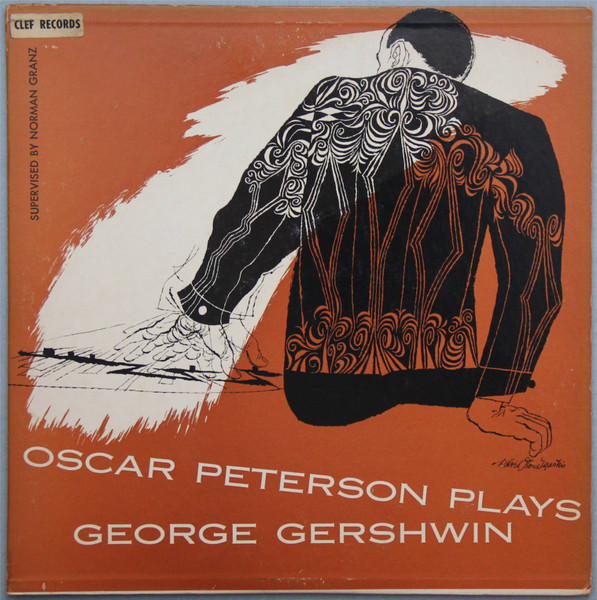
Oscar Peterson Plays George Gershwin
Release Date: 1953
Country: US
Tracklist
- Man I Love
- Fascinatin' Rhythm
- It Ain't Necessarily So
- Somebody Loves Me
- Strike Up The Band
- I've Got A Crush On You
- I Was Doin' All Right
- 'S Wonderful
- Oh, Lady Be Good
- I Got Rhythm
- A Foggy Day
- Love Walked In
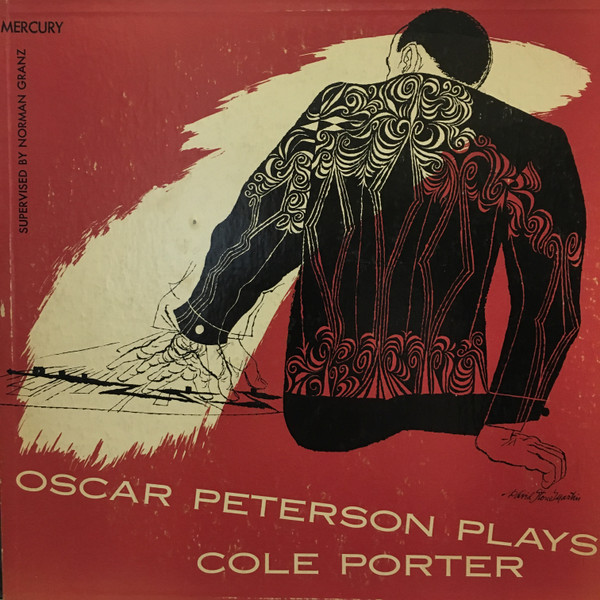
Oscar Peterson Plays Cole Porter
Release Date: 1953
Country: US
Tracklist
- What Is This Thing Called Love
- Begin The Beguine
- I've Got You Under My Skin
- Love For Sale
- Let's Do It
- I Love You
- So Near And Yet So Far
- Just One Of Those Things
- In The Still Of The Night
- Night And Day
- Every Time We Say Goodbye
- Anything Goes
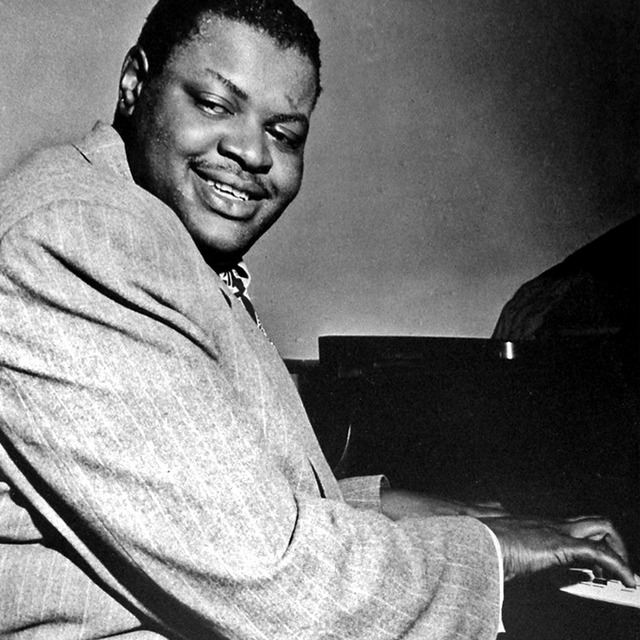
Oscar Peterson
Oscar Emmanuel Peterson (born August 15, 1925, in Montreal; died December 23, 2007, in Mississauga, Ontario) was a Canadian jazz pianist, composer, and bandleader. His father, Daniel Peterson, worked as a railway porter and was the family’s first music teacher. Oscar received rigorous classical training from Hungarian-born pianist Paul de Marky, then, after winning amateur competitions as a teenager, performed in clubs and on radio in Montreal and Toronto.
In 1949, producer Norman Granz arranged for Peterson to appear at Carnegie Hall with Jazz at the Philharmonic, and he became famous overnight. He then formed a duo with bassist Ray Brown and, in 1952, his first trio with guitarist Barney Kessel, later replaced by Herb Ellis. In 1953, he recorded a series of “songbook” albums for Clef and Mercury devoted to Cole Porter, George Gershwin, Duke Ellington, and Irving Berlin, reinterpreting the American popular songbook in a trio setting.
By the late 1950s, the trio had settled into piano, bass, and drums, with Ray Brown and Ed Thigpen. Night Train (1963) and We Get Requests (1965) are representative recordings. His signature language paired a steady left-hand swing with dense right-hand octaves and fast scales. He also worked extensively with trumpeter Dizzy Gillespie, saxophonist Stan Getz, and singer Ella Fitzgerald, and wrote original works including “Hymn to Freedom” and Canadiana Suite.
Peterson won eight Grammy Awards, was appointed to the Order of Canada, and was named an NEA Jazz Master. A stroke later limited his right-hand movement, but he continued performing and recording with his left hand. He died in 2007. Concordia University’s concert hall in Montreal bears his name, and his recordings remain standard study material for jazz pianists.
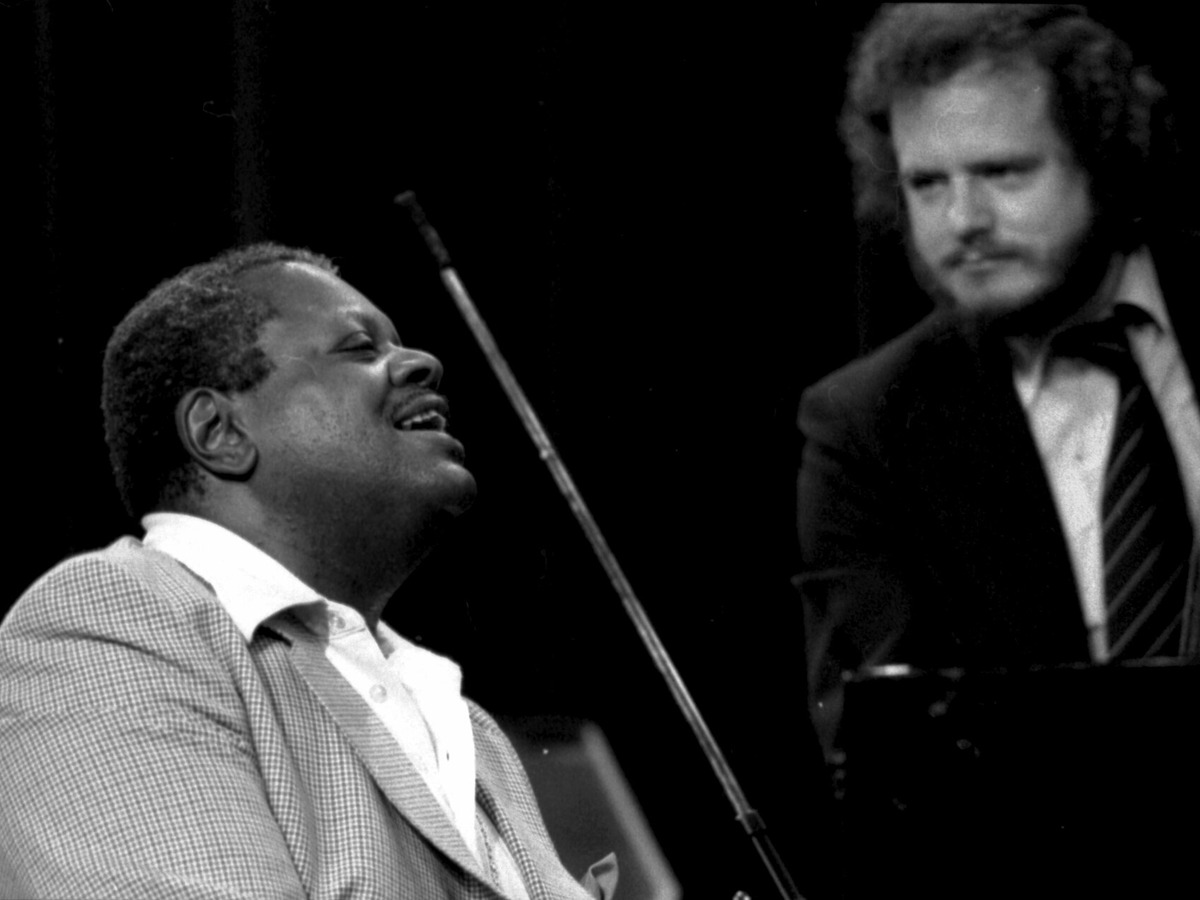
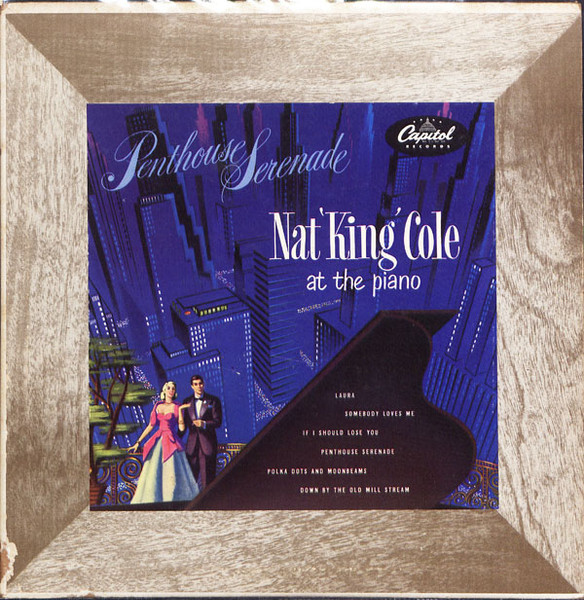
Penthouse Serenade
Release Date: 1952-09-00
Country: US
Tracklist
- Penthouse Serenade (When We're Alone)
- Somebody Loves Me
- Laura
- Once In A Blue Moon (Based On Rubinstein's Melody In F)
- Polka Dots And Moonbeams
- Down By The Old Mill Stream
- If I Should Lose You
- Rose Room
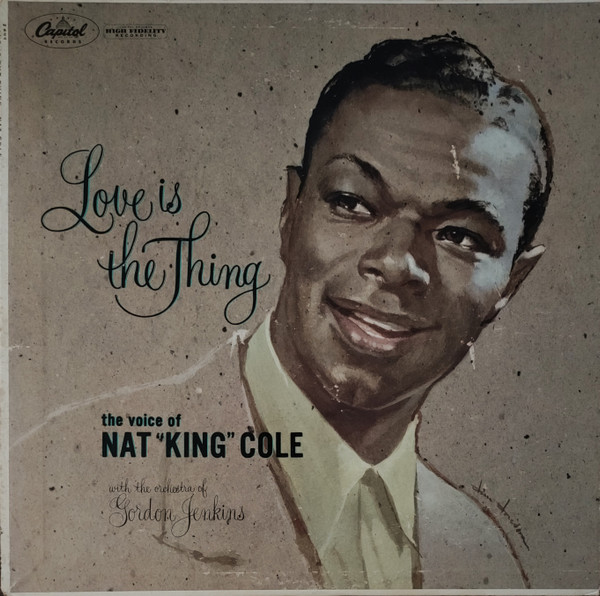
Love Is The Thing
Release Date: 1957-04-00
Country: US
Tracklist
- When I Fall In Love
- Stardust
- Stay As Sweet As You Are
- Where Can I Go Without You?
- Maybe It's Because I Love You Too Much
- Love Letters
- Ain't Misbehavin'
- I Thought About Marie
- At Last
- It's All In The Game
- When Sunny Gets Blue
- Love Is The Thing
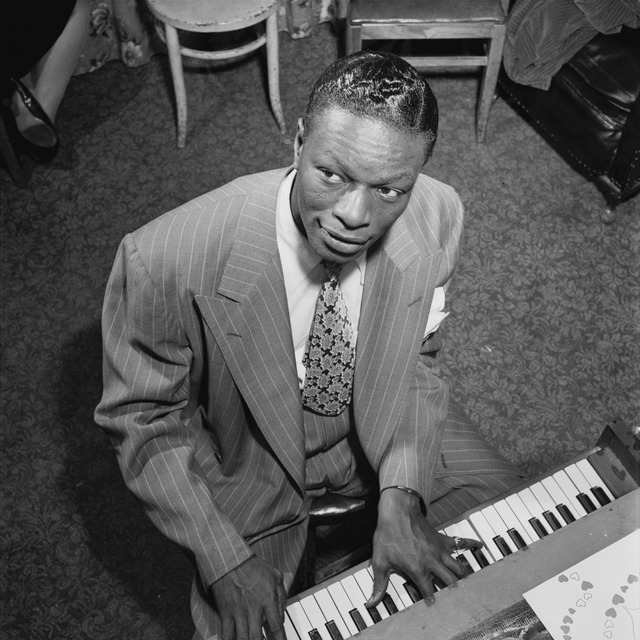
Nat King Cole
Nat King Cole (born Nathaniel Adams Coles on March 17, 1919, in Montgomery, Alabama; died February 15, 1965, in Santa Monica, California) was an American jazz pianist, singer, and actor. His father, Edward James Coles, was a Baptist minister, and his mother, Perlina, played organ at church. The family moved to Chicago when he was four. He studied piano and organ at church and was strongly influenced by stride pianist Earl Hines. As a teenager, he earned a living playing in clubs and touring bands.
In 1937, Cole formed the King Cole Trio in Los Angeles with guitarist Oscar Moore and bassist Wesley Prince. The piano-guitar-bass lineup, without drums, was imitated by countless groups that followed. His self-composed “Straighten Up and Fly Right” became a hit in 1943, followed by “Route 66” and “(I Love You) For Sentimental Reasons.” In the trio years, he was known for clean single-note lines, restrained harmony, and light swing.
From the late 1940s, his baritone voice took center stage. “Nature Boy” (1948), “Mona Lisa” (1950), which won the Academy Award for Best Original Song, and “Unforgettable” (1951) made him Capitol Records’ leading pop star. Fans nicknamed the company’s circular headquarters building “the House That Cole Built.” His string albums with arrangers Nelson Riddle, Billy May, and Gordon Jenkins brought jazz phrasing together with the lyrical reach of popular song. Love Is the Thing (1957) is among the best known.
In November 1956, NBC launched The Nat King Cole Show, making him the first African American to host a nationally televised variety program in the United States. It ended a year later after Southern television stations refused to carry it. Cole died of lung cancer in 1965 at age 45. In 1991, his daughter Natalie Cole used recording technology to “duet” with him on “Unforgettable,” winning a Grammy and bringing his voice to a new generation.
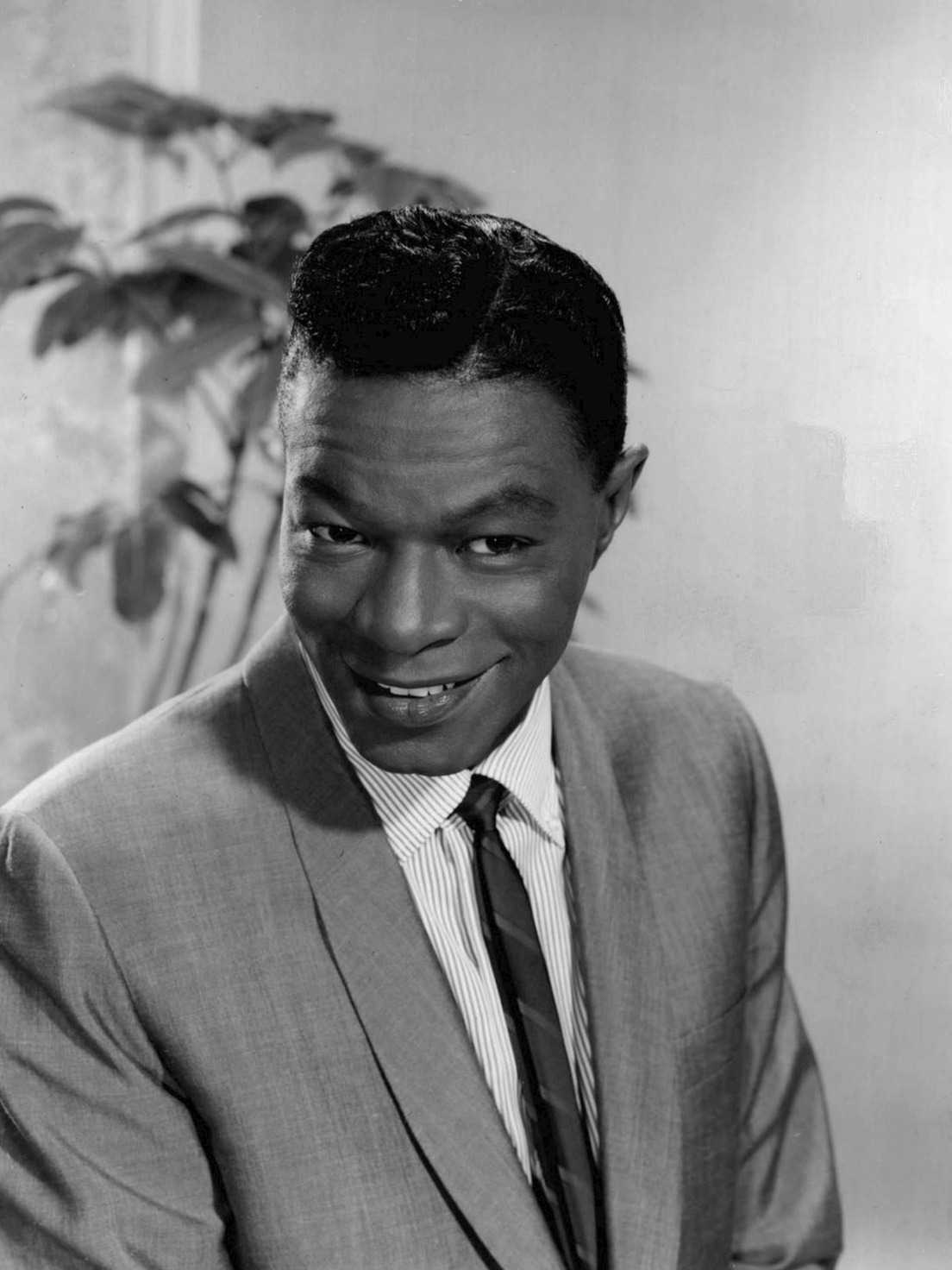
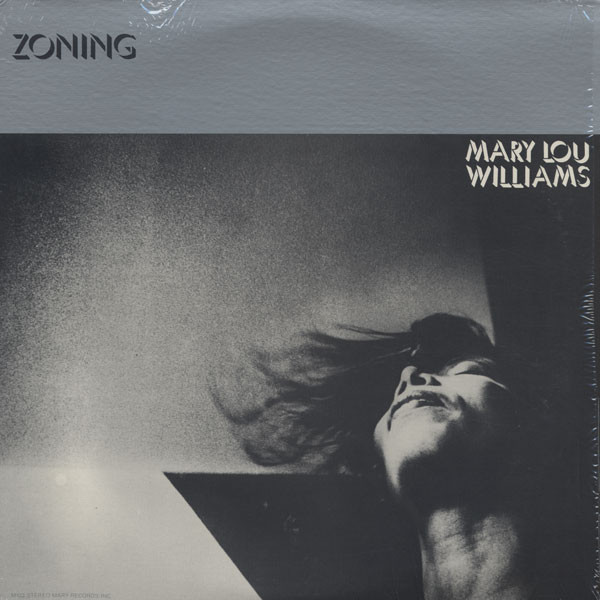


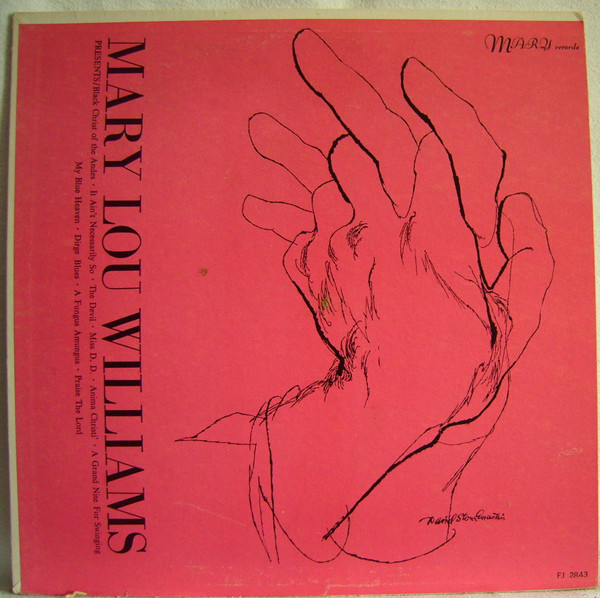
Mary Lou Williams
Release Date: 1964
Country: US
Tracklist
- Black Christ Of The Andes (St. Martin De Porres)
- It Ain't Necessarily So
- The Devil
- Miss D. D.
- Anima Christi
- A Grand Nite For Swinging
- My Blue Heaven
- Dirge Blues
- A Fungus Amungus
- Praise The Lord
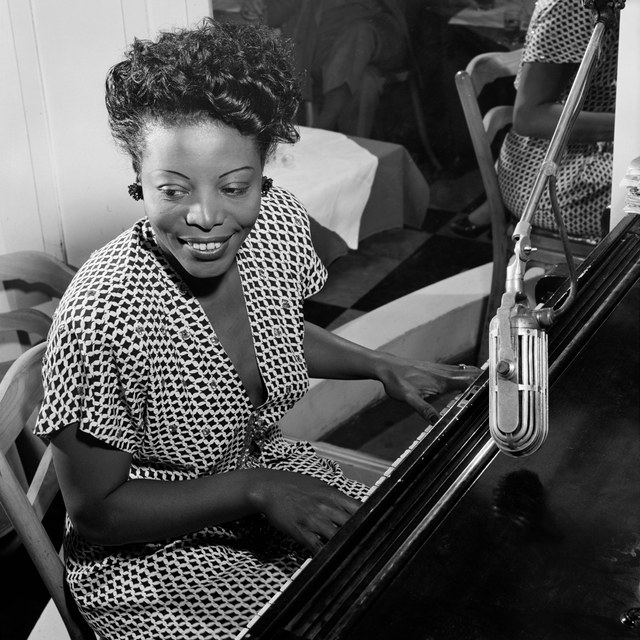
Mary Lou Williams
Mary Lou Williams (born Mary Elfrieda Scruggs on May 8, 1910, in Atlanta; died May 28, 1981, in Durham, North Carolina) was an American jazz pianist, composer, and arranger. She grew up in Pittsburgh’s East Liberty neighborhood and could reproduce tunes by ear as a child, earning the name “the little piano girl” from neighbors. As a teenager, she accompanied dancers and silent films in Pittsburgh bars and theaters, making her living as a musician while still young.
In 1925, she married saxophonist John Williams. In 1929, she began touring with Andy Kirk’s Twelve Clouds of Joy, becoming the Kansas City band’s pianist and principal arranger in the 1930s. Her arrangement of “Until the Real Thing Comes Along” became a hit in 1936, while “Walkin’ and Swingin’,” “Mary’s Idea,” and “Little Joe from Chicago” also came from this period. In an industry dominated by male arrangers, her success rested on precise control of voicing and dance rhythms.
In the 1940s, Williams settled in New York, reworked “Trumpet No End” for Duke Ellington, and wrote for Benny Goodman. Her Harlem apartment became a gathering and rehearsal place for young musicians such as Dizzy Gillespie, Thelonious Monk, Bud Powell, and Tadd Dameron, and is often considered one of the incubators of bebop. On December 31, 1945, she premiered Zodiac Suite, a twelve-part jazz suite based on the signs of the zodiac; she recorded it for Asch Records that year, making it one of jazz’s earliest works to treat an abstract theme as a suite.
Williams became a Catholic in 1954 and briefly stopped performing to focus on the relationship between faith and music. After returning in 1957, she turned toward religious and historical subjects. In 1964 she founded Mary Records and released Black Christ of the Andes with a choir; in 1970 she wrote Music for Peace; and in 1974 she recorded Zoning. Later, she was artist-in-residence at Duke University (1977–1981), presented jazz history in the 1978 work The History of Jazz, and left recordings including Live at the Cookery (1976) and Embraced (1978), made with Cecil Taylor.
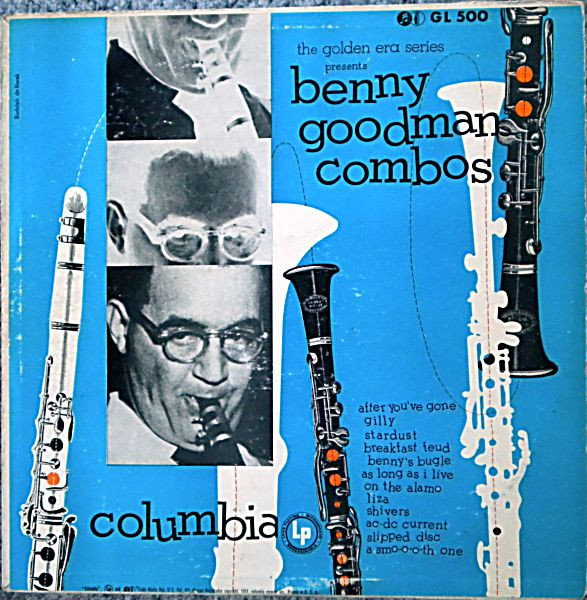
Benny Goodman Combos
Release Date: 1951-09-07
Country: US
Tracklist
- After You've Gone
- Stardust
- Benny's Bugle
- On The Alamo
- Shivers
- Slipped Disc
- A Smo-o-o-oth One
- AC-DC Current
- Liza
- As Long As I Live
- Breakfast Feud
- Gilly
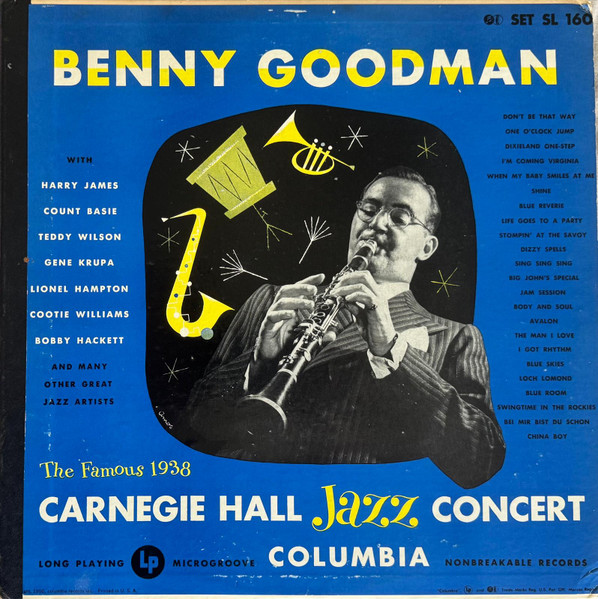
The Famous 1938 Carnegie Hall Jazz Concert
Release Date: 1950-12-00
Country: US
Tracklist
- Don't Be That Way
- One O'Clock Jump
- Dixieland One-Step
- I'm Coming Virginia
- When Baby Smiles At Me
- Shine
- Blue Reverie
- Life Goes To A Party
- Honeysuckle Rose
- Body And Soul
- Avalon
- The Man I Love
- I Got Rhythm
- Blue Skies
- Loch Lomond
- Blue Room
- Swingtime In The Rockies
- Bei Mir Bist Du Schön
- China Boy
- Stompin' At The Savoy
- Dizzy Spells
- Sing Sing Sing
- Big John's Special
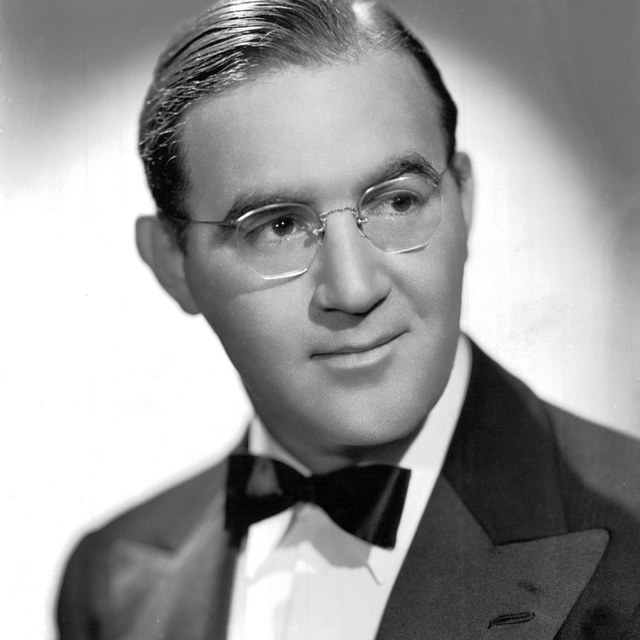
Benny Goodman
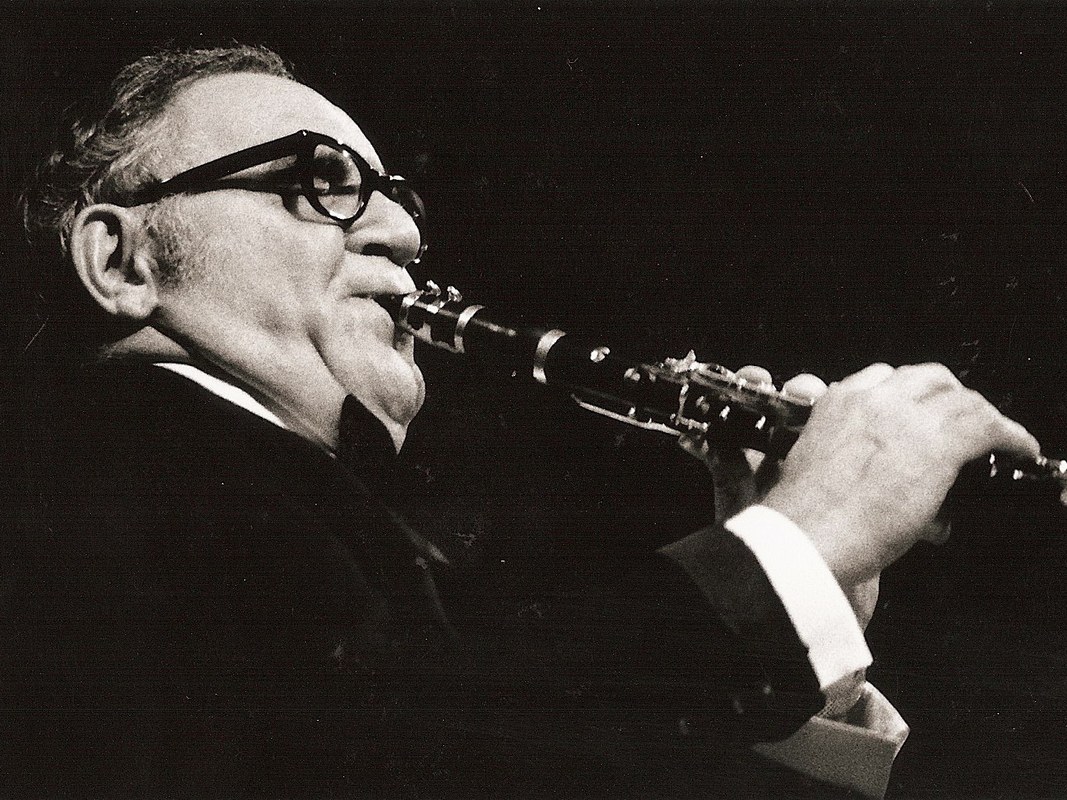
Benjamin David “Benny” Goodman (born May 30, 1909, in Chicago; died June 13, 1986, in New York) was an American clarinetist and bandleader known as the “King of Swing.” He was the ninth of twelve children in a Polish-Jewish immigrant family. His father, David Goodman, was a tailor. At ten, Benny began clarinet lessons at Chicago’s Kehelah Jacob synagogue; two years later, he studied with Franz Schoepp, principal clarinetist of the Chicago Symphony Orchestra. He left school at fourteen to join Ben Pollack’s band, moved to New York in 1929, and soon became one of the busiest studio clarinetists, recording with groups such as Red Nichols’s Five Pennies.
In 1934, Goodman formed his own big band and became a regular performer on the NBC radio program Let’s Dance, bringing carefully written arrangements and popular melodies into homes nationwide. The band’s performance at Los Angeles’s Palomar Ballroom on August 21, 1935, is often considered the start of the Swing Era: young listeners’ enthusiasm for the dance music made the band a national sensation overnight. On January 16, 1938, Goodman’s band played Carnegie Hall—the first jazz concert at the venue. Columbia’s 1950 release of the performance, The Famous 1938 Carnegie Hall Jazz Concert, remains a major jazz document.
Goodman was also a pioneer of racial integration. In 1935 he formed a trio with Black pianist Teddy Wilson and drummer Gene Krupa; vibraphonist Lionel Hampton joined in 1936 to make it a quartet. They were among the first interracial jazz groups to perform publicly. In 1939, guitarist Charlie Christian joined the sextet, bringing the electric guitar to the front as a solo instrument and directly influencing bebop and rhythm and blues.
Goodman’s repertoire also included classical music: Mozart’s Clarinet Quintet, Bartók’s Contrasts, commissioned with violinist Joseph Szigeti in 1938, and the clarinet concerto Aaron Copland dedicated to him in 1948. After the war, he mainly led small groups and all-star tours. B.G. in Hi-Fi (1955) documents his Capitol stereo period. He led a tour of the Soviet Union in 1962 and died of cardiac arrest in New York on June 13, 1986.
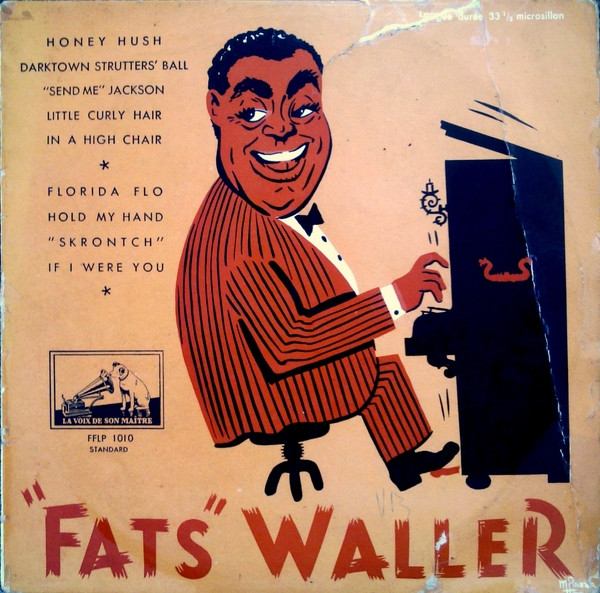
"Fats" Waller And His Rhythm
Release Date: 1953
Country: France
Tracklist
- Honey Hush
- Darktown Strutters' Ball
- "Send Me" Jackson
- Little Curly Hair In A High Chair
- Florida Flo
- Hold My Hand
- "Skrontch"
- If I Were You
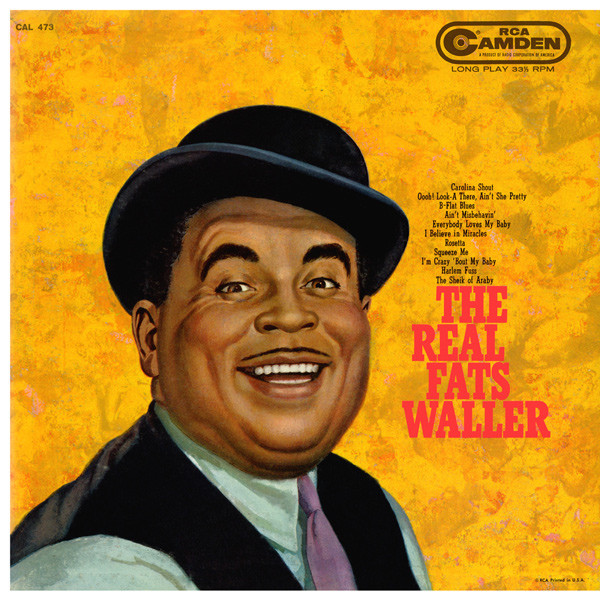
The Real Fats Waller
Release Date: 1959
Country: US
Tracklist
- The Sheik Of Araby (2:55)
- Carolina Shout (2:20)
- Oooh! Look-A There, Ain't She Pretty (2:34)
- B-Flat Blues (3:15)
- Ain't Misbehavin' (I'm Savin' My Love For You) (3:55)
- Everybody Loves My Baby (But My Baby Don't Love Nobody But Me) (2:58)
- I Believe In Miracles (2:54)
- Rosetta (2:58)
- (When You) Squeeze Me (3:09)
- Crazy 'Bout My Baby (2:52)
- Harlem Fuss (3:23)
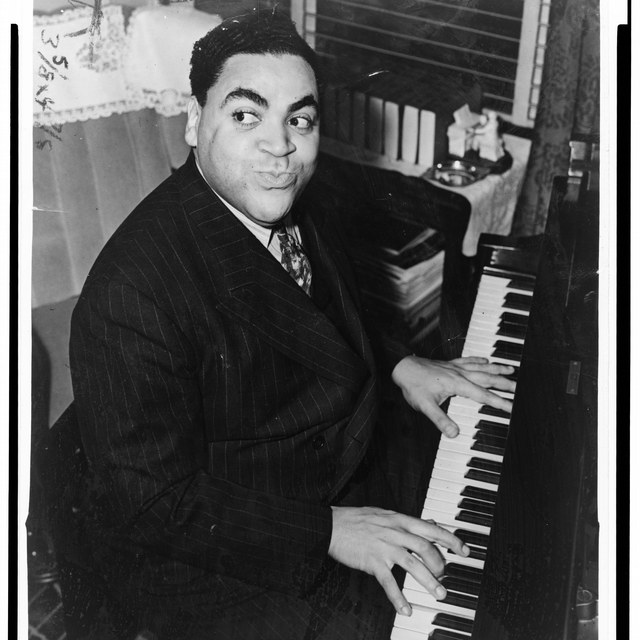
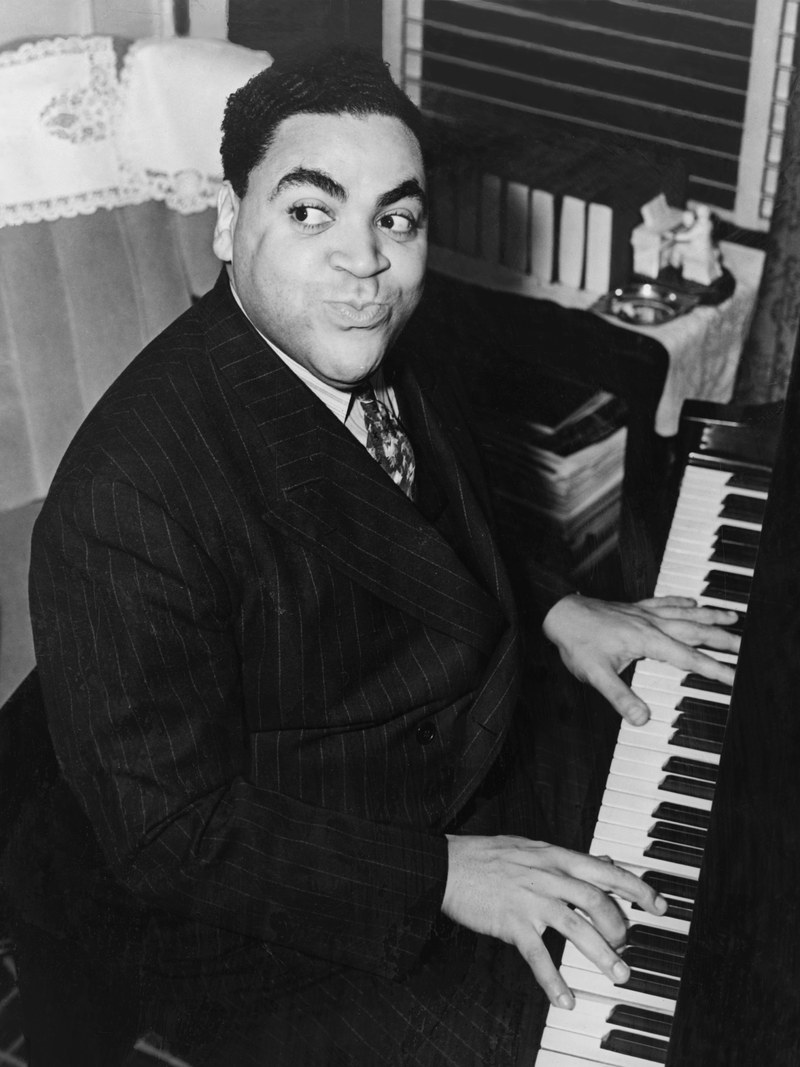
Fats Waller
Thomas “Fats” Waller (born May 21, 1904, in Harlem, New York; died December 15, 1943, aboard a train near Kansas City) was an American jazz pianist, organist, composer, and singer, and one of the brightest representatives of stride piano. He was the youngest of four children. His father, Edward Martin Waller, was a Baptist minister; his mother, Adaline Locket Waller, played organ at church. Waller began piano at six, studied stride left-hand technique with master James P. Johnson as a teenager, and at fifteen became organist at Harlem’s Lincoln Theatre, accompanying silent films and vaudeville acts.
In the early 1920s, Waller began making piano-solo records for labels such as OKeh. In 1926, he was caught up in a sensational kidnapping in Chicago; a few days later, he turned up safe at a restaurant and completed a performance that had already been scheduled. In 1929, he wrote for the Broadway musical Hot Chocolates with lyricist Andy Razaf and composer Harry Brooks, including “Ain’t Misbehavin’.” Songs such as “Honeysuckle Rose,” “Squeeze Me,” “Black and Blue,” and “Keeping Out of Mischief Now” soon became jazz standards. “Jitterbug Waltz” (1942) showed his openness to new harmonies and triple-meter waltz.
Beginning in 1934, Waller recorded hundreds of small-group sides for Victor (RCA) as Fats Waller and His Rhythm, blending piano solos, ensemble swing, and comic singing. “Your Feet’s Too Big” and “The Joint Is Jumpin’” made him a household entertainer across the United States. In 1938, he toured Europe and recorded a solo London Suite in London. He also appeared in films including Hooray for Love (1935), King of Burlesque (1936), and Stormy Weather (1943).
On December 15, 1943, Waller died at only 39 aboard the Santa Fe train while traveling from Los Angeles to New York. His influence continued to grow: his piano language passed through Art Tatum and Count Basie to later mainstream jazz pianists. The 1978 Broadway musical Ain’t Misbehavin’, built around his songs, won the Tony Award for Best Musical, and his recordings have entered the Grammy Hall of Fame.
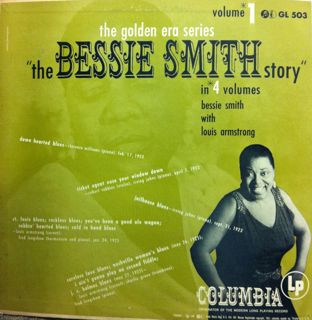
The Bessie Smith Story - Volume 1
Release Date: 1951-11-16
Country: US
Tracklist
- St. Louis Blues
- I Ain't Gonna Play No Second Fiddle
- You've Been A Good Ole Wagon
- Sobbin' Hearted Blues
- Reckless Blues
- J.C. Holmes Blues
- Careless Love Blues
- Cold In Hand Blues
- Nashville Woman's Blues
- Jailhouse Blues
- Ticket Agent Ease Your Window Down
- Down Hearted Blues
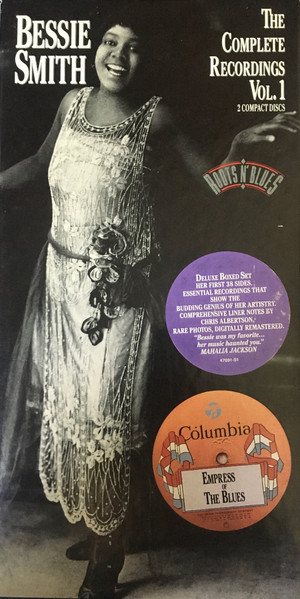
The Complete Recordings Vol. 1
Release Date: 1991
Country: US
Tracklist
- Down Hearted Blues (3:25)
- Gulf Coast Blues (3:04)
- Aggravatin' Papa (3:16)
- Beale Street Mama (3:35)
- Baby Won't You Please Come Home (2:55)
- Oh Daddy Blues (3:05)
- 'Tain't Nobody's Bizness If I Do (3:26)
- Keeps On A-Rainin' (Papa, He Can't Make No Time) (3:07)
- Mama's Got The Blues (2:56)
- Outside Of That (3:27)
- Bleeding Hearted Blues (3:06)
- Lady Luck Blues (3:07)
- Yodling Blues (3:11)
- Midnight Blues (3:17)
- If You Don't, I Don't Know Who Will (3:35)
- Nobody In Town Can Bake A Sweet Jelly Roll Like Mine (3:31)
- Jail-House Blues (3:13)
- St. Louis Gal (3:27)
- Sam Jones Blues (2:47)
- Graveyard Dream Blues (2:43)
- Cemetery Blues (3:29)
- Far Away Blues (2:59)
- I'm Going Back To My Used To Be (2:53)
- Whoa, Tillie, Take Your Time (3:10)
- My Sweetie Went Away (3:11)
- Any Woman's Blues (3:25)
- Chicago Bound Blues (3:16)
- Mistreating Daddy (3:17)
- Frosty Morning Blues (3:13)
- Haunted House Blues (3:29)
- Eavesdropper's Blues (3:10)
- Easy Come, Easy Go Blues (3:08)
- Sorrowful Blues (3:17)
- Pinchbacks- Take 'Em Away (3:14)
- Rocking Chair Blues (3:14)
- Ticket Agent, Ease Your Window Down (3:18)
- Boweavil Blues (2:51)
- Hateful Blues (3:08)
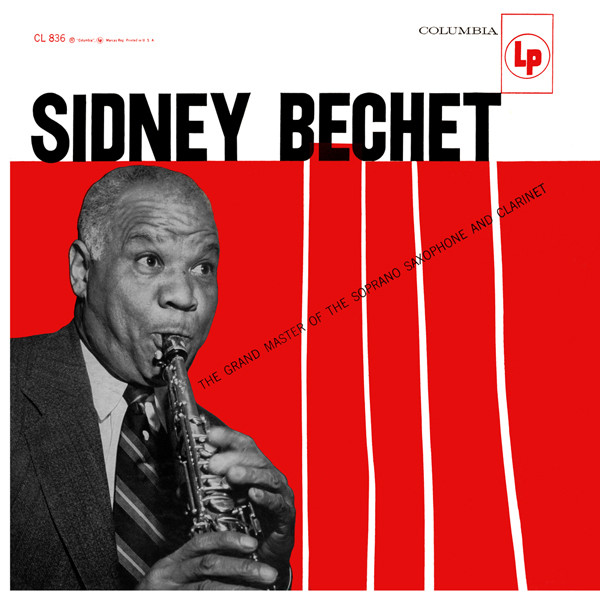
The Grand Master Of The Soprano Saxophone And Clarinet
Release Date: 1956
Country: US
Tracklist
- Love For Sale
- I Had It, But It's All Gone Now
- Jungle Drums
- Buddy Bolden Stomp
- My Woman's Blues
- Polka Dot Stomp
- Laura
- Just One Of Those Things
- Kansas City Man Blues
- Shake 'Em Up
- Chant In The Night
- The Song Of Songs
- What A Dream
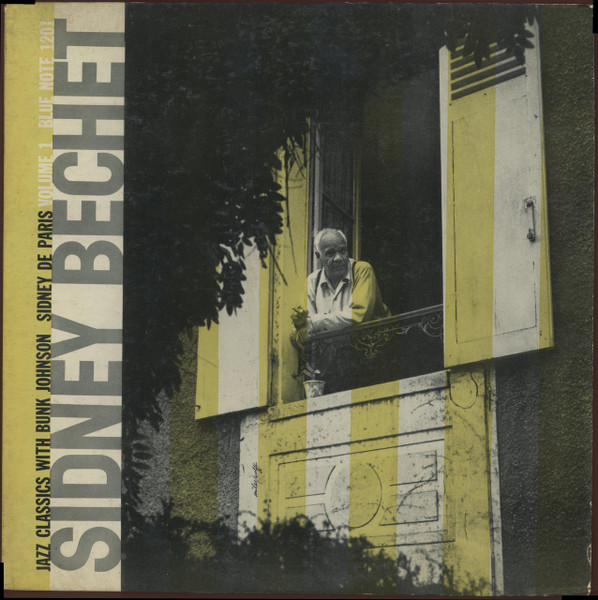
Jazz Classics Volume 1
Release Date: 1955
Country: US
Tracklist
- Muskrat Ramble
- Blue Horizon
- Weary Blues
- Summertime
- Blame It On The Blues
- Milenberg Joys
- Days Beyond Recall
- Salty Dog
- Dear Old Southland
- Weary Way Blues
Sidney Bechet
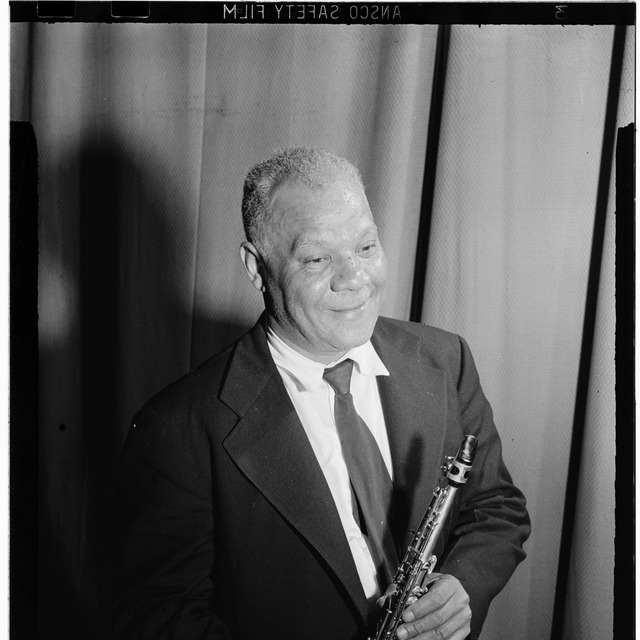
Sidney Bechet was born in New Orleans on May 14, 1897, and died outside Paris on May 14, 1959. He came from a Creole family: his grandfather Omar had been born into slavery, and his older brother Leonard played trombone. As a child, Bechet grew up amid the sounds of parade bands and dance halls. In his teens, he learned clarinet from older musicians such as Freddie Keppard and Bunk Johnson. He was among the first jazz musicians to treat the clarinet as a solo instrument rather than a decorative ensemble voice, and he helped bring the soprano saxophone back into jazz.
In 1919, Bechet went to Europe with Will Marion Cook’s Southern Syncopated Orchestra, spending more than a year in London and Paris. That year, the Swiss conductor Ernest Ansermet wrote in Revue Romande that Bechet might be “the very soul of the orchestra,” comparing his improvisation to the structural sense of classical composers. It was the first time a jazz soloist received serious critical attention, nine years before Louis Armstrong’s “West End Blues.” Back in the United States in the 1920s, Bechet worked in Chicago with Clarence Williams’s Blue Five and recorded with the young Armstrong on “Texas Moaner Blues” and “Cake Walking Babies from Home.” The clashes between their two horns are among early jazz’s most powerful recordings.
Bechet spent much of the 1930s in Europe with Noble Sissle’s band and also ran a tailor shop. In 1932, he recorded “The Sheik of Araby” alone, overdubbing clarinet, saxophone, piano, and drums to create a one-man band—one of jazz’s earliest multitrack recordings. He repeated the process on “Blues of Bechet” in 1938. Beginning in 1939, his Blue Note recordings, including “Summertime” and “Blues in Thirds,” as well as his work with Muggsy Spanier, condensed New Orleans collective improvisation into small-group chamber jazz and became models for the traditional-jazz revival.
In 1945, Bechet took the young clarinetist Bob Wilber as a student. They played together at Jimmy Ryan’s club in New York; Wilber later documented their teacher-student relationship in detail. Bechet performed with Claude Luter’s band in Paris in 1949 and received an almost feverish welcome. In 1950, he settled in France, married Jacqueline, and devoted the rest of his life to European audiences. “Petite Fleur,” recorded in 1952, sold millions of copies in Europe, becoming one of the most successful jazz singles on the continent. “Les Oignons” became a staple of French New Orleans jazz.
Bechet died of cancer in Garches in 1959 and was buried in Antibes. A bronze statue stands on the Antibes–Juan-les-Pins waterfront, and the town’s jazz festival bears his name. In 2001, he was added to the U.S. National Recording Registry. His playing is known for its wide vibrato, slides, and phrasing close to the human voice. He showed that a woodwind instrument could tell a complete story without harmonic support, a path later followed by John Coltrane and generations of saxophonists who treated the instrument as a voice.
Jelly Roll Morton: 1926-1930
Release Date: 2000-09-12
Country: UK
Tracklist
- Black Bottom Stomp
- Smoke House Blues
- The Chant
- Sidewalk Blues
- Dead Man Blues
- Steamboat Stomp
- Someday Sweetheart
- Grandpa's Spells
- Original Jelly Roll Blues
- Doctor Jazz
- Cannonball Blues
- Hyena Stomp
- Billy Goat Stomp
- Wild Man Blues
- Jungle Blues
- Beale Street Blues
- The Pearls
- Wolverine Blues
- Mr. Jelly Lord
- Red Hot Pepper
- Deep Creek
- Pep
- Seattle Hunch
- Frances (Fat Frances)
- Freakish
- Burnin' The Iceberg
- Courthouse Bump
- Pretty Lil
- Sweet Aneta Mine
- New Orleans Bump (Monrovia)
- Down My Way
- Try Me Out
- Tank Town Bump
- Sweet Peter
- Jersey Joe
- Mississippi Mildred
- Mint Julep
- Smilin' The Blues Away
- Turtle Twist
- My Little Dixie Home
- That's Like It Ought To Be
- Each Day
- If Someone Would Only Love Me
- That'll Never Do
- I'm Looking For A Little Bluebird
- Little Lawrence
- Harmony Blues
- Fussy Mabel
- Ponchatrain
- Oil Well
- Load Of Coal (Load Of Cole)
- Crazy Chords
- Primrose Stomp
- Low Gravy
- Strokin' Away
- Blue Blood Blues
- Mushmouth Shuffle
- Gambling Jack
- Fickle Fay Creep
- The Chant
- Sidewalk Blues
- Dead Man Blues
- Someday Sweetheart
- Grandpa's Spells
- Original Jelly Roll Blues
- Cannonball Blues
- Hyena Stomp
- Billy Goat Stomp
- Wild Man Blues
- Jungle Blues
- Beale Street Blues
- The Pearls
- Wolverine Blues
- Georgia Swing
- Kansas City Stomps
- Shoe Shiner's Drag
- Boogaboo
- Shreveport
- Mournful Serenade
- Shreveport
- Seattle Hunch
- Freakish
- Burnin' The Iceberg
- Courthouse Bump
- Pretty Lil
- Sweet Aneta Mine
- New Orleans Bump (Monrovia)
- Tank Town Bump
- Sweet Peter
- Jersey Joe
- Mississippi Mildred
- Each Day
- Oil Well
- Load Of Coal (Load Of Cole)
- Crazy Chords
- Primrose Stomp
- Strokin' Away
- Blue Blood Blues
- Gambling Jack
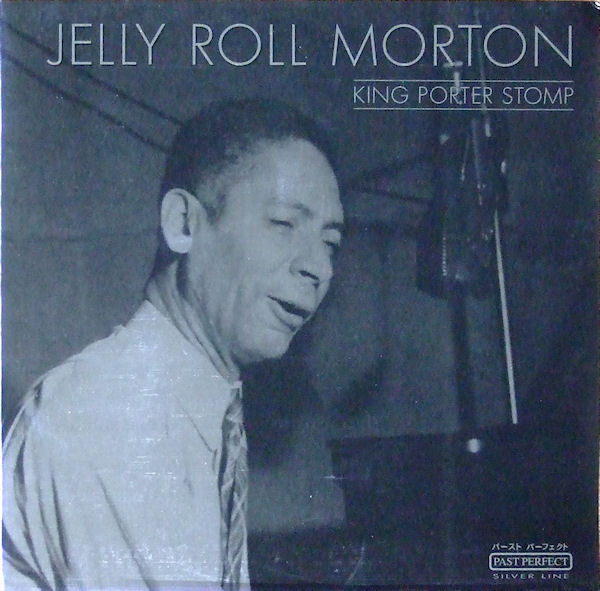
King Porter Stomp
Release Date: 2000
Country: Germany
Tracklist
- That'll Never Do (2:56)
- I'm Looking For A Little Blue Bird (2:53)
- Each Day (2:56)
- If Someone Would Only Love Me (3:40)
- Little Lawrence (2:57)
- Ponchatrain (2:55)
- Harmony Blues (3:31)
- Fussy Mabel (3:18)
- Load Of The Coal (3:00)
- Oil Well (2:41)
- Smillin' The Blues Away (2:52)
- Blue Blood Blues (2:59)
- Mamie's Blues (2:38)
- King Porter Stomp (2:48)
- West End Blues (2:50)
- High Society (2:47)
- Ballin' The Jack (2:16)
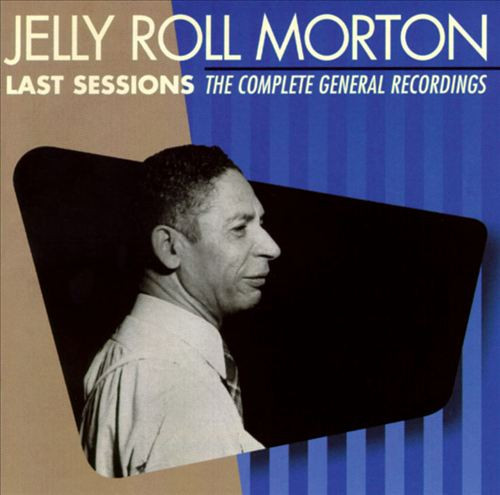
Last Sessions (The Complete General Recordings)
Release Date: 1997
Country: US
Tracklist
- Sporting House Rag (Perfect Rag) (2:18)
- Original Rags (2:48)
- The Crave (3:04)
- The Naked Dance #2 (2:49)
- Mister Joe (2:49)
- King Porter Stomp (2:50)
- Winin' Boy Blues (2:55)
- Animule Dance (2:47)
- Buddy Bolden's Blues (I Thought I Heard Buddy Bolden Say) (2:46)
- The Naked Dance (2:50)
- Don't You Leave Me Here (2:51)
- Mamie's Blues (2:44)
- Michigan Water Blues (3:01)
- Sweet Subsitute (2:52)
- Panama (2:29)
- Good Old New York (2:44)
- Big Lip Blues (3:10)
- Why? (2:48)
- Get The Bucket (2:57)
- If You New (2:50)
- Shake It (2:49)
- Dirty, Dirty, Dirty (2:50)
- Swinging The Elks (2:50)
- Mama's Got A Baby (2:39)
- My Home Is In A Southern Town (2:45)
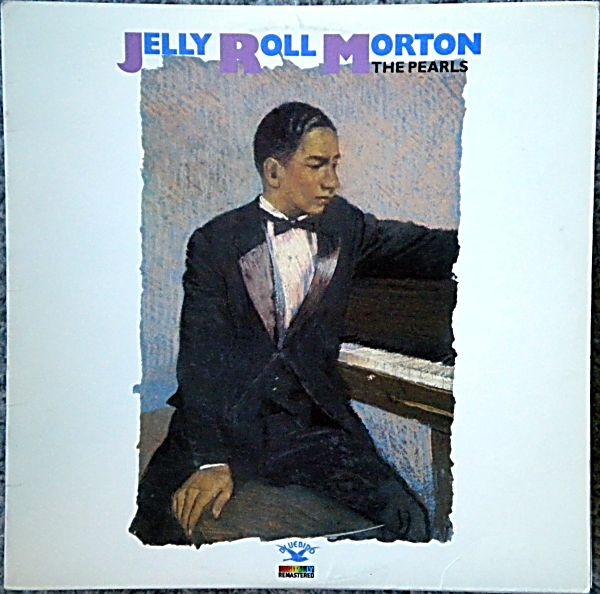
The Pearls
Release Date: 1988
Country: US
Tracklist
- Black Bottom Stomp (3:08)
- Smokehouse Blues (3:25)
- The Chant (3:12)
- Sidewalk Blues (3:31)
- Dead Man Blues (3:14)
- Steamboat Stomp (3:06)
- Grandpa's Spells (2:52)
- Original Jelly Roll Blues (2:57)
- Doctor Jazz (3:23)
- Cannon Ball Blues (2:50)
- The Pearls (3:24)
- Wolverine Blues (3:23)
- Mr. Jelly Lord (2:49)
- Georgia Swing (2:26)
- Kansas City Stomps (2:52)
- Mournful Serenade (3:25)
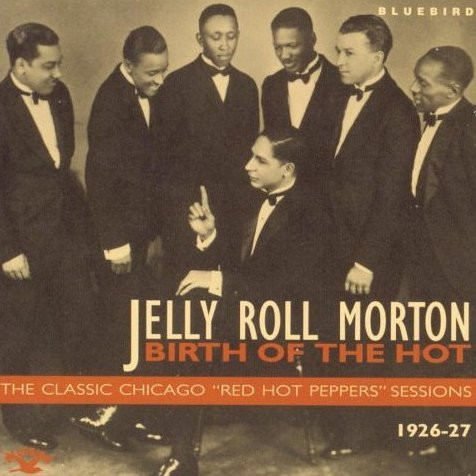
Birth Of The Hot - The Classic Chicago "Red Hot Peppers" Sessions (1926-1927)
Release Date: 1995
Country: US
Tracklist
- Black Bottom Stomp (3:13)
- Smoke House Blues (3:27)
- The Chant (3:12)
- Sidewalk Blues [Take 3] (3:29)
- Dead Man Blues [Take 1] (3:14)
- Steamboat Stomp (3:04)
- Someday Sweetheart (3:29)
- Grandpa's Spells [Take 3] (2:53)
- Original Jelly-Roll Blues (3:04)
- Doctor Jazz (3:24)
- Cannon Ball Blues [Take 2] (3:31)
- Hyena Stomp (3:09)
- Billy Goat Stomp (3:30)
- Wild Man Blues (3:08)
- Jungle Blues (3:26)
- Beale Street Blues (3:15)
- The Pearls (3:25)
- Wolverine Blues (3:19)
- Mr. Jelly Lord (2:52)
- Sidewalk Blues [Take 2] (3:33)
- Dead Man Blues [Take 2] (3:18)
- Grandpa's Spells [Take 2] (2:54)
- Cannon Ball Blues [Take 1] (2:51)
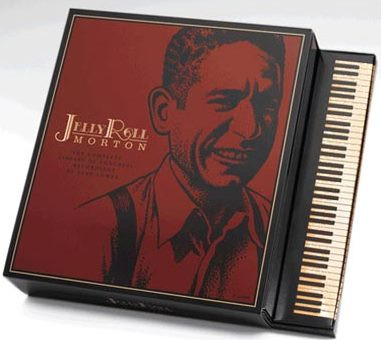
The Complete Library Of Congress Recordings By Alan Lomax
Release Date: 2005
Country: US
Tracklist
- The Story Of Alabama Bound (4:03)
- Time In Mobile (4:13)
- King Porter Stomp (4:06)
- The Story Of King Porter Stomp (3:53)
- Jelly Roll's Background (4:22)
- Music Lessons (4:05)
- Miserere (4:05)
- The Stomping Grounds (4:15)
- The Style Of Sammy Davis (4:17)
- Tony Jackson Was The Favorite / Dope, Crown, And Opium (4:00)
- Poor Alfred Wilson (4:02)
- Honky Tonk Blues (4:20)
- New Orleans Was A Free And Easy Place (4:06)
- The Story Of Aaron Harris, Pt. 1 (4:06)
- The Story Of Aaron Harris, Pt. 2 (4:05)
- Aaron Harris's Hoodoo Woman & The Hat That Started A Riot (4:10)
- The 1900 New Orleans Riot, Pt. 1 & The Song Of Robert Charles (4:04)
- The 1900 New Orleans Riot, Pt. 2 & Game Kid Blues, Pt. 1 (4:04)
- Game Kid Blues, Pt. 2 (3:57)
- New Orleans Funerals (4:17)
- Funeral Marches (4:11)
- Oh! Didn't He Ramble (4:07)
- Tiger Rag, 3rd, 4th And 5th Strains (4:02)
- Tiger Rag (4:02)
- The Right Tempo Is The Accurate Tempo (4:39)
- Jazz Discords & The Story Of Kansas City Stomp (4:31)
- Kansas City Stomp (4:34)
- Slow Swing & Sweet Jazz Music (4:32)
- Salty Dog (4:22)
- Hesitation Blues (4:30)
- My Gal Sal (3:51)
- The St. Louis Scene (4:09)
- Maple Leaf Rag (4:19)
- Jelly Roll Carves St. Louis, Pt. 1 (4:19)
- Jelly Roll Carves St. Louis, Pt. 2 (4:23)
- New Orleans Blues (3:58)
- Winin' Boy Blues, Pt. 1 (3:45)
- Winin' Boy Blues, Pt. 2 (4:24)
- The Anamule Dance, Pt. 1 (3:46)
- The Anamule Dance, Pt. 2 (4:19)
- The Great Buddy Bolden, Pt. 1 (4:11)
- The Great Buddy Bolden, Pt. 2 (4:11)
- Mr. Jelly Lord (4:09)
- How Jelly Roll Got His Name (4:14)
- Original Jelly Roll Blues (4:09)
- Honky Tonk Blues & Old-Time Honky Tonks (4:07)
- Real Tough Boys (4:31)
- Sporting Attire (4:33)
- Sweet Mamas And Sweet Papas (4:20)
- See See Rider (4:24)
- Parading With The Broadway Swells (4:22)
- Fights And Weapons (4:27)
- Luis Russell And New Orleans Riffs (4:25)
- Jelly's Travels: From Yazoo To Clarksdale (4:14)
- Jelly's Travels: From Clarksdale To Helena (4:34)
- Jelly's Travels: From Helena To Memphis (4:23)
- In Memphis: The Monarch Saloon & Benny Frenchy (4:24)
- Benny Frenchy's Tune (4:23)
- Make Me A Pallet On The Floor, Pt. 1 (4:15)
- Make Me A Pallet On The Floor, Pt. 2 (4:14)
- Make Me A Pallet On The Floor, Pt. 3 (4:14)
- Make Me A Pallet On The Floor, Pt. 4 (4:35)
- The Dirty Dozen (4:30)
- The Murder Ballad, Pt. 1 (4:01)
- The Murder Ballad, Pt. 2 (4:17)
- The Murder Ballad, Pt. 3 (4:27)
- The Murder Ballad, Pt. 4 (4:18)
- The Murder Ballad, Pt. 5 (4:12)
- The Murder Ballad, Pt. 6 (4:24)
- The Murder Ballad, Pt. 7 (4:30)
- Fickle Fay Creep (3:14)
- Jungle Blues (3:45)
- King Porter Stomp (2:55)
- Sweet Peter (3:04)
- Hyena Stomp (3:33)
- Wolverine Blues, Pt. 1 (3:45)
- Wolverine Blues, Pt. 2 (4:00)
- State And Madison (3:44)
- The Pearls, Pt. 1 (3:29)
- The Pearls, Pt. 2 (3:35)
- Bert Williams (3:41)
- Freakish (3:59)
- Pep (3:32)
- The Georgia Skin Game, Pt. 1 (3:54)
- The Georgia Skin Game, Pt. 2 (3:03)
- The Georgia Skin Game, Pt. 3 (3:19)
- Ungai Hai, The Sign Of The Indians (4:09)
- New Orleans Blues (4:07)
- The Spanish Tinge (4:13)
- Improving Spanish Tempos (4:06)
- Creepy Feeling (4:19)
- The Crave (4:31)
- Mamanita (4:07)
- If You Don't Shake, You Don't Get No Cake (4:21)
- Spanish Swat (4:12)
- Ain't Misbehavin' (4:12)
- I Hate A Man Like You / Rolling Stuff (4:11)
- Michigan Water Blues (3:52)
- Winin' Boy Blues, Pt. 1 (4:08)
- Winin' Boy Blues, Pt. 2 (4:15)
- Boogie Woogie Blues (4:21)
- Buddy Bertrand's Blues (4:25)
- When The Hot Stuff Came In (8:40)
- The First Hot Arrangements (9:02)
- The Pensacola Kid & The Cadillac Café (8:00)
- At The Cadillac Café, Los Angeles (9:56)
- Little Liza Jane (9:54)
- In The Publishing Business (8:50)
- Selections From The 1949 New Orleans Jazz Interviews
- Original Jelly Roll Blues (1:51)
- Jelly Roll's Early Playing Days (1:22)
- Hot Bands & Creole Tunes (4:29)
- Eh, La Bas (2:02)
- Old-Time Creole Musicians (3:32)
- Playing Hot With Buddy Bolden (3:17)
- High Society (2:15)
- Sporting Life Costumes (1:38)
- Buddy Bolden (2:23)
- Creoles Playing With Negroes (4:28)
- Jelly Roll's Compositions (3:22)
- Johnny St. Cyr Learns To Play Guitar (2:20)
- Guitar Blues (2:17)
- Bad Men And Pimps (3:38)
- The Story Of The Coon Blues (1:33)
- Coon Blues (2:22)
- Jazz Is Just A Make-Up (5:25)
- Young Sidney Bechet (3:40)
- The Main Idea In Jazz (3:23)
- A Little Tale Of Jelly Roll Morton (6:17)
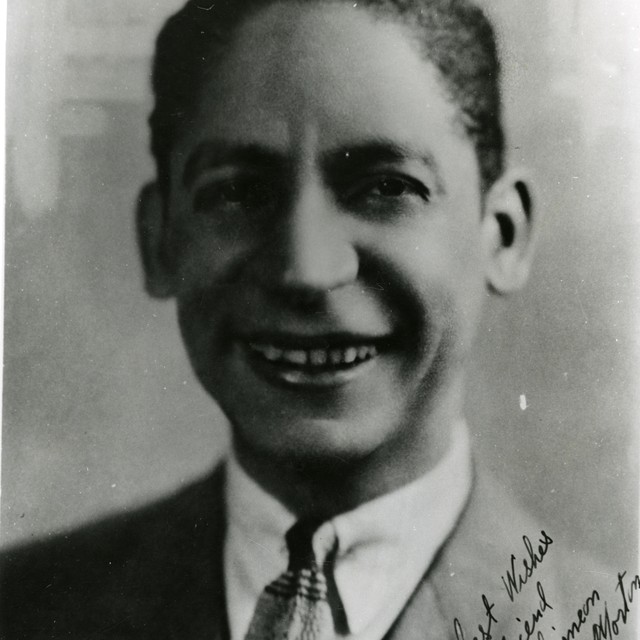
Jelly Roll Morton
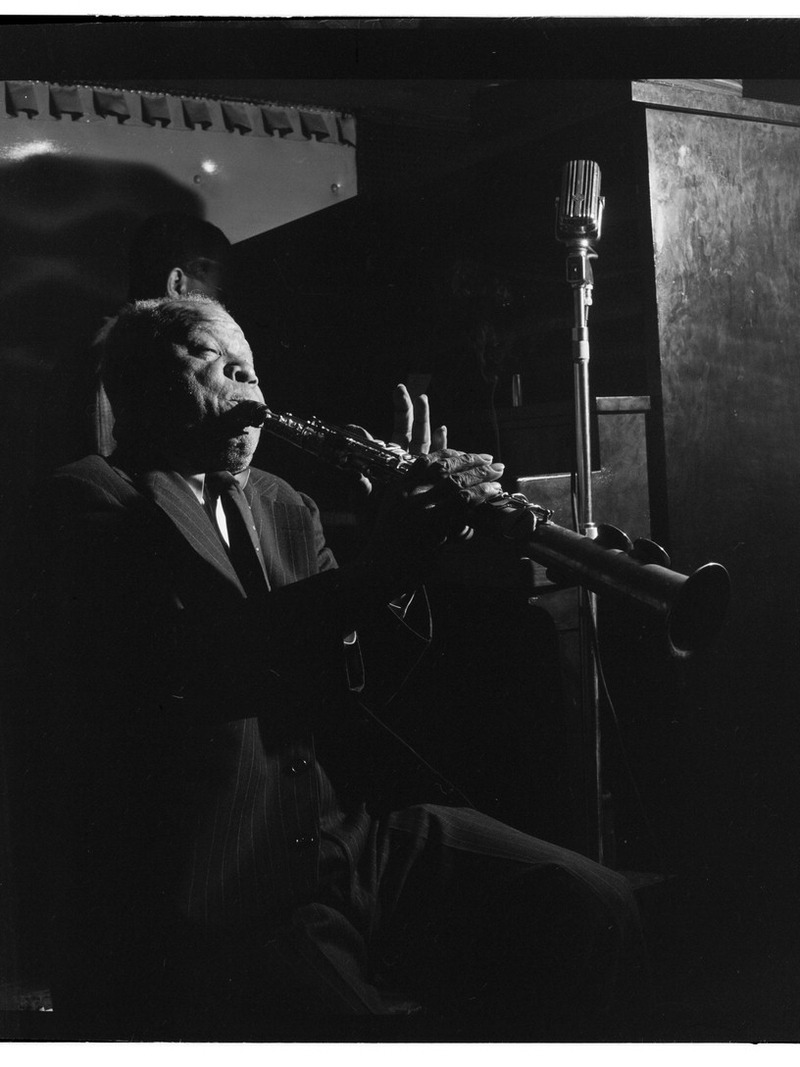
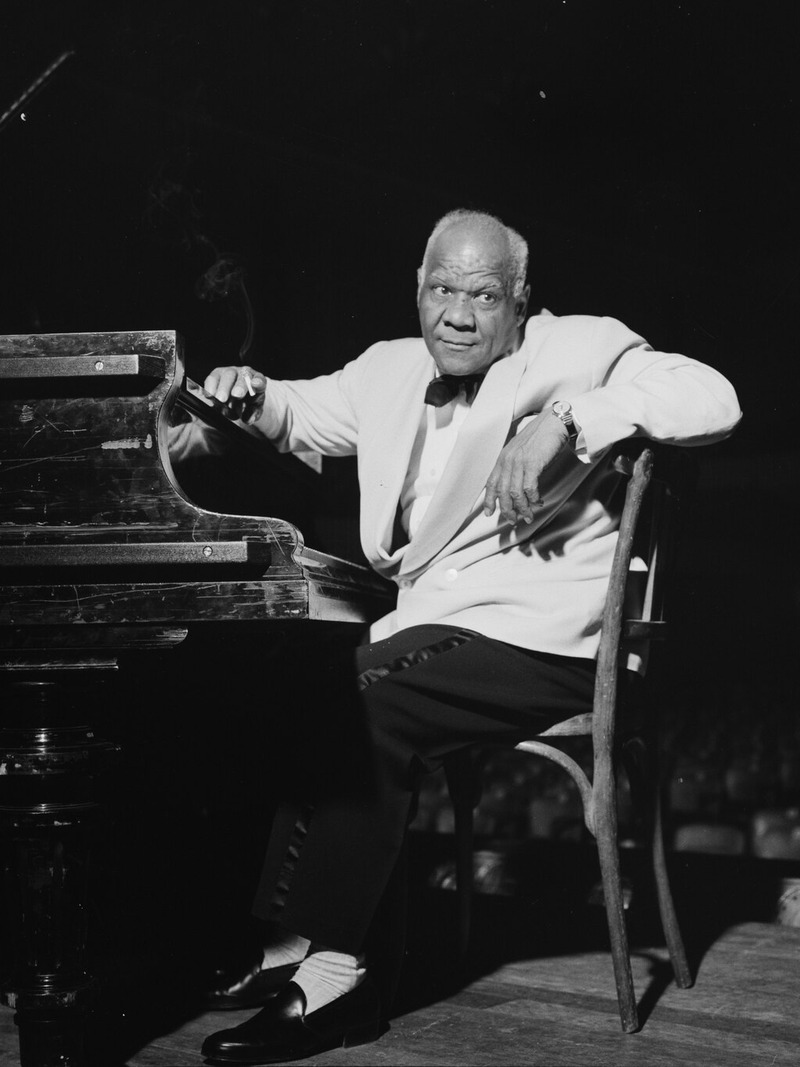
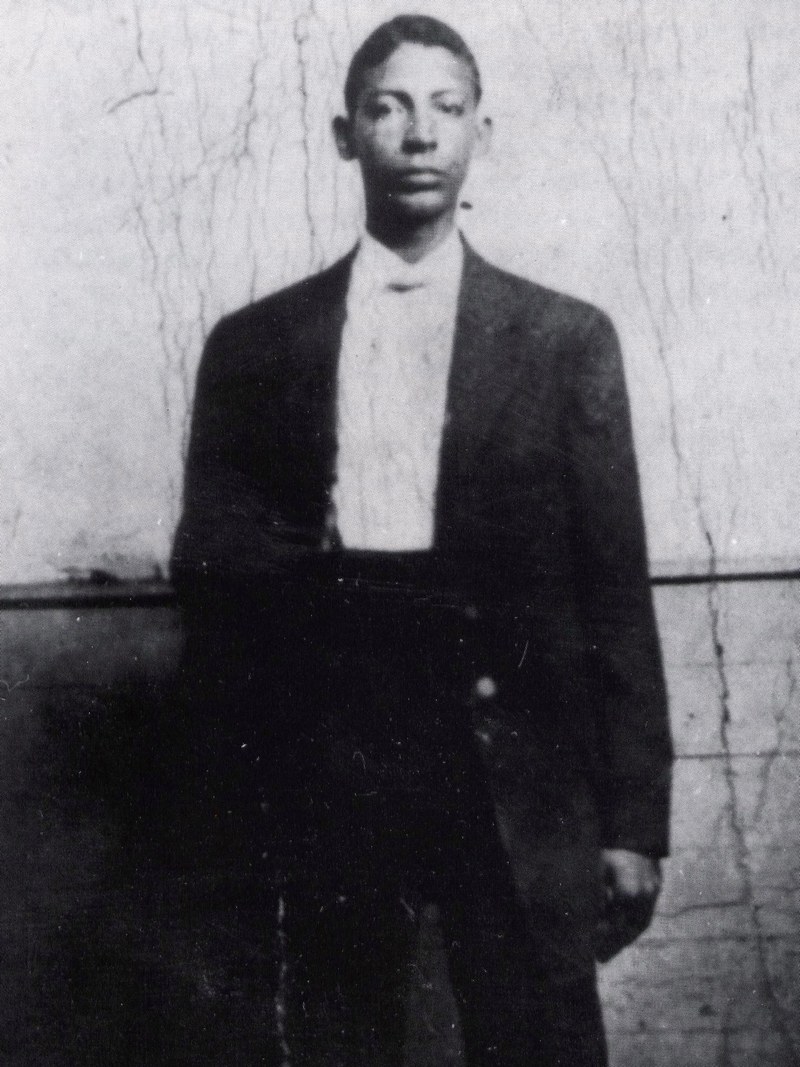
Jelly Roll Morton, born Ferdinand Joseph LaMothe (he took the surname Morton after his mother remarried), was born in New Orleans on September 20, 1885 (some sources say October 20, 1890) and died in Los Angeles on July 10, 1941. He grew up in the city’s Creole community, learned guitar as a child, and switched to piano as a teenager. From his early teens he made a living playing in bars, dance halls, and brothels around Storyville, and worked as a pianist and comic performer with vaudeville and minstrel shows. He blended ragtime, blues, fandango, and march rhythms in his playing. Morton repeatedly claimed that he “invented jazz” in 1902, a statement that has sparked endless debate, but he was certainly among the first to treat jazz as written composition.
His “Jelly Roll Blues,” published in 1915, is often called one of the earliest printed jazz scores. Around the same time, “King Porter Stomp,” “Wolverine Blues,” and “Grandpa’s Spells” became standards throughout the big-band era. After leaving the South in 1917, Morton moved between Los Angeles and Chicago. In 1923, he made his first records for Gennett in Richmond, Indiana, including sessions with the New Orleans Rhythm Kings, and also recorded piano rolls. In 1924 he briefly led a band in Chicago, then organized his own recording group for Victor.
The years 1926–1930 were Morton’s golden period. Under the name Jelly Roll Morton’s Red Hot Peppers, he recorded dozens of sides in Chicago and New York with musicians including trombonist Kid Ory, clarinetists Omer Simeon and Barney Bigard, cornetist George Mitchell, drummer Baby Dodds, and banjoist Johnny St. Cyr. Their recordings are distinctive in their structure: Morton divided each piece into written ensemble passages, breaks, and solo spots, using the band’s collective tightening and release to shape improvisation rather than simply letting musicians take turns. “Black Bottom Stomp,” “Dead Man Blues,” “Doctor Jazz,” and “The Pearls” exemplify this approach and are landmarks in the history of jazz arranging.
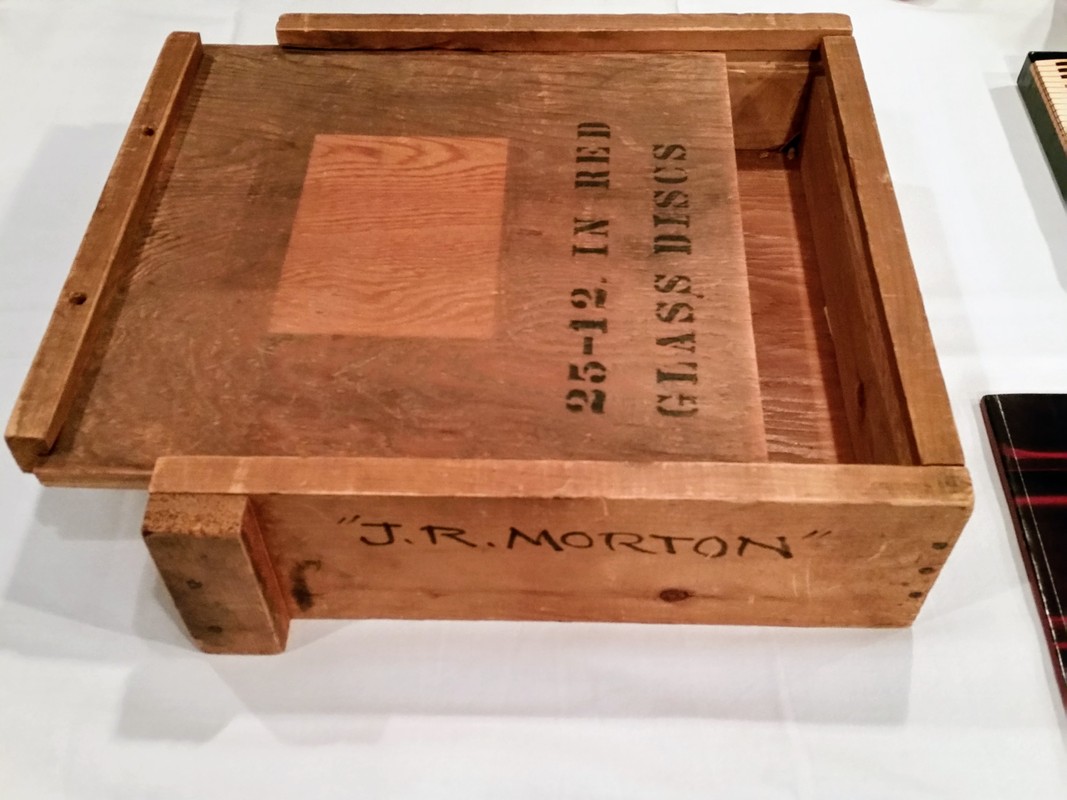
In 1938, folklorist Alan Lomax recorded more than eight hours of interviews and piano playing with Morton at the Library of Congress in Washington. Morton played while telling stories about New Orleans parade bands, brothel pianists, the legend of Buddy Bolden, and his own early life. Later released as The Complete Library of Congress Recordings, the sessions are an essential first-person oral history of early jazz and a moving document of his final years. In 1939 and 1940, he made his last small-group and solo recordings for Commodore in New York, later collected as Last Sessions.
Morton moved to Los Angeles late in life, ran a bar, and saw his health decline. He died in 1941 and was buried at Calvary Cemetery in Los Angeles. His music remained undervalued for decades and was not fully reassessed until the 1990s. The 1992 Broadway musical Jelly’s Last Jam drew on his life; in 1998 he was inducted into the Rock and Roll Hall of Fame in the Early Influence category, and several of his recordings have entered the Grammy Hall of Fame. Benny Goodman’s 1935 recording of “King Porter Stomp” made Morton’s composition a big-band standard. His insistence on jazz as composed music directly influenced the arranging tradition that followed Duke Ellington.
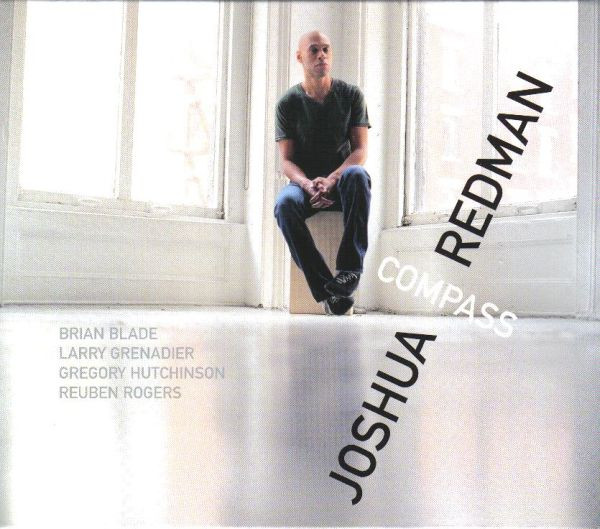
Compass
Release Date: 2009
Country: Europe
Tracklist
- Uncharted (2:05)
- Faraway (6:44)
- Identity Thief (6:39)
- Just Like You (7:32)
- Hutchhiker's Guide (5:47)
- Ghost (3:38)
- Insomnomaniac (8:39)
- Moonlight (3:22)
- Un Peu Fou (5:05)
- March (3:22)
- Round Reuben (6:26)
- Little Ditty (8:32)
- Through The Valley (2:57)
Back East
Release Date: 2007
Country: UK & Europe
Tracklist
- The Surrey With The Fringe On Top (5:12)
- East Of The Sun (And West Of The Moon) (5:35)
- Zarafah (7:58)
- Indian Song (6:10)
- I'm An Old Cowhand (6:06)
- Wagon Wheels (5:58)
- Back East (6:40)
- Mantra #5 (6:10)
- Indonesia (4:41)
- India (4:55)
- GJ (3:40)
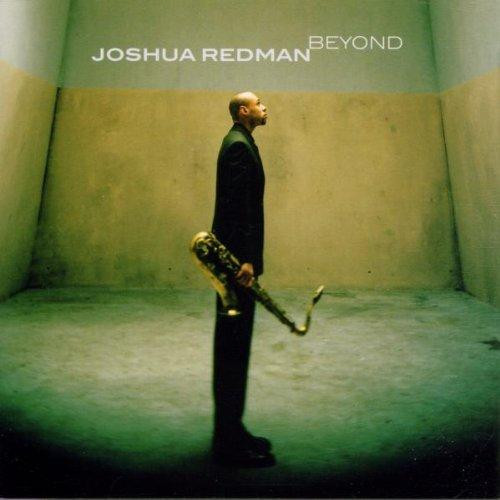
Beyond
Release Date: 2000
Country: Europe
Tracklist
- Courage (Asymmetric Aria) (7:32)
- Belonging (Lopsided Lullaby) (5:48)
- Neverend (4:26)
- Leap Of Faith (9:03)
- Balance (9:05)
- Twilight ... And Beyond (11:00)
- Stoic Revolutions (6:11)
- Suspended Emanations (6:18)
- Last Rites Of Rock 'N' Roll (7:03)
- A Life? (6:52)