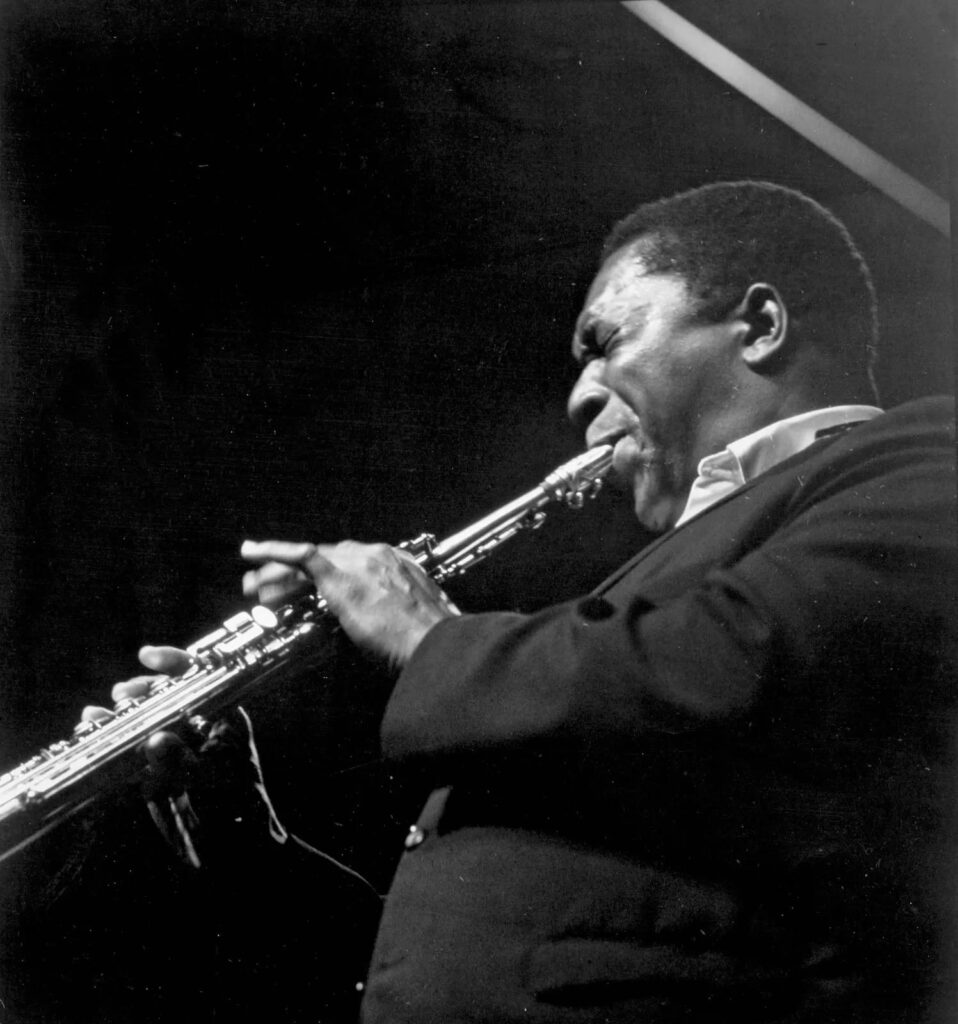
John Coltrane is a jazz artist featured on JazzMore. Genres: Jazz, Free Jazz, Avant-garde Jazz, Bebop, Hard Bop, Modal. From United States. Lifespan: September 23, 1926 - July 17, 1967. Explore 51 albums in our catalog, arranged by release date.
A concise biography ofJohn Coltrane (1926–1967):
One of the greatest tenor saxophonists in jazz history, Coltrane was nicknamed “Trane.” He raised jazz from entertainment to a form ofspiritual practiceand became one of the music’s most influential innovators.
A Late-Blooming Star: Born in North Carolina, Coltrane developed his craft in Navy bands and various R&B groups. He did not become widely known until he joined Miles Davis’s quintet in 1955.
Recovery and Renewal: In 1957, Davis fired him because of his drug addiction. After a profound religious awakening, Coltrane overcame his drug and alcohol problems, returned to the scene, and began an inspiring collaboration with Thelonious Monk.
Sheets of Sound: After rejoining Davis’s band, Coltrane played on the landmark album《Kind of Blue》. On his own album《Giant Steps》, he showcased his fast, intricate, tightly reasoned “sheets of sound,” pushing beyond the limits of improvising over conventional chord changes.
The Soprano Saxophone: He revived interest in the neglected soprano saxophone and recorded one of the instrument’s most successful jazz adaptations, “My Favorite Things.”
A Spiritual Peak: With pianist McCoy Tyner, bassist Jimmy Garrison, and drummer Elvin Jones, Coltrane formed one of the most powerful quartets in jazz history.
A Landmark Album: In 1965, he released the spiritual suiteA Love Supreme. More than a record, it was an offering of gratitude to God and marked a turn from modal jazz toward spiritual exploration.
Free Jazz: In his later years, Coltrane broke down the restraints of rhythm and melody, recording controversial free-jazz works such as《Ascension》in pursuit of pure emotional force and spiritual transcendence.
Death: Coltrane died of liver cancer in 1967, aged 40.
Relentless Curiosity: Coltrane was a jazz ascetic, practicing saxophone for more than ten hours a day. He once said, “I never feel that my playing is complete. I always feel there is something better to come.”
Spirituality and Tension: His playing carried enormous tension and intensity; his later works often had the solemnity of a ritual.
A Global Outlook: He was among the first jazz musicians to bring Indian music, African elements, and Eastern scales into the music.
In Summary:John Coltrane was jazz’s“saint”. His music is more than a sequence of notes; it is an ongoingquestion addressed to the universe and the divine。
Connections: Among the musicians mentioned earlier,Joe HendersonandDexter Gordonwere deeply influenced by Coltrane. After 1967, it can seem that tenor saxophonists everywhere were trying to find a way out of his enormous shadow.
Explore 51 albums and recordings, arranged by release date.


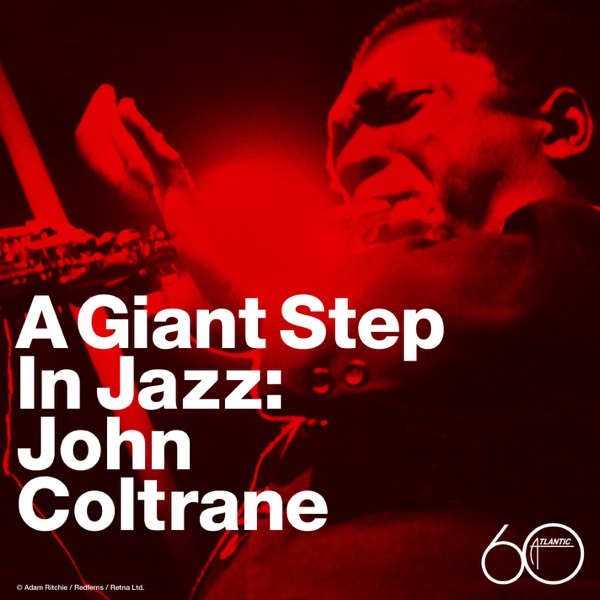


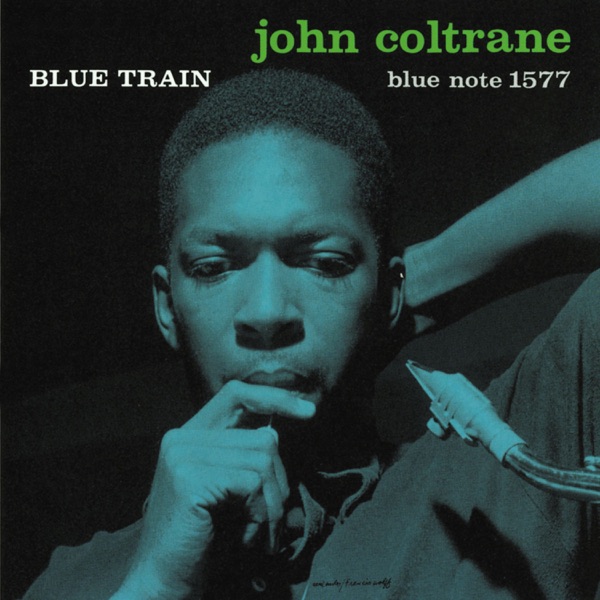
Explore other jazz artists who share genre tags with John Coltrane.