
Big Band Jazz: Style Guide and Listening Recommendations
Large ensembles of brass, saxophones, and rhythm section bring arranged passages into conversation with soloists.
Origins and Development
Big band describes a jazz ensemble format that developed in the early 20th century and became widely popular during the swing era. A band typically includes sections of saxophones, trumpets, and trombones alongside a rhythm section. Arrangers shape the parts, timbres, and dynamics of a large group while also leaving room for improvised solos.
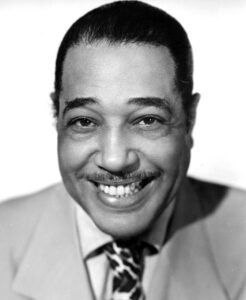
Musical Characteristics
Listen for exchanges between the saxophone and brass sections, harmonized melodies in different registers, and shifts from quiet accompaniment to full-band passages. Big bands can play dance music, blues, bebop, Latin jazz, and contemporary works, so the format has no single tempo or fixed mood.
How It Relates to Nearby Styles
Big band describes an ensemble format, while swing can describe a style and a rhythmic feel. The two were closely connected in the 1930s, but not all big-band music is swing; modern jazz big bands also explore freer rhythms and complex arrangements.
Where to Start Listening
Start with recordings by Count Basie, Duke Ellington, or the Maria Schneider Orchestra, and compare how each ensemble arranges sections and solos. Pick out a recurring theme, then notice how its timbre changes when another section takes it up.
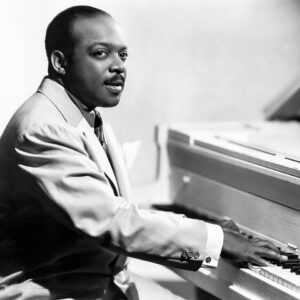
A Closer Look and What to Listen For
Big band is an ensemble format that can play swing, bebop, Latin jazz, and contemporary jazz. A typical setup has saxophone, trumpet, and trombone sections plus a rhythm section with piano, bass, and drums; personnel and instrumentation vary by band and piece.
Arrangements determine when sections play together, answer one another, or leave space for a soloist. Listen for the saxophones’ softer blend, the brass’s bright accents, and the rhythm section’s steady pulse, then notice how an individual solo emerges from the ensemble sound.
Essential Recordings and Listening Recommendations
Duke Ellington — The Far East Suite
Notice how each instrument’s timbre contributes to the arrangement and the ensemble’s overall story.
Count Basie — The Atomic Mr. Basie
Listen for the tension created by brass unison, drum accents, and the use of space.
Charles Mingus — The Black Saint and the Sinner Lady
Hear the layered parts and shifting moods of a large jazz ensemble.
Frequently Asked Questions
What is the difference between big band and swing?
Big band refers to an ensemble’s size and format; swing is a musical style and rhythmic tradition. Big bands often play swing, but they can play many other styles as well.
Is there improvisation in big-band music?
Yes. Arrangements shape the sections and often leave room for individual musicians to improvise. The balance depends on the piece.
Explore Further
Further reading: Culture.ac.cn: An Overview of Jazz Styles. Style boundaries and representative figures vary by source and perspective.