
Cool Jazz: Style Guide and Listening Recommendations
Restrained tone, flowing lines, and carefully shaped arrangements offer a different modern jazz sound.
Origins and Development
Cool jazz gradually took shape from the late 1940s through the 1950s. Miles Davis’s sessions later collected as “Birth of the Cool,” along with explorations by musicians such as Lennie Tristano, are often discussed in connection with the style. The musicians did not all sound alike.
Musical Characteristics
Compared with music that emphasizes a forceful drive, cool jazz often features softer dynamics, clear melodic lines, and carefully arranged parts. It may also use less common jazz instruments or organize the ensemble in a chamber-like way.
How It Relates to Nearby Styles
Cool jazz is a musical style, while West Coast jazz also refers to a scene associated with the U.S. West Coast. The two often overlap but are not identical: cool jazz also developed in New York, and the West Coast had forceful, fast bebop and hard-bop playing too.
Where to Start Listening
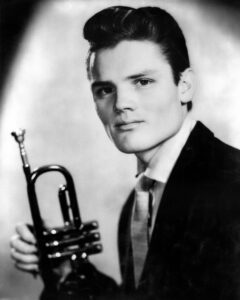
Start with Miles Davis’s “Birth of the Cool” and the quartet of Gerry Mulligan and Chet Baker. Listen for the space between instruments and how the arrangement moves melodies from one part to another.
A Closer Look and What to Listen For
Cool jazz emerged from the late 1940s through the 1950s; it was not the product of one city or a single fixed group. Some musicians focused on arrangement, timbre, and balance between parts, drawing on bebop, classical music, and other sources. Slow tempos and restraint describe some works, but not all.
Notice whether the melody unfolds at a softer volume, how much space is left between instruments, and how the arrangement positions each part. Cool jazz can still swing and feature complex improvisation; “cool” describes some of its timbres and expressive approaches.
Essential Recordings and Listening Recommendations
Miles Davis — Birth of the Cool
Listen to the nonet’s instrumentation and its soft brass timbres.
Gerry Mulligan Quartet — Gerry Mulligan Quartet
Notice the space between saxophone, trumpet, and bass in the piano-less quartet.
Dave Brubeck Quartet — Time Out
Hear the changes in melody, ensemble texture, and meter.
Frequently Asked Questions
Is cool jazz always slow?
No. Restrained timbres and detailed arrangements are common, but tempos, moods, and approaches to improvisation vary widely.
How are cool jazz and West Coast jazz related?
They overlap considerably, and West Coast jazz also refers to a regional scene. Not every cool-jazz musician came from the West Coast.
Explore Further
Further reading: Culture.ac.cn: An Overview of Jazz Styles. Style boundaries and representative figures vary by source and perspective.