
Early Jazz and Dixieland: A Guide to the Style and Listening
Explore early jazz through New Orleans small-group ensembles, where several melodies improvise at once.
Origins and Development
In the early 20th century, African American musical practices in New Orleans converged with the blues, ragtime, dance music, and brass-band traditions. As musicians and recordings traveled, early jazz developed in cities such as Chicago and New York. The term “Dixieland” was later also used for traditional jazz and its revival, though its meaning and scope vary.

Musical Characteristics
A typical front line features trumpet or cornet, clarinet, and trombone, while the rhythm section may include piano, banjo, upright bass or tuba, and drums. As the trumpet states the melody, the clarinet weaves through the upper register and the trombone answers from below. This collective improvisation across several parts makes the band sound as if it is holding a conversation.
How It Relates to Nearby Styles
Compared with bebop, which later came to emphasize extended individual solos, early jazz makes several simultaneous melodic lines easier to hear in the ensemble texture. Compared with ragtime, it generally gives performers more room to improvise, though practices vary across eras and bands.
Where to Start Listening
Start with recordings by Louis Armstrong’s Hot Five and Hot Seven, or works by Sidney Bechet and Jelly Roll Morton. Follow the rhythm section first, then listen for how clarinet, trumpet, and trombone weave around the same theme.
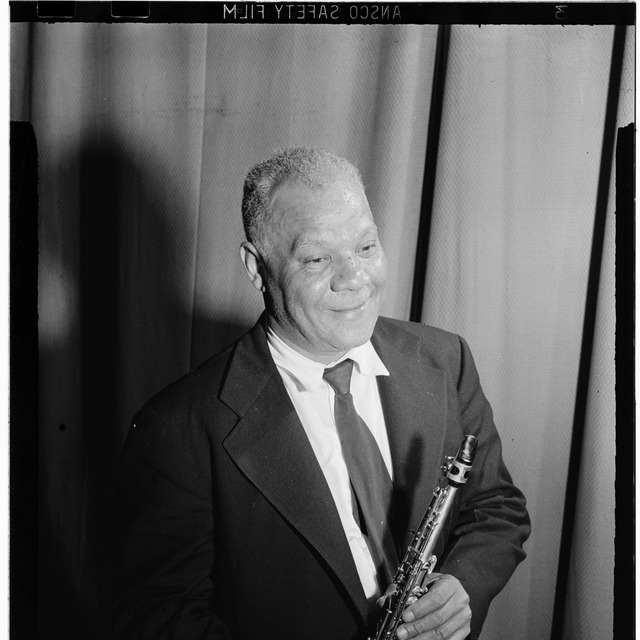
A Closer Look and What to Listen For
New Orleans was a port city, and dance halls, street parades, and community celebrations all gave musicians places to perform. Early jazz grew from the meeting of many traditions, with African American musical creativity at its heart. Recordings capture only part of the rich live culture of the time.
When listening to the ensemble, follow the trumpet’s theme first, then notice the separate lines of the clarinet and trombone. Banjo or piano supplies the harmony, tuba or upright bass outlines the low end, and drums keep a dance feel. Collective improvisation does not mean everyone plays at random: musicians listen closely to one another within a shared space.
Essential Recordings and Listening Recommendations
Louis Armstrong — West End Blues
Listen to the opening trumpet solo, then notice how the performance shifts between solos and ensemble passages.
King Oliver’s Creole Jazz Band — Dipper Mouth Blues
Listen to how the cornet interacts with the band and notice the layers in the New Orleans ensemble.
Jelly Roll Morton — Black Bottom Stomp
Notice how carefully arranged passages connect with improvised solos.
Frequently Asked Questions
Are Dixieland and New Orleans jazz the same thing?
They are closely related, but the terms are not always used in exactly the same way. New Orleans jazz emphasizes a place and its early musical traditions; Dixieland can also refer to related bands or later revivals of traditional jazz. The precise scope varies by source.
How can I recognize collective improvisation?
Listen for several distinct melodic lines moving at the same time around the theme: the trumpet often carries the main melody, while clarinet and trombone add or answer it in different registers.
Explore Further
Further reading:Baidu Baike: Dixieland Jazz。Style boundaries and representative figures may vary by source and perspective.