
Hard Bop: Style Guide and Listening Recommendations
Building on bebop improvisation, hard bop brings in the force of blues, gospel, and rhythm and blues.
Origins and Development
Hard bop developed in the mid-1950s, with Art Blakey’s Jazz Messengers, Horace Silver, and others as key figures. It kept modern jazz harmony and improvisation while foregrounding blues, gospel, and rhythm and blues, becoming a major postwar sound for small jazz groups.
Musical Characteristics
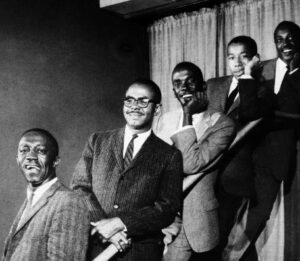
A common lineup includes trumpet, saxophone, piano, bass, and drums. A piece may begin with a strong, memorable theme before moving into individual solos. Drummers propel the band with accents, while piano and bass establish a steady groove through chords and bass lines.
How It Relates to Nearby Styles
Compared with the restrained timbres often associated with cool jazz, hard bop can sound fuller and more direct, though this is not a strict rule. Soul jazz is closely connected to hard bop and often puts more emphasis on blues, gospel, and repeated grooves, frequently featuring Hammond organ.
Where to Start Listening
Start with “Moanin’” by Art Blakey and the Jazz Messengers and Horace Silver’s “Song for My Father.” Listen first to the brass theme and piano responses, then compare how the drummer changes the energy in the theme and solos.
A Closer Look and What to Listen For
Hard bop developed in the 1950s, continuing bebop’s small-group improvisation while drawing on the tonal language and rhythms of blues, gospel, and rhythm and blues. Bands differed in emphasis: some featured forceful drumming, while others were known for lyrical melodies and carefully written themes.
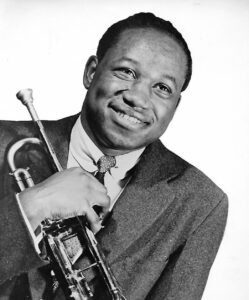
First listen for trumpet and saxophone playing the theme in unison, then follow how the drummer uses hi-hat, snare, and accents to propel the solos. Piano and bass are more than background: their chords, bass lines, and rhythmic responses help create a steady, flexible groove.
Essential Recordings and Listening Recommendations
Art Blakey and the Jazz Messengers — Moanin’
Notice the exchanges in the theme, gospel influences, and the drive of the drums.
Clifford Brown and Max Roach — Study in Brown
Listen to the close interplay between trumpet, tenor saxophone, and drums.
Horace Silver — Song for My Father
Hear memorable melodies, blues inflections, and the rhythm section’s steady groove.
Frequently Asked Questions
How does hard bop differ from bebop?
Hard bop continues bebop’s improvisational language and often highlights blues, gospel, and rhythm and blues. The styles are connected rather than sharply separated.
What ensemble is a good place to start?
A quintet with trumpet, saxophone, piano, bass, and drums is a common starting point, but it is not the only lineup.
Explore Further
Further reading: Culture.ac.cn: An Overview of Jazz Styles. Style boundaries and representative figures vary by source and perspective.