
Kansas City Jazz: Style Guide and Listening Recommendations
A regional jazz tradition known for blues, repeated riffs, and a sustained swinging groove.
Origins and Development
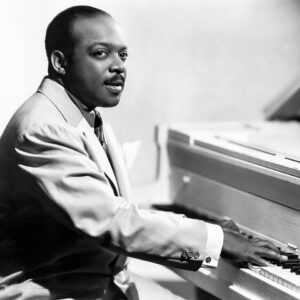
Kansas City Jazz developed in Kansas City, Missouri, during the 1920s and 1930s. Nightclubs, dance halls, and jam sessions helped create a lively band culture. The orchestras of Bennie Moten and Count Basie were closely tied to the scene, and Charlie Parker also grew up in Kansas City.
Musical Characteristics
The music often moves through blues and short, riff-based phrases. Instrument sections answer one another, while soloists improvise over the rhythm section’s steady swing. Extended jam sessions also gave musicians room to learn from one another and develop a personal voice.
How It Relates to Nearby Styles
Kansas City Jazz reflects both a regional scene and a style. It is connected to swing, big bands, and later bebop, but is not simply another name for any one of them. Many musicians moved between cities and bands, so regional boundaries were never absolute.
Where to Start Listening
Start with recordings by Bennie Moten’s Kansas City Orchestra and Count Basie’s early bands. Listen for riffs passed between sections and the rhythm section’s light but steady four-beat swing. Then hear how Charlie Parker’s later work develops the language further.
A Closer Look and What to Listen For
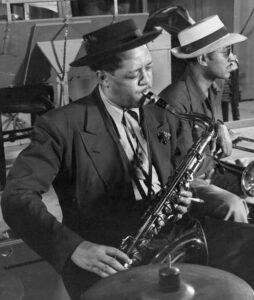
Kansas City’s jazz scene grew around local dance halls, clubs, and touring bands. Jam sessions in the 1930s brought musicians from different groups together; blues and a steady dance pulse became important threads in the city’s musical life.
A riff is a short, repeatable melodic idea. Follow one as it moves between brass and saxophone sections, then notice how soloists vary rhythm and timbre over the repeating figure. These exchanges can make an arrangement feel both tight and spontaneous.
Essential Recordings and Listening Recommendations
Bennie Moten’s Kansas City Orchestra — Moten Swing
Listen for short phrases traded between sections and a rhythm that keeps moving forward.
Count Basie — One O’Clock Jump
Notice the blues framework, repeated riffs, and successive solos.
Jay McShann — Confessin’ the Blues
Hear another side of the Kansas City scene through vocals, blues, and ensemble accompaniment.
Frequently Asked Questions
How is Kansas City Jazz connected to swing?
Kansas City was an important regional scene during the swing era. Local bands shaped the broader swing tradition with blues, repeated riffs, and a fluid groove.
Why are riffs important?
Short phrases make it easy for sections to answer one another and create a flexible, repeating backdrop for solos.