
Latin Jazz: Style Guide and Listening Recommendations
Jazz improvisation meets Latin American rhythms in music shaped by many distinct traditions.
Origins and Development
Latin jazz usually refers to music that brings jazz together with Latin American rhythms. It includes several strands, such as Afro-Cuban jazz and jazz influenced by Brazilian music. Caribbean and Latin American traditions have shaped jazz over a long period, so Latin jazz is more than ordinary jazz with percussion added.
Musical Characteristics
Afro-Cuban jazz often uses rhythmic structures such as clave and percussion including congas, bongos, and bells. Samba and bossa nova in Brazilian jazz have their own distinct rhythmic traditions. Jazz harmony and improvisation can meet these rhythms in many different ways.
How It Relates to Nearby Styles
Latin jazz is a broad term that covers several different connections. Afro-Cuban jazz and Brazilian musical traditions are not the same. Bossa nova is an independent Brazilian form that has had an important exchange with jazz; it should not simply be treated as a type of jazz.
Where to Start Listening
Start with “Manteca” by Dizzy Gillespie and Chano Pozo, recordings by Machito, and the collaborations between Stan Getz and João Gilberto. Compare Afro-Cuban rhythms with the guitar groove of bossa nova and hear how each supports improvisation.
A Closer Look and What to Listen For
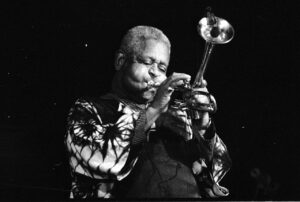
Latin jazz includes many traditions, especially the long exchange between jazz and Cuban and other Latin American music. The 1940s collaborations between Dizzy Gillespie and Cuban percussionist Chano Pozo, along with the work of Machito’s band, offer important starting points for understanding Afro-Cuban jazz.
Start by following the bass, then pick out the layers of congas, bongos, bells, and other percussion. Rhythmic structures such as clave shape how the ensemble plays together. Specific rhythms vary by region and piece, so Latin jazz should not be reduced to one groove.
Essential Recordings and Listening Recommendations
Dizzy Gillespie and Chano Pozo — Manteca
Listen to how brass themes, percussion, and jazz solos come together.
Machito and His Afro-Cubans — Tanga
Notice the interplay between the ensemble’s unison passages and Afro-Cuban rhythms.
Chucho Valdés — Irakere
Explore the meeting of Cuban music, jazz improvisation, and big-band sound.
Frequently Asked Questions
Is Latin jazz the same as bossa nova?
No. Latin jazz spans many regional and rhythmic traditions; bossa nova originated in Brazil and has had an important exchange with jazz.
Does Latin jazz always use Latin percussion?
Many pieces use instruments such as congas and bongos, but ensembles can also express related rhythms through piano, bass, and drum kit.
Explore Further
Further reading: 360 Baike: Latin Jazz. Style boundaries and representative figures vary by source and perspective.