
Swing: Style Guide and Listening Recommendations
A buoyant rhythm, big-band sections, and improvised solos combine to create music made for dancing.
Origins and Development
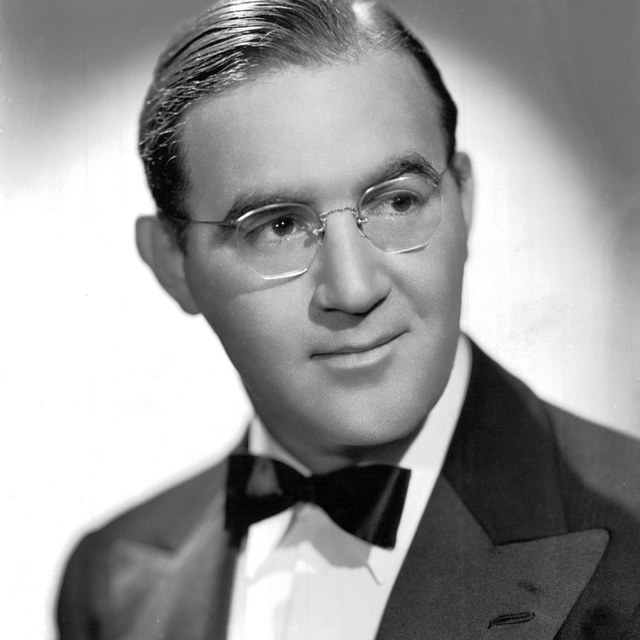
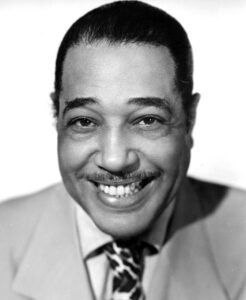
Swing became a widely popular form of jazz in the United States during the 1930s and 1940s. Radio, dance halls, and touring spread the sound of big bands; ensembles led by Duke Ellington, Count Basie, and Benny Goodman developed distinct arranging and rhythmic approaches.
Musical Characteristics
Sections of saxophones, brass, and rhythm instruments often take turns stating a melody or short phrase. A repeated phrase is called a riff, and exchanges between soloists and the band keep changing the tension. “Swing” also describes a buoyant rhythmic feel that cannot be reduced to mechanically lengthening every other note.
How It Relates to Nearby Styles
Swing can refer to a style associated with a historical period or to a rhythmic feel found in many kinds of jazz. Big band is an ensemble format; the two overlap, but small groups can swing too, and modern big bands play more than swing.
Where to Start Listening
Compare the light rhythm section of Count Basie’s band, Duke Ellington’s rich orchestration, and Benny Goodman’s clarinet lead. Feel how the drums and bass hold the beat, then listen for the replies between brass sections.
A Closer Look and What to Listen For
Swing refers both to a rhythmic feel and to the popular jazz style and era of the 1930s and 1940s. Radio, recordings, and dance halls helped spread it. Bands developed their own arrangements and timbres, and swing also thrives in small ensembles.
As you listen, tap a steady beat and feel how the melody moves flexibly around it. Drums and bass maintain the pulse; horn sections create lift through unison passages and short exchanges, while soloists develop ideas over familiar harmony and forms.
Essential Recordings and Listening Recommendations
Benny Goodman — Sing, Sing, Sing
Listen as the drummer, clarinet, and big band build energy together.
Count Basie — One O’Clock Jump
Hear the rhythm section’s buoyant, steady groove and the sections’ repeated riffs.
Duke Ellington — Take the A Train
Notice how melody, horn arrangements, and solos come together to shape a dance tune.
Frequently Asked Questions
Does swing have to be played by a big band?
No. Big bands were central to the swing era, but small groups can play with a swing feel too.
How can I feel a swing rhythm?
Start by following a steady beat, then notice how the melody moves around it. Swing feels different at different tempos and in different musicians’ hands.