
West Coast Jazz: Style Guide and Listening Recommendations
Explore diverse sounds from Los Angeles, San Francisco, and related scenes, including music that overlaps with cool jazz.
Origins and Development
West Coast jazz usually refers to music that developed in 1950s scenes along the U.S. West Coast, especially in Los Angeles and San Francisco. Musicians such as Gerry Mulligan, Chet Baker, and Shelly Manne are often associated with the name, while the region also had important African American jazz musicians and a bebop tradition.
Musical Characteristics
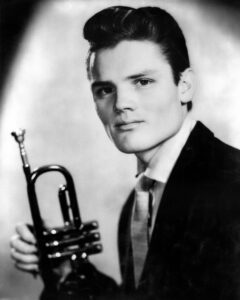
Some works are known for detailed arrangements, clear timbres, and restrained dynamics. The piano-less quartet of Mulligan and Baker shows how removing the chordal instrument can open up space in the ensemble. French horn and tuba are sometimes used to expand the palette.
How It Relates to Nearby Styles
West Coast jazz is often linked to cool jazz, but the terms do not fully overlap: the former has a regional meaning, while the latter describes a musical style. Cool jazz also developed in New York, and forceful hard bop and other styles were present on the West Coast too.
Where to Start Listening
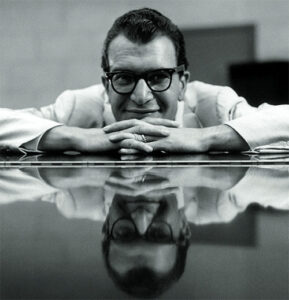
Start with the quartet of Gerry Mulligan and Chet Baker, the Dave Brubeck Quartet, or recordings by Chico Hamilton. Notice how the arrangement uses melody and space, then listen to how bass and solo instruments support the harmony without a piano.
A Closer Look and What to Listen For
West Coast jazz points to interconnected scenes along the U.S. West Coast in the 1950s, especially around Los Angeles. Studios, clubs, and touring created opportunities for musicians to collaborate. The label covers many individual voices and does not mean local musicians all played the same kind of music.
It overlaps with cool jazz. Some works favor clear arrangements, contrapuntal melodies, and refined timbres, while others have a strong swing or blues character. Compare the space given to solos and ensemble passages across recordings rather than identifying a regional style only by a “soft” sound.
Essential Recordings and Listening Recommendations
Gerry Mulligan Quartet — The Original Quartet with Chet Baker
Listen to the baritone saxophone and trumpet converse in a piano-less ensemble.
Shelly Manne & His Men — At the Black Hawk
Hear the interplay between drums, horns, and rhythm section in live performances.
Shorty Rogers — Shorty Rogers and His Giants
Notice small-group arrangements and brass timbres in the West Coast scene.
Frequently Asked Questions
Is West Coast jazz the same as cool jazz?
They often overlap, but West Coast jazz emphasizes a regional scene while cool jazz describes a musical approach. In practice, the boundaries are not fixed.
Was West Coast jazz played only by white musicians?
No. Musicians from many backgrounds shaped the region’s musical culture, so the entire scene cannot be described by one group.