
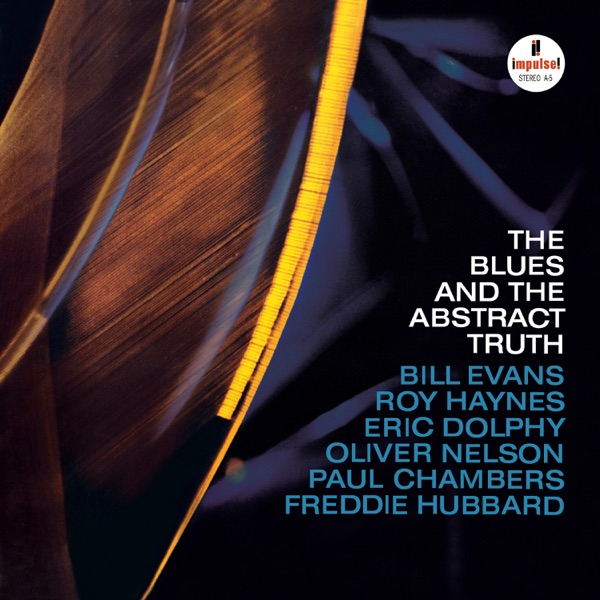
The Blues And The Abstract Truth - Oliver Nelson
The Blues And The Abstract Truth is an album by Oliver Nelson. Released in 1965. Genres: Jazz, Hard Bop. Released by Impulse!. Genre tags. Listen on Spotify, Apple Music.
- Artist
- Oliver Nelson
- Release Year
- 1965
- Label
- Impulse!
- Country/Region
- US
Album Genres
The Blues And The Abstract Truth · Review
Oliver Nelson is one of jazz history’s somewhat unfortunate names. He could compose, arrange, and play alto and soprano saxophone; he was good at all of them but never quite reached the level of “immortal.” Six years after recording The Blues and the Abstract Truth in 1961, he died of a heart attack at just 43. The album’s stature rose gradually after his death, as happens too often in jazz history.
The title offers a clue: blues and abstract truth. Nelson wanted to combine the twelve-bar blues, jazz’s most elemental and physical form, with the complexity of modern harmony. Most people fail when they attempt that fusion: the blues becomes awkward, or abstraction turns into empty display. Nelson is one of the few who succeeds.
“Stolen Moments,” the opening track, is the album’s most perfect piece. Its eight-bar introduction—the theme played in unison by Freddie Hubbard’s trumpet, Eric Dolphy’s flute, and Nelson’s own alto saxophone—is one of the most recognizable melodies in jazz. Flute and trumpet do not usually belong together in this kind of ensemble, but Nelson’s harmonic arrangement lets their timbres blend rather than clash. Dolphy’s solo is unexpectedly restrained, sharply contrasting with the wildness of Out to Lunch! Each phrase seems to explain the theme instead of escaping from it.
“Hoe-Down” shows another side of Nelson’s arranging: an exuberant country-dance quality, with the brass syncopations as precise as a Swiss watch. But “Yearnin’” is the emotional center. Bill Evans’s piano—one of his finest guest appearances on someone else’s record—gives the blues a hazy color that could be melancholy or longing.
When the album ends, you may feel it is too short: six tracks and less than forty minutes. Its brevity is part of the strength. Every piece is compressed to an ideal density, with no wasted note and no unnecessary chorus. Oliver Nelson may not be the greatest name in jazz history, but he made one of its most economical masterpieces.
The Blues And The Abstract Truth:Album Overview
Release Date: 1965
Country: US
Tracklist
- Stolen Moments (8:45)
- Hoe Down (4:43)
- Cascades (5:30)
- Yearnin' (6:20)
- Butch And Butch (4:35)
- Teenie's Blues (6:31)