
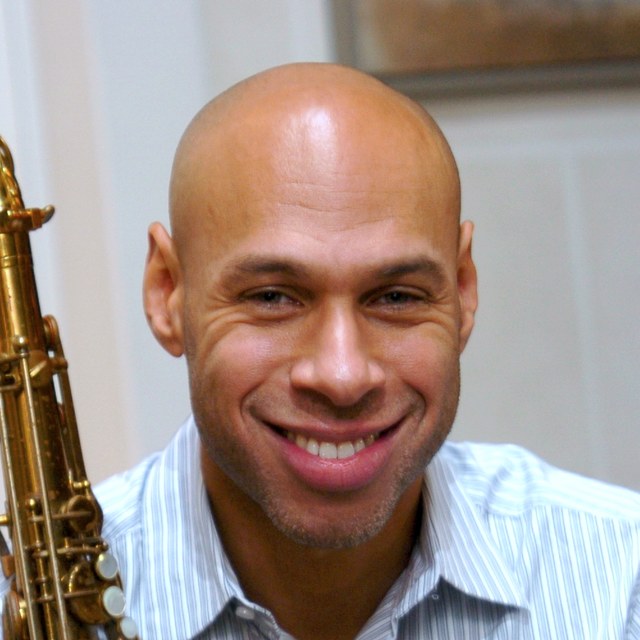
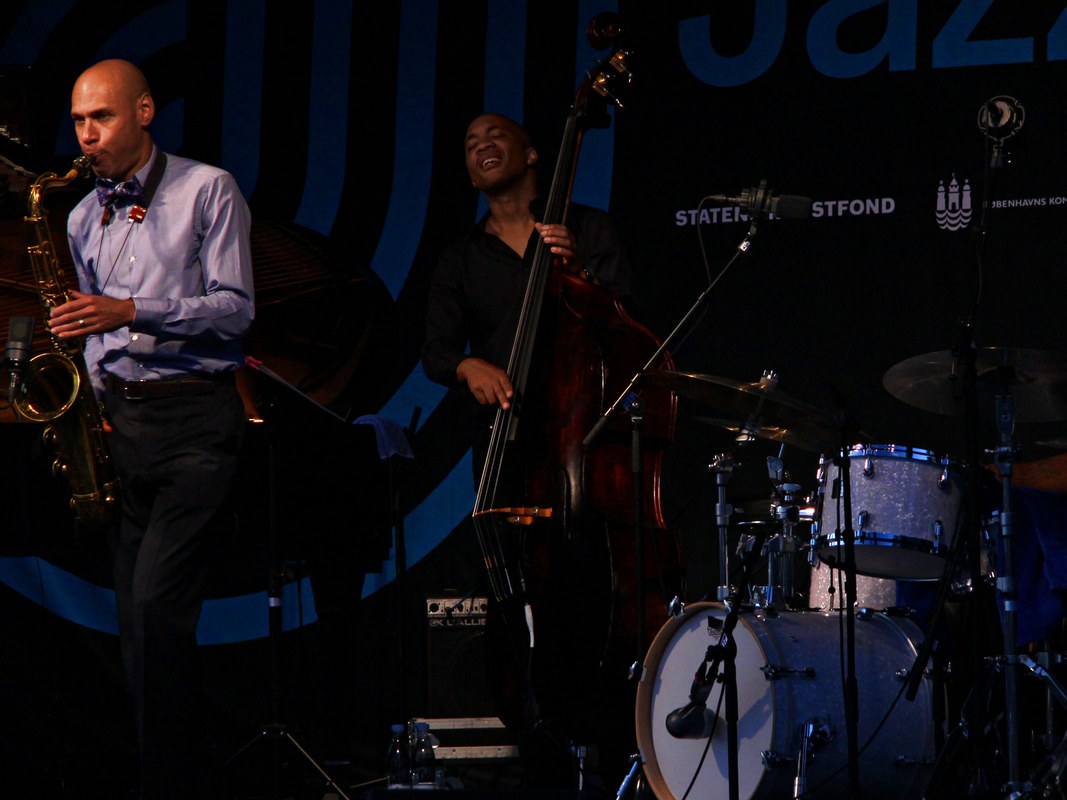
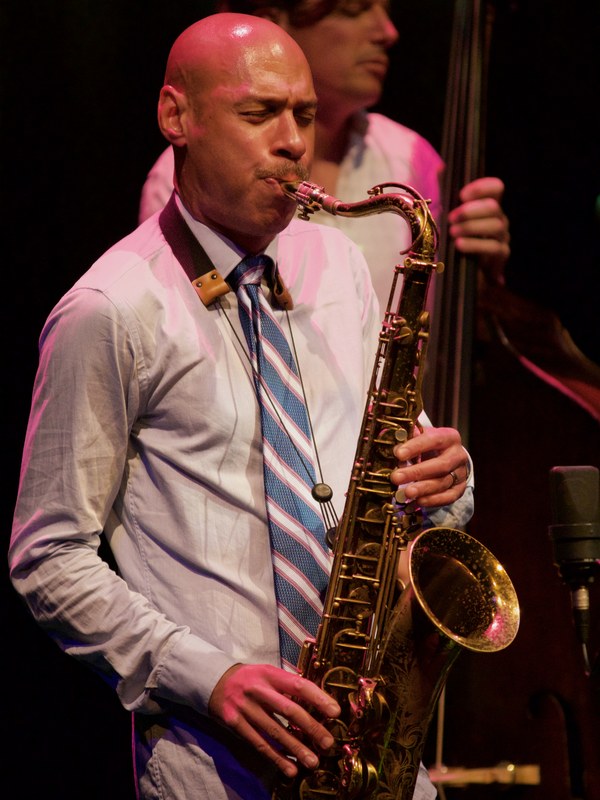
Joshua Redman is a jazz artist featured on JazzMore. Genres: Jazz, Contemporary Jazz, Post Bop. Lifespan: February 1, 1969. Explore 6 albums in our catalog, arranged by release date.
Joshua Redman was born on February 1, 1969, in Berkeley, California. His father was tenor saxophonist Dewey Redman (1931–2006), and his mother, Renee Shedroff, was a dancer who also worked in a library. His parents separated when he was young, and he grew up with his mother in Berkeley. Her study of South Indian dance brought him to the city’s world-music center from an early age. He began on clarinet at nine and switched to tenor saxophone at ten. Redman often describes himself as self-taught, with records as his first teachers: John Coltrane, Ornette Coleman, Cannonball Adderley, his father, and radio artists such as the Beatles, Aretha Franklin, Earth, Wind & Fire, and Prince.
Redman graduated from Berkeley High School in 1986, having played in its jazz band for all four years. After school, he often joined improvisation sessions led by Laney College piano professor Ed Kelly, playing alongside saxophonist Robert Stewart. In 1991, he graduated summa cum laude in social studies from Harvard and was elected to Phi Beta Kappa. He had been admitted to Yale Law School, but deferred for a year and moved to Brooklyn to share an apartment with friends. Instead, he immersed himself in New York’s jazz scene, frequently playing with Brad Mehldau, Mark Turner, Roy Hargrove, Christian McBride, Pat Metheny, Charlie Haden, and Billy Higgins.
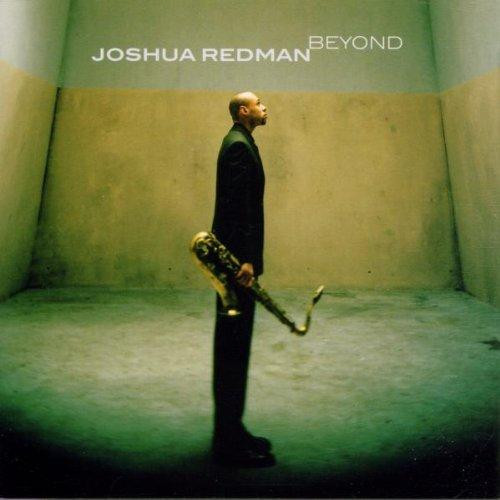
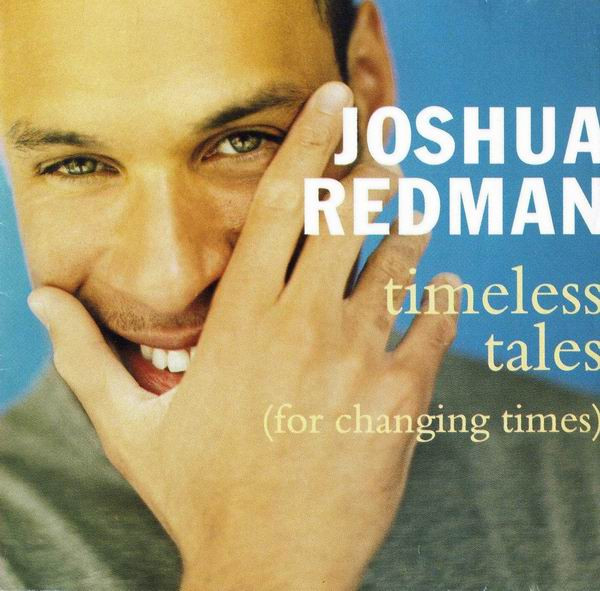
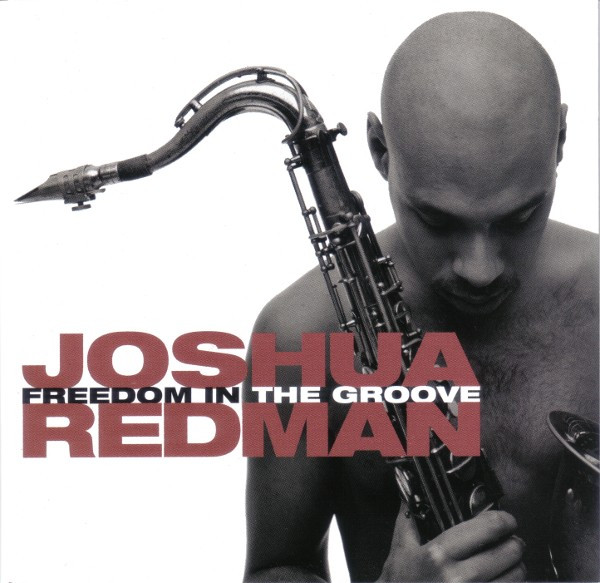
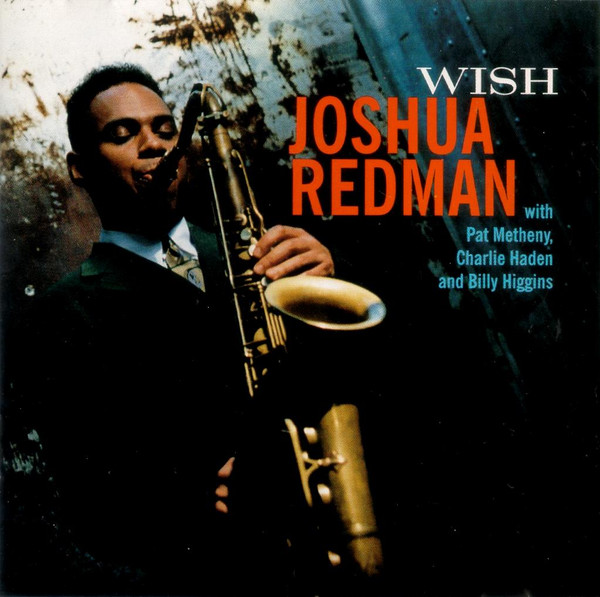
That year, Redman won the Thelonious Monk International Jazz Saxophone Competition and signed with Warner Bros. His self-titled debut appeared in spring 1993 and earned his first Grammy nomination. The second album as a leader, Wish (1993), featured guitarist Pat Metheny, bassist Charlie Haden, and drummer Billy Higgins. The quartet toured, with Christian McBride later taking Haden’s place. Redman followed with MoodSwing (1994), featuring Mehldau, McBride, and Brian Blade; Freedom in the Groove (1996); Timeless Tales (for Changing Times) (1998); and Beyond (2000). He also formed a trio with keyboardist Sam Yahel and drummer Brian Blade, first recording as Yaya3 and later developing into the Joshua Redman Elastic Band.
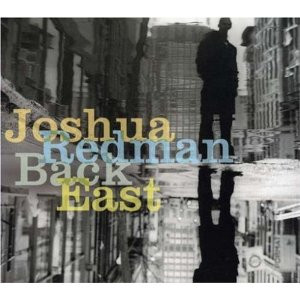
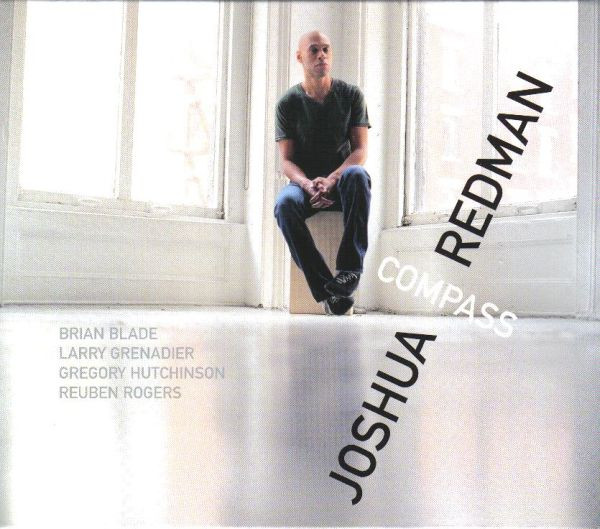
In 2000, Redman became artistic director of SFJAZZ’s spring season and co-founded the SFJAZZ Collective with executive director Randall Kline, a group centered on member-composed music. He left both posts in March 2007 to focus on his own projects. That year, Nonesuch released Back East, his first piano-less trio album. It brings together three bass-and-drum combinations—Larry Grenadier with Ali Jackson, Christian McBride with Brian Blade, and Reuben Rogers with Eric Harland—with saxophone guests Chris Cheek, Joe Lovano, and his father Dewey Redman. Compass (2009) continued the idea, with some tracks built by overdubbing two trios. In late 2009, Redman, pianist Aaron Parks, bassist Matt Penman, and drummer Eric Harland formed the collaborative quartet James Farm.
Over the past decade, Redman has returned to the quartet with Brad Mehldau, Christian McBride, and Brian Blade, recording RoundAgain (2020) and LongGone (2022), more than two decades after MoodSwing. He has also explored new formats and subjects: where are we (2023), with singer Gabrielle Cavassa, reimagines standards through the lens of American places; Words Fall Short (2025) is a new album under his own leadership after several years. He remains an artist-in-residence at SFJAZZ and has led master classes at institutions including Berkeley and Harvard.
Explore 6 albums and recordings, arranged by release date.
Explore other jazz artists who share genre tags with Joshua Redman.