


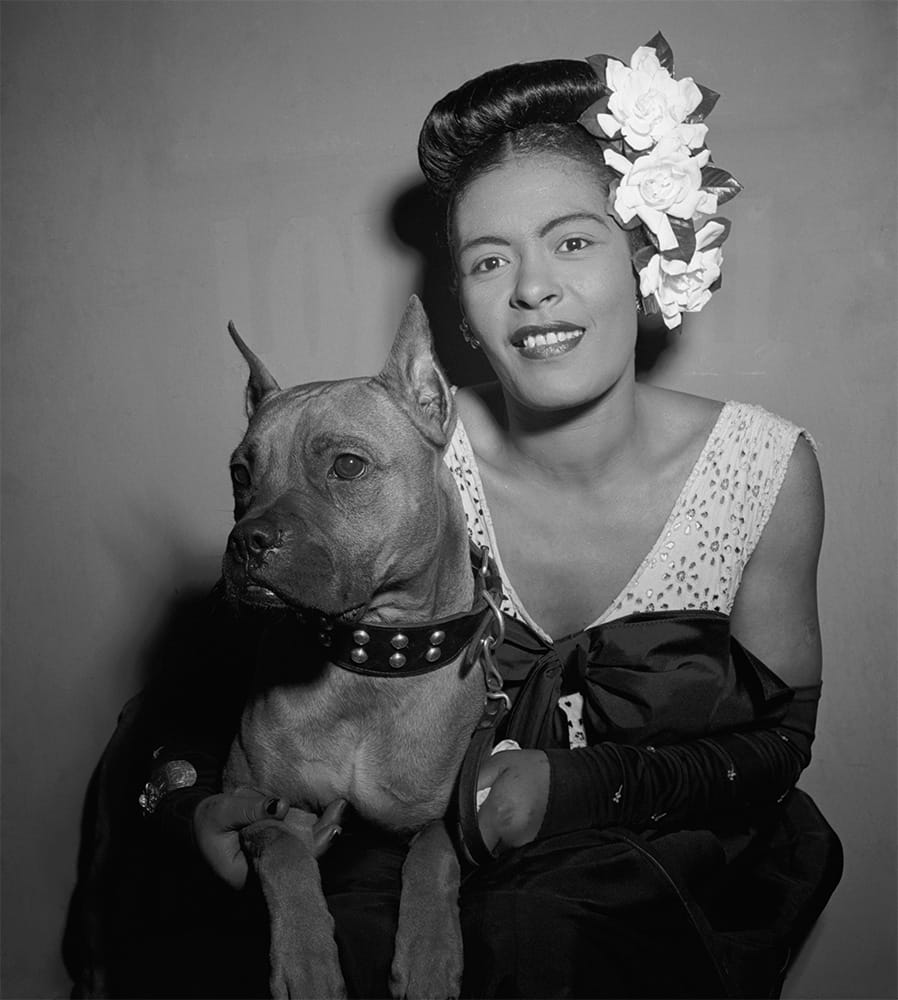
Billie Holiday
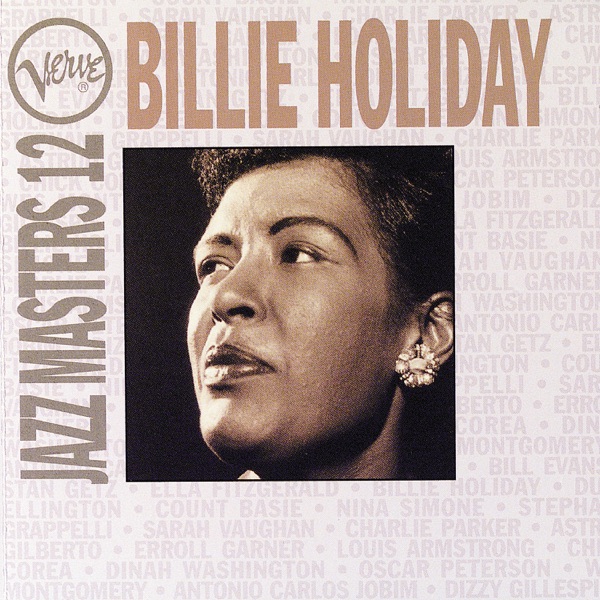
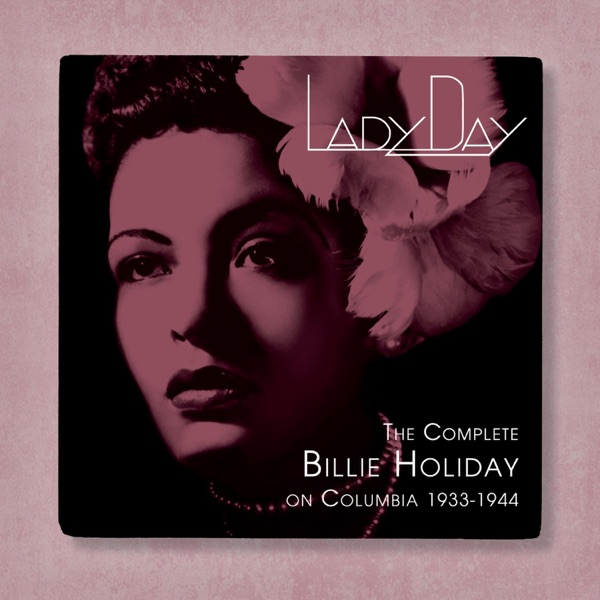
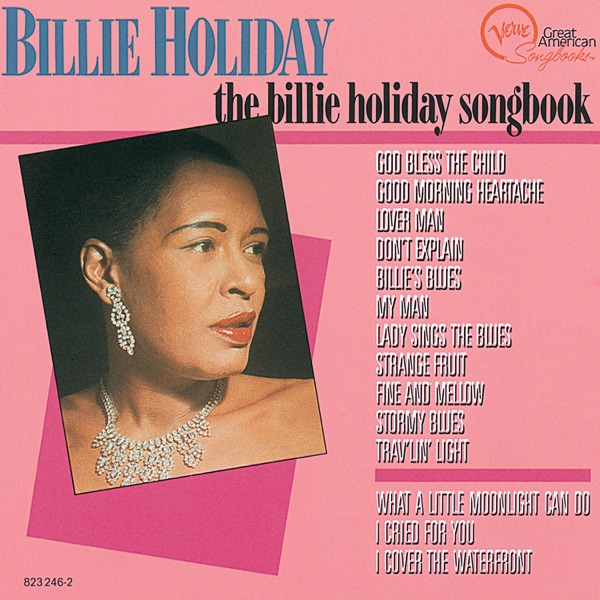
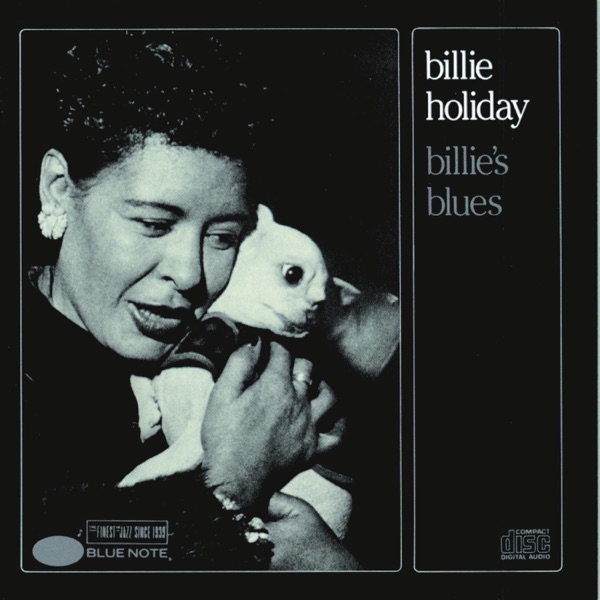
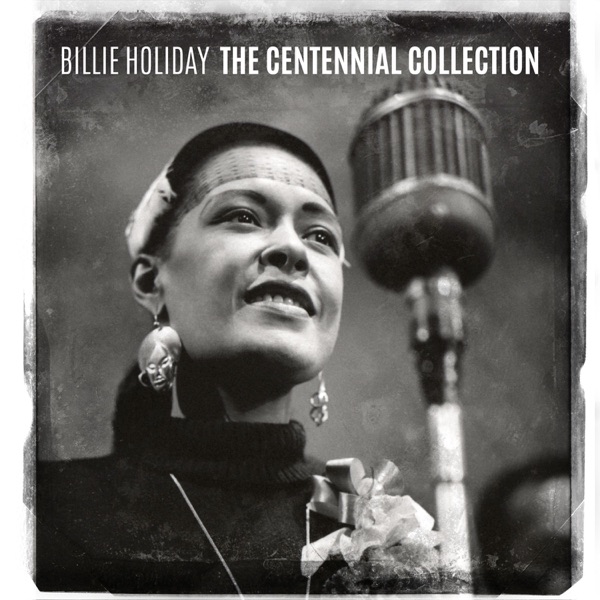
Billie Holiday, affectionately known to fans as“Lady Day”, was one of jazz history’s most soulful and tragic singers. She did more than sing: she used her voice as an improvising instrument and reshaped the aesthetics of jazz and popular music.
A Talent Forged through Hardship (1915–1933)
Born in Philadelphia,Holidaywas originally namedEleanora Fagan. Her childhood was marked by poverty, the absence of her father, and early trauma. Those experiences later became the unmistakable undercurrent of melancholy in her voice. In the early 1930s, she began earning a living in Harlem nightclubs. Her distinctive sound caught the attention of legendary producerJohn Hammond, who discovered her. She then made her first recordings withBenny Goodmanand began her recording career.
The Golden Years and a Musical Soul Mate (1935–1942)
This was the peak ofHoliday’s artistry. She formed one of jazz history’s most moving musical partnerships with pianistTeddy Wilsonand tenor saxophone masterLester Young. She andLester Youngshared an almost telepathic understanding:Lestergave her the celebrated nickname“Lady Day”, and she returned the favor by calling him“Prez”(the President). Their closely intertwined performances in the studio set a high-water mark for the dialogue between voice and horn.
Strange Fruit and the Civil Rights Struggle (1939)
In 1939,Holidayfirst performedCafé Societyat New York’s《Strange Fruit》. The song’s stark account of the lynching of Black people in the American South made “strange fruit hanging from the southern trees” an unmistakable reference to the victims. Its political force led mainstream radio stations to ban it and helped makeHolidaya target of FBI surveillance for two decades. The song became both her signature recording and an enduring cultural monument of the early civil-rights movement.
Addiction, Legal Battles, and a Final Masterpiece (1943–1959)
From the late 1940s onward,Holidaystruggled with addiction, alcoholism, and abusive relationships. In 1947, a drug conviction sent her to prison. After her release, she lost her New York cabaret card, which barred her from performing in the city’s nightclubs and severely damaged her career. Yet hardship deepened her art. In 1958, she recorded the celebrated albumVervefor《Lady in Satin》. Her voice had grown rough, tired, and fragile, but it carried a depth of experience and feeling that was almost unbearably powerful. She died in New York in 1959 from complications of cirrhosis, aged 44, while under arrest.
3. Musical Style: The Art of Improvised Storytelling
-
Revolutionary Rhythmic Phrasing:Holiday: One of her greatest contributions was her command of rhythm. She often sang slightly behind the beat, using a relaxed but precise phrasing that made the lyrics feel like an intimate conversation. Her approach influenced later singers such asChet BakerandFrank Sinatra。
-
The Voice as an Instrument: She did not rely on a wide range or operatic power. Instead, she treated her voice like a trumpet or saxophone, using subtle glissandos, delicate changes in tone, and shifts of emphasis to turn each standard into a personal story.
-
Radical Honesty:Holidayonce said, “I never sing the same song the same way twice.” Each performance reflected the emotion of the moment. Her refusal to disguise pain made her a lasting emotional force in jazz.
In Summary: Billie Holidaywas jazz’s “suffering goddess.” With a voice marked by hardship, she showed that great art does not need perfect pitch; it needs a heart that is truly alive.
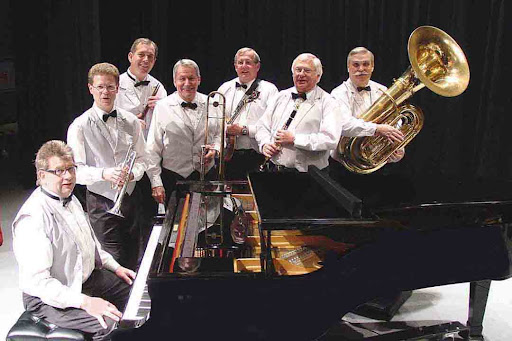
The Red Onion Jazz Babies
The Red Onion Jazz Babieswas not a long-running touring band, butGennett Recordsassembled it specifically for recording sessions between 1924 and 1925 as a temporary all-star group.
-
Active years: November 1924 – January 1925 (main recording period)
-
Recording location: New York
-
Style: Early New Orleans jazz / small-group ensemble from the Chicago era
Core Members: An All-Star Lineup
At the heart of the group wasLil Hardin Armstrong, who was not only its pianist but also Louis Armstrong’s wife at the time.
-
Louis Armstrong: Cornet. He had just left King Oliver’s band in Chicago and was at a turning point, moving from collective improvisation toward the featured soloist role.
-
Sidney Bechet: Clarinet / soprano saxophone. One of the first great woodwind soloists in jazz history.
-
Lil Hardin: Piano. She helped organize the group and contributed as a composer.
-
Other members: including trombonist Charlie Irvis and frequent banjo accompanist Buddy Christian.
Artistic Impact: A Collision of Titans
What critics most often celebrate about the group isthe musical duel between Louis and Bechet。
In 1920s jazz, ensembles usually followed a strict division of parts, but Louis and Bechet were both forceful, fiercely individual talents. On tracks such as “Cake Walking Babies from Home,” you can hear theircombative contrapuntal improvisation. Armstrong’s cornet soars while Bechet’s soprano saxophone answers with a wild vibrato and expansive range. Their competitive exchange helped push jazz from ensemble playing toward the featured soloist.
Recommended Classics
If you are putting together a listening list for the site, these five recordings are among the group’s essential tracks (all recorded in 1924–1925):
-
《Cake Walking Babies from Home》: their best-known track and a classic Armstrong–Bechet showdown.
-
《Terrible Blues》: a glimpse of the deep blues roots of early jazz.
-
《Santa Claus Blues》: a light, relaxed tune with a strong period flavor.
-
《Everybody Loves My Baby》: a fine example of the rapport between Hardin’s piano and Armstrong’s cornet.
-
《Texas Moaner Blues》。
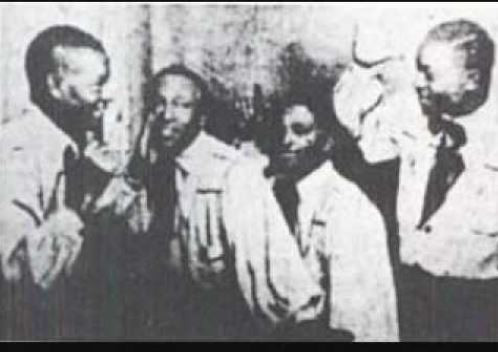
Norfolk Jazz Quartette
Biography
The vocal harmony group the Norfolk Quartette released dozens of records between 1921 and 1940, primarily labeled as the Norfolk Jubilee Quartette.
The Jazz Quartette name was used when the group recorded non-religious material. Founded by bass singer Len Williams and baritone Delroy Hollins, the Norfolks were performing in public as early as 1919 with Otto Tuston and James "Buddy" Butts singing tenor. Hollins acted as manager for the quartet and rehearsed them at home in his living room. During the early '20s they were mainly a vaudeville unit specializing in blues and jazz but also capable of singing gospel. From the get-go their signature sound was shaped by Len Williams, who anchored each song with scat-like rhythmic patterns in the bass clef which were strongly influenced by the jazz music of the day. The Norfolks cut their first records for Okeh in 1921 and appeared in a variety show starring vocalist Mamie Smith in Baltimore during the spring of the following year. They spent much of that summer with the Miller & Lyles musical revue The Flat Below, but were forced to withdraw after Butts was fatally attacked on August 19, 1922 by an enraged knife-wielding girlfriend.
Also known as: Norfolk Jazz, Norfolk Jazz Quartet, The Norfolk Jazz Quartet, The Norfolk Jazz Quartette
Links:
- http://www.redhotjazz.com/norfolk.html
- http://www.allmusic.com/artist/norfolk-jazz-jubilee-quartet-mn0000455381
- https://itunes.apple.com/us/album/norfolk-jazz-and-jubilee-quartet-vol-1-1921-1923/id76927871
- https://de.wikipedia.org/wiki/Norfolk_Jazz_%26_Jubilee_Quartet
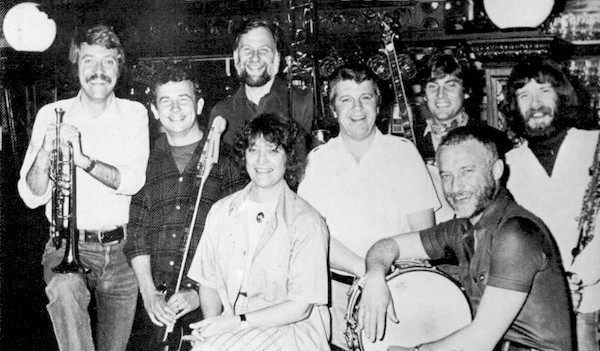
Jazz Doctors
Biography
Swedish Dixieland jazz band founded 1960.
Members: Gösta Linderholm, Marie Johnson, Bo Juhlin, Gunnar Larsson, Göran Pettersson, Hans Pettersson, Staffan Kjellmor, Holger Gross, Eddie Andersson, Gunnar Reichman, Benny Rigman, Lars Johnson, Bernt Helsing, Tommy Jacobsson, Sten Westling (2), Pelle Höbinger, Lars Jelder, Uno Karlén
Links:
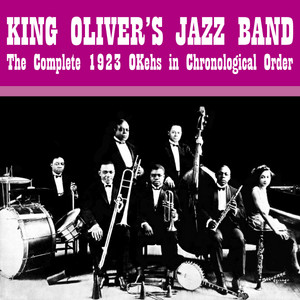
King Oliver's Jazz Band
1. Life and DeathMay 11, 1881 – April 10, 1938
2. Biography
King Oliver(bornJoseph Nathan Oliver) was a pivotal mentor in the formative years of jazz and one of the great standard-bearers of New Orleans jazz. As the spiritual guide and teacher ofLouis Armstrong, he helped establish the cornet’s central role in early jazz. Through his inventive use of mutes, he also gave brass instruments a voice that could seem almost human.
The King of New Orleans Cornet (1900s–1917)
In New Orleans, the cradle of jazz,King Oliverearned the title “King,” inherited fromBuddy Boldenwith his forceful tone and commanding presence. He was a fixture of the legendary Storyville district, leading some of the city’s finest marching bands and dance orchestras. His playing combined power with a vivid rhythmic and blues feel.
Chicago’s Golden Age and the Creole Jazz Band (1918–1924)
In 1918, amid the Great Migration,Olivermoved to Chicago and formed the celebratedKing Oliver’s Creole Jazz BandIn 1922, he wrote to his former New Orleans protégéLouis Armstrong, inviting him to join the band. Their two-cornet counterpoint in Chicago became the stuff of jazz legend. Recordings such as “Dippermouth Blues” captured New Orleans collective improvisation at its height and helped define early jazz.
Tragedy and the Final Years (1925–1938)
As the Swing Era rose,Oliverthe collective improvisation he championed began to seem out of step. His stubbornness cost him several commercial opportunities, including a residency offer at the Cotton Club that later helpedDuke Ellingtonrise to fame. Severe gum disease then robbed him of the embouchure he needed to play. In his later years, he ran a fruit stand in Georgia and even worked as a billiard-hall cleaner. The once-celebrated King of Jazz died in poverty and isolation in 1938.
A Critic’s Column: The Forgotten Creator
As a critic, to understandKing Oliverwe must look beyond his recordings to thegenetic code。
-
The Magician of the Mute: He was among the first to put a cup mute—and even a drinking glass or a bathtub plunger—into a horn. By reshaping the airflow, he made the cornet cry and laugh with a “wah-wah” voice. This person-like sound helped jazz break away from the restraint of European brass traditions and take on the soul of Black spirituals.
-
A Mentor Who Made Room for OthersWithoutOliver’s support,Louis Armstrongmight have remained an ordinary musician on the New Orleans docks. In Chicago, he gave his protégé room to shine, even taking the supporting second part in their two-cornet duets. That artistic generosity helped jazz move from collective improvisation toward the star soloist.
-
A Tragic Purity:Oliver’s final years are among jazz history’s most heartbreaking chapters. He was an old-school craftsman who refused to bend to commercial fashions. When you hear his recordings, which may sound dated today, remember theearthy rootsof jazz in their rawest form—unadorned and full of honest swing.
In Summary: King Oliverwas jazz’sJohn the Baptist. He cleared the way and baptized the talents who followed him in the Jordan. He passed the flame to others, then slowly faded into darkness himself.
A Note from the Critic:When you listen to “Dippermouth Blues,” listen for the signature shout, “Oh, play it!” It carries the vitality of jazz at its birth.King OliverHe missed the best years, but without him, the great jazz era that followed would never have existed.
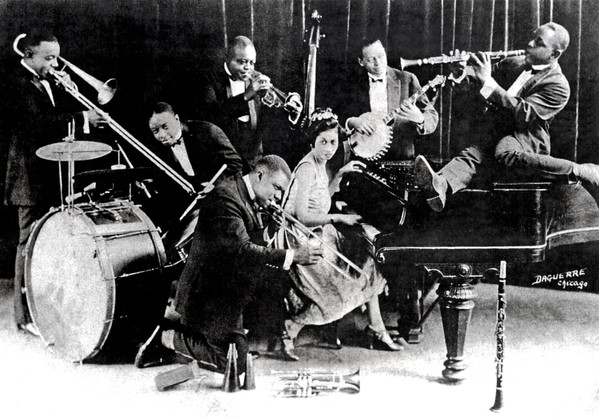
King Oliver's Creole Jazz Band
1. Life and DeathMay 11, 1881 – April 10, 1938
2. Biography
King Oliver(bornJoseph Nathan Oliver) was a pivotal mentor in the formative years of jazz and one of the great standard-bearers of New Orleans jazz. As the spiritual guide and teacher ofLouis Armstrong, he helped establish the cornet’s central role in early jazz. Through his inventive use of mutes, he also gave brass instruments a voice that could seem almost human.
The King of New Orleans Cornet (1900s–1917)
In New Orleans, the cradle of jazz,King Oliverearned the title “King,” inherited fromBuddy Boldenwith his forceful tone and commanding presence. He was a fixture of the legendary Storyville district, leading some of the city’s finest marching bands and dance orchestras. His playing combined power with a vivid rhythmic and blues feel.
Chicago’s Golden Age and the Creole Jazz Band (1918–1924)
In 1918, amid the Great Migration,Olivermoved to Chicago and formed the celebratedKing Oliver’s Creole Jazz BandIn 1922, he wrote to his former New Orleans protégéLouis Armstrong, inviting him to join the band. Their two-cornet counterpoint in Chicago became the stuff of jazz legend. Recordings such as “Dippermouth Blues” captured New Orleans collective improvisation at its height and helped define early jazz.
Tragedy and the Final Years (1925–1938)
As the Swing Era rose,Oliverthe collective improvisation he championed began to seem out of step. His stubbornness cost him several commercial opportunities, including a residency offer at the Cotton Club that later helpedDuke Ellingtonrise to fame. Severe gum disease then robbed him of the embouchure he needed to play. In his later years, he ran a fruit stand in Georgia and even worked as a billiard-hall cleaner. The once-celebrated King of Jazz died in poverty and isolation in 1938.
A Critic’s Column: The Forgotten Creator
As a critic, to understandKing Oliverwe must look beyond his recordings to thegenetic code。
-
The Magician of the Mute: He was among the first to put a cup mute—and even a drinking glass or a bathtub plunger—into a horn. By reshaping the airflow, he made the cornet cry and laugh with a “wah-wah” voice. This person-like sound helped jazz break away from the restraint of European brass traditions and take on the soul of Black spirituals.
-
A Mentor Who Made Room for OthersWithoutOliver’s support,Louis Armstrongmight have remained an ordinary musician on the New Orleans docks. In Chicago, he gave his protégé room to shine, even taking the supporting second part in their two-cornet duets. That artistic generosity helped jazz move from collective improvisation toward the star soloist.
-
A Tragic Purity:Oliver’s final years are among jazz history’s most heartbreaking chapters. He was an old-school craftsman who refused to bend to commercial fashions. When you hear his recordings, which may sound dated today, remember theearthy rootsof jazz in their rawest form—unadorned and full of honest swing.
In Summary: King Oliverwas jazz’sJohn the Baptist. He cleared the way and baptized the talents who followed him in the Jordan. He passed the flame to others, then slowly faded into darkness himself.
A Note from the Critic:When you listen to “Dippermouth Blues,” listen for the signature shout, “Oh, play it!” It carries the vitality of jazz at its birth.King OliverHe missed the best years, but without him, the great jazz era that followed would never have existed.
Jazz At The Philharmonic
Biography
Jazz At The Philharmonic is a trademark used by jazz entrepreneur and label owner [a=Norman Granz].
Please note: When used as a banner for the ever-changing jam session groups in his touring events or on records, Jazz At The Philharmonic can be used as main artist. But only when Jazz At The Philharmonic is billed on the release in the main artist's place - and when no other obvious main artist is billed on the release or promoted on cover and labels.
Norman Granz's Jazz at the Philharmonic releases do not follow a usual industry pattern for naming and crediting:
All JATP releases with the name and/or logo on them should be listed under the [l=Norman Granz Presents Jazz At The Philharmonic] series, even when Jazz At The Philharmonic is used as main artist. The shorter Jazz At The Philharmonic or any other variation of JatP ahould never be listed as a label, but instead as a series, with the relevant label in brackets afterward if necessary - such as [l=Norman Granz Presents Jazz At The Philharmonic (Verve)].
Company: In the 50's with the Inc. extension, the entity was also a company; [l=Jazz At The Philharmonic, Inc.]
Office: 451 N Canon Dr, Beverly Hills, CA
Also known as: J.A.T.P., J.A.T.P. All Stars, J.A.T.P. All-Stars, JATP, JATP All Stars, JATP All-Stars, Jazz All Stars, Jazz At The Philharmonic All Stars, Jazz At The Philharmonic All-Stars, Jazz At The Philharmonic Concert, Jazz At The Philharmonic Vol. 5, Jazz at the Philharmonic All-Stars, Norman Grantz' Jazz At The Philharmonic, Norman Granz "Jazz At The Philharmonic", Norman Granz Jazz, Norman Granz Jazz At The Philharmonic, Norman Granz' J.A.T.P., Norman Granz' Jazz At The Philharmonic, Norman Granz' Jazz At The Philharmonic Vol. #1, The All Stars, The JATP ALL-STARS, The JATP All Stars, The JATP's, The JATPs, The Jazz All Stars, The Jazz At The Philharmonic All-Stars

Jazz Gitti
Biography
*13 May 1946 in Vienna, Austria
Jazz Gitti is an Austrian Schlager singer whose recording career spans several decades, beginning in the 1980s and peaking in popularity during the early '90s, when she fronted the band [a1576148]. Born Martha Bohdal on May 13, 1946, in Vienna, Austria, she made her recording debut in 1984 with the 7" single "[r=3020536]" on the label Sing Sang. However, her career didn't take flight until 1990 with the release of her chart-topping full-length album debut, [m=329472]. Billed to [a1576148], the album spawned the number three smash hit single "[r=3037584]".
Subsequent albums [m=357229] (1991), [m=3295714] (1993), [m=2113675] (1995), and [m=2113672] (1996) were fairly popular, reaching the Top 20 or so, but none could rival the success of [m=329472], and none spawned a smash hit single as big as "[r=3037584]". While Jazz Gitti was steadily active in the years that followed, releasing the albums [r=5247310] (1998), [r=24200336] (2001), Es Geht Immer Bergauf (2003), and [r=2837375] (2004), her popularity declined considerably. Not until she moved to the Rebeat label for the release of [r=2838791] in 2006 did she score a major hit. A pair of similarly successful Top Ten albums, [r=2837457] (2007), [r=2837441] (2009) and [r=2837411] (2011) followed.
Also known as: Jazz-Gitti
Links:
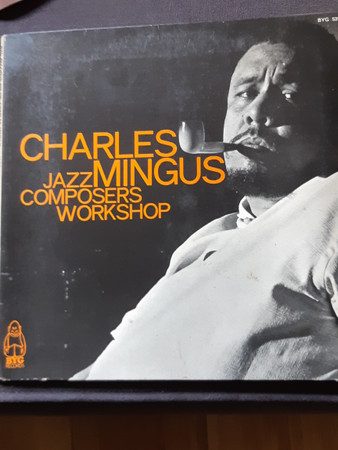
Charles Mingus Jazz Workshop
Also known as: Charles Mingus & The Jazz Workshop All Stars, Charles Mingus And His Jazz Composers Workshop, Charles Mingus' Jazz Workshop, Charlie Mingus Et Son Jazz Workshop, Charlie Mingus Jazz Workshop, J.W.I. : Jazz Workshop Inc., Jazz Workshop, The Charles Mingus Jazz Worksho, The Charles Mingus Jazz Workshop, The Charlie Mingus Jazz Workshop, The Charlie Mingus Jazz Worshop, チャーリー・ミンガス
Members: Richard Williams, Jackie McLean, Eric Dolphy, Yusef Lateef, Charles Mingus, Roland Kirk, Kenny Clarke, Teo Macero, J.J. Johnson, Don Butterfield, Dannie Richmond, Jaki Byard, Booker Ervin, Willie Dennis, Horace Parlan, Jimmy Knepper, Paul Bley, Doug Watkins, Johnny Coles, Ted Curson, Henry Grimes, Mal Waldron, Art Taylor, Pepper Adams, Bennie Green, Clifford Jordan, Kai Winding, John Lewis (2), Thad Jones, Britt Woodman, J.R. Monterose, Willie Jones, George Barrow, Bill Hardman, Charles McPherson, Herman Wright, Curtis Porter, John Laporta, Toshiko Akiyoshi, Clarence Shaw, Bob Hammer, Ed Armour, Jackson Wiley, Clem De Rosa, Nico Bunink, Wally Cirillo, Rudy Nichols
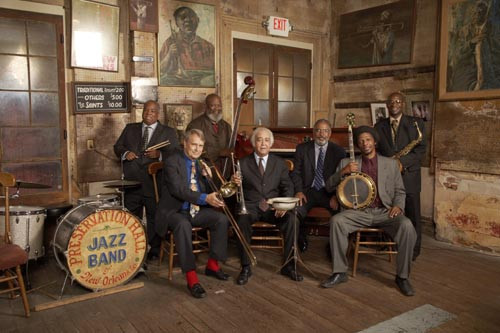
Preservation Hall Jazz Band
Biography
The Preservation Hall Jazz Band derives its name from [l=Preservation Hall], the venerable music venue located in the heart of New Orleans’ French Quarter, founded in 1961 by Allan and Sandra Jaffe. The band has traveled worldwide spreading their mission to nurture and perpetuate the art form of New Orleans Jazz.
The Preservation Hall Jazz Band is:
• Mark Braud - trumpet, vocals
• Charlie Gabriel - clarinet, vocals
• Freddie Lonzo - trombone
• Rickie Monie - piano
• Clint Maedgen - tenor saxophone, vocals
• Ben Jaffe - Creative Director, tuba
• Ronell Johnson - tuba
• Joe Lastie, Jr. - drums
Other members sometimes include:
• Frank Demond - trombone
• Shannon Powell - percussion
• Leroy Jones - trumpet
• Carl LeBlanc - banjo
• Darryl Adams - saxophone
• Elliot "Stackman" Callier - saxophone
• David Silverman - tuba
Also known as: Full Band, New Orleans' Sweet Emma And Her Preservation Hall Jazz Band, Preservation Hall, Preservation Hall Band, Preservation Hall Horns, The Preservation Hall Band, The Preservation Hall Horns, The Preservation Hall Jazz Band
Members: Leroy Jones, Rickie Monie, Emma Barrett, George Lewis (2), Freddie Lonzo, Dr. Michael White, Willie Humphrey, Walter Payton, Lester Caliste, Carl LeBlanc, Jim Robinson (2), Alcide (Slow Drag) Pavageau, Craig Klein, Shannon Powell, Ralph Johnson (2), Thaddeus Richard, Lucien Barbarin, Ronell Johnson, Darryl Adams (3), Chester Zardis, Don Vappie, Clint Maedgen, Emanuel Sayles, Josiah "Cie" Frazier, Percy Humphrey, Narvin Kimball, Sing Miller, Mark Braud, Joe Lastie, Jr., Charlie Gabriel, Allan Jaffe (2), Wendell Brunious, Jacques Gauthé, Ernie Elly, Maynard Chatters, Ben Jaffe (3), Frank Parker (4), John Brunious (2), David Grillier, Kyle Roussel, Kerry "Fatman" Hunter, Walter Harris (6), Klint Maedgen
Links:
- https://www.preservationhall.com/
- https://www.facebook.com/PreservationHall/
- https://www.youtube.com/user/preservationhall
- https://twitter.com/PresHall
- https://www.allmusic.com/artist/preservation-hall-jazz-band-mn0000358532
- https://en.wikipedia.org/wiki/Preservation_Hall_Jazz_Band
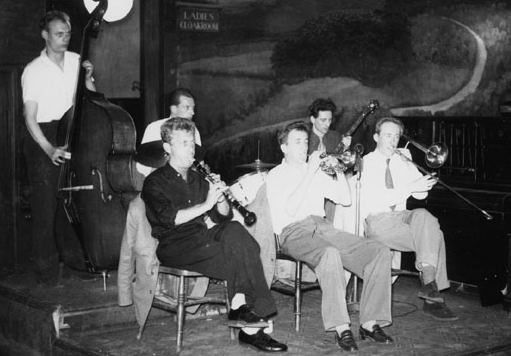
Chris Barber's Jazz Band
Biography
In 1954 the members of [a941219] split from Ken Colyer and became Chris Barber's Jazz Band. They have been one of Europe's most successful traditional jazz bands ever since.
Over the years, Chris Barber's Jazz Band evolved into [a271498], an eight-piece group, mixing the styles of blues and jazz. The demarcation of this transition is March 1973.
At the end of 2001 Chris extended his band with three more musicians into The Big Chris Barber Band.
[B]Note:[/B] Due to the complex nature of this bands history, please add all recordings prior to March 1973 to this page, variants of the Band name may include Chris Barber & His Band / Chris Barber's Travelling Band / Chris Barber's Jazz Band with Ottilie Patterson.
Also known as: Barber, Barber Jazz Band, Barber Jazz band, Barber's New Orleans Jazzband, Ch. Barber's Jazz Band, Chreis Barber's Jazz Band, Chris Babers Jazz Band, Chris Barber, Chris Barber And His Jazz Band, Chris Barber & Band, Chris Barber & His Band, Chris Barber & His Jazz Ban, Chris Barber & His Jazz Band, Chris Barber & His Jazzband, Chris Barber + Band, Chris Barber And His Band, Chris Barber And His Jazz Band, Chris Barber And His Jazzband, Chris Barber And His New Orleans Jazz Band, Chris Barber Band, Chris Barber Jazz Band, Chris Barber Jazzband, Chris Barber Mit Ensemble, Chris Barber Se Svým Orchestrem, Chris Barber Und Seine Jazzband, Chris Barber Y Su Conjunto, Chris Barber and his Jazz Band, Chris Barber mit Ensemble, Chris Barber y Su Banda de Jazz, Chris Barber's & His Jazz Band, Chris Barber's American Jazz Band, Chris Barber's Band, Chris Barber's Jazz & Blues Band, Chris Barber's Jazz Band And Singers, Chris Barber's Jazz and Blues Band, Chris Barber's Jazzband, Chris Barber's Jazzband Of 1954, Chris Barber's Jazzmen, Chris Barber's New Orleans Jazz Band, Chris Barbers Jazz Band, Chris Barbers Jazzband, Chris Barber´s Jazz Band, Ensemble, His Jazz Band, The Big Chris Barber Band, The Chris Barber And His Jazz Band, The Chris Barber Band, The Chris Barber Jazz Band, The Chris Barber Jazz-Band, The Chris Barber's Jazzband, Крис Барбер И Его Диксиленд
Members: Pat Halcox, Ron Bowden, John Crocker, Ian Wheeler, Chris Barber, John Slaughter, Lonnie Donegan, Monty Sunshine, Jim Bray, Eddie Smith (2), Graham Burbidge, Dick Smith (2), Steve Hammond (2), Stu Morrison, Jackie Flavelle, Ottilie Patterson, Dick Bishop, Micky Ashman, Alex Revell
Links:
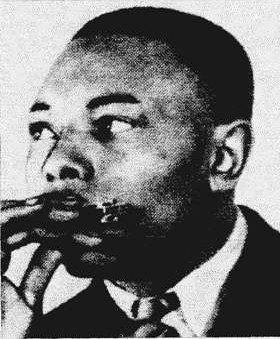
Jazz Gillum
Biography
Blues singer and harmonica player, active from 1923 until 1961.
Born: September 11, 1904 in Indianola, Mississippi
Died: March 29, 1966 in Chicago, Illinois
Gillum ran away from home at age seven and for the next few years worked and played for tips on street corners. In 1923, he moved to Chicago, where he met the guitarist [a=Big Bill Broonzy]. The duo started working at nightclubs around the city. By 1934 Gillum was recording for ARC Records and [l=Bluebird Records].
His recordings, under his own name and as a sideman, were included on many of the highly popular "Bluebird beat" recordings produced by [a=Lester Melrose] in the 1930s and 1940s. In 1940, he was the first to record the blues classic "Key to the Highway" (featuring Broonzy on guitar), utilizing the now-standard melody and eight-bar blues arrangement. He joined the United States Army in 1942 and served until 1945. His last recordings were on a couple of 1961 albums with [a=Memphis Slim] and the singer and guitarist [a=Arbee Stidham], for [l=Folkways Records].
On March 29, 1966, Gillum was shot in the head during a street argument and was pronounced dead on arrival at Garfield Park Hospital, in Chicago.
Also known as: "Jazz" Gillum, Bill "Jazz" Gillum, Bill 'Jazz' Gillum, Bill Gillum, Bill Jazz Gillum, Gillum, Gillum/McKinley, J. Gilham, J. Gillum, Jazz Gilham, Jazz Gillam, W. Gillum, W. M. Gillum, William "Jazz" Gillum, William Gillum, Wm. Gillum
Links:
- https://en.wikipedia.org/wiki/Jazz_Gillum
- https://www.allaboutbluesmusic.com/jazz-gillum/
- https://adp.library.ucsb.edu/names/110404