

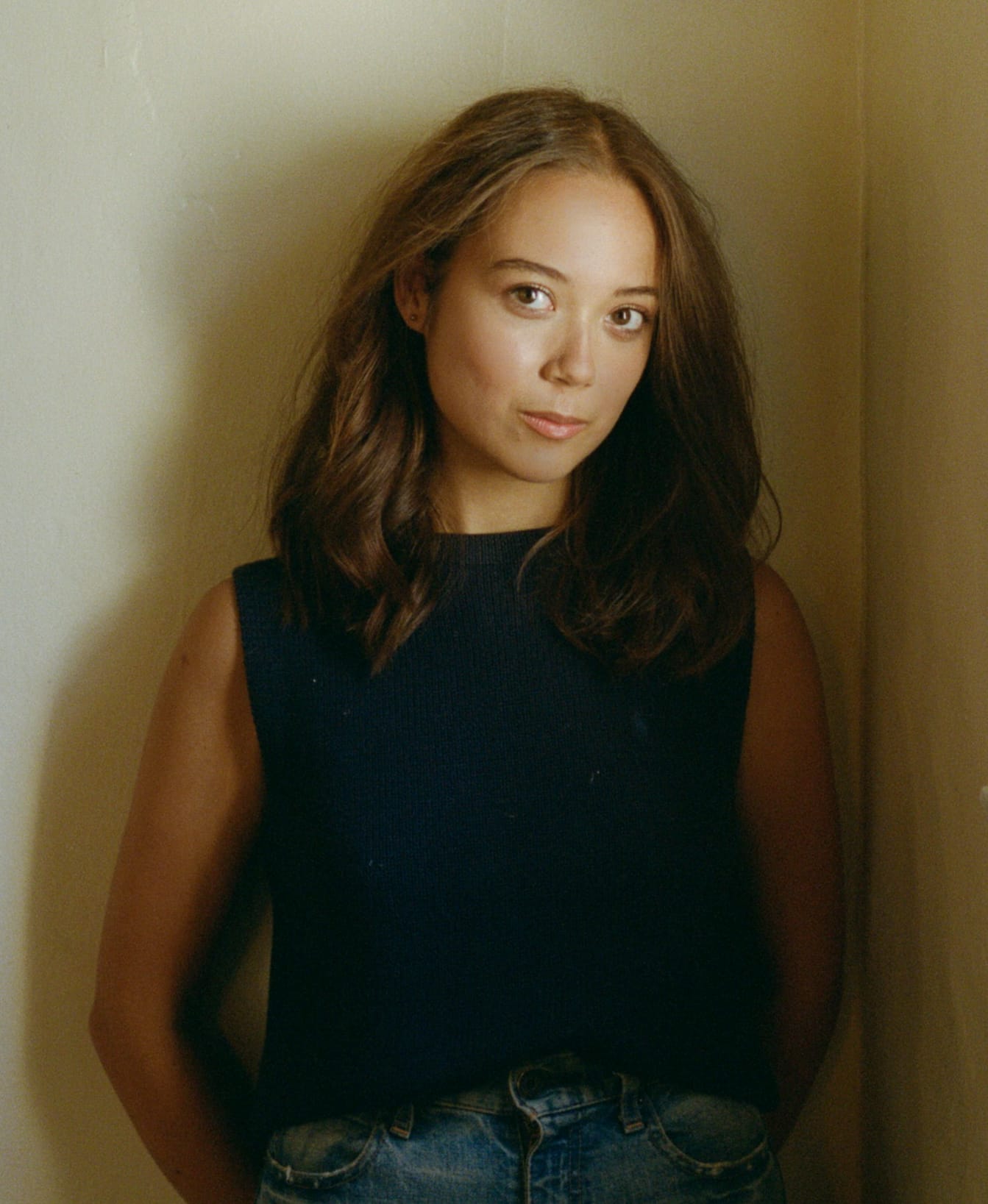
Laufey
She is an Icelandic-Chinese singer-songwriter who has become a phenomenon in contemporary music. By combiningthe elegance of classical musicwiththe storytelling of traditional pop, she helped spark a “jazz revival” among Generation Z.
1. A Cross-Cultural Background and Classical Roots (1999–2020)
-
A Multicultural Heritage: Born in Reykjavík, Iceland, Laufey is the daughter of a classical violinist from Guangzhou and an Icelandic father. She grew up between Western classical music and East Asian culture.
-
A Multi-Instrumentalist: She began piano at four and cello at eight, and performed as a cello soloist with the Iceland Symphony Orchestra.
-
Studies at Berklee: After high school, she received a Presidential Scholarship to study atBerklee College of Music, where she began bringing the feel of jazz standards into contemporary songwriting.
2. A “Jazz Sensation” on Social Media (2020–2022)
-
Bedroom Recordings: During pandemic lockdowns, she posted covers of jazz standards and original songs on TikTok and Instagram.
-
Debut EP: In 2021, she released《Typical of Me》. Its single “Street by Street” spread rapidly on social media and drew the attention of artists including Billie Eilish.
3. Grammy Recognition and Global Success (2023–Present)
-
The Success of Bewitched: In 2023, she released her second full-length album,《Bewitched》(Bewitched). It set a Spotify record for the most first-day streams of a jazz album and earned her the2024 Grammy Award for Best Traditional Pop Vocal Album。
-
A Symphonic Crossover: She regularly collaborates with world-class orchestras, including the London Philharmonic, bringing cinematic orchestration to pop performances.
Musical Style: A Modern Vintage Soul
-
A Contralto Voice: Laufey has an unusually low, magnetic contralto voice that recalls Chet Baker and Ella Fitzgerald in the 1950s.
-
Jazz Meets Pop: She describes her style as “modern jazz pop.” She retains jazz’s harmonic complexity, including rich inversions, while writing lyrics that speak directly to the romantic lives of young listeners today.
-
Visual Aesthetic: Her visual style is clean, vintage, and bookish, drawing on the looks known as “cottagecore” and “dark academia.”
In Summary:Laufey is jazz’s“translator”. In language that speaks to a younger generation, she reinterprets the romance and elegance of the mid-20th century.
An Aesthetic Connection: As a 48-year-old art enthusiast, you may hear echoes of the jazz greats you have explored, such as Chet Baker, alongside a fresh energy that belongs to Generation Z. Her music makes an appealing soundtrack for hands-on digital work such as 3D design and printing: calming, yet full of structure.

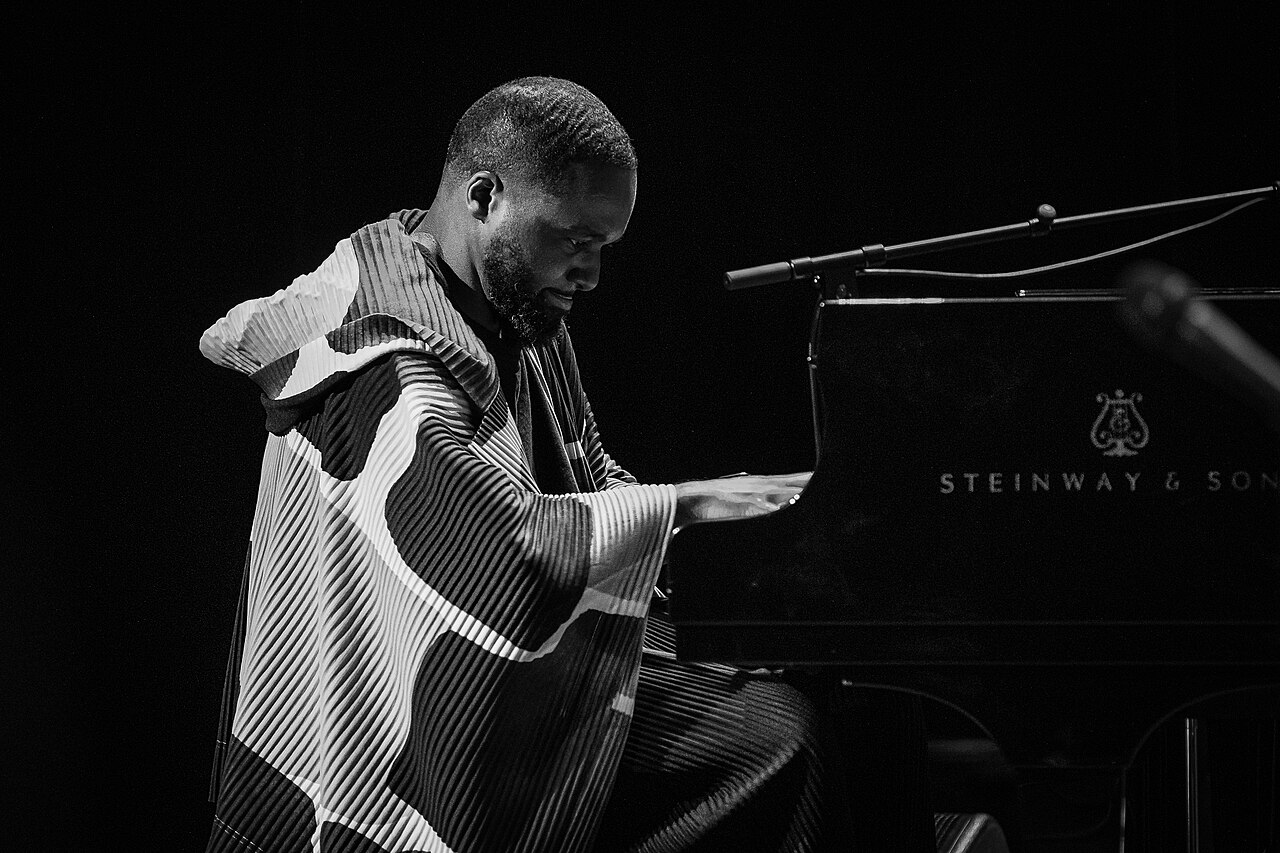
Sullivan Fortner
Sullivan Joseph Fortner (born December 29, 1986) is an American jazz pianist. From 2010 to 2017, he was the regular pianist in trumpeter Roy Hargrove’s band, and he released two albums on Impulse! Records. He has won three Grammy Awards, including Best Jazz Performance for “Twinkle Twinkle Little Me,” recorded with Samara Joy.
Early LifeFortner was born and raised in New Orleans. He began learning piano at age four. [2] He was inspired after seeing a woman play the organ at a local church. His mother led the Baptist church choir, and he began playing the organ there at age seven. For a time, he relied on perfect pitch to learn and play music; that changed after he successfully auditioned for the New Orleans Center for Creative Arts.EducationFortner later earned a bachelor’s degree at Oberlin College and a master’s degree at the Manhattan School of Music.Career
Fortner with the Roy Hargrove Quintet
In 2009, Fortner joined vibraphonist Stefon Harris’s band and toured Europe with the group. From 2010 to 2017, he was the pianist in trumpeter Roy Hargrove’s quintet. In 2011, Fortner realized that his musical knowledge was too limited and was deeply influenced by pianist Barry Harris. In 2013, he recorded with Hargrove band saxophonist Justin Robinson. In 2015, Fortner received the Cole Porter Fellowship in Jazz from the American Pianists Association, which included a $50,000 award, a recording opportunity with Mack Avenue Records, and two years of career-development services and support.
In early 2015, Fortner’s quartet included saxophonist Tivon Pennicott, bassist Ameen Saleem, and drummer Jeremy “Bean” Clemons. His debut as a leader, Aria, was released by Impulse! Records and received a four-star review from DownBeat. His next album, Moments Preserved, was primarily a trio recording with Saleem and Clemons, with Hargrove appearing on three tracks. Fortner also recorded on several tracks on Paul Simon’s In the Blue Light.
At the 2026 Grammy Awards, Fortner won Best Jazz Instrumental Album for Southern Nights.
Awards and honors
2016: Lincoln Center Emerging Artist Award
2016: DownBeat magazine’s “25 for the Future”
2020: DownBeat Critics Poll, Rising Star Arranger
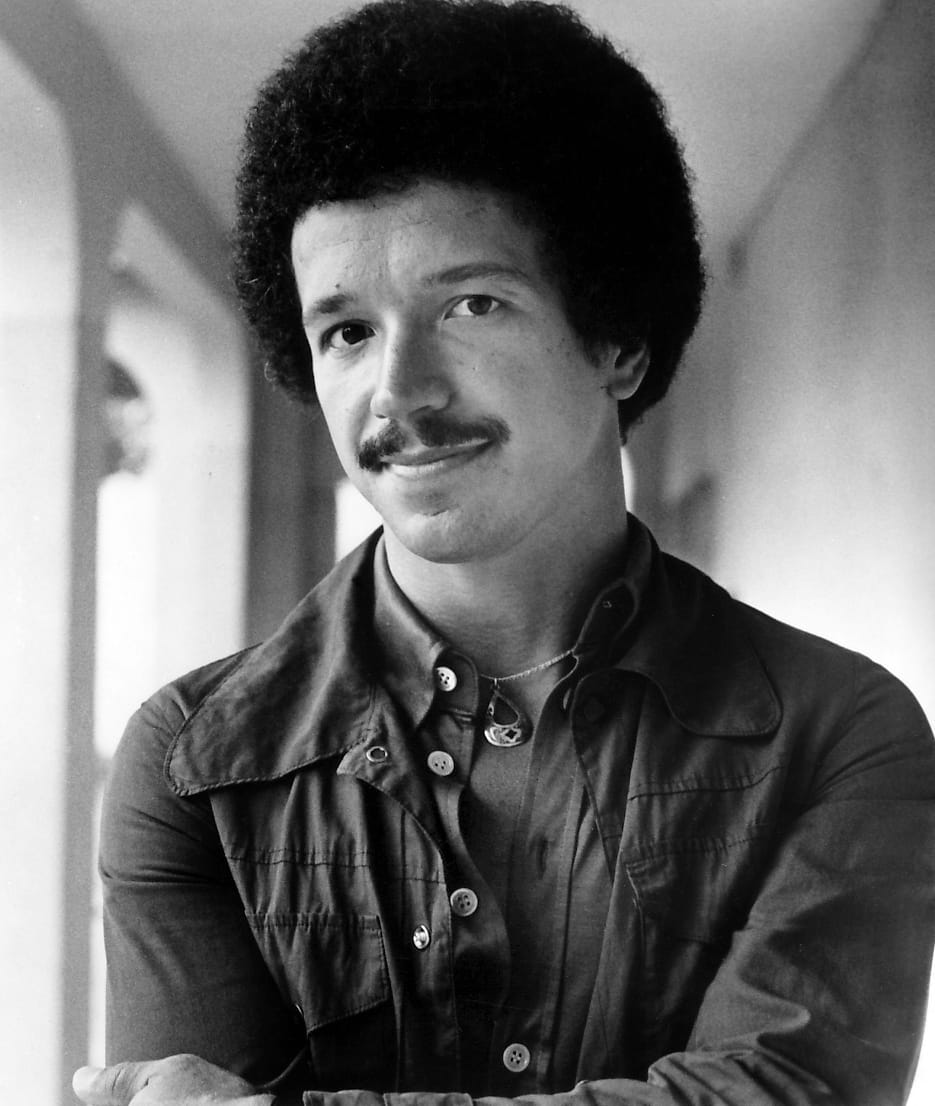
Keith Jarrett
A concise biography ofKeith Jarrett (born 1945):
One of the most gifted and controversial piano masters in jazz, Jarrett is known for hisfully improvised solo concertsand for blending jazz with classical, gospel, and folk music.
1. A Prodigy and Miles Davis’s Band (1960s–1971)
-
Classical Background: Born in Pennsylvania, Jarrett began piano lessons at age three and was a true prodigy. He was accepted to the Berklee College of Music but, dissatisfied with formal training, left after a year and moved to New York.
-
From R&B to Fusion: He first gained attention in Charles Lloyd’s quartet, then joinedMiles Davis’s band (1970–1971), playing electric organ and piano during the Bitches Brew period. Jarrett strongly disliked electric instruments, however, and played only acoustic piano after leaving Davis.
2. The Köln Concert and the Peak of Improvisation (1970s)
-
The Köln Concert: In 1975, Jarrett gave a fully improvised concert in Cologne, Germany. The piano was in poor condition and Jarrett felt unwell, but the performance becamethe best-selling solo jazz album in history. Its beautiful melodies and emotional depth reached countless listeners beyond the jazz audience.
-
American and European Quartets: During this period, he led two leading groups: one exploring avant-garde jazz in the United States, the other a more restrained, distinctly Northern European sound.
3. The “Standards” Trio (1983–2014)
-
A Legendary Trio: Jarrett formed one of jazz’s greatest trios with bassist Gary Peacock and drummer Jack DeJohnette.
-
Reimagining the Standards: Through radical reinterpretations and improvisations on standards such as “Autumn Leaves,” the trio showed that familiar songs could have a limitless life.
4. Illness, Challenges, and Retirement (1990s–Present)
-
Chronic Fatigue Syndrome: In the late 1990s, illness forced him to withdraw for several years. After recovering, he played in a more restrained and peaceful style, as heard on the acclaimed album《The Melody At Night, With You》)。
-
Stroke and Later Years: In 2018, Jarrett suffered two severe strokes, leaving the left side of his body paralyzed. In 2020, he said he might never again be able to play piano with both hands.
Artistic Style and Idiosyncrasies
-
Pure Improvisation: He often arrived at concerts without prepared music, sat down, and began to play. He saw music as energy “flowing through” his body in that moment.
-
A Singular Performer: He was known forhumming loudly and moving his bodyduring concerts. His expectations of the audience were exacting: a cough, camera flash, or ill-timed applause could prompt him to leave the stage in anger.
-
Classical Achievement: He was one of the few jazz musicians to record Bach’s Well-Tempered Clavier and Mozart concertos to widespread critical acclaim.
In Summary:Keith Jarrett is jazz’s“loner”. He defended the integrity of acoustic piano with uncompromising purity and brought jazz improvisation to a grand, almost classical scale.
An Aesthetic Connection: If you need a sense offluid, organic movementwhile working on a 3D model, Jarrett’s solo concerts make ideal background listening. His music has no fixed grid; it grows moment by moment.
The Danish Radio Jazz Group
Biography
"Radiojazzgruppen" aka The Danish Radio Jazz Group was formed in 1961 by The Danish Broadcasting Corporation, [l=DR] as a nine piece band led by [a=Erik Moseholm]. The ensemble was discontinued in 1986.
[b]NB: Not to be mistaken for [a2021619] which is a big band and the alias of [a=Danish Radio Big Band].[/b]
Also not to be confused with the Swedish equivalent [a=Radiojazzgruppen].
Also known as: Danish Radio Jazz Orchestra, Radiojazzgruppen, The Danish Radio Jazz Orchestra, The New Radio Dance Orchestra, The Radio Jazz Group
Members: Louis Hjulmand, Palle Mikkelborg, Bernt Rosengren, Niels-Henning Ørsted Pedersen, Allan Botschinsky, Alex Riel, Ray Pitts, Bent Axen, Niels Husum, Torolf Mølgaard, Bent Nielsen, Fritz von Bülow, Poul Hindberg, Erik Moseholm, Torben Munk, Ole Kock Hansen, Ole Molin, Bent Jædig, Poul Kjældgård, Ib Renard, Svend Åge Nielsen
Links:
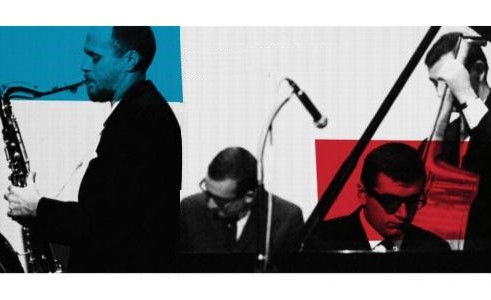
Polish Jazz Quartet
Biography
Polish jazz group founded in 1963 by [a=Jan Ptaszyn Wróblewski].
Members: Wojciech Karolak, Jan Ptaszyn Wróblewski, Andrzej Dąbrowski, Juliusz Sandecki
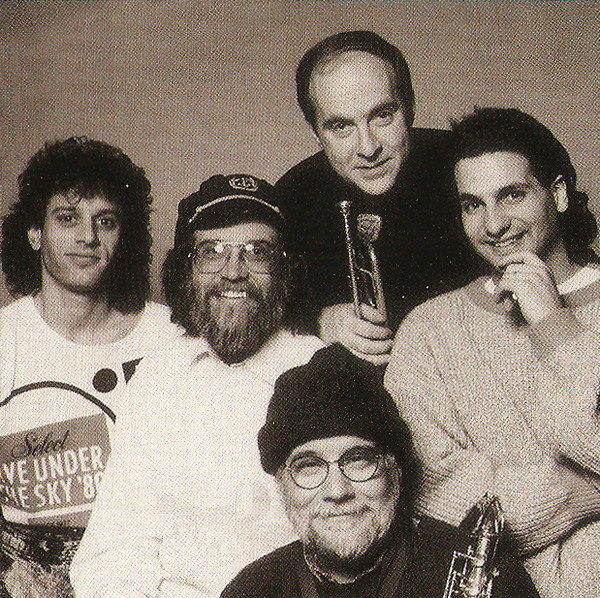
Manhattan Jazz Quintet
Biography
US jazz ensemble with different lineups, formed in 1983 by [a386834].
Also known as: Manhattan Jazz Quintet Reunion
Members: Chris Hunter, Lew Soloff, John Patitucci, Peter Erskine, Steve Gadd, George Young (2), Charnett Moffett, Dave Weckl, Eddie Gomez, Victor Lewis, Andy Snitzer, Hans Glawischnig, Jimmy Madison, Dave Matthews (3), Michael Rodriguez, François Moutin, Jon Burr, Cliff Almond
Links:
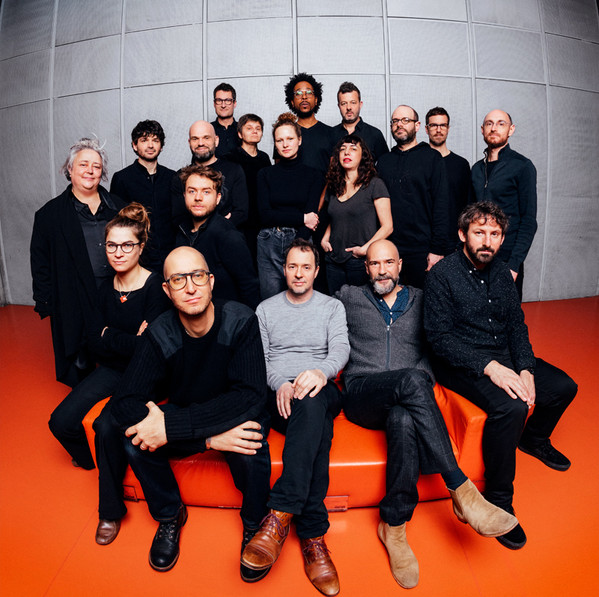
Orchestre National De Jazz
Biography
French jazz ensemble.
Also known as: L'Orchestre National De Jazz, O.N.J. 88 89, ONJ, ONJ 2006, ONJ 89/90, ONJ 90/91, ONJazz, Orchestre National De Jazz Laurent Cugny
Members: Gianluca Petrella, Nguyên Lê, Stefano Di Battista, Julien Lourau, Harry Beckett, Sophia Domancich, Xavier Garcia, Elise Caron, Michel Benita, Sophie Agnel, Alain Hatot, Michael Riessler, Renaud Garcia-Fons, Mico Nissim, Michael Leonhart, Marc Ducret, Glenn Ferris, Geoffroy Tamisier, Jean-Louis Chautemps, Paul Rogers (2), Serge Plume, Patrice Heral, Geoffroy De Masure, Stéphane Huchard, Jacques Bolognesi, Christian Martinez, François Jeanneau, Jean-Luc Ponthieux, Michel Godard, Chris Biscoe, Guillaume Poncelet, Flavio Boltro, Pierre-Olivier Govin, Daniel Zimmermann, Sylvain Daniel, Jean-François Canape, Yves Favre, Gérard Siracusa, Pierre Drevet, Gilbert Dall'anese, Vincent Courtois, Stéphane Belmondo, Bobby Rangell, André Ceccarelli, Jean-Louis Matinier, Eric Séva, François Verly, Philippe Legris, Ramón López, Philippe Guez, Jean-Louis Damant, Richard Foy, Eric Barret, Phil Abraham, Eric Echampard, Frédéric Couderc, Nicolas Folmer, Yves Robert, Bob Harrison (2), Jacques Peillon, Xavier Desandre Navarre, Heiri Känzig, Fabrice Martinez, Claude Barthélémy, Eric Mula, Stéphane Guillaume, Alexandra Grimal, Philippe Slominski, Christophe Marguet, Bruno Chevillon, François Laizeau, Pascal Benech, Philippe Sellam, Claus Stötter, François Moutin, Paul Brousseau, Didier Havet, Jean-Pierre Solves, Simon Spang-Hanssen, Denis Leloup, Olivier Benoit, Guillaume Roy, Régis Huby, Aaron Scott, Didier Levallet, Sebastien Llado, Médéric Collignon, Alain Grange, Claude Gomez, Jean Dousteyssier, Laurent Cugny, Yves Torchinsky, Jean-Marc Jafet, Franck Tortiller, Jean Gobinet, Frédéric Favarel, Frédéric Monino, David Pouradier Duteil, Nedim Nalbantoğlu, Matthieu Metzger, Hugues Mayot, Luca Bonvini, Antoine Illouz, Alain Vankenhove, Francis Bourrec, Vincent Limouzin, Denis Barbier, Andy Emler, Mathilde Fèvre, Antoine Hervé, Michel Delakian, Jean-Louis Pommier, Gérard Pansanel, Patrick Fabert, Christian Lété, Pierre-Michel Balthazar, Michel Marre, Laurent Hoevenaers, Jean-Rémy Guédon, Didier Ithursarry, Benoît De Mesmay, Bernard François, Lionel Benhamou, Michel Feugère, Catherine Delaunay, Denis Badault, Jocelyn Mienniel, Manuel Denizet, Bruno Ruder, Thomas De Pourquery, Serge Lazarevitch, Christian Laisné, Jean-Marc Larché, Jean-Luc Landsweerdt, Nicolas Mahieux, Alexis Thérain, Philippe Lemoine, Vincent Mascart, Olivier Lété, Joël Chausse, Sylvain Bardiau, François Chassagnite, Claude Egéa, Maria-Laura Baccarini, Jean-Michel Couchet, Vincent Lafont, Eve Risser, Susana Santos Silva, Yoann Serra, Christiane Bopp, Rémi Biet, Antonin-Tri Hoang, Stéphan Caracci, Théo Ceccaldi, Fabien Norbert, Rémi Dumoulin, Pierre Perchaud, Fidel Fourneyron, Julien Soro, Rafael Koerner, Fabien Debellefontaine, Didier Aschour, Lionel Surin, Raphaël Schwab, Leila Martial, Maxime Morel, Pierre Durand (3), Claire Fargier-Lagrange, Frédéric Maurin, Juliette Serrad, Laurent Blumenthal, Mokthar Samba, Bruno Rousselet (2), Judith Wekstein, Linda Oláh, Anna-Lena Schnabel, Morgane Carnet, Ellinoa, Elsa Moatti, Romain Dayez
Links:
- https://www.onj.org/
- https://orchestrenationaldejazz.bandcamp.com/
- https://fr.wikipedia.org/wiki/Orchestre_national_de_jazz
- https://en.wikipedia.org/wiki/Orchestre_National_de_Jazz
- https://www.imdb.com/name/nm12618200/
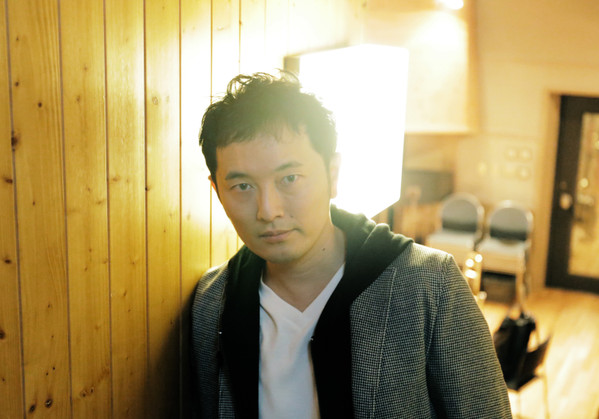
Jazztronik
Biography
Jazztronik is a freeform music project by DJ, keyboardist, and producer Ryota Nozaki. In 2017 he launched his own label called "[l1384733]".
Also known as: Hybrid Works, JTK, Jazztronic
Members: George Kano
Links:
- https://jazztronik.com
- https://www.facebook.com/jazztronik
- https://soundcloud.com/jazztronik
- https://twitter.com/Jazztronik_
- https://myspace.com/jazztronik
Czechoslovak Radio Jazz Orchestra
Biography
Big band of the Czechoslovak Radio, originally established in 1960 in Prague as “Taneční orchestr Československého rozhlasu” ([a=Czechoslovak Radio Dance Orchestra], 1967–1968 also known as [a=Orchestr Karla Krautgartnera (2)]) and led by [a=Karel Krautgartner] until 1968. Having identical personnel as the latter two, this orchestra name was used for jazz recordings and releases from 1962 until 1992, usually conducted by [a=Kamil Hála].
In 1993 the orchestra’s name was changed to “[a=Big Band Radio Praha]” and eventually to “[a=Big Band Českého Rozhlasu]” (BB ČRo), still featuring [a=František Kryka] as the longest active member since 1961, and led by [a=Václav Kozel] since September 2002 until December 2012. Since January 2013 until December 2014 the new Czech Radio “resident” big band is the former [a=Gustav Brom Orchestra], presently led by [a=Vladimír Valovič] as “Rozhlasový big band Gustava Broma”.
Also known as: CZ Radio Jazz Orchestra, Czechoslovak Radio Prague Jazz Orchestra, Džezový Orchestr Čs. Rozhlasu, JOČR, Jazz Orchestra Czech Radio, Jazz Orchestra Of The Czechoslovak Radio, Jazz Orchestra Radio Prague, Jazz-Orchestr, Jazz-Orchestr: Edy Valis, Jazz-Orchestra, Jazzový Orch. Čs. Rozhlasu, Jazzový Orchestr Československého Rozhlasu, Jazzový Orchestr Čs. Rozhlasu, Jazzový Orchestr Čs. Rozhlasu Praha, Jazzový Orchestr Čs. Rozhlasu V Praze, Jazzový Orchestr Čzechoslovenskeho Rozhlasu, Jazzový Orchestri, Jazzový orchestr Čs. rozhlasu, Jazzový orchestr Čs. rozhlasu v Praze, Jazzový Orchestr Čs. Rozhlasu, Prague Radio Dance Orchestra, Studie De La Jazz De La Radio Tchécoslovaque, Taneční Orchestr Československého Rozhlasu, Taneční Orchestr Čs. Rozhlasu, Tanečný Orchester Čs. Rozhlasu V Prahe, Ансамбль Пражского Радио
Members: Ivan Dominák, Josef Vejvoda, Laco Deczi, Karel Krautgartner, Rudolf Rokl, Felix Slováček, Ladislav Pikart, Václav Týfa, Radim Hladík, Zdeněk Dvořák, Michal Pavlíček, Jiří Tomek, Petr Kořínek, Jiří Jelínek, Zdeněk Pulec, Miroslav Koželuh, Jan Čapoun, Jiří Hlava, Miroslav Krýsl, Karel Růžička, Václav Hybš, Svatopluk Košvanec, Petr Král, Richard Kubernát, Pavel Vitoch, Josef Pavelka, Milan Ulrich, Vladimír Žižka, Vincenc Kummer, Bedřich Kuník, Kamil Hála, Luděk Hulan, Vladimír Tomek, Bedřich Beránek, Václav Král, František Kryka, Karel Turnovský, Artur Hollitzer, Štěpán Markovič, Jiří Doubrava, Tomáš Křemenák
Links:
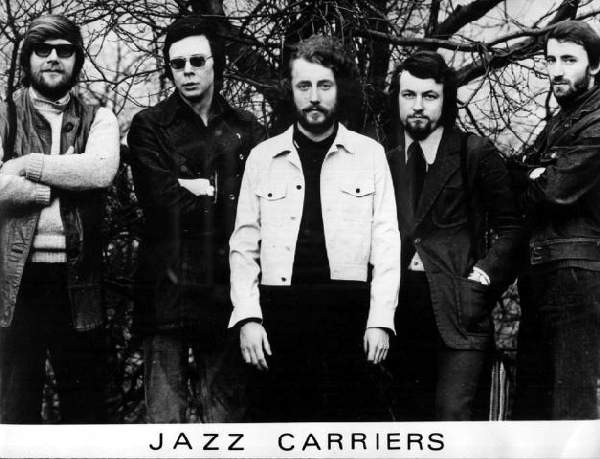
Jazz Carriers
Biography
Polish jazz band combining traditional and modern jazz, founded by tenor saxophonist [a=Zbigniew Jaremko] in autumn 1971. The band debuted at the Jazz on the Odra Student Jazz Festival. In the years 1973–74 they performed at numerous concerts (also abroad, e.g. in Bulgaria, Czechoslovakia and Germany) and jazz music festivals (e.g. SFJ Jazz on the Odra in Wrocław, International Jazz Music Festival Jazz Jamboree in Warsaw).
In 1973 the band recorded Carry On! (Muza, Polish Jazz No. 34). Musicians such as [a=Andrzej Dechnik] (double bass), [a=Paweł Jarzębski] (double bass), [a=Kazimierz Jonkisz] (drums), [a=Eryk Kulm] (drums) and [a=Sławomir Kulpowicz] (piano) also collaboratored with the band.
Members: Kazimierz Jonkisz, Marian Komar, Zbigniew Jaremko, Paweł Jarzębski, Paweł Perliński, Henryk Miśkiewicz, Zbigniew Kitliński, Andrzej Dechnik, Sławomir Kulpowicz, Eryk Kulm
Links:
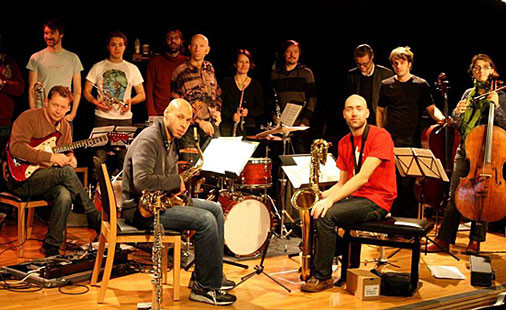
Trondheim Jazz Orchestra
Also known as: Trondheim Jazzorkester
Members: Sidsel Endresen, Christian Wallumrød, Erlend Skomsvoll, Jim Denley, Mathias Eick, Thomas Strønen, Ståle Storløkken, Erik Johannessen, Håkon Mjåset Johansen, Fredrik Wallumrød, Mats Eilertsen, Per Oddvar Johansen, Martin Küchen, Ingar Zach, Nils Jansen, Per Zanussi, Rhodri Davies, Øyvind Brandtsegg, Kirsti Huke, Clare Cooper, Tore Brunborg, Mattias Ståhl, Trude Eick, Morten J. Olsen, Hild Sofie Tafjord, Torstein Lofthus, Kjetil Møster, Håvard Lund, Bjørn Ole Solberg, Martin Taxt, Johan Hörlén, Terje Isungset, Christian Jaksjø, Eira Bjørnstad Foss, Bjørnar Habbestad, Michael Francis Duch, Petter Kateraas, Lene Grenager, Øyvind Engen, Maria Kannegaard, Steinar Raknes, Ola Kvernberg, Helge Norbakken, Nils-Olav Johansen, Jon Fält, Tor Haugerud, Siri Gjære, Jovan Pavlovic, Anja Lauvdal, Morten Barrikmo Engebretsen, Anita Kaasbøll, Mai Elise Solberg, Klaus Ellerhusen Holm, Kari Rønnekleiv, Tore Johansen (3), Atle Nymo, Ole Morten Vågan, Øyvind Brække, Hans Christian Frønes, Erik Eilertsen, Vigleik Storaas, Espen Reinertsen, Hayden Powell, Eirik Hegdal, Fredrik Sjølin, Frode Nymo, John Pål Inderberg, Kristoffer Kompen, Eivind Lønning, Hildegunn Øiseth, Gard Nilssen, Jo Fougner Skaansar, Kim Myhr, Karin Hammar, Hedvig Mollestad Thomassen, Mette Rasmussen, Anders Tveit, Petter Vågan, Marianne Baudouin Lie, Heidi Skjerve, Mats Äleklint, Tor Yttredal, Kyrre Laastad, Kristoffer Lo, Lars Ove Fossheim, Ingrid Helene Håvik, Daniel Herskedal, Njål Ølnes, Jørgen Mathisen, Frøy Aagre, Trond Kopperud, Jens Linell, Inger Besserudhagen, Hanne Rekdal, Shannon Mowday, Heiða Karine Jóhannesdóttir Mobeck, Alexander Zethson, Petter Eldh, Stein Villanger, Trine Knutsen, Stig Førde Aarskog, André Roligheten, Ellen Brekken, Sissel Vera Pettersen, Hanna Paulsberg, Siv Øyunn Kjenstad, Adrian Løseth Waade, Christian Skår Winther, Thomas Johansson (6), Pekka Stokke, Ingebjørg Loe Bjørnstad, Ina Sagstuen, Ida Marie Sørmo, Espen Berg (2), Tomas Eidsvåg, Matilda Rolfsson, Kari Eskild Havenstrøm, Petter Kraft, Martin Myhre Olsen, Ola Øverby, Natali Abrahamsen Garner, Amund Storløkken Åse, Ingvald André Vassbø, Håvard Aufles
Links:
- http://www.trondheimjazzorchestra.no/
- https://trondheimjazzorkester.bandcamp.com/
- http://www.myspace.com/trondheimjazzorchestra
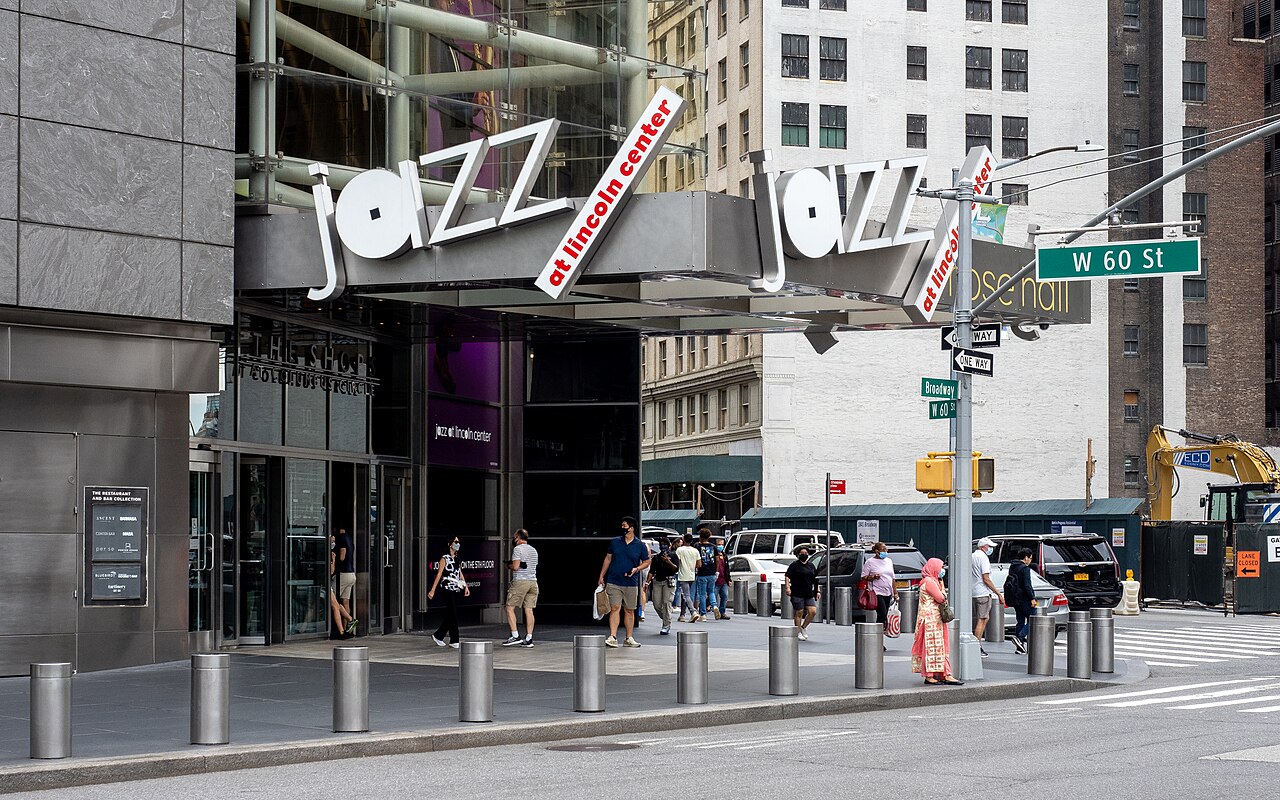
Jazz At Lincoln Center
Jazz at Lincoln Center (JALC) is a New York City institution and part of Lincoln Center. Founded in 1987, it officially opened in October 2004 at the Time Warner Center (now Deutsche Bank Center). Its mission is to celebrate the full breadth of jazz through education, programming, archives, and ceremonies. It promotes jazz, culture, and arts education around the world. Wynton Marsalis is its artistic director and the music director of the Jazz at Lincoln Center Orchestra.
The center presents performances by its orchestra and guest musicians and is also home to New York City Opera. Many concerts are streamed on its YouTube channel. It runs educational programs in its building, online, and in schools across the country.
Through concerts—more than 90 percent of seats at major performances are filled—tours, music education, sheet music, recordings on its Blue Engine label, and live performances on its JAZZ LIVE platform, the organization reaches about three million people of all ages each year.
Speakers throughout the building play recordings by great jazz artists such as Ella Fitzgerald, Dizzy Gillespie, and Louis Armstrong.
History
In the mid-1980s, Lincoln Center sought to attract younger audiences. Its venues sat unused during the summer, so the center wanted to put them to use while resident companies performed elsewhere. Jazz supporters at Lincoln Center campaigned to have the music recognized by the institution. In a 1986 report, the center said, “Lincoln Center should focus on improving the quality of its programming, and there is no compelling reason to include areas such as jazz.” Alina Bloomgarden, then director of visitor services, had proposed a resident jazz program for the third time. Some feared jazz audiences might be too rowdy, so Bloomgarden invited Wynton Marsalis to help plan a summer concert series. To succeed, the series had to be financially viable and demonstrate the value of its music and community.
In 1987, trumpeter Wynton Marsalis helped launch the Classical Jazz concert series, Lincoln Center’s first jazz series. It opened in August 1987 with a tribute to women in jazz, including Betty Carter, Sasha Dalton, and Marian McPartland. The series’ success mattered at a difficult time: many great jazz innovators had died, jazz clubs were closing, many colleges had no jazz programs, and electronic music was becoming commercialized. American society was also deeply divided. Many places remained segregated; the AIDS epidemic was spreading; the Cold War intensified militarization and globalization; and Ronald Reagan’s war on drugs led to mass incarceration. By the following year, the series had its own program on National Public Radio and began touring.
The music Marsalis hoped to preserve is captured in the three-movement suite “A New Orleans Ritual,” modeled on a New Orleans funeral procession. Stanley Crouch, a co-founder of Jazz at Lincoln Center, wrote an impassioned speech that the Reverend Jeremy Wright delivered. It came to be seen as a declaration of the organization’s purpose:
“Perhaps we listeners heard an enduring truth from the descendants of people who had been bought and sold as commodities—the people who stood on auction blocks and lived in slave quarters, whose existence formed the cross on which this nation’s Constitution was nailed. Yet even after that crucifixion, in the third century of slavery in the Americas, people rose with a vision of freedom. They lit the powerful wick extending from a candle and passed it on. Through music they showed what light meant: they would not submit to self-righteous dragons or let their hearts grow dark. They said, ‘Listen closely.’ They said, ‘If you give me a fair chance, I will help you understand democracy better.’ Yes, that is what they said. ‘If you give me a fair chance, I will help you understand democracy better.’ These are the people who created a noble sound.”
Gordon Davis, a Lincoln Center board member and its founding chairman, saw the summer series succeed and advocated for a permanent jazz program. The board agreed. By 1996, Jazz at Lincoln Center had become a constituent member alongside the New York Philharmonic, New York City Ballet, Metropolitan Opera, and European Arts Center. Its budget was $4 million in 1996, compared with the Metropolitan Opera’s $150 million; by 2016 it had exceeded $50 million. Marsalis has served as artistic director since 1987. Greg Scholl became executive director in 2012.
In January 2026, the Jazz at Lincoln Center Orchestra performed at the Sheldon Theatre in St. Louis, Missouri. Marsalis conducted the orchestra, which tours internationally in addition to performing at Appel Room and Rose Theater. Concerts are also streamed online, and educational programs appear on the center’s YouTube channel. Since 2015, the orchestra’s albums have been released on its own Blue Engine Records label.
The center promotes jazz education in high schools through its Essentially Ellington program. Professional musicians visit schools through Let Freedom Swing. In New York City, it operates tuition-free middle-school and high-school jazz academies and a summer academy. Each year, its orchestra tours the United States and visits schools. The Essentially Ellington High School Jazz Band Competition and Festival is held each year at Jazz at Lincoln Center.
In January 2026, Marsalis announced that he would step down as artistic director in July 2027 and serve as an adviser through June 2028. In an interview, he said, “Now is the best time to find the next generation of leaders. We want to do everything we can to cultivate what we have built, because we know this is an art form that will keep evolving and this institution will continue to thrive.” He will continue to perform with the Jazz at Lincoln Center Orchestra from time to time.
Lincoln Center Building Guide
- Samuel B. and David Rose Building (including the Walter Reade Theater)
- The Juilliard School
- Alice Tully Hall
- Vivian Beaumont Theater (including the Mitzi E. Newhouse and Claire Tow Theaters)
- Eleanor Bunin Munroe Film Center
- David Geffen Hall
- New York Public Library for the Performing Arts (including Bruno Walter Auditorium)
- Metropolitan Opera House
- Josie Robertson Plaza and Revson Fountain
- Damrosch Park
- David H. Koch Theater
- David Rubenstein Atrium
- Jazz at Lincoln Center
Rose Hall
Rose Theater, 2007
120 yards; 13 Jazz at Lincoln Center; 13 Jazz at Lincoln Center; 12; 11 David H. Koch Theater; 11 David H. Koch Theater; 10 Damrosch Park; 10 Damrosch Park; 9 Josie Robertson Plaza, Revson Fountain; 9 Josie Robertson Plaza, Revson Fountain; 8 Metropolitan Opera House; 8 Metropolitan Opera House; 7 New York Public Library for the Performing Arts (including Bruno Walter Auditorium); 7 New York Public Library for the Performing Arts (including Bruno Walter Auditorium); 6 David Geffen Hall; 6 David Geffen Hall; 5 Elinor Bunin Munroe Film Center; 5 Elinor Bunin Munroe Film Center; 4 Vivian Beaumont Theater (including the Mitzi E. Newhouse and Claire Tow theaters); 4 Vivian Beaumont Theater (including the Mitzi E. Newhouse and Claire Tow theaters); 3 Alice Tully Hall; 3 Alice Tully Hall; 2 Juilliard School; 2 Juilliard School; 1 Samuel B. and David Rose Building (including Walter Reade Theater); 1 Samuel B. and David Rose Building (including Walter Reade Theater).
Frederick P. Rose Hall is a performing arts center designed by Rafael Viñoly on the fifth floor of Deutsche Bank Center (formerly Time Warner Center). The $131 million facility opened in fall 2004 and was the world’s first center devoted entirely to jazz performance, education, and broadcasting. It was designed to give jazz a warm, clear sound. Rose Hall has three venues: Rose Theater, Appel Room, and Dizzy’s Club, named after trumpeter Dizzy Gillespie. The hall also houses the Irene Diamond Education Center, with rehearsal and recording studios. Its location was criticized because it sits in the upscale shopping complex at Columbus Circle, four blocks from Lincoln Center’s main campus. Jazz at Lincoln Center responded that this “temple of consumerism” presented music born of the struggle for freedom, music that encourages performers and listeners to strive for higher ideals.
Lincoln Center Jazz at Night
In 2025, the Rose Hall sign is visible during Lincoln Center Jazz at Night.
Leaders of Jazz at Lincoln Center set out to build a venue with acoustics suited to swing and blues. They also wanted it to house the organization’s educational and archival work. To attract a wider audience, Marsalis collaborated with popular musicians outside jazz, including Stevie Wonder, Paul Simon, and Bob Dylan. This drew new listeners and created a rich interplay among swing, rock, and rhythm and blues.
Rose Theater uses a “box within a box” design and has no rigid structural connection to the other Jazz at Lincoln Center venues. Its 1,233 seats can be adapted for opera, dance, drama, film, and orchestral performances. Rubber pads under the floor reduce outside noise and preserve a quiet, intimate atmosphere. Movable seating towers allow the theater to switch between concert and theater layouts. In concert mode, seats are placed behind and around the musicians, supporting the sound and sightlines while increasing capacity. In theater mode, the seating towers retract into an air-cushion system, creating a platform for opera, ballet, or modern dance sets.
Appel Room has 583 seats and a relaxed, intimate atmosphere. It normally has seven separate seating levels, but these can be reconfigured into four to make dancing and movement easier. A 50-foot glass wall looks out over Central Park. It tilts slightly upward so sound can reflect directly from the atrium and stage monitors to the ceiling. Sound-absorbing panels hang from the ceiling and walkways to diffuse and absorb sound.
Dizzy’s Club, named after American jazz trumpeter Dizzy Gillespie and sponsored by Coca-Cola, seats 140. It is designed as an intimate jazz club for live trios, pianists, and singers, with city views over Columbus Circle and Central Park. Its design aims for a “golden” sound that encourages interaction between artists and audiences, much like New York’s early jazz clubs.
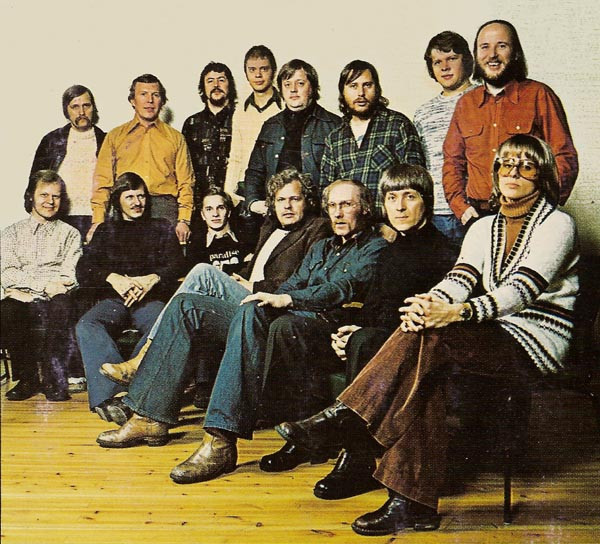
Umo Jazz Orchestra
Biography
UMO Jazz Orchestra is a Finnish big band jazz orchestra founded in 1975 by [a=Heikki Sarmanto] and [a=Esko Linnavalli]. UMO comes from the words "Uuden Musiikin Orkesteri" (New Music Orchestra in English).
The band name was changed to [a8381523] in November 2018.
Also known as: New Music Orchestra, New Music Orchestra (UMO), The UMO Jazz Orchestra, UMO, UMO Big Band, UMO Helsinki Jazz Orchestra, UMO Jazz Orchestra Ja Jousikvintetti, UMO New Music Orchestra, UMO – New Music Orchestra, Umo, Umo Helsinki Jazz Orchestra, Umo New Music Orchestra, Uuden Musiikin Orkesteri (UMO)
Members: Eero Koivistoinen, Olli Ahvenlahti, Heikki Sarmanto, Esko Rosnell, Pekka Pöyry, Pekka Sarmanto, Mikko Mustonen, Marzi Nyman, Antero Priha, Jan Kohlin, Esko Linnavalli, Jukkis Uotila, Olli Ojajärvi, Juhani Aalto, Unto Haapa-Aho, Juhani Aaltonen, Kaj Backlund, Markku Johansson, Pentti Lahti, Mircea Stan, Mikko Hassinen, Mongo Aaltonen, Mikko Pettinen, Petri Juutilainen, Teemu Salminen, Heikki Haimila, Tom Bildo, Kari Heinilä, Manuel Dunkel, Seppo Kantonen, Jouni Järvelä, Markus Ketola, Tero Saarti, Ville Huolman, Markku Veijonsuo, Simo Salminen, Pentti Lasanen, Jari Hongisto, Pepa Päivinen, Otto Berger, Esko Heikkinen, Timo Paasonen, Heikki Tuhkanen, Jörgen Petersen, Jukka Perko, Mikael Långbacka, Pekka Laukkanen, Lars Danielsson (3), Jarno Kukkonen, Kasperi Sarikoski, Mikko Mäkinen (3), Kirmo Lintinen, Teemu Mattsson, Ville Vannemaa, Valtteri Malmivirta
Links:
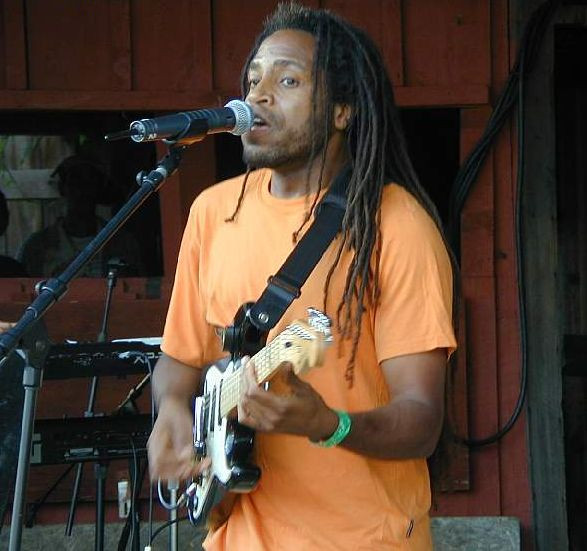
Junior Jazz
Biography
Guitarist and singer/songwriter born in Montego Bay, Jamaica.
He played for artists such as Diana King, Sister Carol, Israel Vibrations, Gregory Isaacs, Beres Hammond, Judy Mowatt, Monty Alexander, Buju Banton, Supercat, Freddie McGreggor, Barrington Levy, Big Mountain, Mary J. Blige, Jimmy Cliff...
Also known as: Jr Jazz, Jr. "Reggae Warrior" Jazz, Jr. Jazz, Junior "Jazz" Ferrarro, Junior (W. Ferraro) Jazz, Junior J
Links:
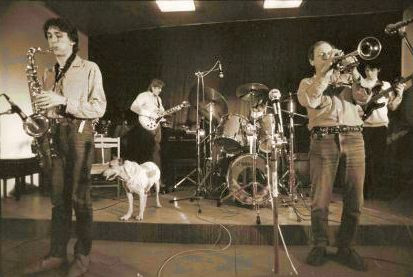
Jazz Celula
Biography
Czechoslovak jazz combo. Formed in 1968 in Prague, led by [a=Laco Deczi]. In the 1970s essentially identical to the [a=Czechoslovak Radio Jazz Orchestra] rhythm section and soloists. After a line-up change in the mid-1980s, featuring Deczi’s son [a=Vaico Deczi] on drums, and after Deczi’s immigration to New York, the group evolved to [a=Cellula New York] which is still actively performing as of 2012.
Also known as: Cellula International, Celula Jazz Crew Prag, Jazz Cellula, Jazz Cellula CZ, The Cellula Quintet
Members: Josef Vejvoda, Laco Deczi, Milan Vitoch, Rudolf Dašek, Zdeněk Dvořák, Eugen Jegorov, Jiří Tomek, František Uhlíř, Přemysl Faukner, Petr Kořínek, Zdeněk Pulec, Miroslav Koželuh, Karel Růžička, Svatopluk Košvanec, Petr Král, Stanislav Sulkovský, Laco Tropp, Zdeněk Fišer (2), Luboš Nývlt, Pavel Greifoner, Vaico Deczi, Sonny Costanzo
Links:
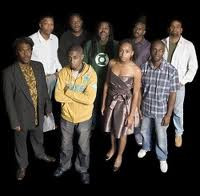
Jazz Warriors
Biography
A former band of all-black London-based jazz musicians. active from 1986 to 1994.
In 2011 a new group was formed with original group members, named The Jazz Warriors International
Also known as: Jazz Warrior
Members: Courtney Pine, Ray Carless, Adrian Reid, Gary Crosby, Tony Kofi
Links:
[re:jazz]
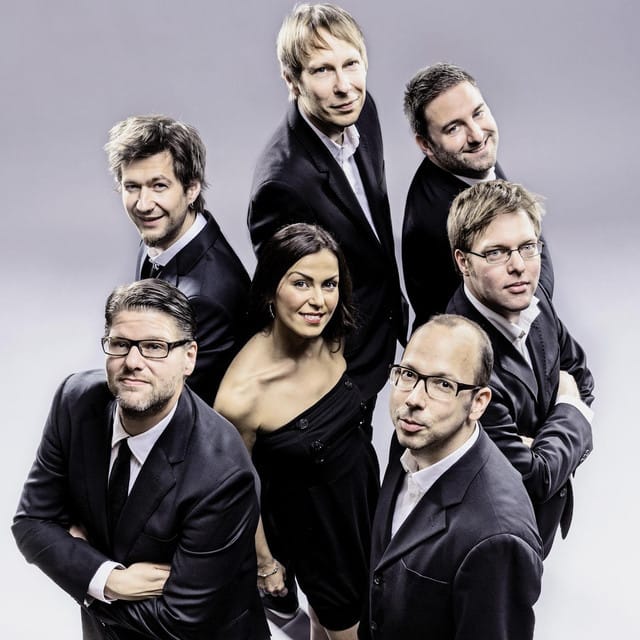
[re:jazz] is a German jazz group led by pianist and arranger Matthias Vogt. Its regular lineup includes vocalist Mediha Rustempasic (since 2011; previously Inga Lühning), saxophonist Oliver Leicht, guitarist Jan Stürmer (since 2006; previously Hanno Busch), percussionist Heiko Himmighoffen, bassist Andreas Manns, and drummer Volker Schmidt. Manns and Schmidt also perform with Vogt in the Matthias Vogt Trio; [re:jazz] grew out of that trio, which continues to perform and record independently.
Band History
The self-titled debut album was released in 2002, following an idea by Infracom founder Jan Hagenkötter and Namé Vaughn. They commissioned Matthias Vogt to create acoustic jazz versions of tracks from Infracom’s catalog. Alongside Vogt’s trio, many guest musicians took part in the sessions, including Till Brönner, Joy Denalane, Erik Truffaz, Nathan Haines, and Linda Carriere.
The project developed into a regular live band, and work then began on a second album, Point of View. It features acoustic jazz versions of electronic music from Infracom, including Compost’s “Donaueschingen.” The album also featured notable musicians such as Nils Petter Molvær, Viktoria Tolstoy, Nils Wogram, and tok tok tok. In 2006, [re:jazz] released its third album, the first to include original compositions, alongside covers of well-known electronic tracks such as Ce Ce Peniston’s “Finally” and Herbie Hancock’s “Rock It.”