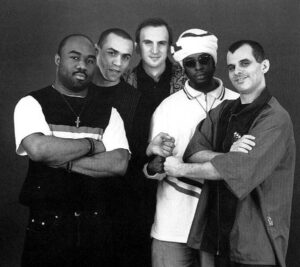
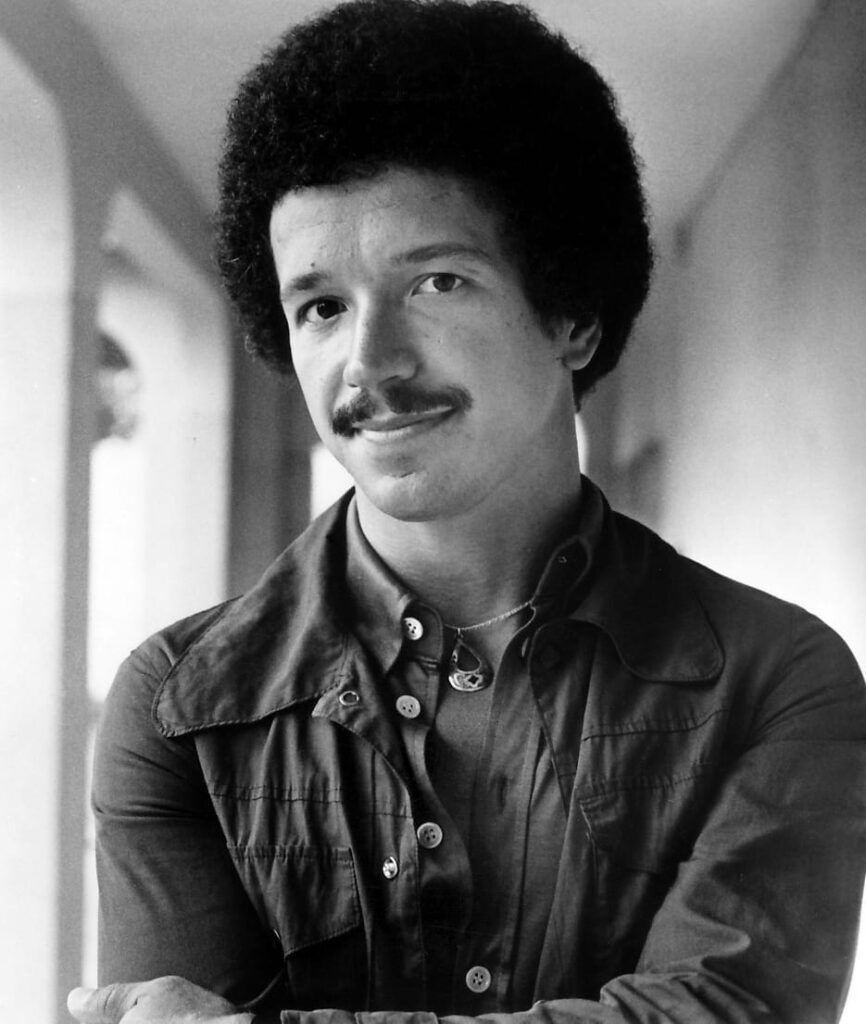
Keith Jarrett is a jazz artist featured on JazzMore. Genres: Jazz, Contemporary Jazz, Post Bop, Fusion, Free Improvisation. From United States. Lifespan: May 8, 1945. Explore 50 albums in our catalog, arranged by release date.
A concise biography ofKeith Jarrett (born 1945):
One of the most gifted and controversial piano masters in jazz, Jarrett is known for hisfully improvised solo concertsand for blending jazz with classical, gospel, and folk music.
Classical Background: Born in Pennsylvania, Jarrett began piano lessons at age three and was a true prodigy. He was accepted to the Berklee College of Music but, dissatisfied with formal training, left after a year and moved to New York.
From R&B to Fusion: He first gained attention in Charles Lloyd’s quartet, then joinedMiles Davis’s band (1970–1971), playing electric organ and piano during the Bitches Brew period. Jarrett strongly disliked electric instruments, however, and played only acoustic piano after leaving Davis.
The Köln Concert: In 1975, Jarrett gave a fully improvised concert in Cologne, Germany. The piano was in poor condition and Jarrett felt unwell, but the performance becamethe best-selling solo jazz album in history. Its beautiful melodies and emotional depth reached countless listeners beyond the jazz audience.
American and European Quartets: During this period, he led two leading groups: one exploring avant-garde jazz in the United States, the other a more restrained, distinctly Northern European sound.
A Legendary Trio: Jarrett formed one of jazz’s greatest trios with bassist Gary Peacock and drummer Jack DeJohnette.
Reimagining the Standards: Through radical reinterpretations and improvisations on standards such as “Autumn Leaves,” the trio showed that familiar songs could have a limitless life.
Chronic Fatigue Syndrome: In the late 1990s, illness forced him to withdraw for several years. After recovering, he played in a more restrained and peaceful style, as heard on the acclaimed album《The Melody At Night, With You》)。
Stroke and Later Years: In 2018, Jarrett suffered two severe strokes, leaving the left side of his body paralyzed. In 2020, he said he might never again be able to play piano with both hands.
Pure Improvisation: He often arrived at concerts without prepared music, sat down, and began to play. He saw music as energy “flowing through” his body in that moment.
A Singular Performer: He was known forhumming loudly and moving his bodyduring concerts. His expectations of the audience were exacting: a cough, camera flash, or ill-timed applause could prompt him to leave the stage in anger.
Classical Achievement: He was one of the few jazz musicians to record Bach’s Well-Tempered Clavier and Mozart concertos to widespread critical acclaim.
In Summary:Keith Jarrett is jazz’s“loner”. He defended the integrity of acoustic piano with uncompromising purity and brought jazz improvisation to a grand, almost classical scale.
An Aesthetic Connection: If you need a sense offluid, organic movementwhile working on a 3D model, Jarrett’s solo concerts make ideal background listening. His music has no fixed grid; it grows moment by moment.
Explore 50 albums and recordings, arranged by release date.











Explore other jazz artists who share genre tags with Keith Jarrett.