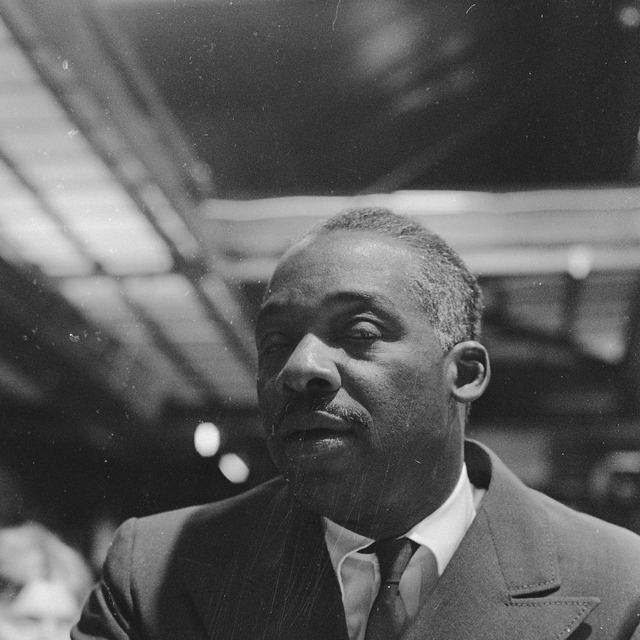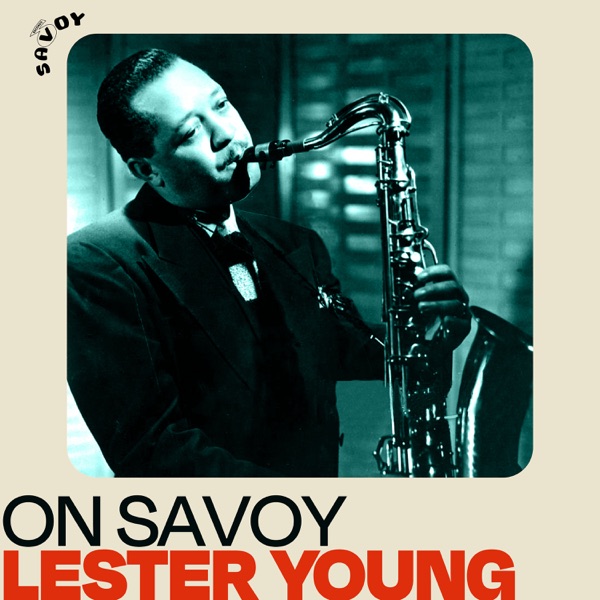

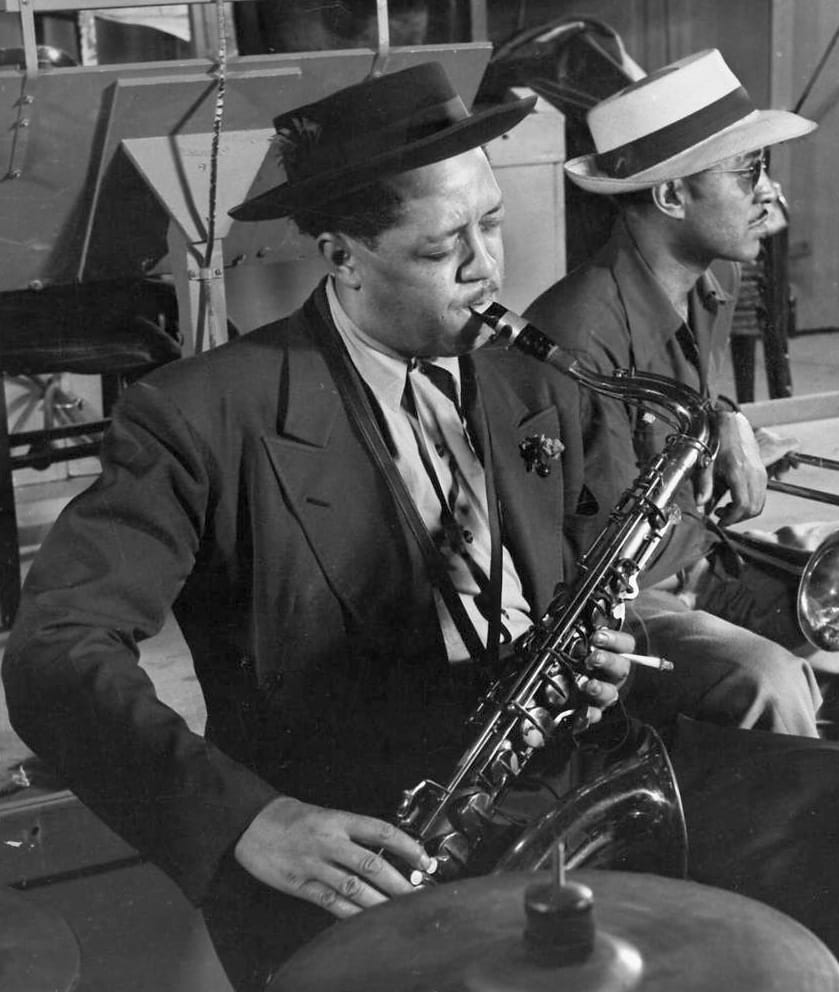
Lester Young is a jazz artist featured on JazzMore. Genres: Jazz, Swing, Big Band, Kansas City Jazz. From United States. Lifespan: August 27, 1909 - March 15, 1959. Explore 49 albums in our catalog, arranged by release date.
Lester Youngwas one of the most revolutionary tenor saxophonists in jazz history, nicknamed“Prez”(short for “the President,” a name given to him byBillie Holiday). In an era whenColeman Hawkinsdominated the saxophone, Young developed a very different style: light, poetic, and a clear forerunner of cool jazz.
Born into a musical family in Mississippi, Young toured across the country as a teenager with his family’s band.YoungHe first played drums and alto saxophone before settling on the tenor saxophone. Unlike the full, roaring tone then in fashion, he preferred a clear, light sound, close to that of the clarinet and with little vibrato. After settling in Kansas City in 1933, he soon joinedCount Basie’s big band and helped open a new chapter in jazz.
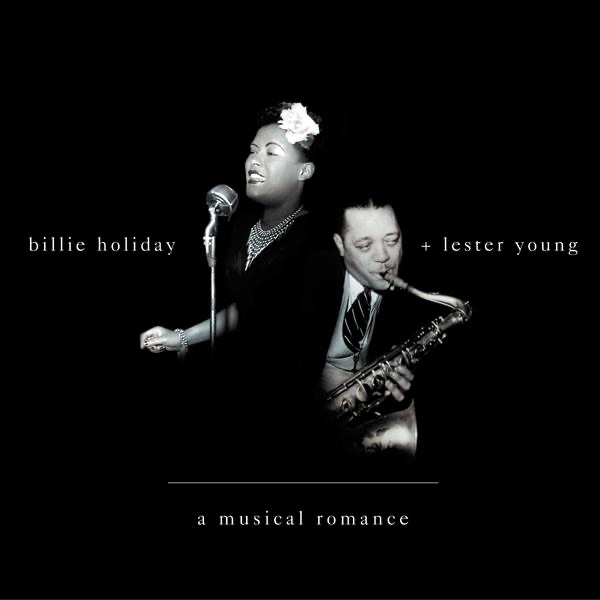
During his time with theCount Basieband,Young’s playing became one of its greatest strengths. On classics such as “Lester Leaps In,” he showed a remarkable gift for flowing melodic lines. During this period, he formed one of the most moving artistic friendships in music history withBillie Holiday.YoungHe gave her the nickname“Lady Day”, and she called him“Prez”. Their collaborations became a model of the close exchange between voice and horn, and each musician influenced the other’s musical language.
In 1944,Youngwas drafted into the Army. For a sensitive, gentle artist who regularly used marijuana and alcohol, life in a deeply racist military camp was disastrous. He was court-martialed and confined for drug possession, an experience that severely damaged his health. WhenYoungreturned after the war, his tone had become darker and rougher. Some of its earlier lightness was gone, replaced by a heartbreaking weariness.
Although he was deeply admired by younger musicians such asStan Getz,Young’s health deteriorated amid years of heavy drinking. He became increasingly withdrawn and often spoke in a personal slang known as Lesterese. In 1959, he fell ill during a Paris engagement and returned to the United States. He died in a New York hotel hours after arriving, aged 49. His death prompted an outpouring of grief. Later,Charles Minguswrote the celebrated “Goodbye Pork Pie Hat,” named for the round pork-pie hat thatYoungoften wore.
3. Musical Style: A Pioneer of Linear Thinking
Linear Improvisation: UnlikeColeman Hawkins’s “vertical” approach, which focuses on chord structures,Younggave greater attention to the continuity of the melody. His improvisations moved like an unrestrained river, gliding around the beat and creating a sense of rhythmic weightlessness.
A Cool-Toned Sound: He set aside the heavy vibrato popular at the time in favor of a clear, airy tone. This cool aesthetic became a foundation of West Coast jazz a decade later.
Minimalism and Space: He was especially good at leaving space in his improvisations and letting the music breathe. His phrases could be unexpectedly simple yet land directly on the listener’s emotions.
In Summary: Lester Youngwas jazz’s“poet”. With restraint and elegance, he showed later saxophonists how to set aside force and conquer the world through melodic tenderness.
An Aesthetic Connection: For a 3D designer interested in lightweight construction and minimalism,Lester Young’s music is a model ofstreamlined surfaces. Its melody has no redundant structures; each turn follows a natural sense of momentum and ease.
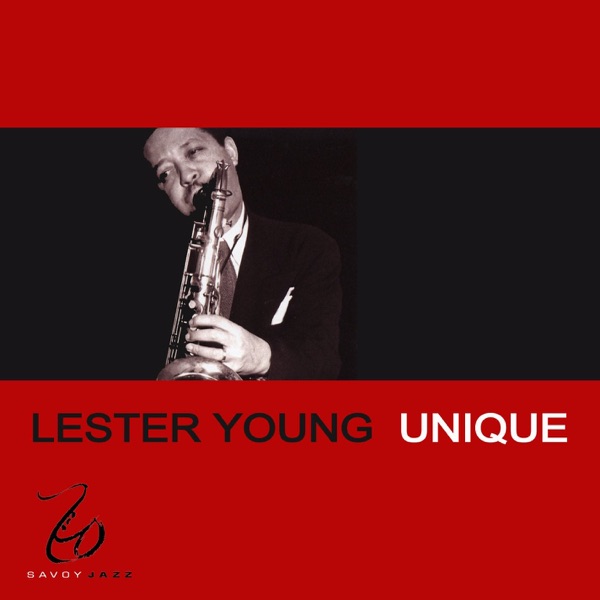
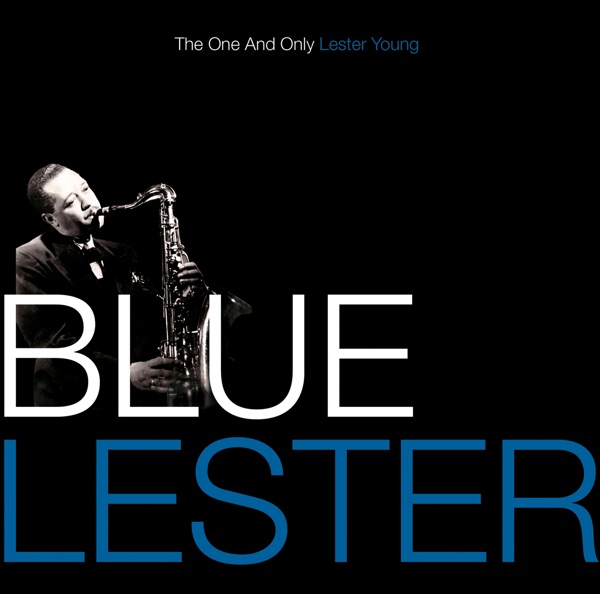
Explore 49 albums and recordings, arranged by release date.









Explore other jazz artists who share genre tags with Lester Young.