

Andy Kirk (born Andrew Dewey Kirk on May 28, 1898, in Newport, Kentucky; died December 11, 1992, in Harlem, New York) was an American jazz saxophonist and bandleader who also played bass saxophone, tuba, flute and double bass. He grew up in Denver and studied music with Wilberforce Whiteman. The National Endowment for the Arts (NEA) identifies him as a saxophonist and bandleader and named him an NEA Jazz Master in 1991.
Kirk’s professional band career began in 1918 with the George Morrison Orchestra. He moved to Dallas in 1925 and joined Terence Holder’s Dark Clouds of Joy. When Holder left in 1929, the musicians chose Kirk as their leader; he renamed the group the Clouds of Joy (also called the Twelve Clouds of Joy when its size warranted) and moved it to Kansas City. The band began recording in 1929–30.
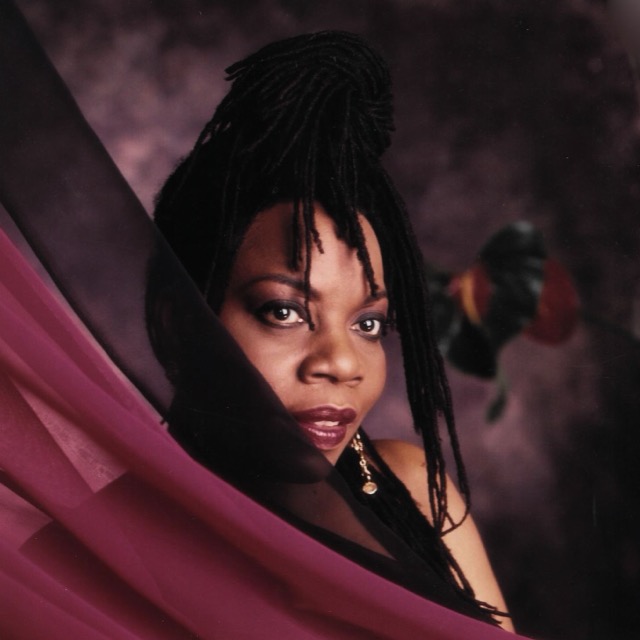
The Clouds of Joy became one of the important bands in Kansas City swing, helping shape the city’s big-band sound alongside Bennie Moten, Count Basie and Jay McShann. Its 1936 recording of “Until the Real Thing Comes Along” was especially popular. Kirk rarely took the spotlight as a soloist; his strength was recognizing and bringing forward the abilities of his band members. He made Mary Lou Williams the band’s principal composer and arranger from 1929 to 1942 and gave solo space to musicians including Don Byas, Howard McGhee and Fats Navarro.
The Clouds of Joy toured and recorded until disbanding in 1948. Kirk later led another band in California before moving into hotel management and real estate; in the 1970s he occasionally led pickup groups. The NEA regards his 1930s work with the Clouds of Joy as central to his place in jazz history.
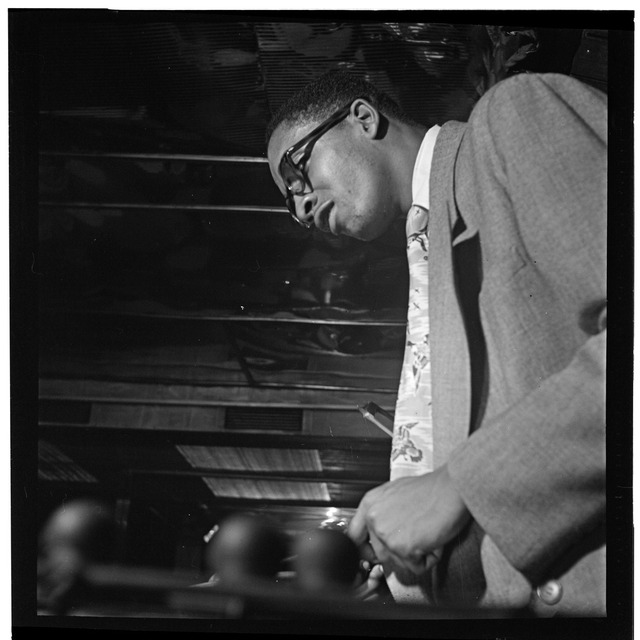
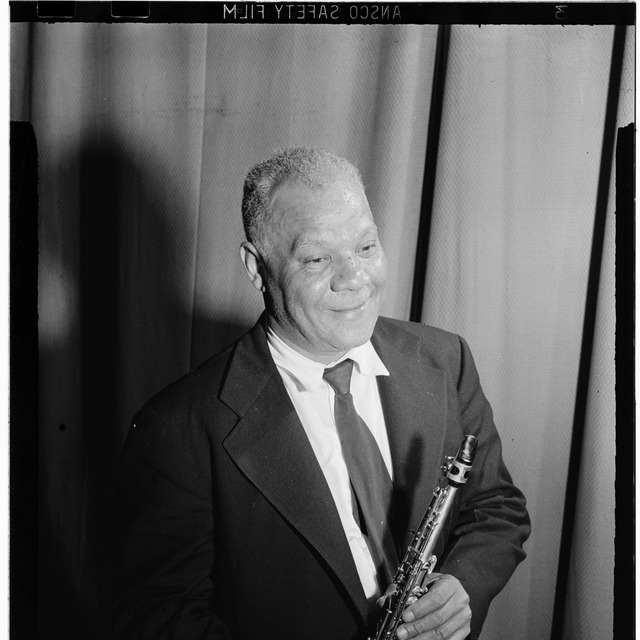
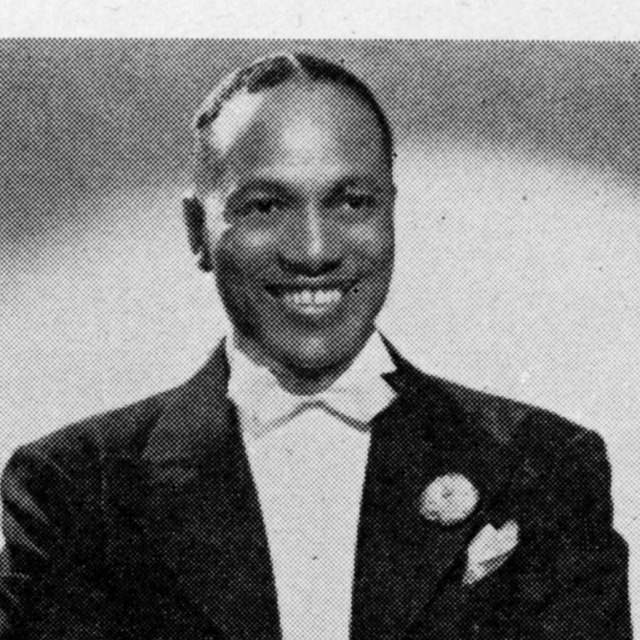
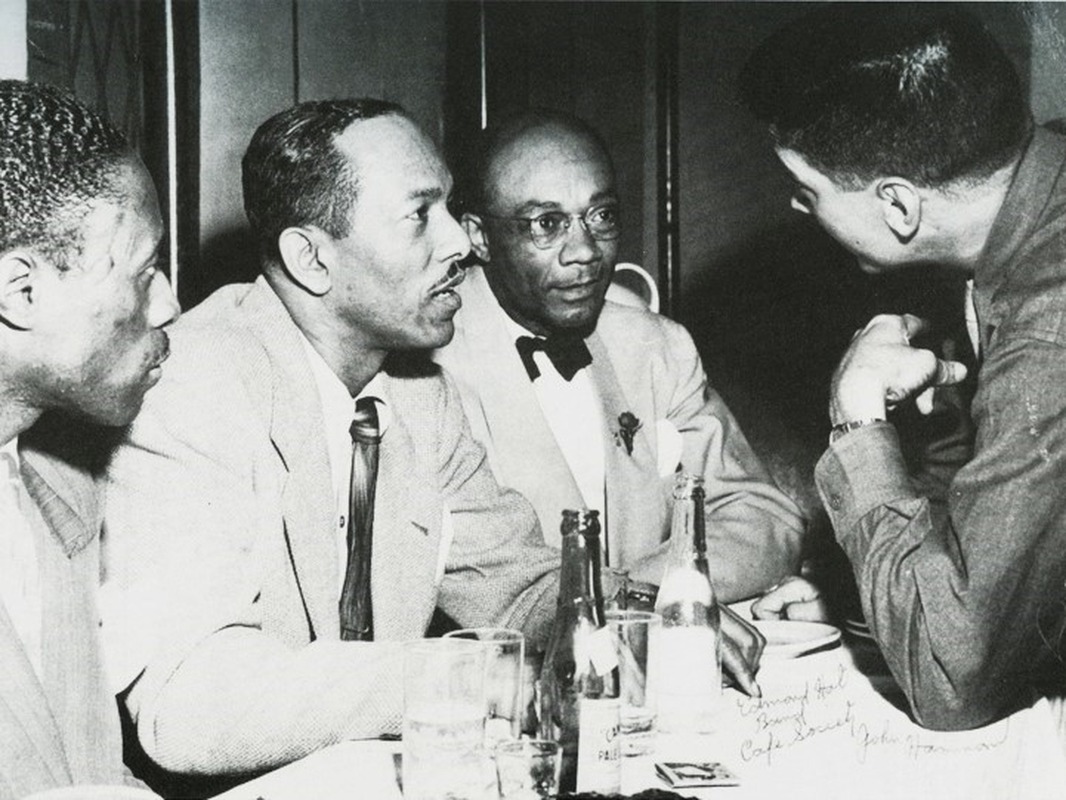
Image credits: the cover is a public-domain black-and-white portrait of Andy Kirk by Maud Cuney-Hare (Wikimedia Commons file page). The body image is a historical group photograph of Kirk (the man wearing glasses) with singer Joe Williams, clarinetist Edmond Hall and producer John Hammond, photographed by Manfred Selchow and reproduced from Profoundly Blue with permission under CC BY-SA 4.0 (Wikimedia Commons file page).
Explore other jazz artists who share genre tags with Andy Kirk.