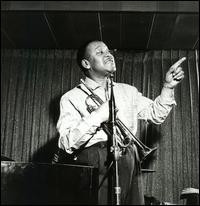
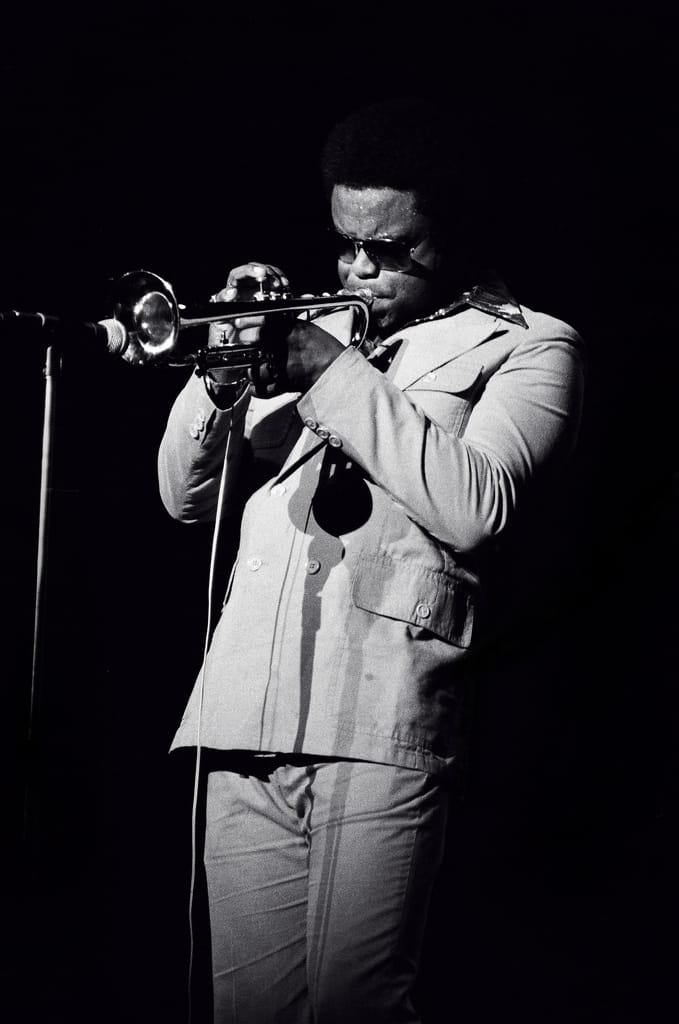
Freddie Hubbard is a jazz artist featured on JazzMore. Genres: Jazz, Post Bop, Fusion, Hard Bop. From United States. Lifespan: April 7, 1938 - December 29, 2008. Explore 47 albums in our catalog, arranged by release date.
After introducing jazz pioneers from Coleman Hawkins to Duke Ellington, we return to the leading trumpet voice of thehard-bopandpost-boperas—Freddie Hubbard (1938–2008)。
If Clifford Brown was a shooting star, Hubbard was aflame that burned for half a century. He was one of the most technically accomplished and brilliant-toned trumpeters in jazz history.
A Fast Start: At 20, he left Indianapolis for New York. His explosive power and precision quickly drew attention, and early in his career he worked with such leading figures as Thelonious Monk and John Coltrane.
At the Messengers’ Peak: In 1961, Hubbard replaced Lee Morgan in Art Blakey’sJazz Messengers, a move that marked his arrival among the top ranks of jazz musicians.
Landmark Sessions: Hubbard could move between tradition and the avant-garde. He played on two groundbreaking albums that changed the course of jazz: Ornette Coleman’s《Free Jazz》and John Coltrane’s《Ascension》。
A Prolific Period: As a leader for Blue Note, he recorded landmark albums including Ready for Freddie and The Artistry of Freddie Hubbard.
A Hard-Bop Standard-Bearer: His playing offered a textbook example of hard bop: fast runs, crisp articulation, and signature bursts into the upper register.
《Red Clay》: Recorded for CTI in 1970, Red Clay became his most successful commercial album, combining funk and soul with an irresistibly memorable melody.
Grammy Recognition: In 1972, he won the Grammy Award for Best Jazz Performance by a Group for the album《First Light》.
A Lip Injury: In 1992, exhaustion and years of intense playing contributed to a serious split and infection in his upper lip. The injury was devastating for a trumpeter. His technique never fully recovered, and he increasingly turned to the gentler flugelhorn.
Final Years: He died of a heart attack in California in 2008, aged 70.
Flawless Technique: Hubbard’s playing was known for itsmodernity. His wide interval leaps were remarkably precise, giving the music a sharp, almost metallic edge.
A Full, Radiant Tone: Compared with Chet Baker’s slender sound, Hubbard’s trumpet was broad and bright, like brass shining in the sun.
A Versatile Musician: He could play blazing fast tunes as confidently as he could bring tenderness to a ballad.
Freddie Hubbard was the trumpet world’s“all-around warrior”. He carried Clifford Brown’s legacy forward and pushed it into more modern and forceful territory.
Connections: Among the musicians mentioned earlier, Hubbard shared deep artistic ties withDexter Gordon(they recorded Doin’ Allright together),Art Blakey、andHerbie Hancock—all of whom shared a deep artistic connection with him. Hubbard was the fiercest brass voice of an era rich with heroes.
For a 3D artist, Hubbard’s music may suggest a metallic render: bright, solid, with every detail in sharp focus.
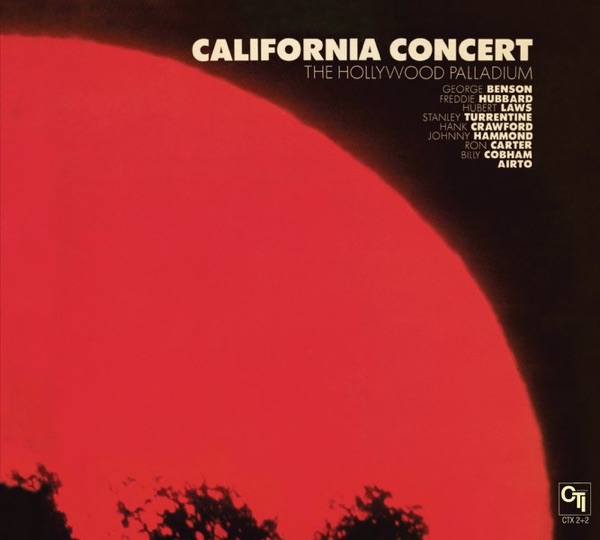
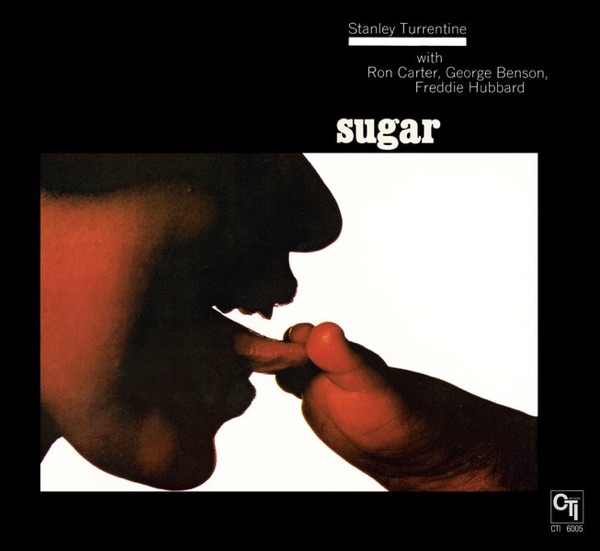
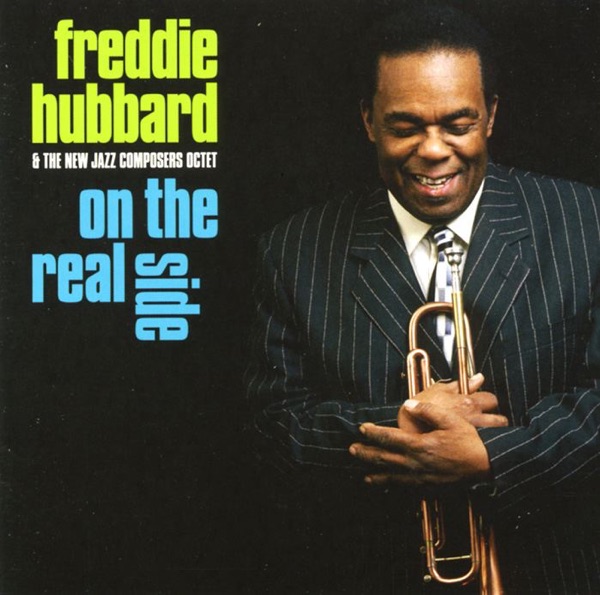
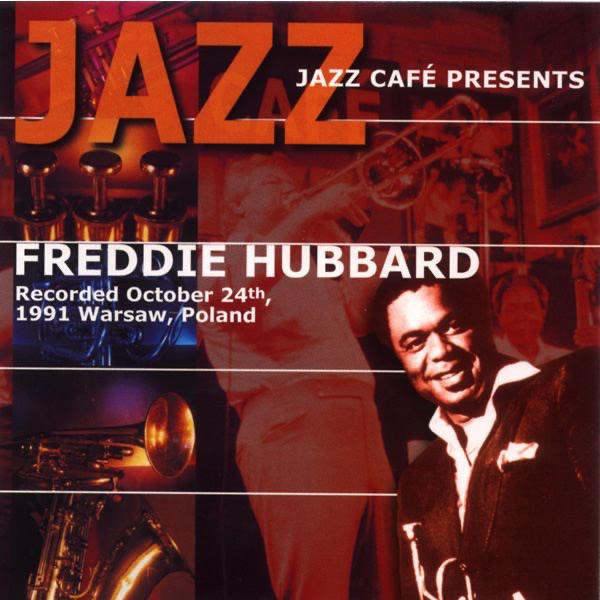
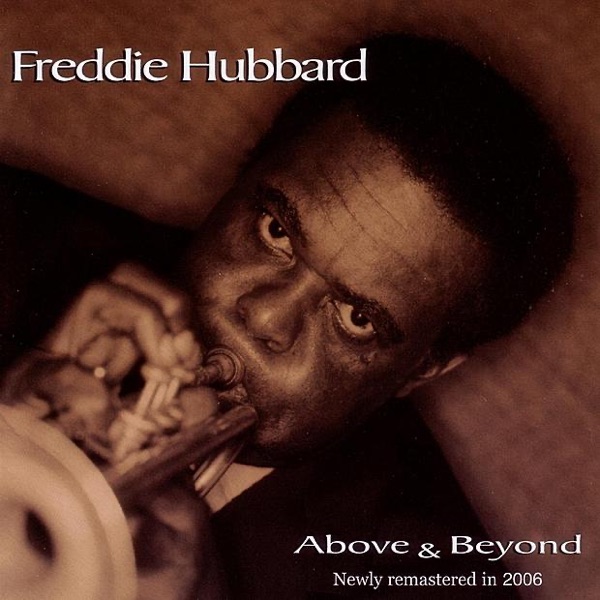
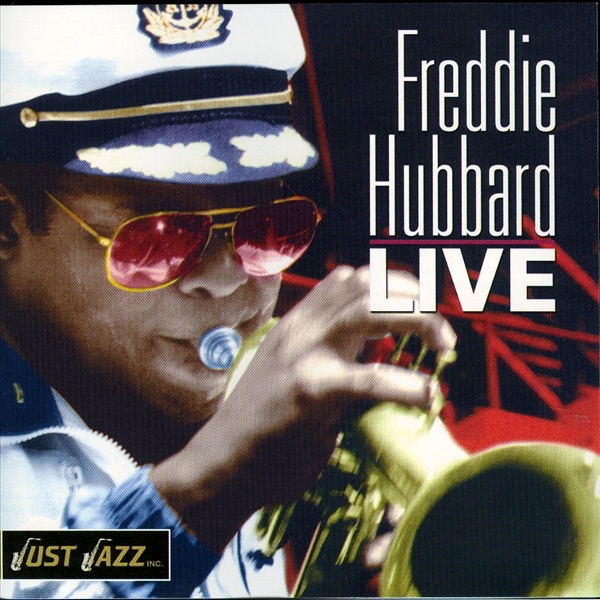
Explore 47 albums and recordings, arranged by release date.







Explore other jazz artists who share genre tags with Freddie Hubbard.