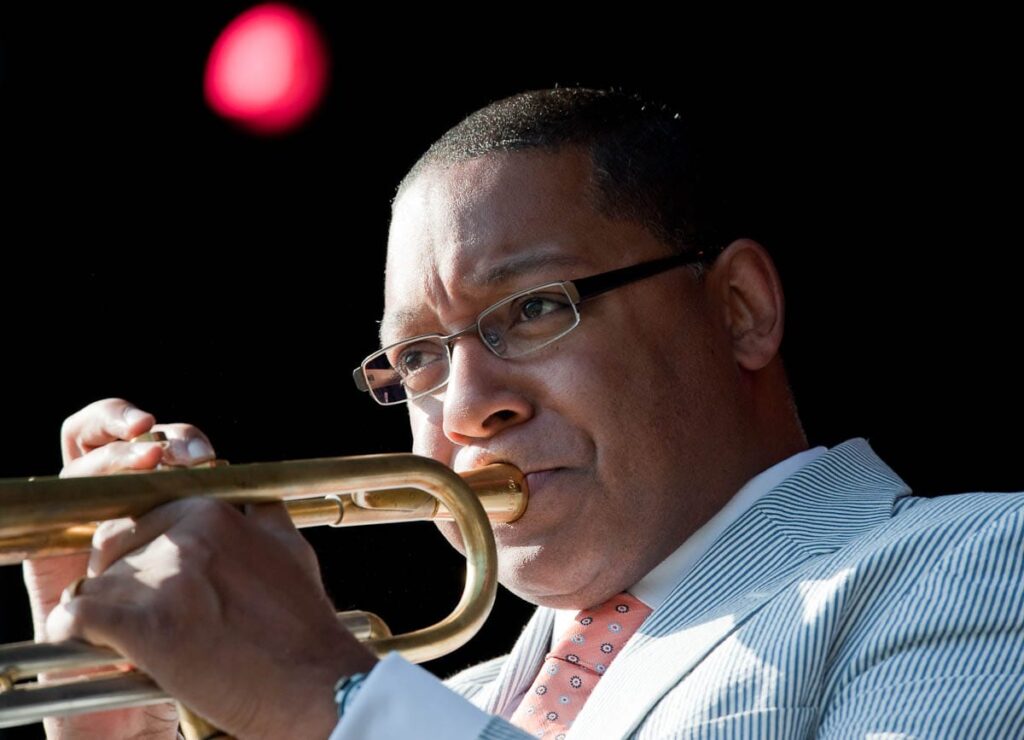
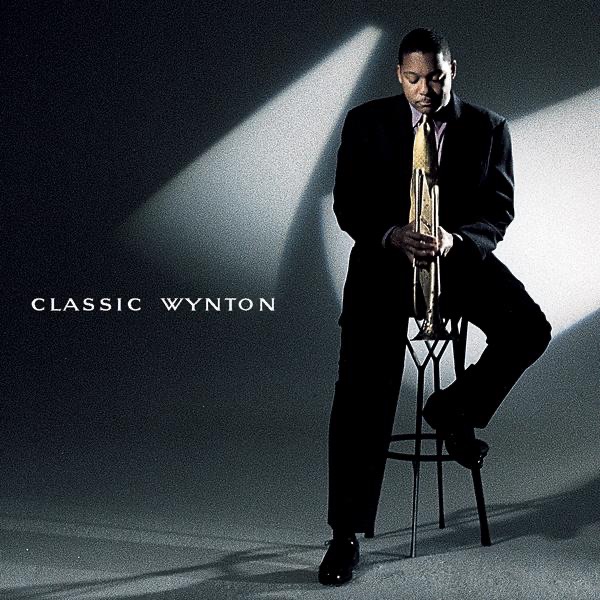

Wynton Marsalisis one of the most powerful and controversial figures in contemporary jazz. Alongside formidable trumpet technique, he is a prolific composer and educator, and a leading advocate of neoclassical jazz. He was the first musician to win Grammy Awards in both the jazz and classical categories in the same year, 1983, breaking down barriers between the two traditions.
Born into a musical family in New Orleans, his fatherEllis Marsalis Jr.was a noted piano teacher, while his brotherBranford Marsalisbecame a leading saxophonist.Wynton MarsalisHe began serious trumpet study at 12, and at 14 performed Haydn’s Trumpet Concerto with the New Orleans Philharmonic. At 17, he entered the Juilliard School. His exceptional ability in both classical music and jazz quickly made him a focus of the New York scene.
In 1980, at just 19,Wynton MarsalisjoinedArt Blakey’sJazz Messengers(the Jazz Messengers), an experience widely viewed as a turning point in his career. As free jazz and fusion waned in the 1980s, he helped lead a “return to tradition.” He argued for reclaiming the swing and blues spirit ofLouis Armstrong、Duke Ellingtonand theMiles Davis’s early work, and pushed back against the electronic and commercial trends of the day. He became a leader of the Young Lions and the neotraditional movement.
helped establish Jazz at Lincoln Center in New York in 1987 and has served as its artistic director ever since. He helped give jazz a lasting institutional home and the stature of a respected American classical art. In 1997, his expansive composition《Blood on the Fields》won thePulitzer Prize for Music, the first jazz work to receive the award.
As a leading international spokesperson for jazz,Wynton Marsalishas promoted the music through education and tours around the world. He has also defended a strict, conservative definition of “real jazz” and publicly criticizedMiles Davis’s later fusion work and hip-hop. His views have sparked enduring debate, but his role in renewing popular interest in traditional jazz is undeniable.
3. Musical Style: Precision and Historical Depth
Flawless Technique:Wynton Marsalis’s playing is known for its pitch accuracy, crisp articulation, and broad dynamic range. From blistering bebop lines to complex classical concertos, he shows remarkable control.
A Deep Commitment to Blues and Swing: He sees the blues and swing as essential to jazz. His improvisations often draw strongly on New Orleans traditions, with an emphasis on counterpoint and collective interplay.
A Composer’s Sense of Structure: As a composer, he brings big-band jazz together with the forms of classical suites. His works often tell broad historical stories and explore race, freedom, and the American experience.
In Summary: Wynton Marsalisis jazz’s “pope.” With the discipline of a classical musician, he restored dignity to the music and built a sturdy stronghold for tradition amid constant change.
An Aesthetic Reflection: For a 3D designer drawn to order and precise structure,Wynton Marsalis’s music is like aperfectly proportioned Parthenon. Every note seems carefully calculated, creating a beauty grounded in reason.
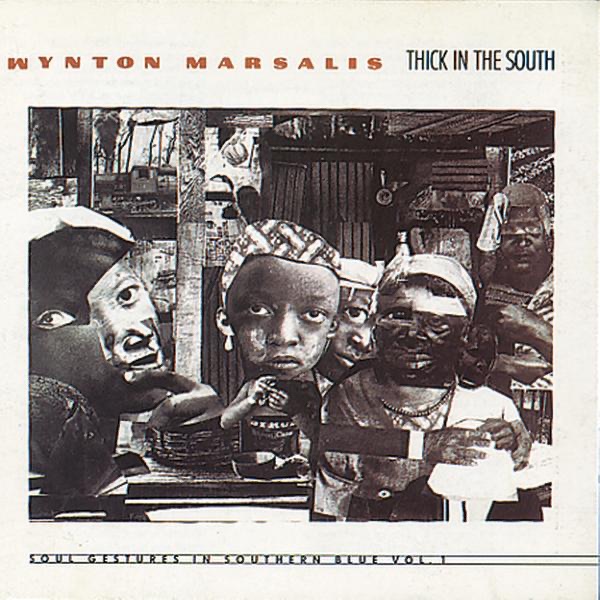
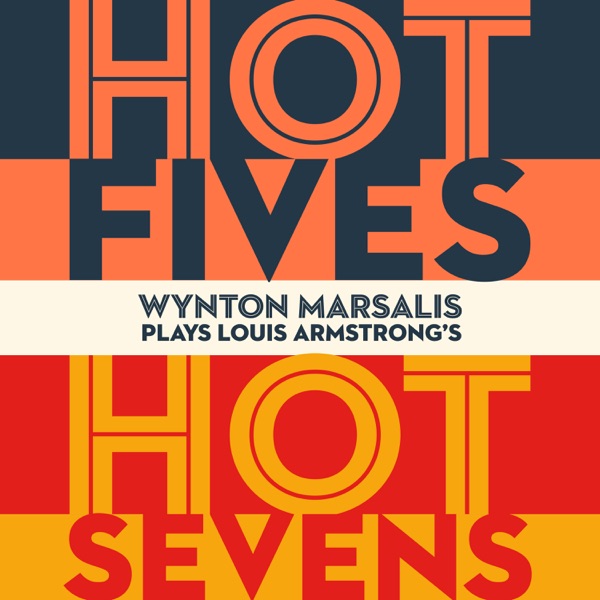
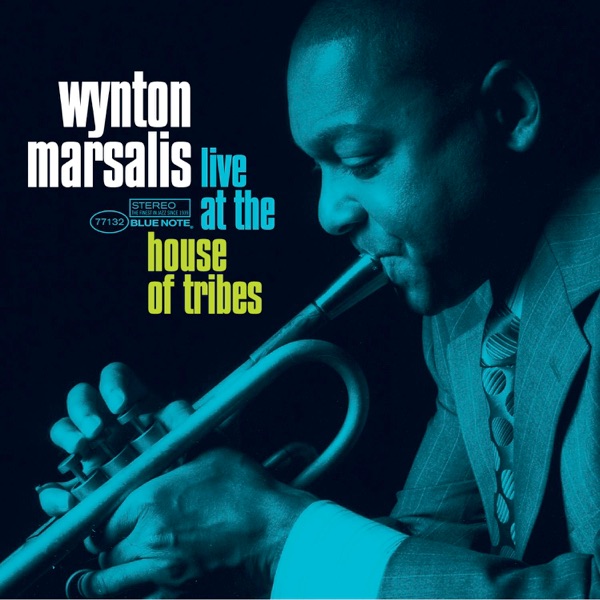
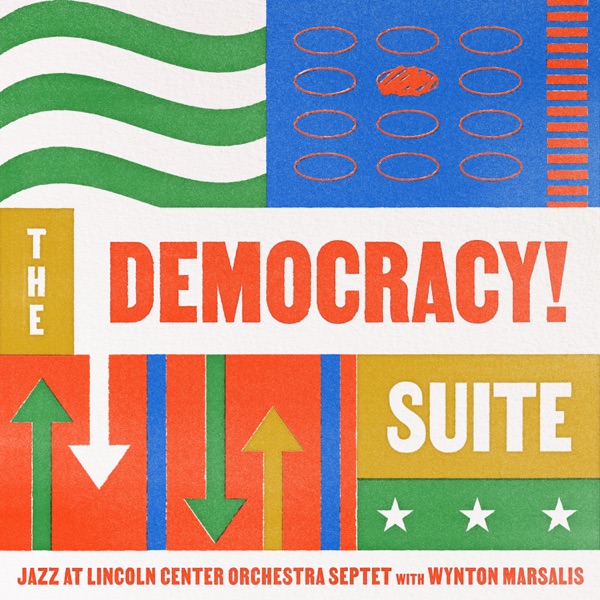
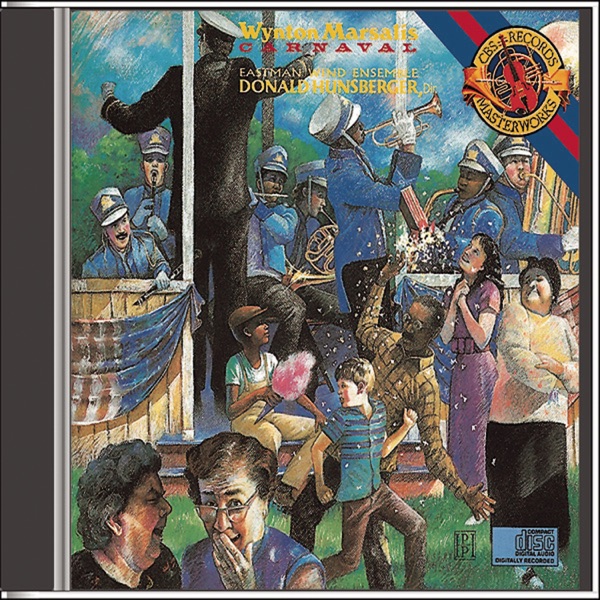
Explore 423 albums and recordings, arranged by release date.





Explore other jazz artists who share genre tags with Wynton Marsalis.