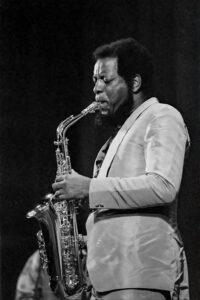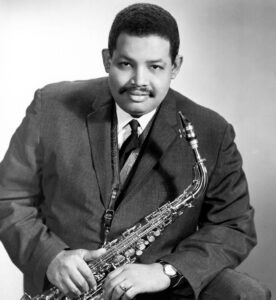
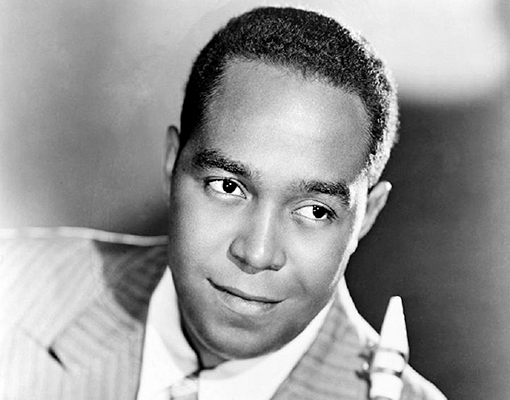
Charlie Parker is a jazz artist featured on JazzMore. Genres: Jazz, Bebop, Kansas City Jazz. From United States. Lifespan: August 29, 1920 - March 12, 1955. Explore 48 albums in our catalog, arranged by release date.
Charles Parker Jr., nicknamed“Bird”or“Yardbird”, was an American jazz saxophonist, bandleader, and composer.
Parker was an exceptionally influential soloist and a leading figure in the development ofbebop, a style marked by fast tempos, virtuosity, and complex harmony. He introduced revolutionary rhythmic and harmonic ideas, including rapid passing chords, altered chords, and chord substitutions. His main instrument was the alto saxophone.
Parker became an icon to the hipster subculture and, later, the Beat Generation. He helped shape the image of the jazz musician as a uncompromising artist and intellectual rather than simply an entertainer.
Charles Parker Jr. was born in Kansas City, Kansas, on August 29, 1920. His parents were Charles Parker Sr. and Adelaide “Addie” Bailey. His father worked as a Pullman porter and also toured as a pianist and singer, which had some influence on Parker’s musical development.
Age 11: Began studying the saxophone.
Age 14: Joined the Lincoln High School band and got a new alto saxophone.
1935: Left high school and began his professional music career.
In early 1936, Parker made a mistake during a jam session, and drummer Jo Jones threw a cymbal toward him to signal that he should leave the bandstand. The incident drove him to practice more intensely; he reportedly spent up to 15 hours a day practicing over the next few years. Late in 1936, he was seriously injured in a car accident while traveling to a performance, breaking ribs and injuring his spine. During his recovery, he further developed his ability to improvise over chord changes.
Parker moved to New York in 1939. While washing dishes at Jimmy’s Chicken Shack, he heard pianist Art Tatum. A breakthrough came while he was practicing “Cherokee”: he realized he could use a chord’s upper extensions as a melodic line, helping him develop the language ofbebop.
Between 1942 and 1944, a recording ban by the musicians’ union meant that much of bebop’s early development went undocumented. Parker formed a close friendship with Dizzy Gillespie, and together they helped define the new style.
1945: Recorded classics including “Ko-Ko” and “Billie’s Bounce.”
1946: Suffered a physical and emotional breakdown in California and was treated at Camarillo State Hospital.
1949: Fulfilled a long-held wish to record with strings, making the celebrated Charlie Parker with Strings.
1953: Gave a legendary concert at Massey Hall in Toronto with Gillespie, Mingus, and others, playing a plastic saxophone.
Parker struggled for years with heroin addiction, alcoholism, and mental health problems. The death of his daughter Pree in 1954 devastated him, and he attempted suicide.
On March 12, 1955, Parker died at age 34 in Baroness Pannonica de Koenigswarter’s suite at the Stanhope Hotel in New York. The official causes were lobar pneumonia and a bleeding ulcer. Because his body had been worn down, the medical examiner estimated his age at between 50 and 60.
| Feature | Description |
| Contrafact | Composing a new melody over the chord progression of an existing jazz standard, as in “Ornithology.” |
| Bird Changes | A distinctive reharmonization of the 12-bar blues, as in “Blues for Alice.” |
| Rhythmic Innovation | Flexible use of triplets and offbeat accents gave his solos a freer feel. |
| Notable Works | 《Confirmation》、《Anthropology》、《Scrapple from the Apple》、《Yardbird Suite》。 |
“You can tell the history of jazz in four words: Louis Armstrong, Charlie Parker.” —Miles Davis
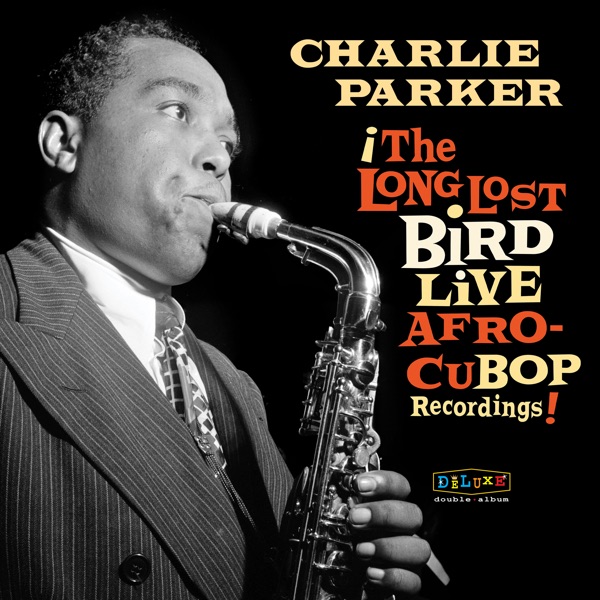
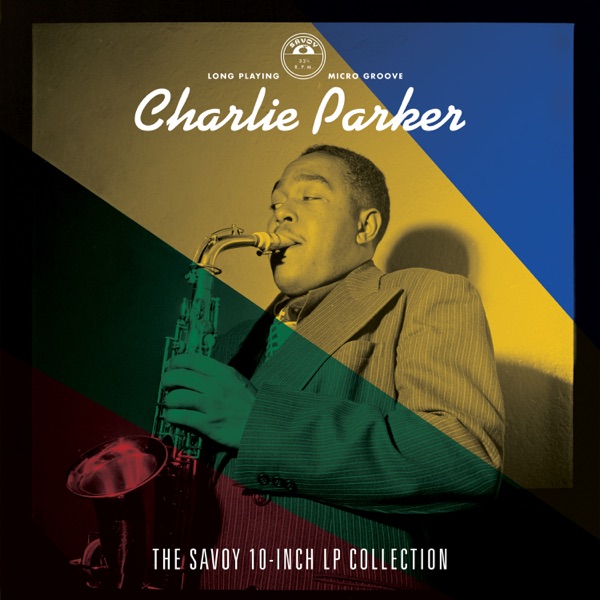
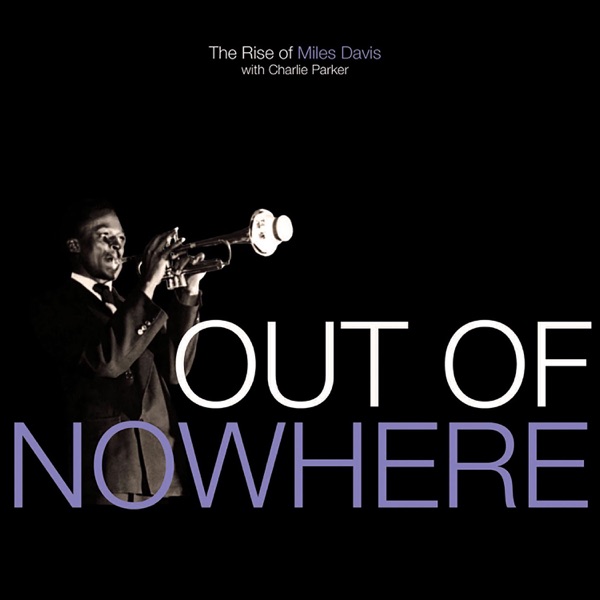
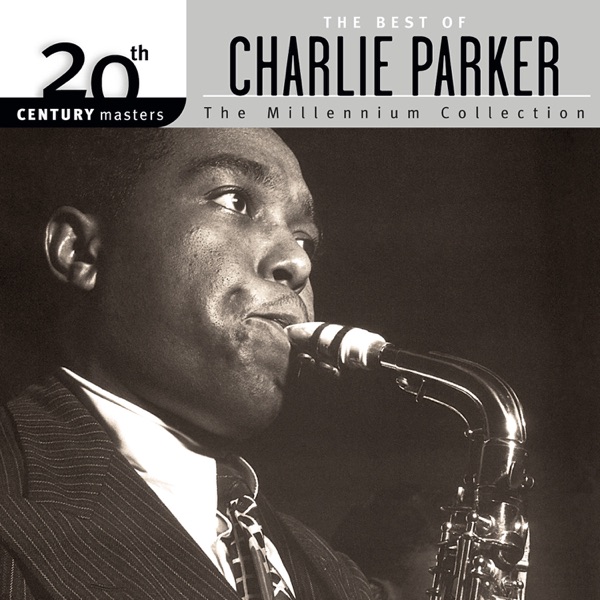
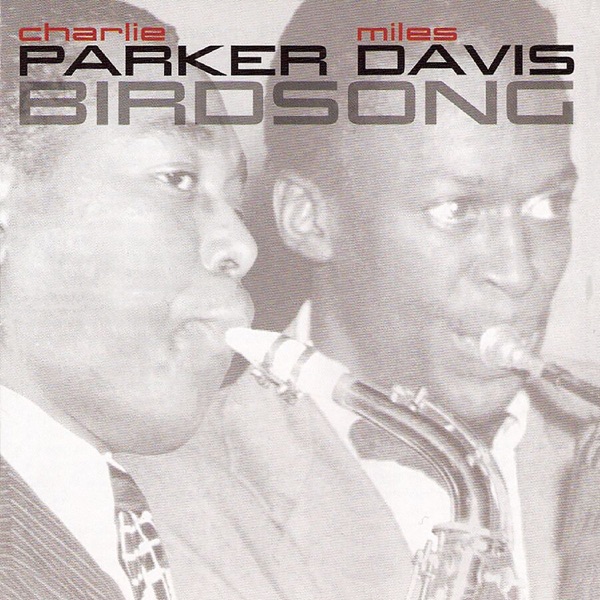
Explore 48 albums and recordings, arranged by release date.






Explore other jazz artists who share genre tags with Charlie Parker.