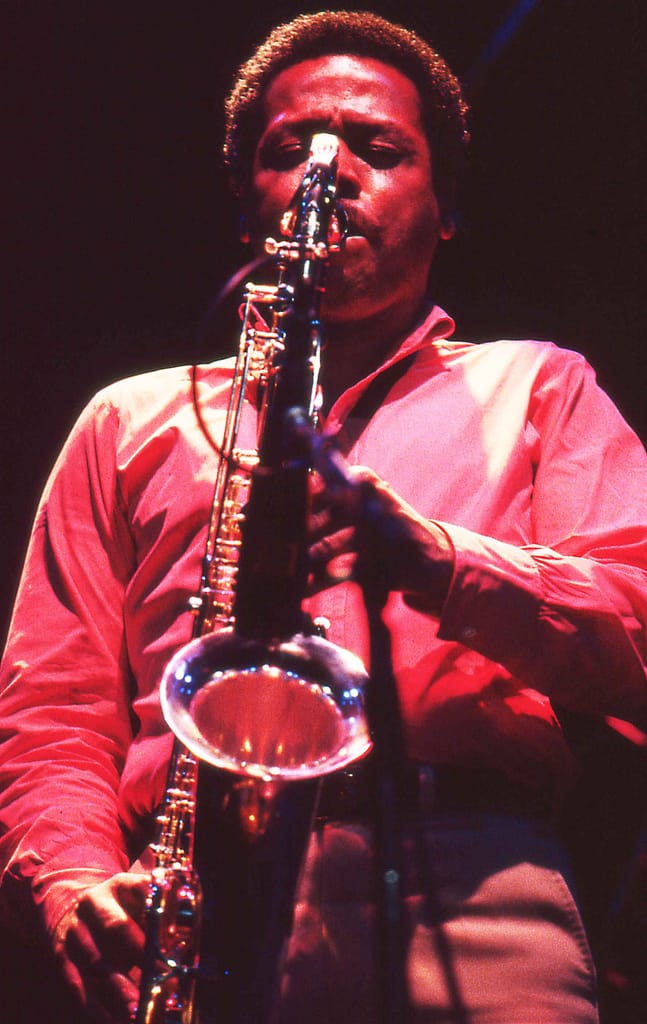


Wayne Shorteris widely regarded as one of jazz history’s greatest composers and a master of both tenor and soprano saxophone. His career crossed hard bop, modal jazz, and fusion. A deep, mysterious, and philosophical musical voice made him one of jazz’s great thinkers.
Born in Newark, New Jersey,ShorterjoinedArt Blakey’sJazz Messengers(the Jazz Messengers) in 1959 and soon became the group’s musical director. He wrote many hard-bop classics during this period. His thoughtful nature and detached musical perspective earned him the nickname “the Wise One.”
In 1964, he joinedMiles Davis’s Second Great Quintet, where he andHerbie Hancock、Ron CarterandTony Williamshelped rewrite the history of jazz.Shorterwas the quintet’s most prolific composer, contributing classics such as “Footprints,” “Nefertiti,” and “E.S.P.” Their modal harmonies and sense of space stood at the heart of the group. He later played a central role onMiles Davis, a landmark fusion album, and《In a Silent Way》.《Bitches Brew》(another landmark album).
In 1970, he co-founded the legendary jazz-fusion groupJoe Zawinulwith keyboardistWeather Report. In the group,Shorterturned increasingly to soprano saxophone, whose sound was airy as silk yet sharply focused. Recordings such as “Birdland” became artistic and commercial high points of the fusion era.
In the 21st century,Shorterformed a celebrated quartet withDanilo Pérez、John PatitucciandBrian Blade. The group pursued an approach called “Zero Gravity,” breaking away from predetermined frameworks in search of intuition and spiritual connection. Shorter received a Grammy Lifetime Achievement Award in 2015 and several Grammy Awards for Best Jazz Album, remaining at the forefront of innovation.
3. Musical Style: Poetic Space and Structural Art
A Composer’s Mind:Shorter: Shorter’s improvisations often sound like composition in real time. Rather than piling up notes, he usesspaceand unexpected turns to create a surreal atmosphere.
Two Distinct Saxophone Voices: His tenor saxophone has a full, slightly melancholy sound. His soprano playing helped define the instrument in modern jazz: elegant, precise, and touched with a mysterious, almost cosmic quality.
Buddhist and Philosophical Influences: A devoted Buddhist,Shorteroften explored life, the universe, and rebirth in his music. He once said, “Music should be like a story that has not yet been finished.”
In Summary: Wayne Shorterwas jazz’s“philosopher”. With his saxophone, he painted nonlinear, fantastical abstractions, showing that jazz could be as profound as poetry and as expansive as the night sky.
An Aesthetic Connection: For a 3D designer drawn to flowing forms and surreal structures,Wayne Shorter’s music is an aural model ofparametric design. Each phrase feels like a surface generated in space: guided by inner logic yet full of unpredictable, organic beauty.
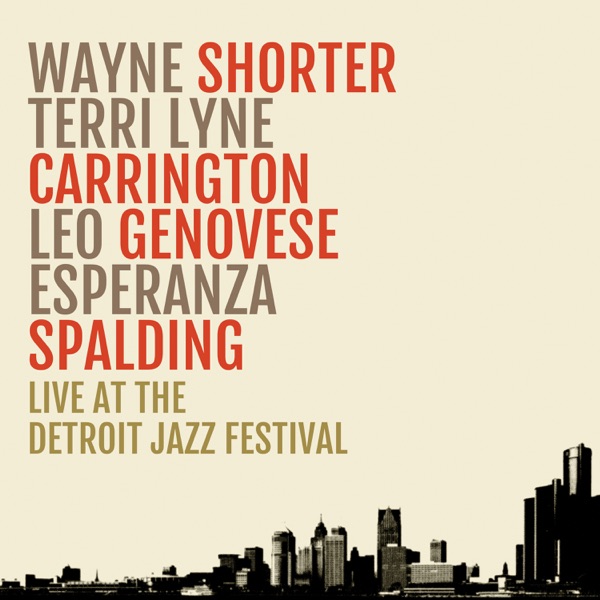
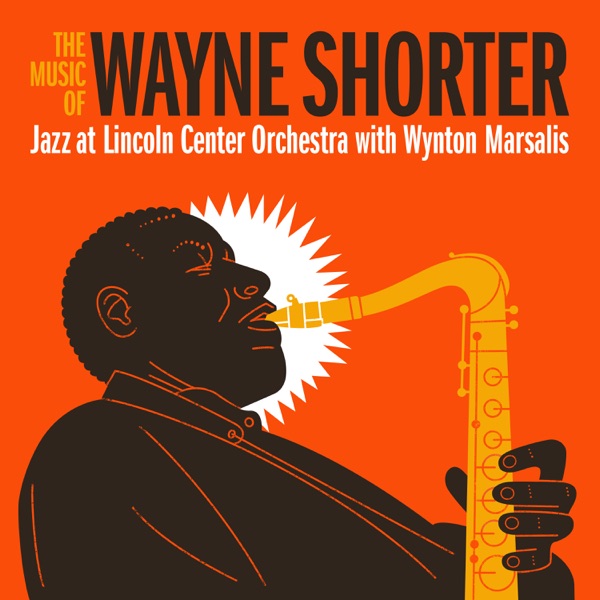
Explore 42 albums and recordings, arranged by release date.






Explore other jazz artists who share genre tags with Wayne Shorter.