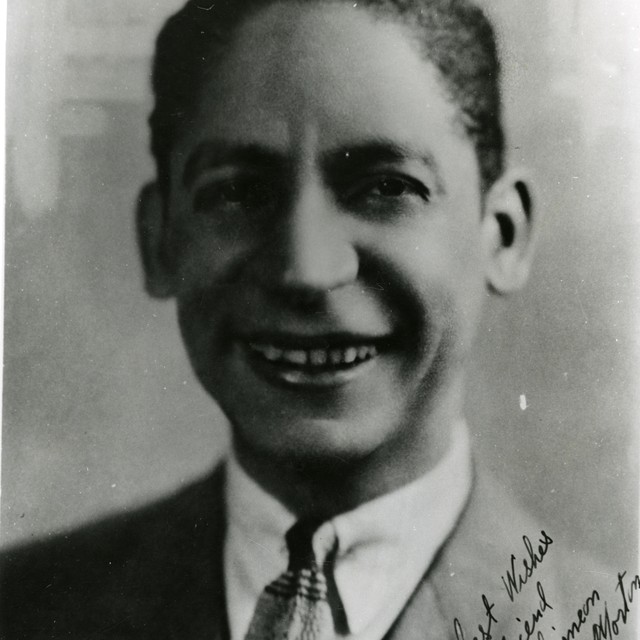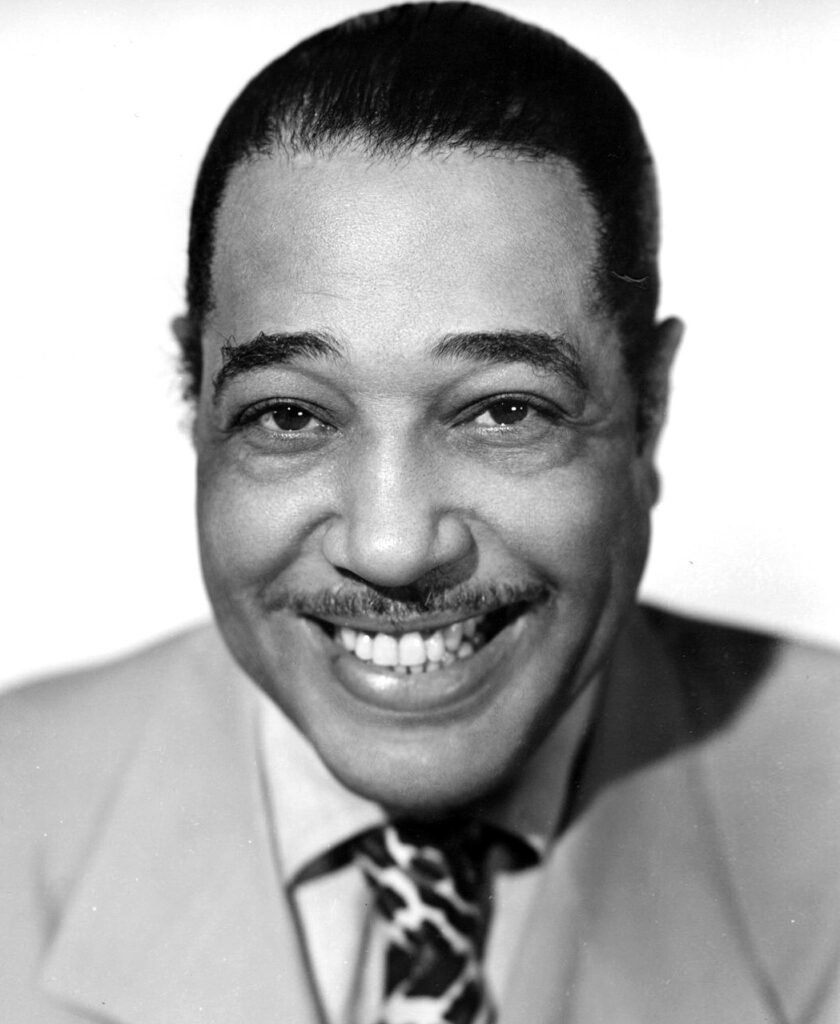


After discussing Hawkins and Dizzy, we arrive at one of the greatest creative forces in jazz history—Duke Ellington (1899–1974)。
If others were great performers, Duke was a greatcomposer and painter. He brought jazz from the clubs to Carnegie Hall and raised it to the level of an art form alongside classical music.
An Aristocratic Nickname: Born into a middle-class family in Washington, D.C., Ellington was called “Duke” by his classmates from childhood because of his elegant manner and dress.
The Jungle Style: In 1927, his orchestra began a residency at Harlem’s celebratedCotton Club. To accompany the club’s revues, he used brass mutes to create sounds that imitated animal calls, establishing the distinctive early style that became known as “jungle music.”
Writing for Individual Musicians: Ellington’s greatest innovation was that he did not write simply for “the tenor saxophone”; he wrote for “Ben Webster.” He knew each musician’s sound and tailored his music to the people in his orchestra.
Masterpieces: This period produced many lasting classics, including “Take the ‘A’ Train,” written by his creative partner Billy Strayhorn; “It Don’t Mean a Thing (If It Ain’t Got That Swing)”; and the extended narrative work Black, Brown and Beige.
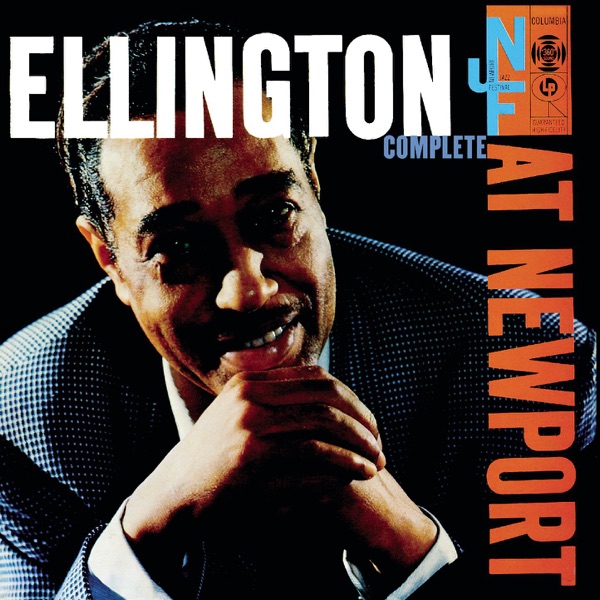
A Career Resurges: Big bands fell out of fashion in the 1950s, and Ellington’s career entered a difficult period. At the 1956Newport Jazz Festival, saxophonist Paul Gonsalves played an extended solo of 27 choruses that sent the crowd into a frenzy. Ellington returned to the top and appeared on the cover of Time magazine.
A Cross-Generational Pioneer: In his later years, Ellington composed three celebrated Sacred Concerts and recorded with younger musicians such as Charles Mingus and John Coltrane, demonstrating his remarkable openness.
Final Years: He died of pneumonia in 1974. More than 12,000 people attended his funeral, marking the end of an era.
A Sense of Color: Ellington had an exceptional ear for timbre. He liked combining unlikely instruments—for example, clarinet with a muted trumpet—to create new and unexpected colors.
Beyond Categories: He disliked the label “jazz” and preferred to call his music“beyond category”. His work could be as grand as a big band and as nuanced as Impressionist music.
Duke Ellington was jazz’s“Monet”. He used the big band as his paintbrush, layering colors across the canvas of time.
Connections: As you may know,Coleman HawkinsandDexter Gordonboth recorded tribute albums to Duke late in their careers. Ellington was a great tree whose shade sheltered nearly every modern jazz musician.
As a designer, you may appreciate Ellington’s command ofstructure and color: he never relied on force for its own sake, but pursued precise emotional expression.
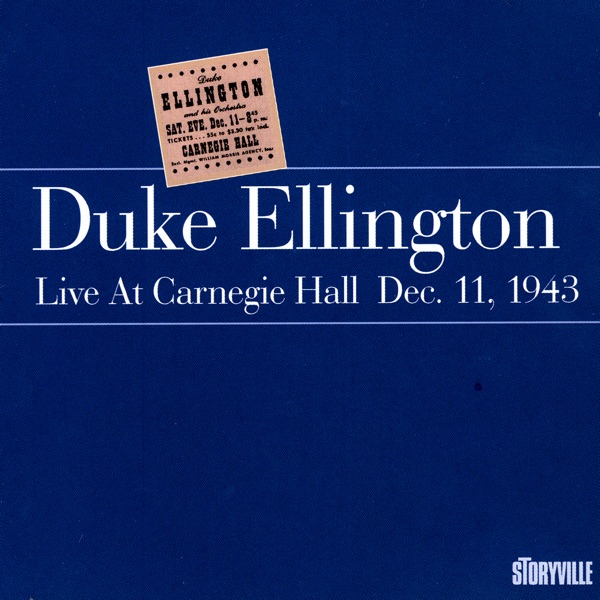
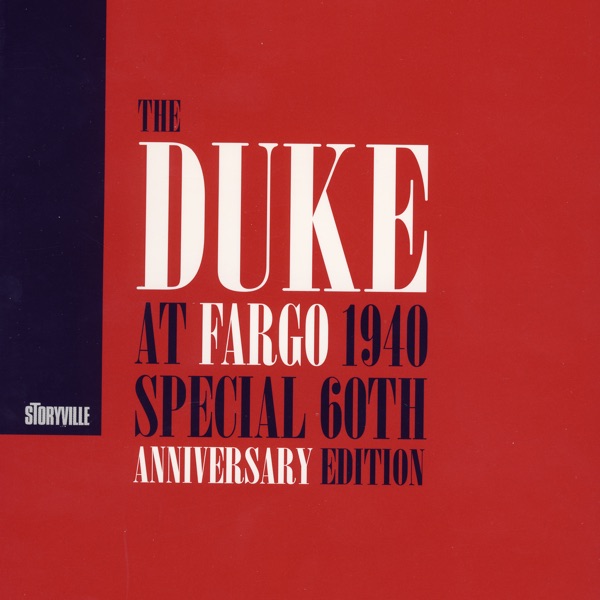
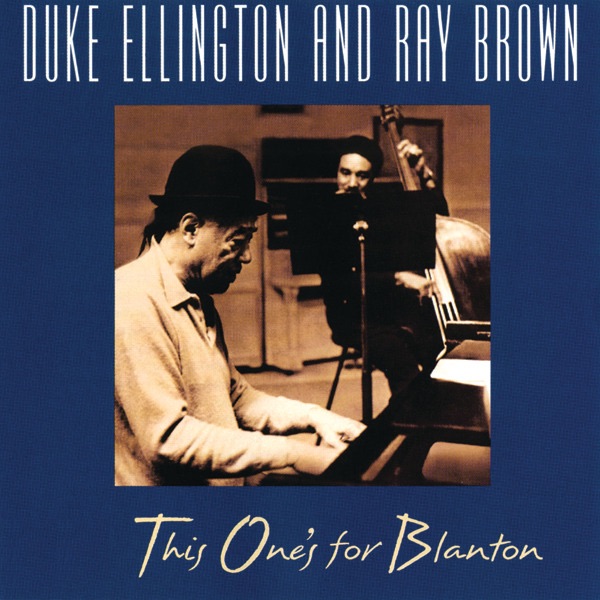
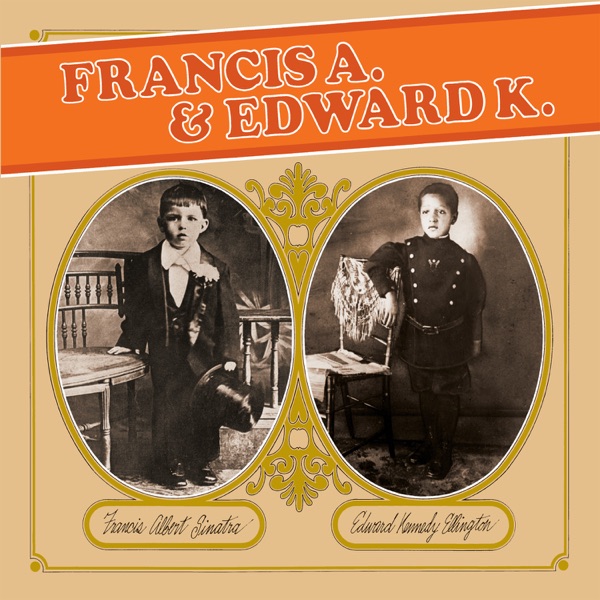
Explore 47 albums and recordings, arranged by release date.







Explore other jazz artists who share genre tags with Duke Ellington.