
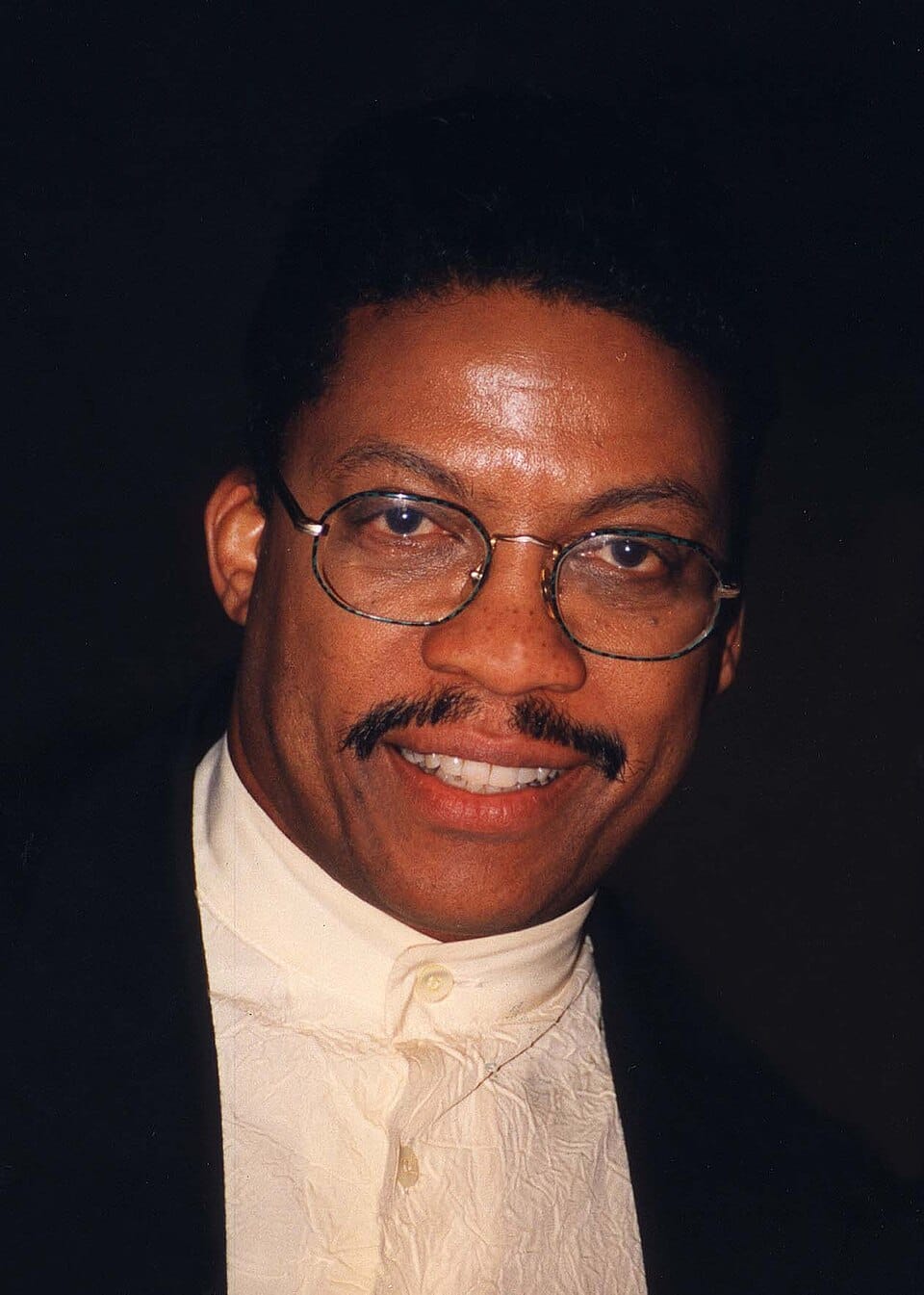
Herbie Hancock
After Freddie Hubbard, we come to one of jazz history’s greatest innovators and musical “geeks”—Herbie Hancock (born 1940)。
If Duke Ellington was jazz’s classical master, Herbie is itsLeonardo da Vinci. He has moved across hard bop, post-bop, fusion, funk, and even hip-hop, winning the respect of devoted jazz listeners and success on the pop charts alike.
1. A Piano Prodigy and the Jazz Messengers (1940s–1962)
-
Classical Roots: Born in Chicago, Hancock performed Mozart with the Chicago Symphony Orchestra at age 11 as a piano prodigy. A strong sense of classical structure remained with him throughout his career.
-
A Landmark Debut: He signed with Blue Note in 1962. His first album,《Takin’ Off》, quickly produced the hit “Watermelon Man.”
2. Miles Davis’s Second Great Quintet (1963–1968)
-
A Golden Quintet: Invited by Miles Davis, Hancock joined Wayne Shorter, Ron Carter, and Tony Williams to form one of the most celebrated quintets in jazz history.
-
A Harmonic Revolution: During this period, Hancock redefined the piano’s role in jazz. His flowing, spacious harmonies gave Davis’s modal jazz the perfect foundation.
3. The Meeting of Technology and Funk (1970s–1980s)
-
《Head Hunters》: In 1973, Hancock made a decisive turn toward synthesizers and funk rhythms. The resulting album became the first jazz record to go gold, and “Chameleon” remains essential study for musicians.
-
“Rockit” and Hip-Hop: In 1983, he created “Rockit.” The track won a Grammy, and its music video helped bring turntablism—especially scratching—to audiences around the world.
4. Later Years: Grammy Favorite and Cultural Icon
-
《River: The Joni Letters》: In 2007, his album honoring Joni Mitchell won theGrammy Award for Album of the Year, the first jazz album to win the top award since 1965.
-
A UNESCO Goodwill Ambassador: He founded International Jazz Day and has promoted peace and dialogue around the world through music.
Artistic Style: Intelligence in Motion
-
Modal Harmony and Space: Hancock has a remarkably expressive touch and makes deft use of space and dissonance to create a profound sense of the future.
-
A Technology Enthusiast: He was among the first jazz musicians to embrace computers, samplers, and synthesizers. As he puts it, “I’m a tech geek who loves music.”
-
A Chameleon’s Adaptability: In a single concert, he can move naturally between a Steinway grand piano and a complex array of electronic keyboards.
In Summary
Herbie Hancock is jazz’s“Steve Jobs”. Never content with the status quo, he keeps searching for the next meeting point between music and technology, and between art and popular culture.
Connections: Among the musicians mentioned earlier, Hancock shared a long friendship and many piano duets withChick Corea, and had countless memorable musical encounters withFreddie Hubbard、and Dexter Gordon.All three musicians shared countless memorable musical moments with Hancock.
If you work in 3D modeling and printing, you may especially enjoy Hancock: his music itself feels likehigh-precision modeling, driven by experimentation and a fascination with new tools.

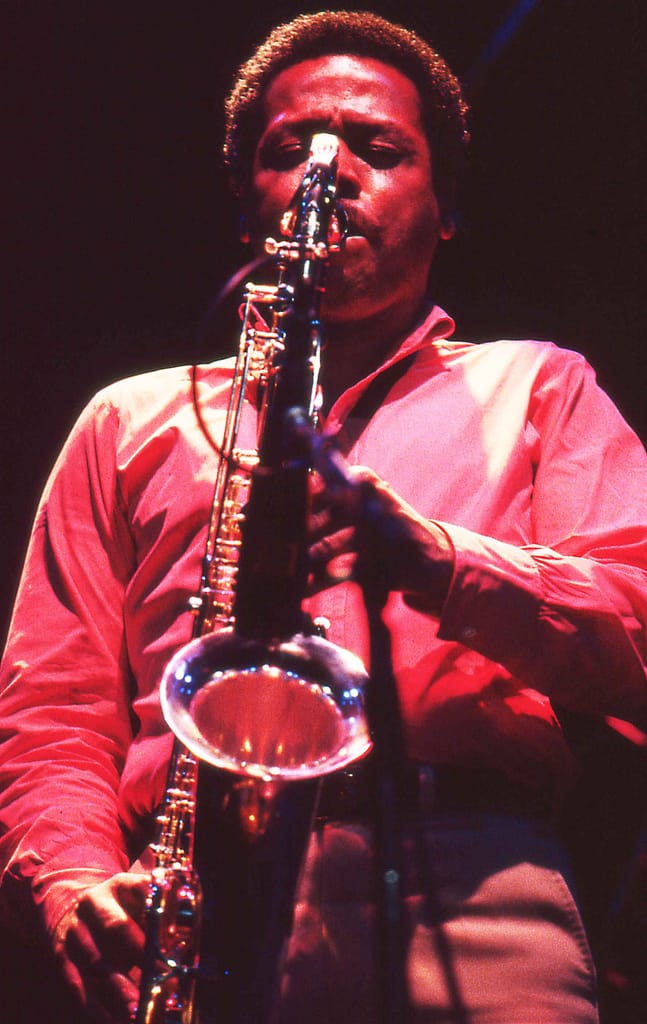
Wayne Shorter
Wayne Shorteris widely regarded as one of jazz history’s greatest composers and a master of both tenor and soprano saxophone. His career crossed hard bop, modal jazz, and fusion. A deep, mysterious, and philosophical musical voice made him one of jazz’s great thinkers.
The Jazz Messengers and the Rise of the “Wise One” (1959–1963)
Born in Newark, New Jersey,ShorterjoinedArt Blakey’sJazz Messengers(the Jazz Messengers) in 1959 and soon became the group’s musical director. He wrote many hard-bop classics during this period. His thoughtful nature and detached musical perspective earned him the nickname “the Wise One.”
A Key Voice in Miles Davis’s Quintet (1964–1970)
In 1964, he joinedMiles Davis’s Second Great Quintet, where he andHerbie Hancock、Ron CarterandTony Williamshelped rewrite the history of jazz.Shorterwas the quintet’s most prolific composer, contributing classics such as “Footprints,” “Nefertiti,” and “E.S.P.” Their modal harmonies and sense of space stood at the heart of the group. He later played a central role onMiles Davis, a landmark fusion album, and《In a Silent Way》.《Bitches Brew》(another landmark album).
Weather Report and the Peak of Fusion (1970s–1980s)
In 1970, he co-founded the legendary jazz-fusion groupJoe Zawinulwith keyboardistWeather Report. In the group,Shorterturned increasingly to soprano saxophone, whose sound was airy as silk yet sharply focused. Recordings such as “Birdland” became artistic and commercial high points of the fusion era.
The Final Quartet and Spiritual Exploration (2000s–2023)
In the 21st century,Shorterformed a celebrated quartet withDanilo Pérez、John PatitucciandBrian Blade. The group pursued an approach called “Zero Gravity,” breaking away from predetermined frameworks in search of intuition and spiritual connection. Shorter received a Grammy Lifetime Achievement Award in 2015 and several Grammy Awards for Best Jazz Album, remaining at the forefront of innovation.
3. Musical Style: Poetic Space and Structural Art
-
A Composer’s Mind:Shorter: Shorter’s improvisations often sound like composition in real time. Rather than piling up notes, he usesspaceand unexpected turns to create a surreal atmosphere.
-
Two Distinct Saxophone Voices: His tenor saxophone has a full, slightly melancholy sound. His soprano playing helped define the instrument in modern jazz: elegant, precise, and touched with a mysterious, almost cosmic quality.
-
Buddhist and Philosophical Influences: A devoted Buddhist,Shorteroften explored life, the universe, and rebirth in his music. He once said, “Music should be like a story that has not yet been finished.”
In Summary: Wayne Shorterwas jazz’s“philosopher”. With his saxophone, he painted nonlinear, fantastical abstractions, showing that jazz could be as profound as poetry and as expansive as the night sky.
An Aesthetic Connection: For a 3D designer drawn to flowing forms and surreal structures,Wayne Shorter’s music is an aural model ofparametric design. Each phrase feels like a surface generated in space: guided by inner logic yet full of unpredictable, organic beauty.
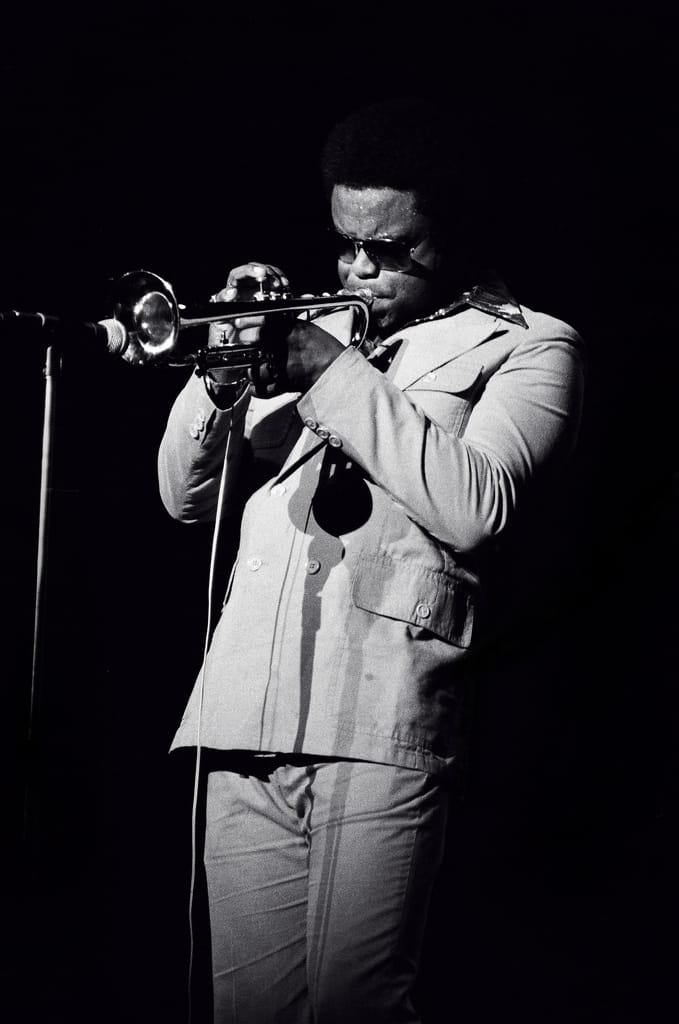
Freddie Hubbard
After introducing jazz pioneers from Coleman Hawkins to Duke Ellington, we return to the leading trumpet voice of thehard-bopandpost-boperas—Freddie Hubbard (1938–2008)。
If Clifford Brown was a shooting star, Hubbard was aflame that burned for half a century. He was one of the most technically accomplished and brilliant-toned trumpeters in jazz history.
1. New York and the Jazz Messengers (1958–1964)
-
A Fast Start: At 20, he left Indianapolis for New York. His explosive power and precision quickly drew attention, and early in his career he worked with such leading figures as Thelonious Monk and John Coltrane.
-
At the Messengers’ Peak: In 1961, Hubbard replaced Lee Morgan in Art Blakey’sJazz Messengers, a move that marked his arrival among the top ranks of jazz musicians.
-
Landmark Sessions: Hubbard could move between tradition and the avant-garde. He played on two groundbreaking albums that changed the course of jazz: Ornette Coleman’s《Free Jazz》and John Coltrane’s《Ascension》。
2. A Golden Age of Blue Note (1960s)
-
A Prolific Period: As a leader for Blue Note, he recorded landmark albums including Ready for Freddie and The Artistry of Freddie Hubbard.
-
A Hard-Bop Standard-Bearer: His playing offered a textbook example of hard bop: fast runs, crisp articulation, and signature bursts into the upper register.
3. Fusion and Mainstream Success in the 1970s
-
《Red Clay》: Recorded for CTI in 1970, Red Clay became his most successful commercial album, combining funk and soul with an irresistibly memorable melody.
-
Grammy Recognition: In 1972, he won the Grammy Award for Best Jazz Performance by a Group for the album《First Light》.
4. Later Challenges and Final Years (1990s–2008)
-
A Lip Injury: In 1992, exhaustion and years of intense playing contributed to a serious split and infection in his upper lip. The injury was devastating for a trumpeter. His technique never fully recovered, and he increasingly turned to the gentler flugelhorn.
-
Final Years: He died of a heart attack in California in 2008, aged 70.
Artistic Style: Brilliance with a Metallic Edge
-
Flawless Technique: Hubbard’s playing was known for itsmodernity. His wide interval leaps were remarkably precise, giving the music a sharp, almost metallic edge.
-
A Full, Radiant Tone: Compared with Chet Baker’s slender sound, Hubbard’s trumpet was broad and bright, like brass shining in the sun.
-
A Versatile Musician: He could play blazing fast tunes as confidently as he could bring tenderness to a ballad.
In Summary
Freddie Hubbard was the trumpet world’s“all-around warrior”. He carried Clifford Brown’s legacy forward and pushed it into more modern and forceful territory.
Connections: Among the musicians mentioned earlier, Hubbard shared deep artistic ties withDexter Gordon(they recorded Doin’ Allright together),Art Blakey、andHerbie Hancock—all of whom shared a deep artistic connection with him. Hubbard was the fiercest brass voice of an era rich with heroes.
For a 3D artist, Hubbard’s music may suggest a metallic render: bright, solid, with every detail in sharp focus.
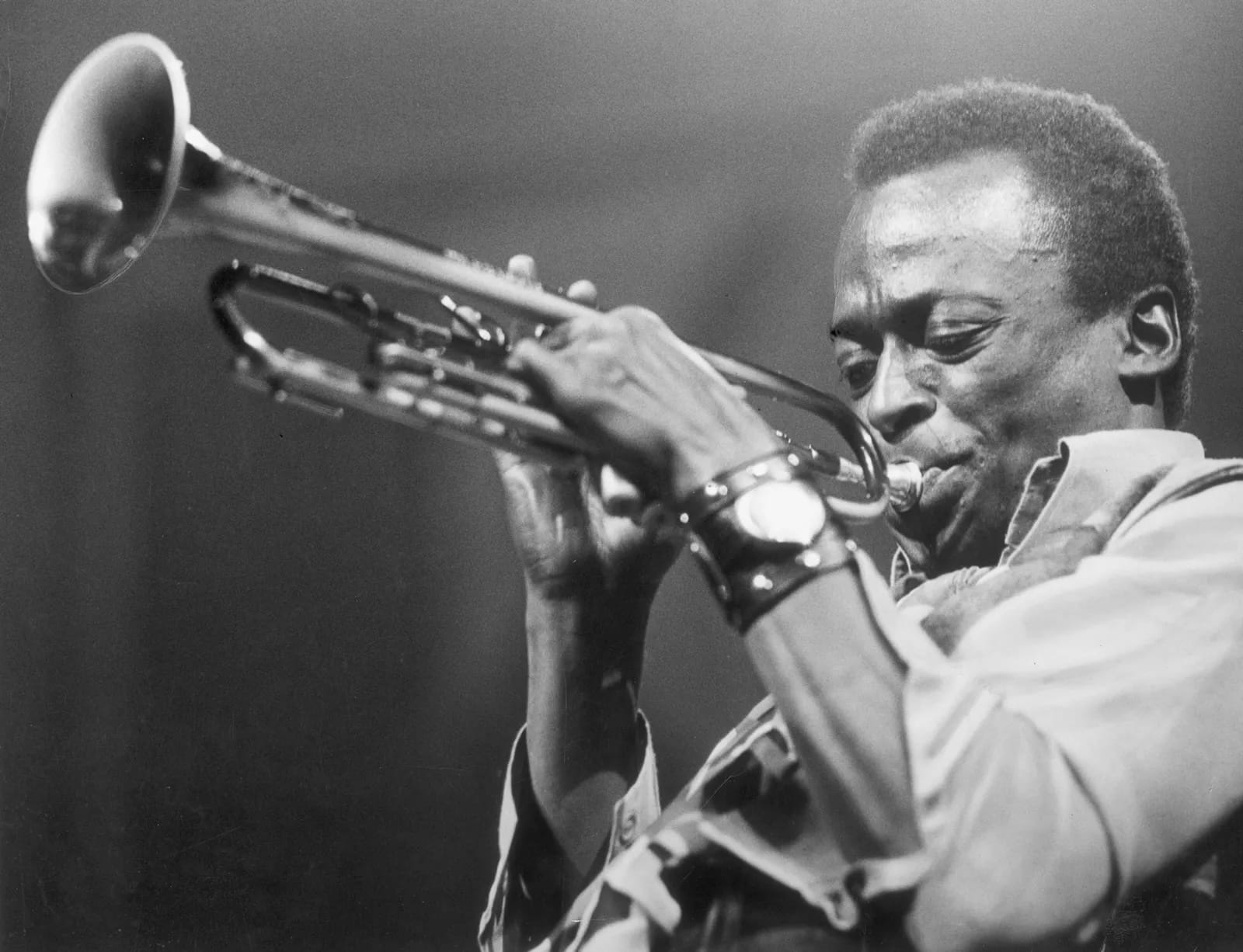
Miles Davis
Trumpeter, bandleader, and composer
Born May 26, 1926 in Alton, Illinois, USA, died September 28, 1991 in Santa Monica, California, USA (aged 65)
One of the most important figures in jazz history, Davis adopted multiple musical directions in a five-decade career that kept him at the forefront of many major stylistic developments in jazz. His album "[m=5460]" (1959) is the highest selling jazz album ever with over five million copies sold.
Miles settled in New York City to study at Juilliard School. He made his professional debut as a member of [a272028] from 1944 to 1948. In 1948, Davis began to found his own ensembles. At that time, he met [a255137], who contributed to [a497768]'s scores and arrangements. The dozen sides they recorded in 1949-50 were eventually assembled as the LP "[m=62308]" (1957), with Davis and Evans working together again from 1957 on further projects.
Miles Davis was prominent in the creation of the 'Hard Bop' style in the mid-1950s (his first regular quintet featured [a97545]), and the "time, no changes" approach in his second quintet a decade later. In the late 1960s, he introduced electronic instruments and rock and funk rhythms in his music. Around 1975, he went on a hiatus over health and personal problems, re-emerging in 1980.
He married dancer/actress [a7671712] on December 12, 1959; the couple divorced in 1968. He then married singer [a1076460] in September 1968; they divorced in 1970. He then married actress [a6279083] on November 26, 1981; they divorced in 1989. Father of [a680784] and [a1493787]. Uncle of [a279708] (Jr).
Inducted into Rock And Roll Hall of Fame in 2006 (Performer).
Winner of eight Grammy Awards:
- Best Jazz Composition Of More Than Five Minutes Duration for Sketches Of Spain on [m=48172]
- Best Jazz Performance - Large Group Or Soloist With Large Group for [m=8260]
- Best Jazz Instrumental Performance, Soloist for [m=65130]
- Best Jazz Instrumental Performance, Soloist for [m=63355]
- Best Jazz Instrumental Performance, Big Band for [m=62288]
- Best Jazz Instrumental Performance, Soloist (On A Jazz Recording) for [m=62288]
- Best R&B Instrumental Performance for [m=62359]
- Best Large Jazz Ensemble Performance for [m=188032]
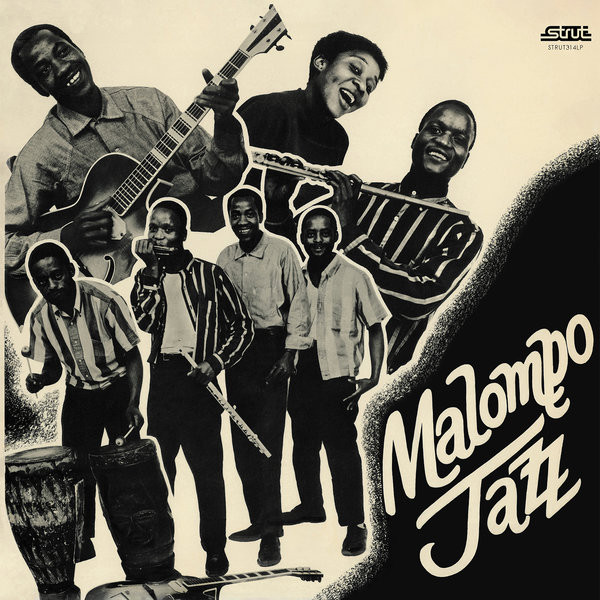
Malombo Jazz Makers
Also known as: (Malombo Jazz), Malombo Jazz, Malompo Jazz
Members: Lucky Ranku, Julian Bahula, Abbey Cindi
Links:

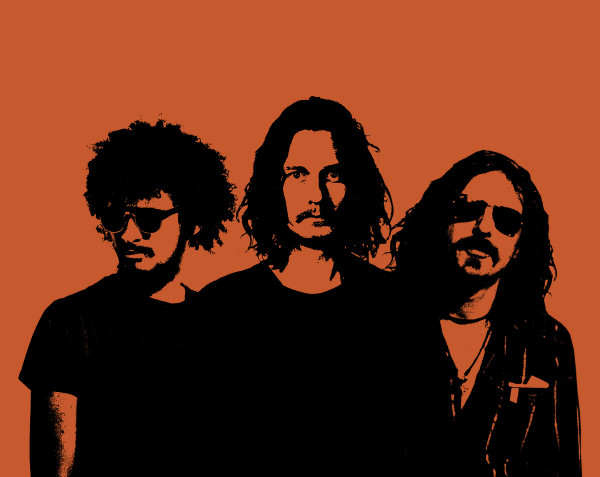
Jazz Sabbath
Biography
Jazz Sabbath is a fictional English jazz trio said to be from the late sixties. The band was created by [a=Adam Wakeman], touring keyboard and guitar player for [a=Black Sabbath] (2004–2017). Jazz Sabbath plays jazz renditions of Black Sabbath songs; claiming to be the original writers of those songs and accusing Black Sabbath of plagiarism.
The band first appeared in a mockumentary on YouTube in February 2020. In this short film band leader Milton Keanes (Adam Wakeman) was interviewed by actor Robert Powell about the early days of Jazz Sabbath, their cancelled debut album and the alleged theft of their songs by Black Sabbath. This album was later released as an actual album on April 10, 2020.
Members: Adam Wakeman, Jerry Meehan, Ash Soan
Links:
- http://jazzsabbath.bandcamp.com/
- https://www.facebook.com/JazzSabbath1970
- https://www.instagram.com/jazz_sabbath/
- https://twitter.com/Jazz_Sabbath
- https://en.wikipedia.org/wiki/Jazz_Sabbath
- https://www.youtube.com/channel/UCWxJsdFuxD4uEiLqiJrUgXQ
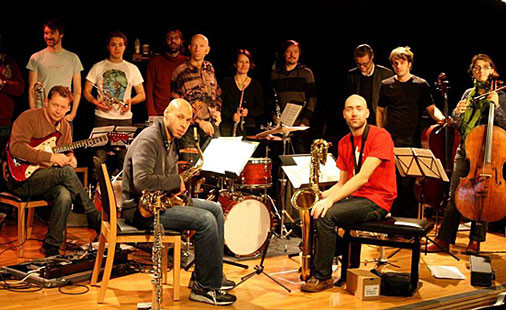
Trondheim Jazz Orchestra
Also known as: Trondheim Jazzorkester
Members: Sidsel Endresen, Christian Wallumrød, Erlend Skomsvoll, Jim Denley, Mathias Eick, Thomas Strønen, Ståle Storløkken, Erik Johannessen, Håkon Mjåset Johansen, Fredrik Wallumrød, Mats Eilertsen, Per Oddvar Johansen, Martin Küchen, Ingar Zach, Nils Jansen, Per Zanussi, Rhodri Davies, Øyvind Brandtsegg, Kirsti Huke, Clare Cooper, Tore Brunborg, Mattias Ståhl, Trude Eick, Morten J. Olsen, Hild Sofie Tafjord, Torstein Lofthus, Kjetil Møster, Håvard Lund, Bjørn Ole Solberg, Martin Taxt, Johan Hörlén, Terje Isungset, Christian Jaksjø, Eira Bjørnstad Foss, Bjørnar Habbestad, Michael Francis Duch, Petter Kateraas, Lene Grenager, Øyvind Engen, Maria Kannegaard, Steinar Raknes, Ola Kvernberg, Helge Norbakken, Nils-Olav Johansen, Jon Fält, Tor Haugerud, Siri Gjære, Jovan Pavlovic, Anja Lauvdal, Morten Barrikmo Engebretsen, Anita Kaasbøll, Mai Elise Solberg, Klaus Ellerhusen Holm, Kari Rønnekleiv, Tore Johansen (3), Atle Nymo, Ole Morten Vågan, Øyvind Brække, Hans Christian Frønes, Erik Eilertsen, Vigleik Storaas, Espen Reinertsen, Hayden Powell, Eirik Hegdal, Fredrik Sjølin, Frode Nymo, John Pål Inderberg, Kristoffer Kompen, Eivind Lønning, Hildegunn Øiseth, Gard Nilssen, Jo Fougner Skaansar, Kim Myhr, Karin Hammar, Hedvig Mollestad Thomassen, Mette Rasmussen, Anders Tveit, Petter Vågan, Marianne Baudouin Lie, Heidi Skjerve, Mats Äleklint, Tor Yttredal, Kyrre Laastad, Kristoffer Lo, Lars Ove Fossheim, Ingrid Helene Håvik, Daniel Herskedal, Njål Ølnes, Jørgen Mathisen, Frøy Aagre, Trond Kopperud, Jens Linell, Inger Besserudhagen, Hanne Rekdal, Shannon Mowday, Heiða Karine Jóhannesdóttir Mobeck, Alexander Zethson, Petter Eldh, Stein Villanger, Trine Knutsen, Stig Førde Aarskog, André Roligheten, Ellen Brekken, Sissel Vera Pettersen, Hanna Paulsberg, Siv Øyunn Kjenstad, Adrian Løseth Waade, Christian Skår Winther, Thomas Johansson (6), Pekka Stokke, Ingebjørg Loe Bjørnstad, Ina Sagstuen, Ida Marie Sørmo, Espen Berg (2), Tomas Eidsvåg, Matilda Rolfsson, Kari Eskild Havenstrøm, Petter Kraft, Martin Myhre Olsen, Ola Øverby, Natali Abrahamsen Garner, Amund Storløkken Åse, Ingvald André Vassbø, Håvard Aufles
Links:
- http://www.trondheimjazzorchestra.no/
- https://trondheimjazzorkester.bandcamp.com/
- http://www.myspace.com/trondheimjazzorchestra
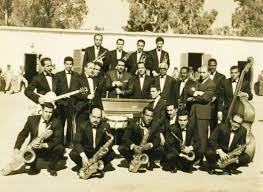
The Cairo Jazz Band
Biography
The Cairo Jazz Band was the first Egyptian jazz big band, It was formed by [a=Salah Ragab] in 1968.
Also known as: Cairo Jazz Band, The Cairo Jazz Orchestra
Members: Hartmut Geerken, Salah Ragab, Saied Salama, El Saied El Aydy, Sayed Sharkawy, Abdel Hakim El Zamel, Khalifa El Samman, Sadeek Basyouny, Abdel Atey Farag, Mahmoud Ayoub, Mohammad Abdel Rahman, El Sayeed Dahroug, Moohy El Din Osman, Fathy Abdel Salam, Abdel Hamd Abdel Ghaffar (Toto), Khmis El Khouly, Zaky Osman, Farouk El Sayed, Sayed Ramadan, Ibrahim Wagdi, Mohammed Abdoe
Umo Jazz Orchestra
Biography
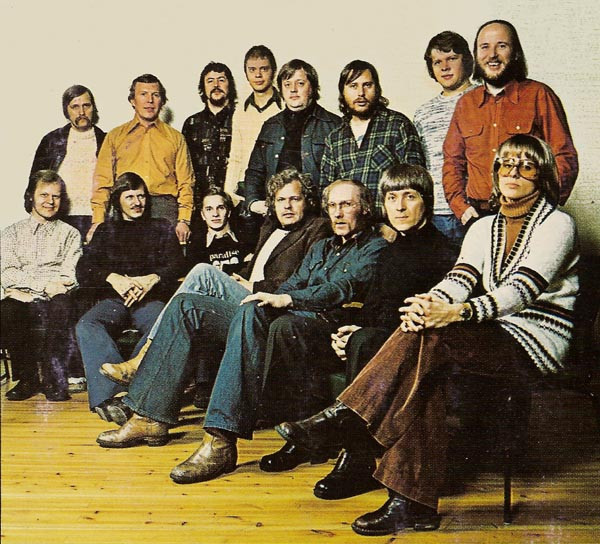
UMO Jazz Orchestra is a Finnish big band jazz orchestra founded in 1975 by [a=Heikki Sarmanto] and [a=Esko Linnavalli]. UMO comes from the words "Uuden Musiikin Orkesteri" (New Music Orchestra in English).
The band name was changed to [a8381523] in November 2018.
Also known as: New Music Orchestra, New Music Orchestra (UMO), The UMO Jazz Orchestra, UMO, UMO Big Band, UMO Helsinki Jazz Orchestra, UMO Jazz Orchestra Ja Jousikvintetti, UMO New Music Orchestra, UMO – New Music Orchestra, Umo, Umo Helsinki Jazz Orchestra, Umo New Music Orchestra, Uuden Musiikin Orkesteri (UMO)
Members: Eero Koivistoinen, Olli Ahvenlahti, Heikki Sarmanto, Esko Rosnell, Pekka Pöyry, Pekka Sarmanto, Mikko Mustonen, Marzi Nyman, Antero Priha, Jan Kohlin, Esko Linnavalli, Jukkis Uotila, Olli Ojajärvi, Juhani Aalto, Unto Haapa-Aho, Juhani Aaltonen, Kaj Backlund, Markku Johansson, Pentti Lahti, Mircea Stan, Mikko Hassinen, Mongo Aaltonen, Mikko Pettinen, Petri Juutilainen, Teemu Salminen, Heikki Haimila, Tom Bildo, Kari Heinilä, Manuel Dunkel, Seppo Kantonen, Jouni Järvelä, Markus Ketola, Tero Saarti, Ville Huolman, Markku Veijonsuo, Simo Salminen, Pentti Lasanen, Jari Hongisto, Pepa Päivinen, Otto Berger, Esko Heikkinen, Timo Paasonen, Heikki Tuhkanen, Jörgen Petersen, Jukka Perko, Mikael Långbacka, Pekka Laukkanen, Lars Danielsson (3), Jarno Kukkonen, Kasperi Sarikoski, Mikko Mäkinen (3), Kirmo Lintinen, Teemu Mattsson, Ville Vannemaa, Valtteri Malmivirta
Links:
The United Jazz+Rock Ensemble
Biography
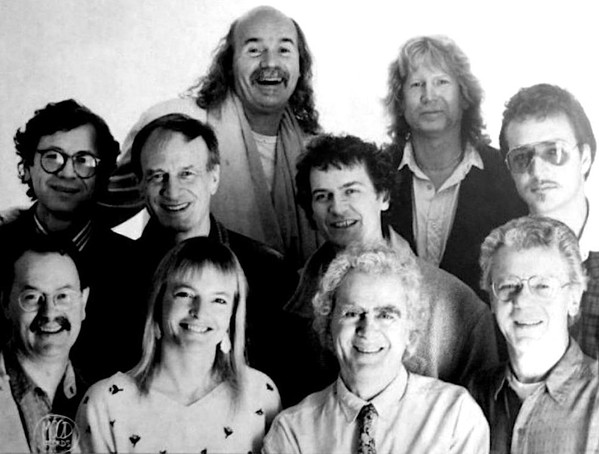
Featuring jazz players from Germany and beyond the Ensemble began life in 1975. Pianist [a=Wolfgang Dauner], initially recruiting musicians from his home base of Stuttgart (then a hotbed of avant-garde jazz), put together a rotating cast of musicians, and shared writing and arranging duties with guitarist [a=Volker Kriegel]. They recorded the first album under the United Jazz+Rock Ensemble name, Live im Schützenhaus, in 1977, to be released on the group's then founded [l=Mood Records] label. The album was a hit, eventually becoming the best-selling German jazz record of all times, and the Ensemble was awarded the "Deutscher Schallplattenpreis 1978" for artist of the year, followed by another 14 albums plus a variety of international collaborations.
Also known as: The United Jazz & Rock Ensemble, The United Jazz + Rock Ensemble, The United Jazz And Rock Ensemble, United Jazz & Rock Ensemble, United Jazz + Rock Ensemble, United Jazz And Rockensemble, United Jazz+Rock Ensemble
Members: Wolfgang Dauner, Dave King, Kenny Wheeler, Eberhard Weber, Volker Kriegel, Ian Carr, Charlie Mariano, Barbara Thompson, Albert Mangelsdorff, Jon Hiseman, Ack Van Rooyen, Johannes Faber, Christof Lauer, Peter O'Mara, Thorsten Benkenstein
Links:
Kyoto Jazz Massive
Biography
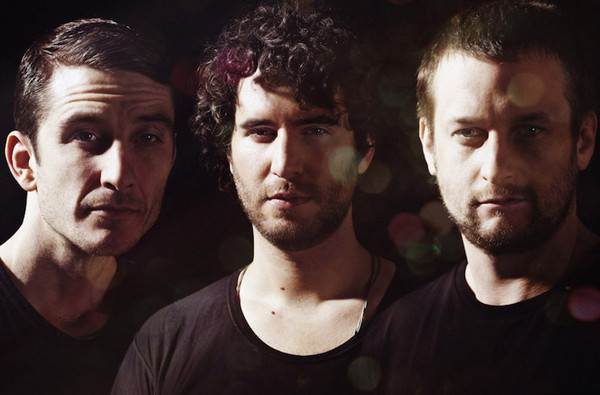
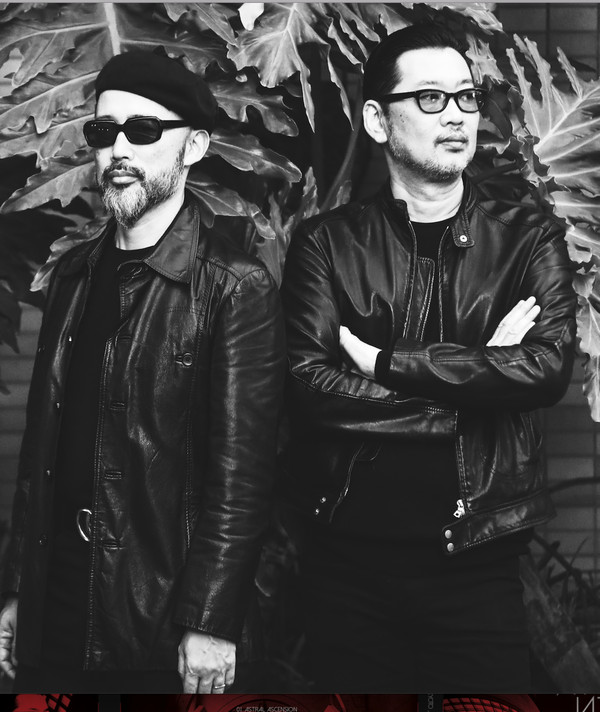
Japanese jazz and electronic recording duo.
The two brothers Shuya and Yoshihiro Okino make up the production team known as Kyoto Jazz Massive. They are based in Kyoto, Japan, where they ran a record shop, and their own label [l=Especial Records] (and offshoot [l=Especial Distribution]).
Also known as: KJM, Kyoto Jazz Massive Project
Members: Yoshihiro Okino, Shuya Okino
Links:
- http://www.kyotojazzmassive.com
- https://twitter.com/kyotojazzmassive
- https://www.facebook.com/kyotojazzmassive.real/
- https://soundcloud.com/kyotojazzmassive
- https://kyotojazzmassivemusic.bandcamp.com/