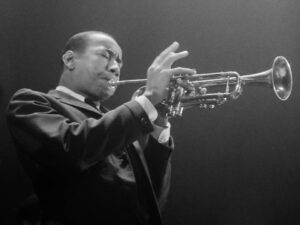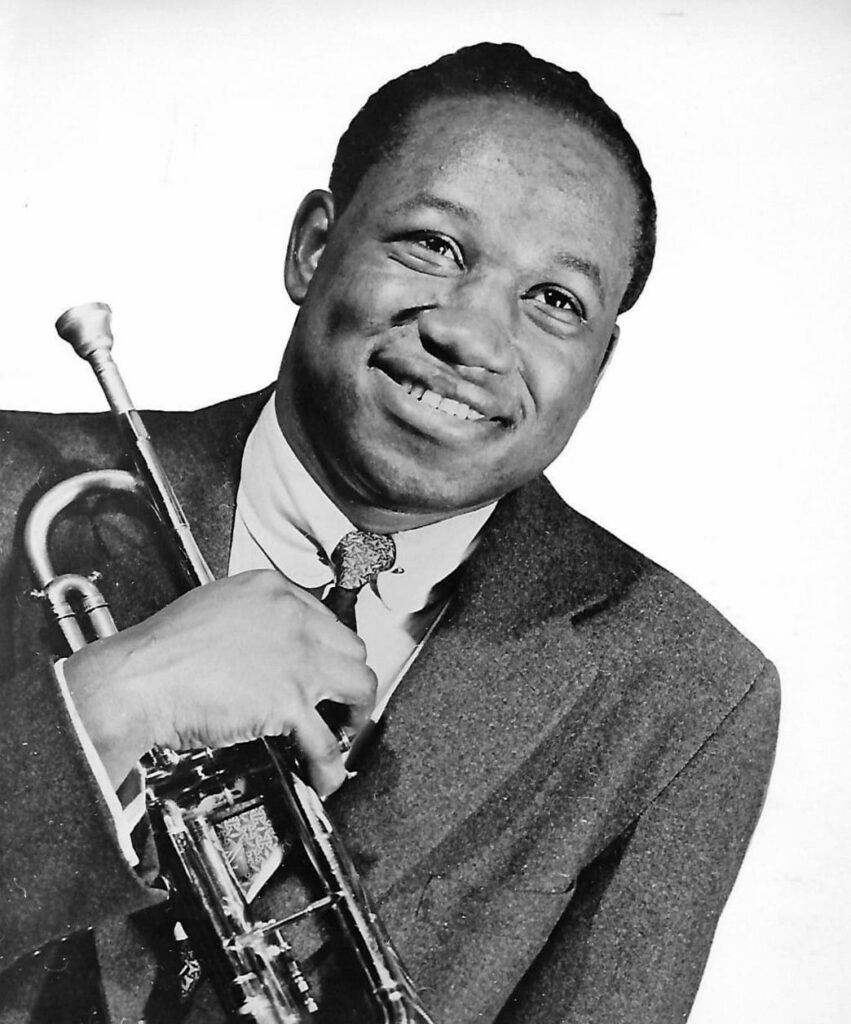


After several of jazz’s great masters, here is a concise biography ofClifford Brown (1930–1956). One of the most poignant losses in jazz history, he transformed modern trumpet playing in just 25 years and became a central voice ofhard bop.
Early Musical Promise: Born into a musical family in Wilmington, Delaware, Brown began piano lessons at age ten and quickly showed exceptional talent.
A Student of Music and Mathematics: He studied mathematics at Delaware State College before transferring to Maryland State College. The rigor of his thinking later came through in improvisations that were disciplined, fluent, and carefully structured.
The First Crash: In 1950, Brown was seriously injured in a car accident and spent a year in hospital. During his recovery, jazz master Dizzy Gillespie visited him and offered encouragement.
Return to the Scene: After recovering, he honed his skills in R&B bands, then joined the groups of Tadd Dameron and Lionel Hampton. A live album recorded with Art Blakey at Birdland in 1954 became one of hard bop’s foundational statements.
A Dream Team: In 1954, Brown formed the celebrated Clifford Brown–Max Roach Quintet with the legendary drummer. It is regarded as one of the finest hard-bop groups in jazz history.
A Model of Excellence: Brown was known for his exceptionally clear tone, astonishing speed, and logical phrasing. Just as significant, in an era when drug use was widespread, he maintained ahealthy, disciplinedlife and became a role model for musicians such as Sonny Rollins.
The Tragedy: In the early hours of June 26, 1956, Brown, pianist Richie Powell (Bud Powell’s younger brother), and Powell’s wife were driving to Chicago when their car crashed on a rain-slick road. Brown, just 25, was killed.
A Lasting Tribute: His death stunned the jazz world. Saxophonist Benny Golson wrote the elegy “I Remember Clifford,” one of the most moving tributes in jazz.
Technical Mastery: Brown brought together Dizzy Gillespie’s power and Fats Navarro’s lyrical beauty. His improvisations seemed carefully considered, with every phrase fitting precisely into place.
A Legacy of Character: Brown showed that jazz’s highest artistic achievements could be reached through discipline and practice, without drugs or self-destruction.
In Summary:Clifford Brown was a shooting star in jazz. Though his time in the spotlight was brief, his brilliance continues to illuminate generations of trumpet players. He embodiedtechnical purity and personal integrity.
A Connection to Other Artists: In an earlier biography, Chick Corea mentioned Bud Powell. Clifford Brown was killed in the same accident as Bud’s younger brother, Richie Powell. The lives of the great musicians of jazz’s golden age were often closely intertwined.
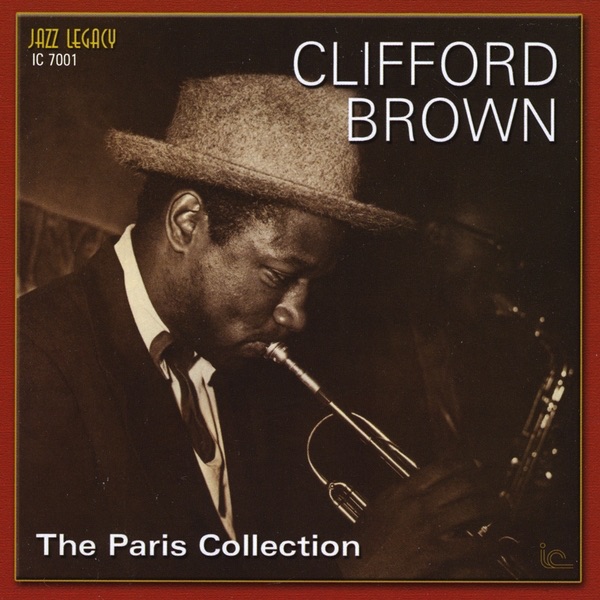
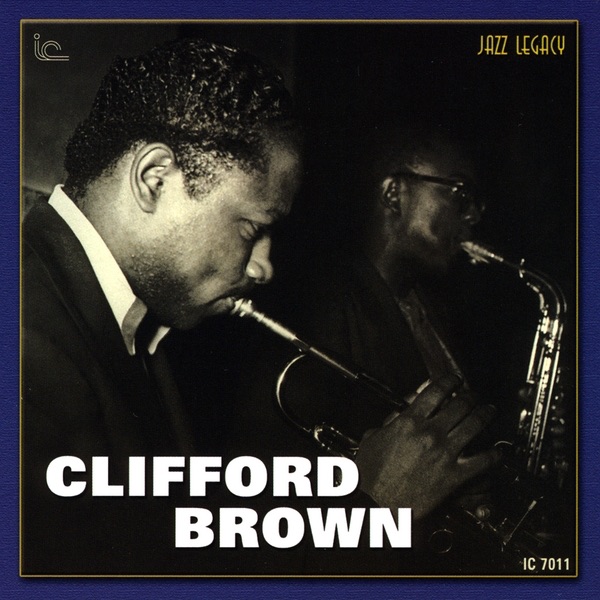
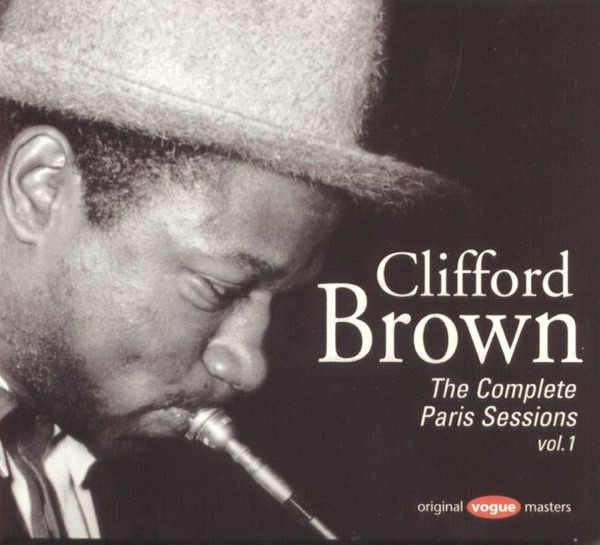
Explore 37 albums and recordings, arranged by release date.


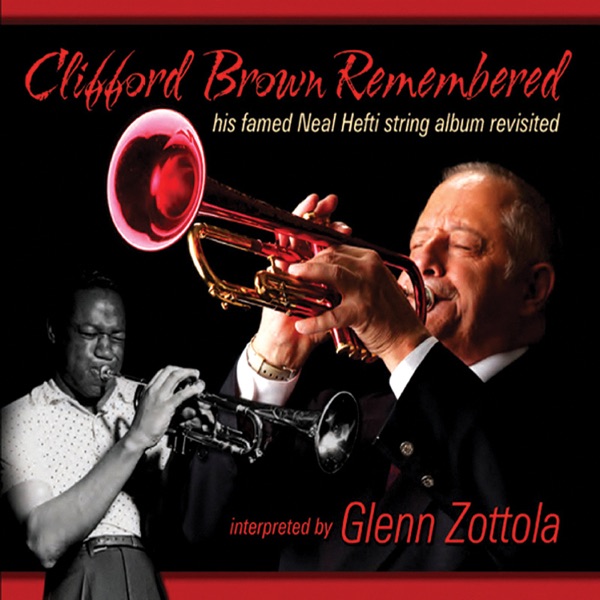






Explore other jazz artists who share genre tags with Clifford Brown.